
Yeongjongdo Island (영종도)
19.1Km 2022-05-12
100, Unnamseo-ro, Jung-gu, Incheon
+82-32-745-0211
Yeongjongdo Island, combined with Yongyudo and Sammokdo Islands through land reclamation work, connects to the mainland via Yeongjongdaegyo Bridge and is located 3 kilometers northwest of Yeonan Pier, Incheon. The 4.42 kilometer-long ride to Yeongjongdo Island provides amazing views of the ocean and mud flats. A fish market is the first thing that greets visitors to the island, providing fresh seafood daily. The island has the Yonggungsa Temple and Baegunsan Mountain, known for its walking trails. At the peak of the mountain, visitors can see a panoramic view of Incheon International Airport.
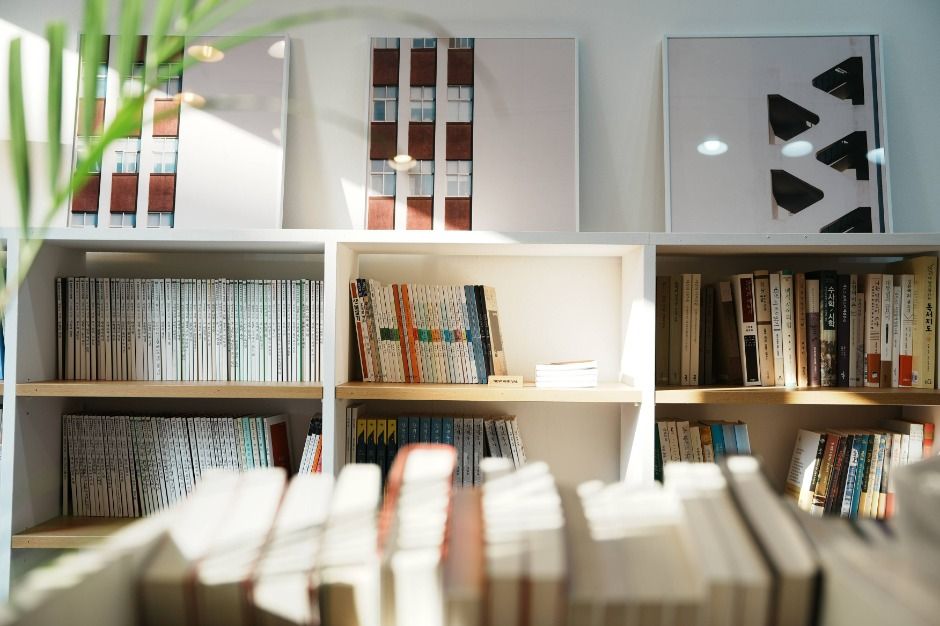
Dasi Bookshop (다시서점)
19.1Km 2025-08-14
77-24 Gonghang-daero 8-gil, Gangseo-gu, Seoul
Dasi Bookshop sells both second-hand and new books, and offers a space for readers to connect with books through a carefully curated selection, including limited edition books and books from independent publishers that are difficult to come by. In addition, it hosts book talks, book reading sessions, and author events, creating a cultural space for the community to connect. Visitors can also purchase merchandise and specially designed products, along with books, available both online and in the physical store.
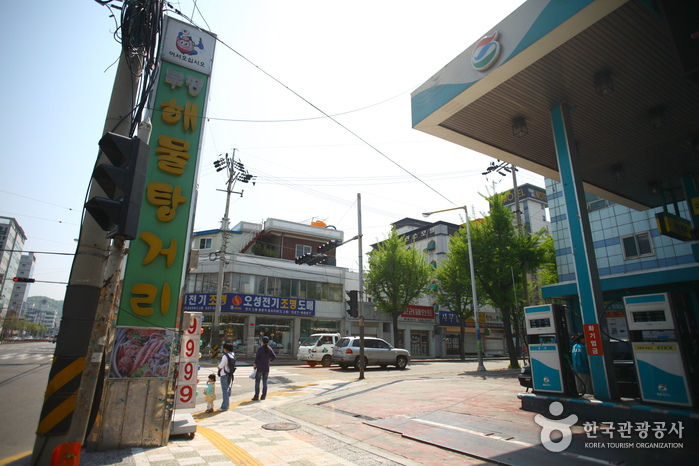
Bupyeong Haemultang (Seafood Stew) Street (부평 해물탕거리)
19.1Km 2022-10-26
113, Bupyeongmunhwa-ro, Bupyeong-gu, Incheon
+82-32-832-3031
The history of Bupyeong Haemultang Street began 30-40 years ago, when there were just three restaurants on the street. Over the years, the street gained a reputation for serving delicious haemultang (seafood stew), and there are now ten seafood restaurants on the street. Each restaurant offers a rich, yet distinctly different flavored seafood stew prepared with aromatic vegetables and fresh seafood purchased from the marketplace every morning. The Haemultang Street has become so popular that many people travel the long distance from Seoul just for a satisfying meal of seafood stew. The restaurants specialize in stew and steamed seafood dishes, but also continue to develop new fusion menus to please all taste buds.
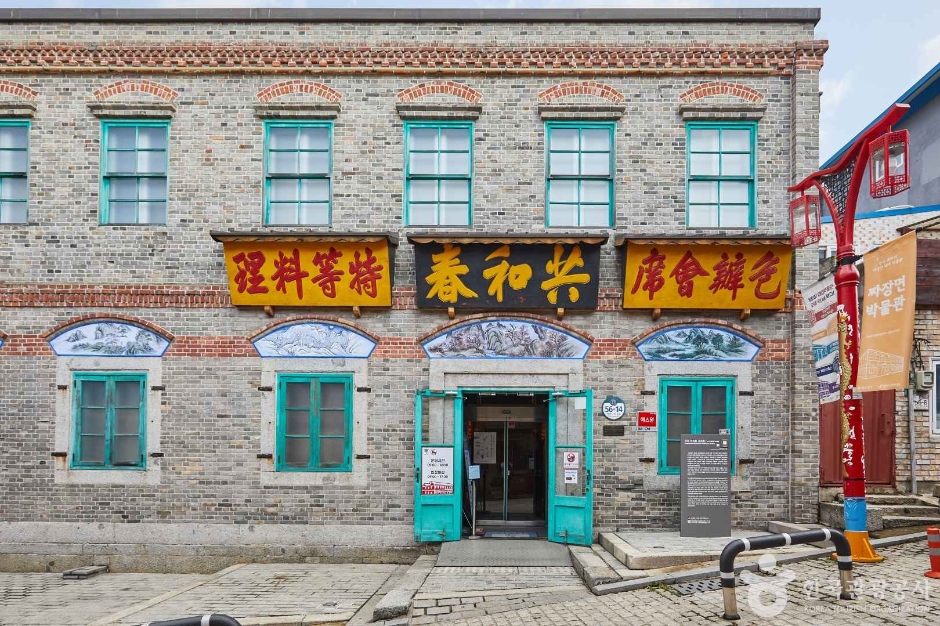
Jjajangmyeon Museum (짜장면박물관)
19.1Km 2024-12-23
56-14 Chinatown-ro, Jung-gu, Incheon
Jjajangmyeon Museum is built in the former building of Gonghwachun, the official birthplace of jjajangmyeon, a food people of all ages love. Gonghwachun operated in this old-fashioned brick building until 1983, and the building was renovated as Jjajangmyeon Museum. It is the first jjajangmyeon-themed museum in Korea and consists of six permanent exhibition rooms and one special exhibition room. Visitors can see the birth and transformation of jjajangmyeon at a glance and the different types and recipes of jjajangmyeon. The special exhibition room presents exhibitions on a variety of topics every year. The reproduction of Gonghwachun’s original reception room and kitchen as well as the exhibition of how the metal delivery box changed over the years are also interesting.
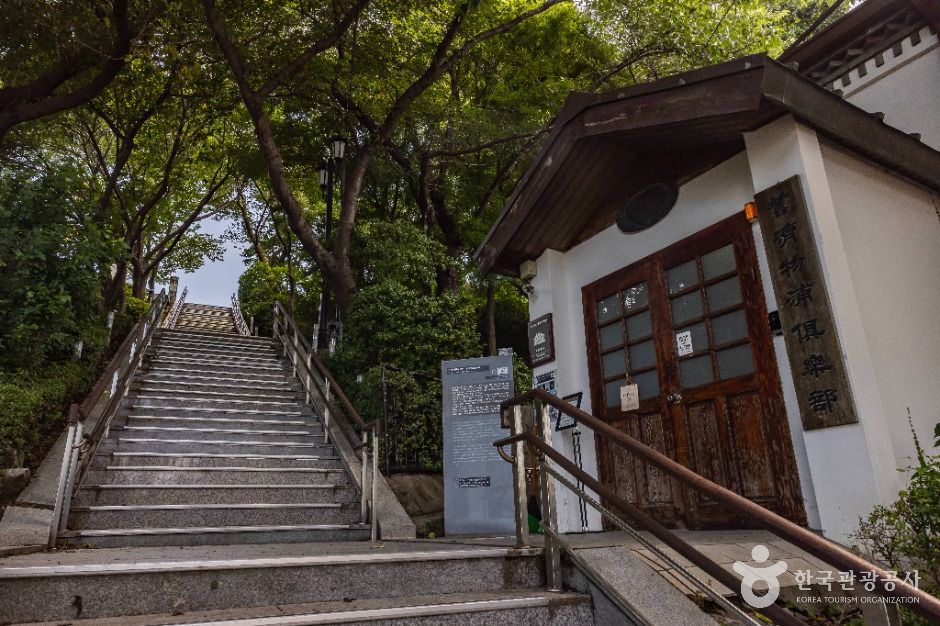
Jemulpo Club (제물포구락부)
19.1Km 2025-10-23
25 Jayugongwonnam-ro, Jung-gu, Incheon
+82-32-765-0261
Jemulpo Club, also called Jeumulpo Gurakbu, was established in 1901 to be used as the venue for foreigners such as American, English, German, French, Russian and a small minority of Chinese and Japanese all living in Incheon to build up friendships before opening the port. The two-story brick building was comprised of a library room, pool table, tennis court and others facilities.
The site was used as Incheon Museum from 1953 to 1990 and Incheon Cultural Center from 1990 to 2006. In 2007, the name was changed to Jemulpo Gurabu, imphasizing the Japanese pronunciation of "club." It now offers a site for experiencing modern culture interactions.
Taehwawon (태화원)
19.2Km 2024-12-02
10 Chinatown-ro 59beon-gil, Jung-gu, Incheon
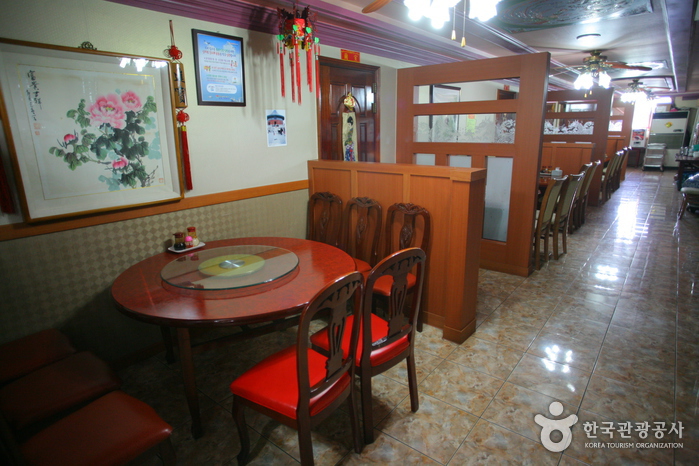
Now in its third generation, this Korean-Chinese restaurant, established in 1926, is one of the earliest in Incheon Chinatown and is renowned for preserving traditional flavors. Its signature Incheon Hyangto Jjajang (Incheon-style black bean sauce noodles) is crafted with the restaurant's own chunjang and seasonal ingredients, offering a richer, deeper taste than jjajangmyeon made with store-bought sauce. The restaurant also offers a vegetarian menu.
Hanjungwon (한중원)
19.2Km 2024-01-04
12 Chinatown-ro 59beon-gil, Jung-gu, Incheon
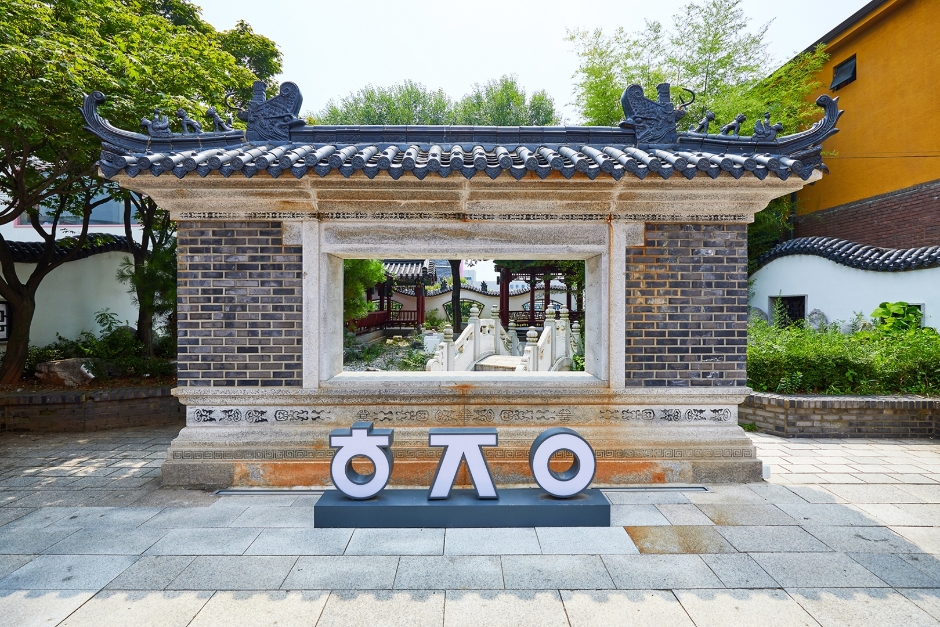
Hanjungwon is a Chinese-style garden built to commemorate the establishment of diplomatic relations between Korea and China, making it a great place to rest after looking around Chinatown. It was created with the motif of the garden style of the Suzhou region in the mid and late Qing Dynasty. Plants native to China are planted, such as bamboo, roses, and peonies, giving it an exotic atmosphere. There are human figures wearing traditional Chinese costumes on both sides of the entrance, making it a famous photo zone.
Cheongil Jogyeji Stairway (청일조계지 경계 계단)
19.2Km 2025-05-20
Seollin-dong, Jung-gu, Incheon
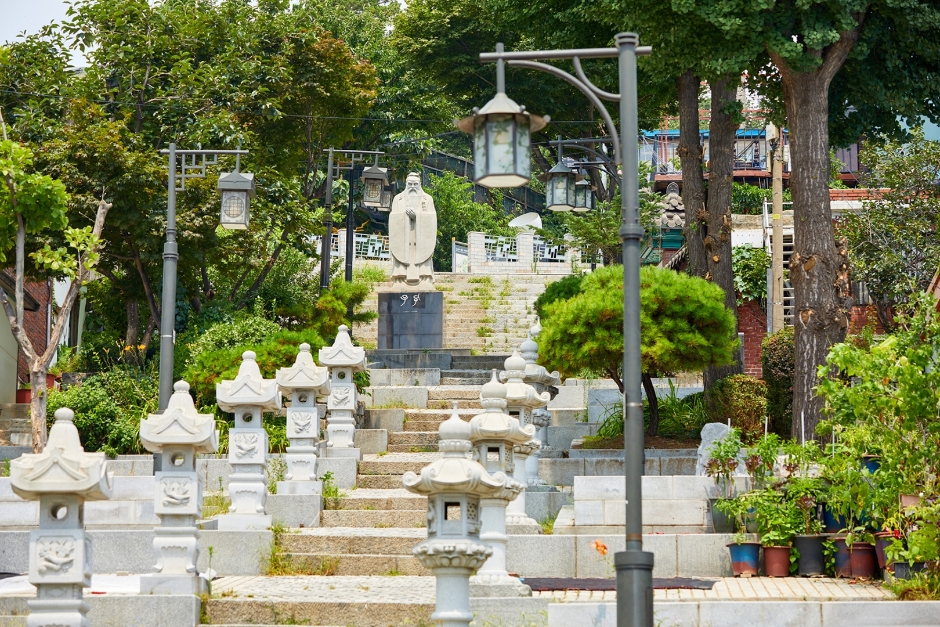
The border stairs of the Sino-Japanese Concession (an exclusive residential area set up for foreigners to live freely in ports opened for foreign trade) are located on a steep hill southwest of Jayu Park. It is a meaningful attraction with a history of about 120 years. The concession areas are divided into the Qing Dynasty concession on the left and the Japanese concession on the right with the stone stairs in the center. The buildings on the left and right clearly show each country's architectural styles and characteristics of the past.
Samdae Incheon Gejang (삼대인천게장)
19.2Km 2025-10-31
22 Geumgok-ro 81beon-gil, Dong-gu, Incheon
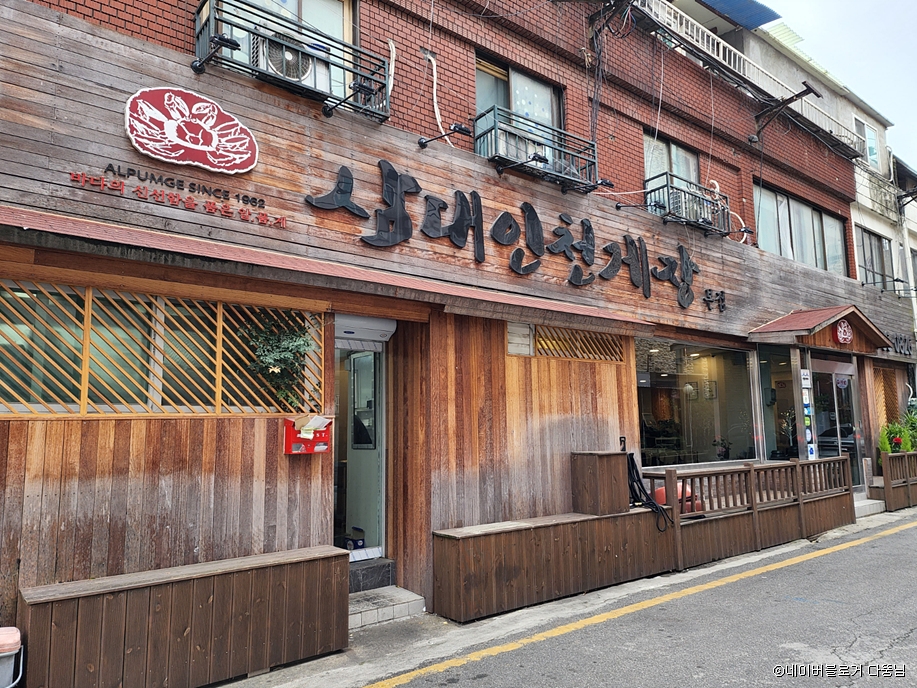
Established in 1962, this restaurant has been serving gejang for nearly sixty years and is now in its third generation (“sam-dae“) of family ownership. It uses blue crabs from Yeonpyeongdo Island and traditionally crafted and aged soy sauce. The restaurant employs a low-sodium method in its ganjang gejang (soy sauce marinated crab), highlighting the dish’s savory flavors.
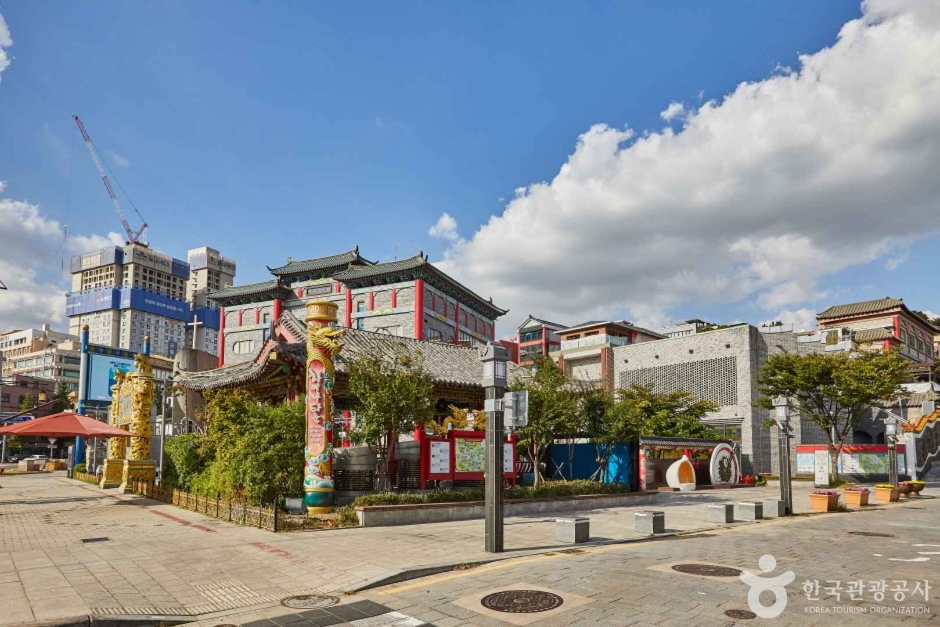
Incheon Chinatown (인천 차이나타운)
19.2Km 2025-10-23
20 Chinatown-ro 59beon-gil, Jung-gu, Incheon
Incheon's Chinatown came into being with the opening of Incheon Port in 1883 and Incheon's designation as an extraterritoriality of the Ching dynasty in the following year. In the past, the area held many stores trading goods imported from China, but currently most Chinese businesses in the area are restaurants. Today, the residents of Chinatown are mostly 2nd or 3rd generation Chinese, descendents of the early Chinese settlers. The area harbors many of the flavors of China, while the traditional culture of the first generation is preserved.
 English
 한국어
한국어 日本語
日本語 中文(简体)
 Deutsch
 Français
 Español
 Русский


