Jjajangmyeon Museum (짜장면박물관)
8.9Km 2024-12-23
56-14 Chinatown-ro, Jung-gu, Incheon
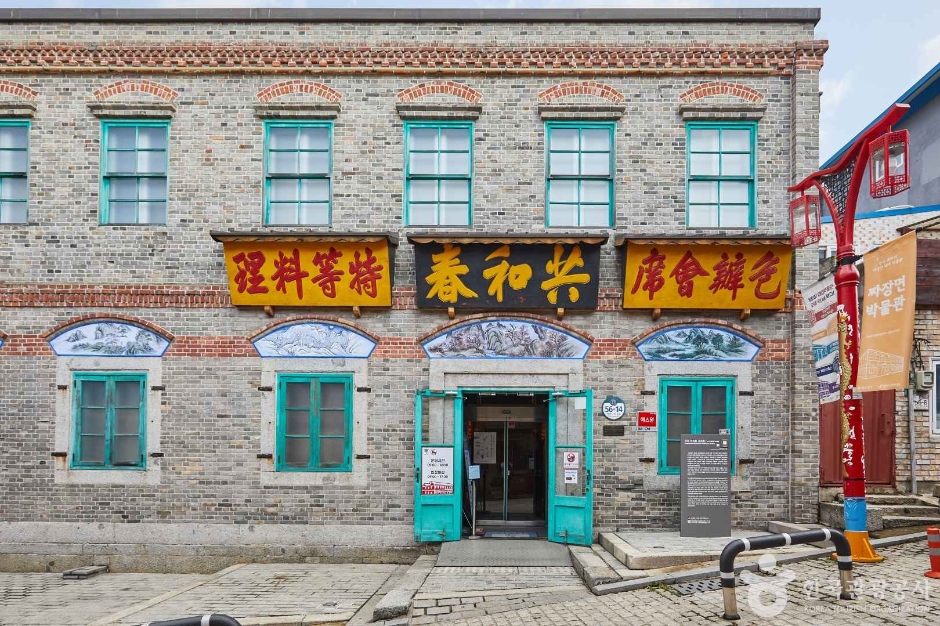
Jjajangmyeon Museum is built in the former building of Gonghwachun, the official birthplace of jjajangmyeon, a food people of all ages love. Gonghwachun operated in this old-fashioned brick building until 1983, and the building was renovated as Jjajangmyeon Museum. It is the first jjajangmyeon-themed museum in Korea and consists of six permanent exhibition rooms and one special exhibition room. Visitors can see the birth and transformation of jjajangmyeon at a glance and the different types and recipes of jjajangmyeon. The special exhibition room presents exhibitions on a variety of topics every year. The reproduction of Gonghwachun’s original reception room and kitchen as well as the exhibition of how the metal delivery box changed over the years are also interesting.
Incheon Japanese Street (인천일본풍거리)
8.9Km 2024-02-16
Gwandong 1(il)-ga, Jung-gu, Incheon
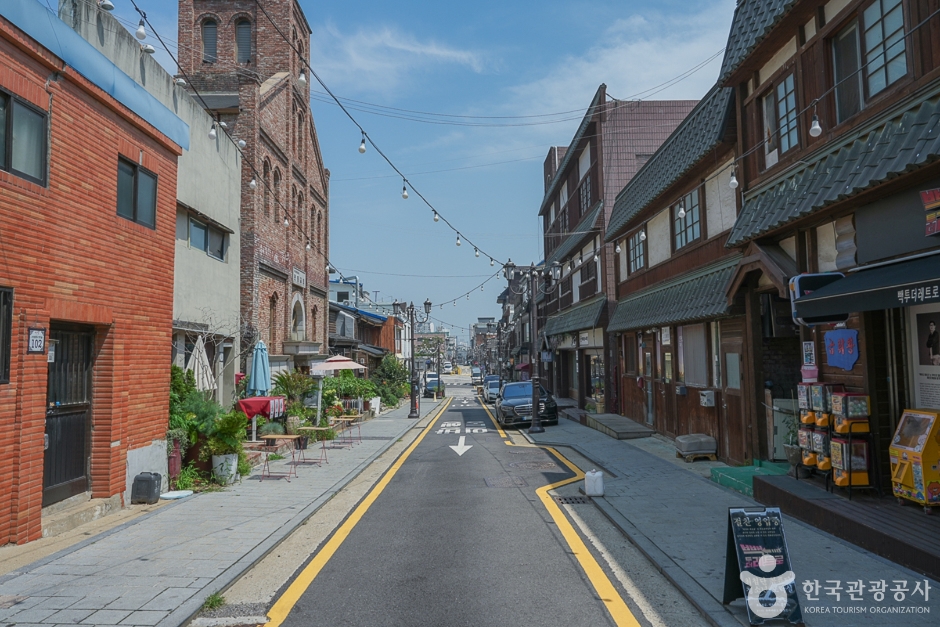
Incheon Japanese Street, established following the opening of Incheon and Jemulpo Ports in 1883, was home to the Japanese concession. It preserves several Japanese-style wooden houses and stone structures from that era. These wooden houses, designed in the distinctive style of Japanese architecture where a storefront is integrated into the residential building, have been renovated and are now serving as cafés and exhibition halls. Nearby, visitors can also explore Incheon Chinatown and the Gaehangjang (Open Port Area) Street.
Noodle Platform (누들플랫폼)
8.9Km 2025-10-23
36 Sinpo-ro 27beon-gil, Jung-gu, Incheon
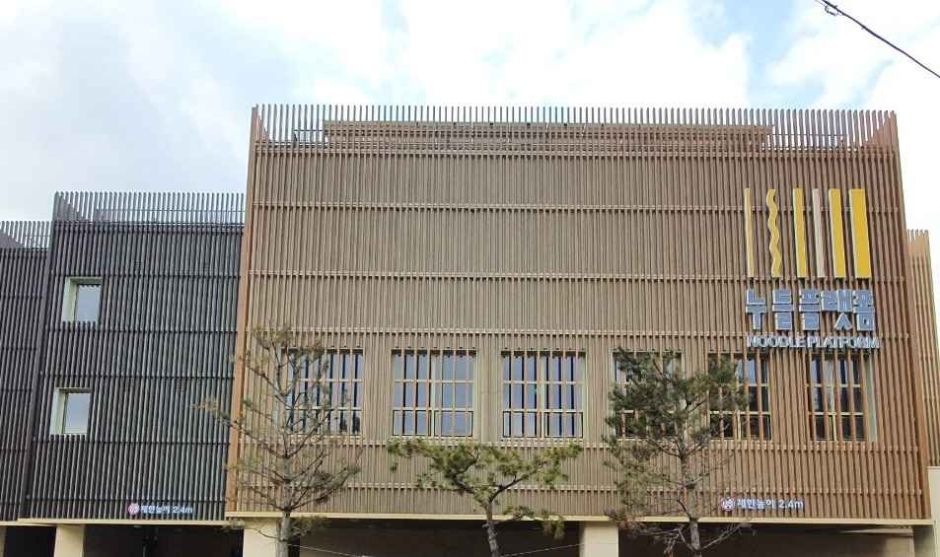
Noodle Platform is a noodle-themed cultural complex in Incheon, offering exhibitions, educational programs, and hands-on experiences centered around noodles. The three-story complex features an exhibition space that explores the development of noodle dishes in Incheon, such as jjajangmyeon (black bean sauce noodles) and jjolmyeon (spicy chewy noodles); a noodle experience zone; and an educational area where visitors can learn how to cook noodle dishes.
Cheongil Jogyeji Stairway (청일조계지 경계 계단)
8.9Km 2025-05-20
Seollin-dong, Jung-gu, Incheon
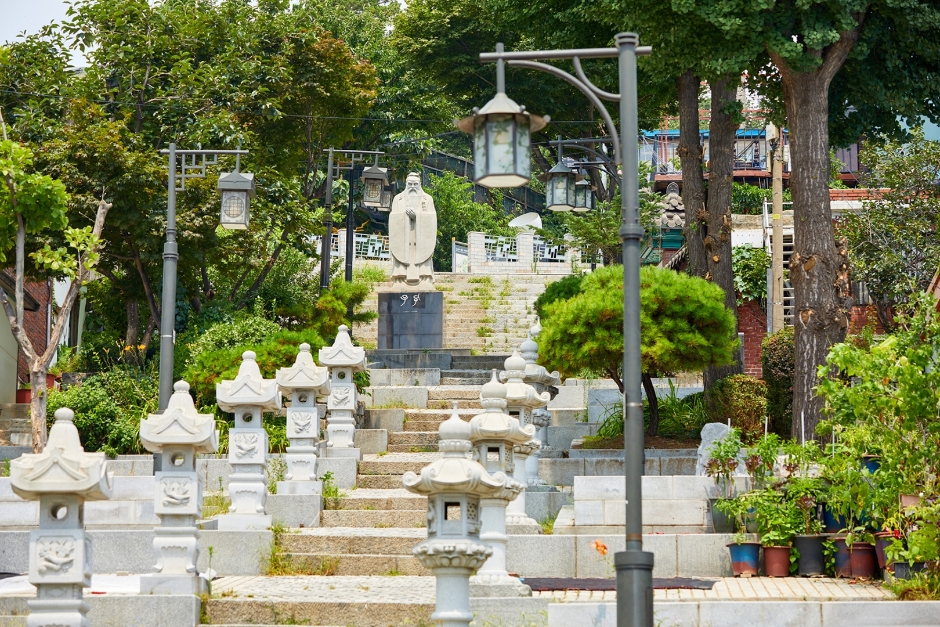
The border stairs of the Sino-Japanese Concession (an exclusive residential area set up for foreigners to live freely in ports opened for foreign trade) are located on a steep hill southwest of Jayu Park. It is a meaningful attraction with a history of about 120 years. The concession areas are divided into the Qing Dynasty concession on the left and the Japanese concession on the right with the stone stairs in the center. The buildings on the left and right clearly show each country's architectural styles and characteristics of the past.
Sangsang Platform (상상플랫폼)
8.9Km 2025-10-23
33 Wolmi-ro, Jung-gu, Incheon
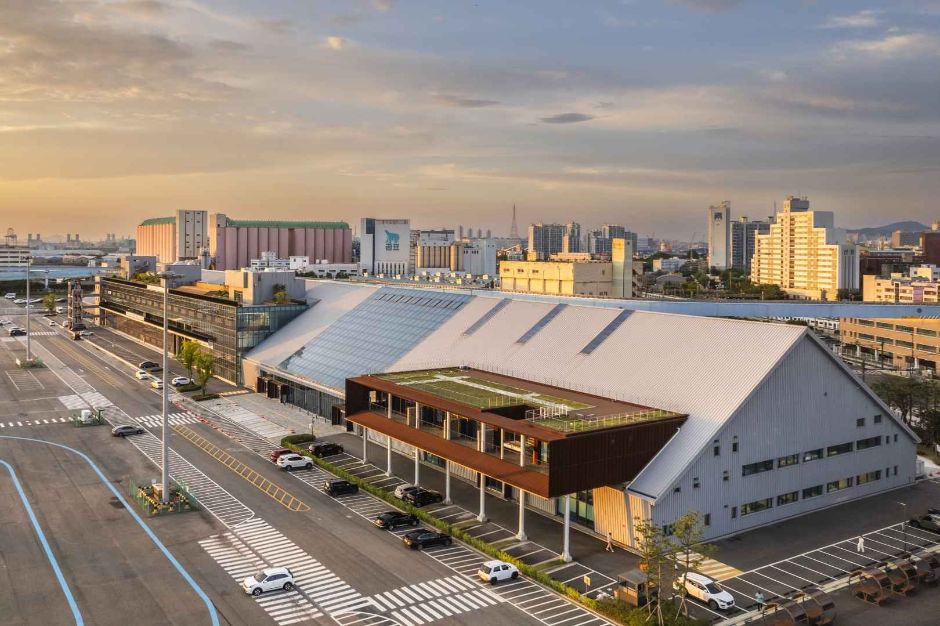
When the Incheon port opened in 1883, the Wolmi-ro area became the gateway to Korea, welcoming vistiors from overseas countries via sea route. Before transforming into the cultural and art complex of today, Sangsang Platform located by the Incheon Open Port used to be Asia's largest granary. Sangsnag Platform is remodeld to preserve the old granary structure while adding a contemporary touch that matches modern-day aesthetics. As the building once connected Incheon to the world, it now serves connect Incheon's past and the future as a multipurpose cultural tourism complex.
Incheon Local Festa (Jemulpo Wave Market) (인천 로컬 페스타 (제물포 웨이브 마켓))
8.9Km 2025-10-23
33 Wolmi-ro, Jung-gu, Incheon
+82-10-2258-9475
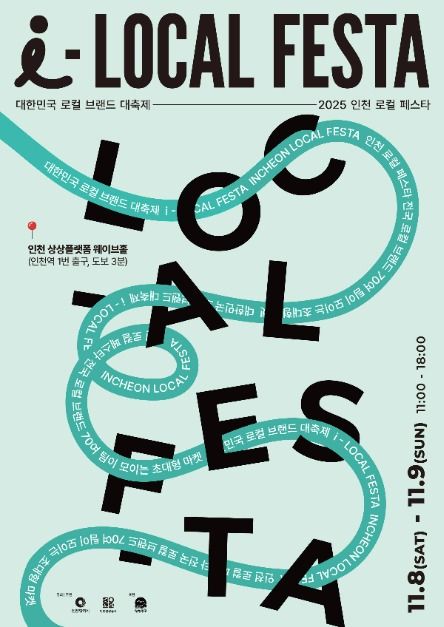
Jaemulpo Wave Market is a special festival where one can explore the many different local brands in Incheon. Approximately 70 Incheon-based brands are participating to promote handmade products, home decor items, lifestyle goods and more. During the festival period, Jemulpo Wave Vintage Market also takes place with 20 vintage sellers showcasing timeless products. Entertaining events are also planned, such as a DJ show, vintage auction, beer drinking contest, and more.
Oh Slow Vintage Market (오슬로우 빈티지 마켓)
8.9Km 2025-11-06
33 Wolmi-ro, Jung-gu, Incheon
+82-10-2258-9475
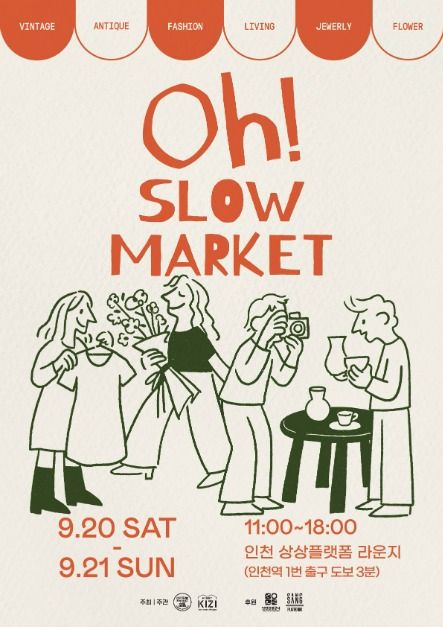
Oh Slow Vintage Market is the largest vintage market in Korea for those who pursue a slow life, with numerous teams participating in the market, including vintage, antique, second-hand, flower, and small items that align with the values of "slow life." The market is characterized by vintage items and furniture that have been around for a long time and have their own unique value, as well as rare antique items that have their own history and timeless beauty. Quality second-hand clothing and miscellaneous goods provide opportunities to purchase brand products or items in good condition at reasonable prices, going beyond just low prices. The flower section includes fresh flowers and pots for adding a personal touch. Additionally, there are stylish design items and beautifully crafted handmade crafts that enrich lifestyles. Visitors can enjoy an exciting atmosphere with DJ performances and can learn about participating vintage businesses and rare vintage products in detail through a vintage docent tour.
Incheon Open Port Museum (인천개항박물관)
8.9Km 2025-10-23
89 Sinpo-ro 23beon-gil, Jung-gu, Incheon
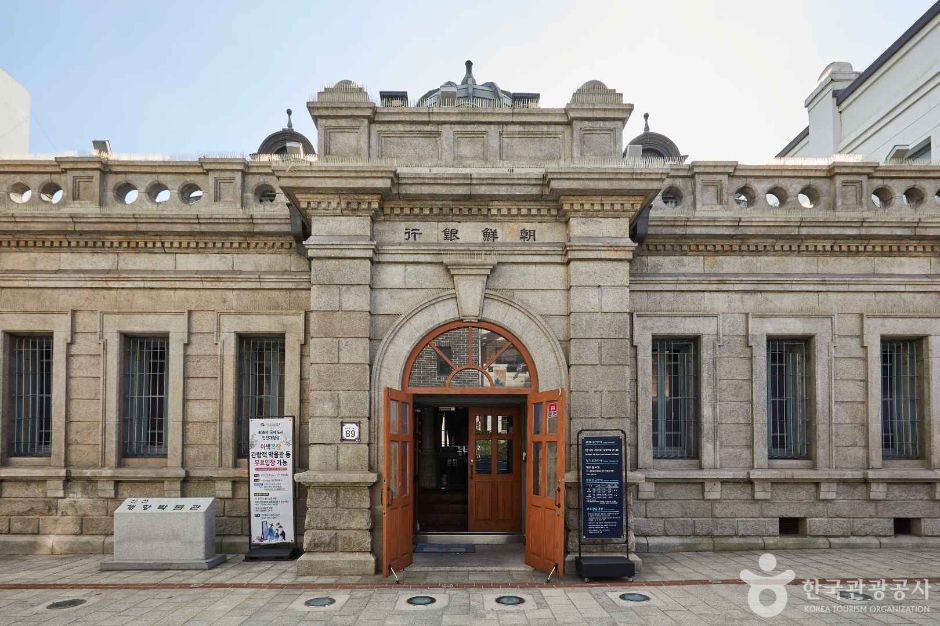
Designated as a Tangible Cultural Heritage of Incheon Metropolitan City, the Incheon Open Port Museum is housed in the former Bank of Japan building, an architectural masterpiece constructed in the late Renaissance style. With four permanent exhibitions, the museum offers a glimpse into various aspects of modern culture and artifacts that were first introduced after the opening of Incheon Port. (Credit: Incheon Jung-gu Cultural Foundation)
Daebul Hotel Exhibition Hall (대불호텔전시관)
8.9Km 2025-10-23
101 Sinpo-ro 23beon-gil, Jung-gu, Incheon
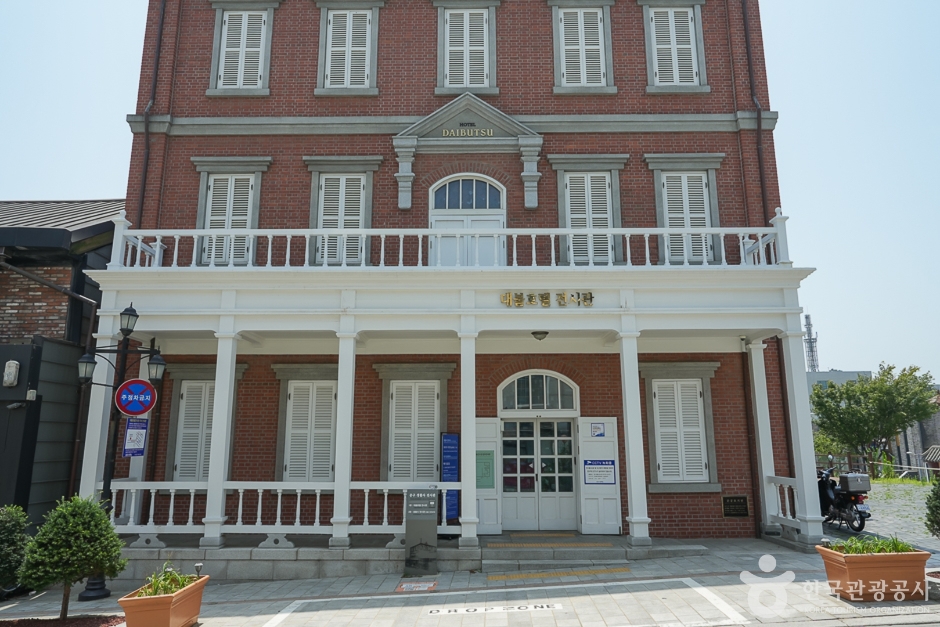
This museum is located on the site of Daebul Hotel, Korea's first Western-style hotel, established in 1889. The hotel was demolished in 1978, but parts of the hotel structure were discovered in 2011 and rebuilt to preserve the hotel's original appearance. The first floor is the Daebul Hotel Exhibition Hall, through which visitors can see traces of Daebul Hotel at the time. The second floor is the Jung-gu Life History Museum, where visitors can get a glimpse of life in Incheon's Jung-gu area in the 1960s and 1970s.
Hanjungwon (한중원)
8.9Km 2024-01-04
12 Chinatown-ro 59beon-gil, Jung-gu, Incheon
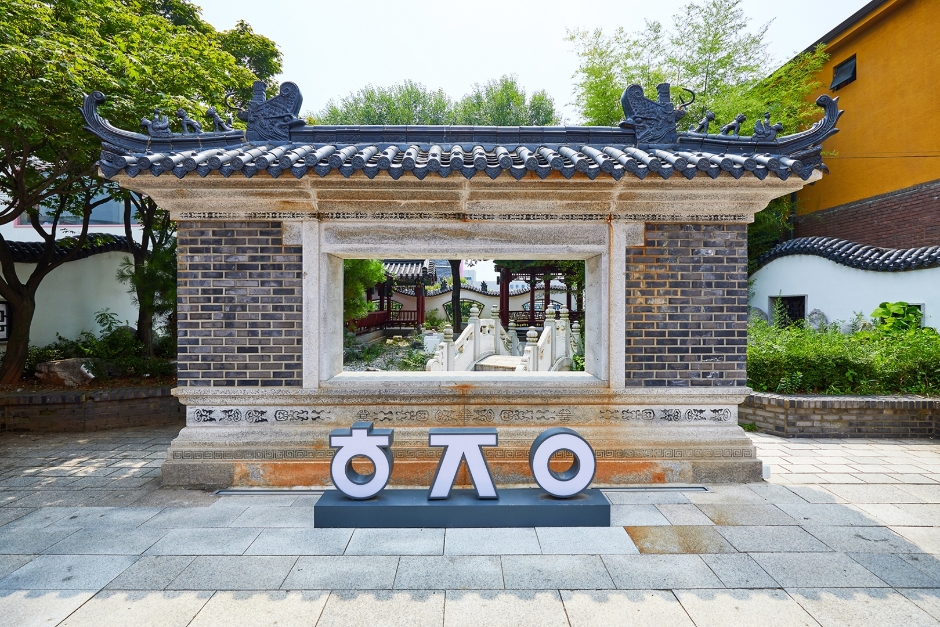
Hanjungwon is a Chinese-style garden built to commemorate the establishment of diplomatic relations between Korea and China, making it a great place to rest after looking around Chinatown. It was created with the motif of the garden style of the Suzhou region in the mid and late Qing Dynasty. Plants native to China are planted, such as bamboo, roses, and peonies, giving it an exotic atmosphere. There are human figures wearing traditional Chinese costumes on both sides of the entrance, making it a famous photo zone.
 English
 한국어
한국어 日本語
日本語 中文(简体)
 Deutsch
 Français
 Español
 Русский


