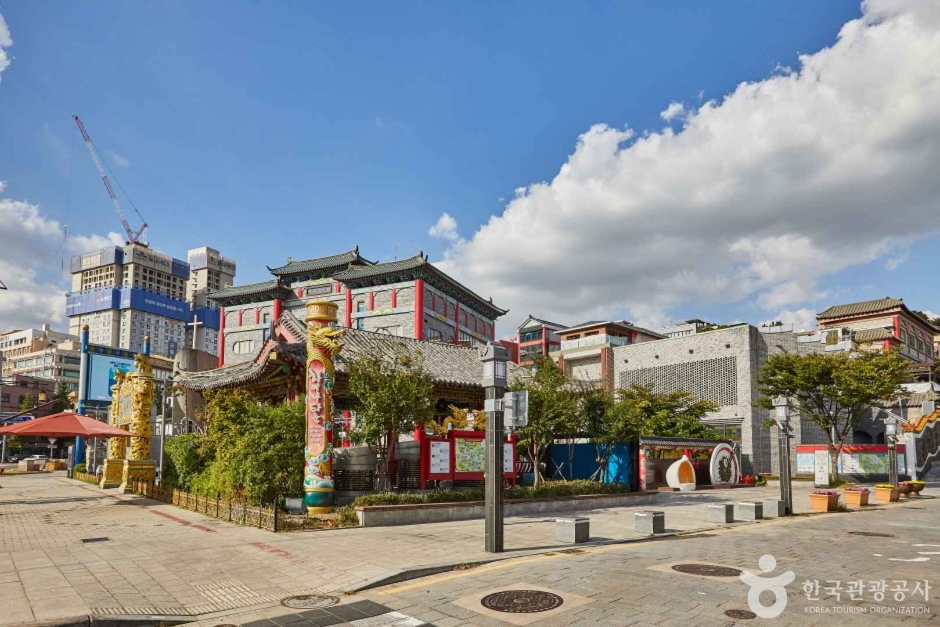
Incheon Chinatown (인천 차이나타운)
8.9Km 2025-10-23
20 Chinatown-ro 59beon-gil, Jung-gu, Incheon
Incheon's Chinatown came into being with the opening of Incheon Port in 1883 and Incheon's designation as an extraterritoriality of the Ching dynasty in the following year. In the past, the area held many stores trading goods imported from China, but currently most Chinese businesses in the area are restaurants. Today, the residents of Chinatown are mostly 2nd or 3rd generation Chinese, descendents of the early Chinese settlers. The area harbors many of the flavors of China, while the traditional culture of the first generation is preserved.
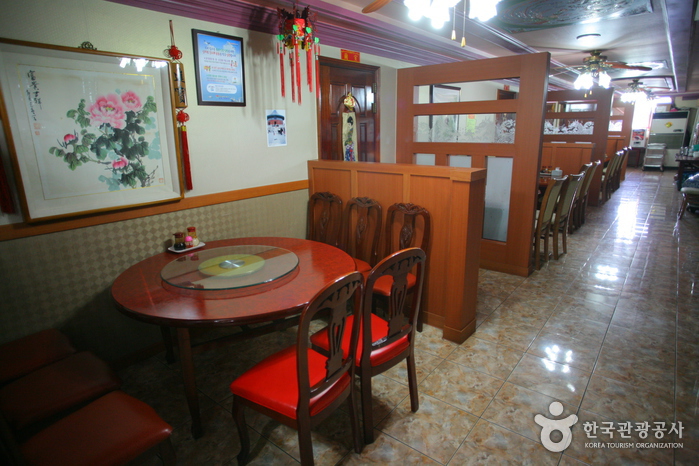
Taehwawon (태화원)
8.9Km 2024-12-02
10 Chinatown-ro 59beon-gil, Jung-gu, Incheon
Now in its third generation, this Korean-Chinese restaurant, established in 1926, is one of the earliest in Incheon Chinatown and is renowned for preserving traditional flavors. Its signature Incheon Hyangto Jjajang (Incheon-style black bean sauce noodles) is crafted with the restaurant's own chunjang and seasonal ingredients, offering a richer, deeper taste than jjajangmyeon made with store-bought sauce. The restaurant also offers a vegetarian menu.
![Homeplus - Gimpo Pungmu Branch [Tax Refund Shop] (홈플러스 김포풍무)](http://tong.visitkorea.or.kr/cms/resource/17/2880517_image2_1.jpg)
Homeplus - Gimpo Pungmu Branch [Tax Refund Shop] (홈플러스 김포풍무)
8.9Km 2024-04-22
167, Pungmu-ro, Gimpo-si, Gyeonggi-do
-
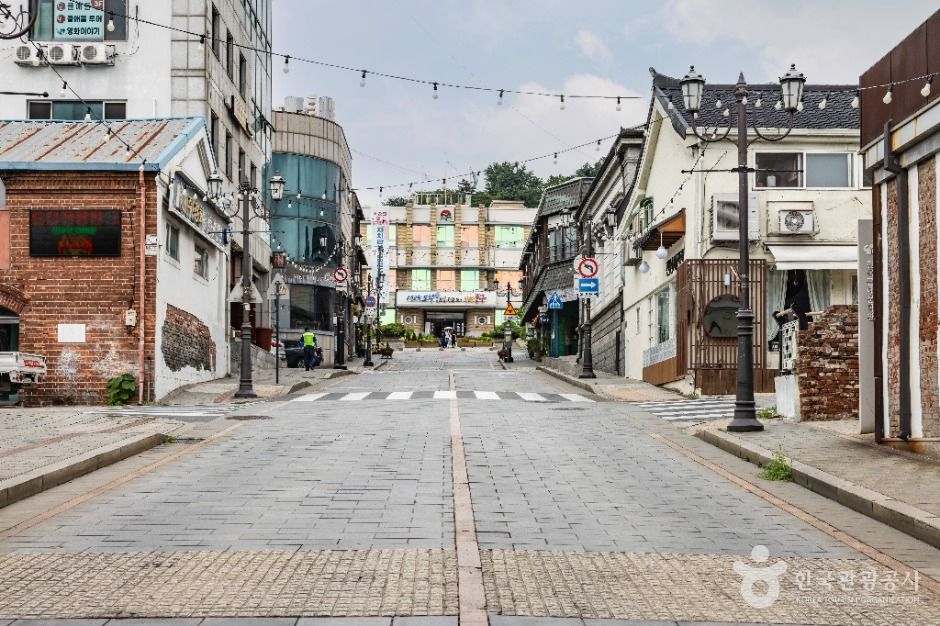
Gaehangjang (Open Port Area) Street (개항장 거리)
8.9Km 2025-10-23
27 Jemullyang-ro 232beonan-gil, Jung-gu, Incheon
As the Incheon Port was opened in 1883, this is where one could feel the rich history and culture accumulated over 126 years. Formerly used by the Japanese consulate, the Jung-gu Office, the Incheon branch of Japan's 1st, 18th and 58th Bank and other modern historical architecture can be found intact here. Other historical remains like Former Japan Mail and Shipping Inc., Incheon Art Platform, Jemulpo Gurakbu, and more are also available for visitors to see at the Incheon Gaehangjang (Open Port Area). For those who are interested in learning more, a guided tour by an Incheon cultural tourism expert is available upon reservation.
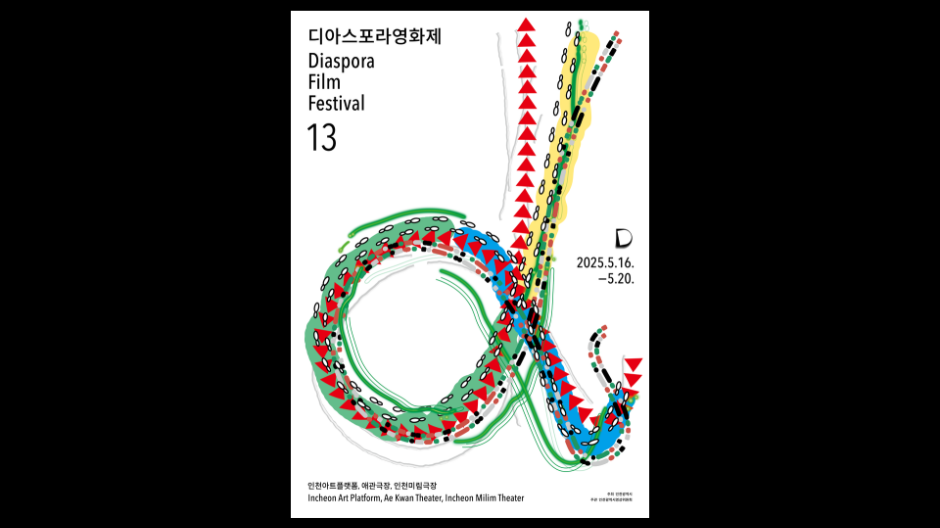
Diaspora Film Festival (제13회 디아스포라영화제)
9.0Km 2025-03-31
3 Jemullyang-ro 218beon-gil, Jung-gu, Incheon
+82-32-435-7172
Inspired from the how the Jews kept their cultural identity during the diaspora, the annual Diaspora Film Festival takes place in Incheon to shed light on the 1st generation Korean immigrants to Hawaii in 1902 from Incheon Port. In addition to highlighting the city's historical significance, the festival aims to stand against all kinds of prejudice and discrimination, advocate for minority groups, and support diversity and acceptance. It also focuses on a wide range of topics related to diaspora, exploring the social problems related to immigration and immigrants.
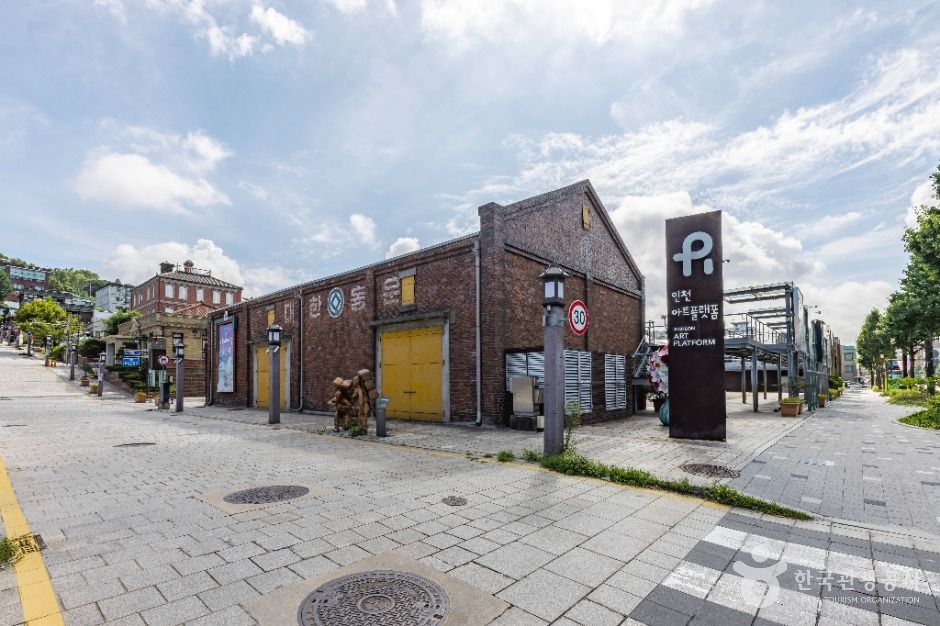
Incheon Art Platform (인천 아트플랫폼)
9.0Km 2025-10-23
3 Jemullyang-ro 218beon-gil, Jung-gu, Incheon
Incheon Art Platform, located in Haean-dong, Incheon, is known for its well-preserved architectural heritage and buildings that showcase a blend of traditional and modern architecture. The complex was established by remodeling structures built in the 1930s and 1940s. Centered around its residency program, it offers exhibitions, performances, and educational programs, and plays a significant role in promoting the free exchange of art and culture. By providing creative spaces for artists and venues for cultural exchange, the platform fosters interaction between artists and visitors.
![Olive Young - Bucheon Sang-dong Branch [Tax Refund Shop] (올리브영 부천상동)](http://tong.visitkorea.or.kr/cms/resource/05/2888005_image2_1.jpg)
Olive Young - Bucheon Sang-dong Branch [Tax Refund Shop] (올리브영 부천상동)
9.0Km 2024-04-16
105, Gilju-ro, Bucheon-si, Gyeonggi-do
-
![Homeplus - Incheon Sungui Branch [Tax Refund Shop] (홈플러스 인천숭의)](http://tong.visitkorea.or.kr/cms/resource/47/2882747_image2_1.jpg)
Homeplus - Incheon Sungui Branch [Tax Refund Shop] (홈플러스 인천숭의)
9.0Km 2024-04-23
124, Singomae-ro, Giheung-gu, Yongin-si, Gyeonggi-do
-
![Uniqlo - Incheon Hang-dong Branch [Tax Refund Shop] (유니클로 인천항동)](http://tong.visitkorea.or.kr/cms/resource/64/2882764_image2_1.jpg)
Uniqlo - Incheon Hang-dong Branch [Tax Refund Shop] (유니클로 인천항동)
9.2Km 2024-04-17
1F, 3, Sinpo-ro, Jung-gu, Incheon
-
![Homeplus - Bucheon Sang-dong Branch [Tax Refund Shop] (홈플러스 부천상동)](http://tong.visitkorea.or.kr/cms/resource/07/2881907_image2_1.jpg)
Homeplus - Bucheon Sang-dong Branch [Tax Refund Shop] (홈플러스 부천상동)
9.2Km 2024-04-23
118, Gilju-ro, Bucheon-si, Gyeonggi-do
-
 English
 한국어
한국어 日本語
日本語 中文(简体)
 Deutsch
 Français
 Español
 Русский


