
Incheon Hwapyeong-dong Sesutdaeya Naengmyeon Steet (인천 화평동 세숫대야 냉면 거리)
7.8Km 2023-11-15
Hwapyeong-ro, Dong-gu, Incheon
The first naengmyeon restaurant to open in Hwapyeong-dong did so in the early to mid-70s. It wasn't until the early 2000's that the area saw an influx of over 20 naengmyeon restaurants. These days, visitors can choose from 13 restaurants. In the beginning, the servings here were all the standard found anywhere else in Korea. However, many of the factory workers in the area would come here, and ask for additional servings during their lunch break. Eventually, the restaurants began to serve larger sizes, naturally leading to the use of a large bowl to one similar to what people would use when washing their faces. Another specialty of the naengmyeon here is the addition of yeolmu kimchi (young summer radish kimchi). Many restaurants also offer free, unlimited refills on noodles.
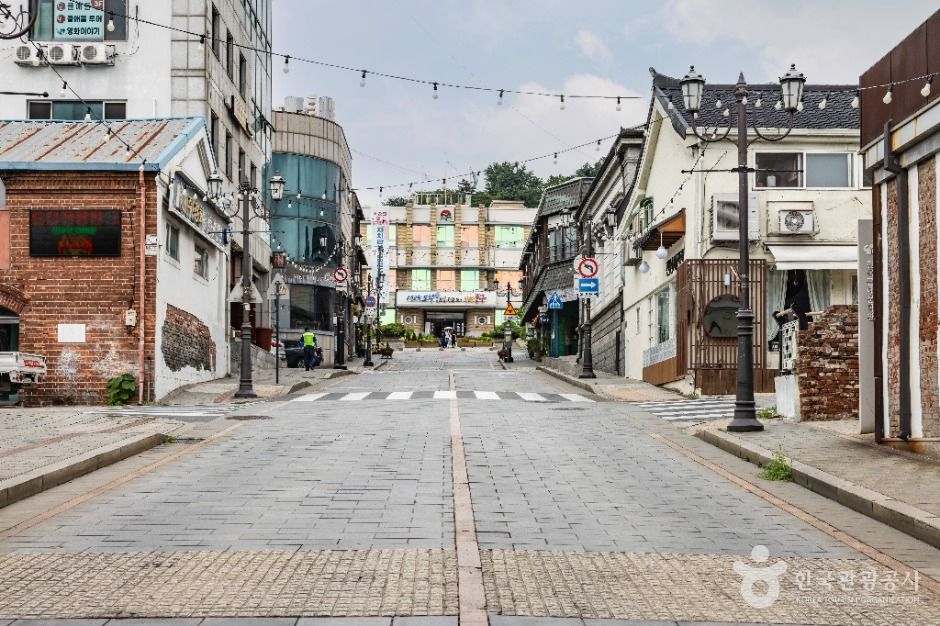
Gaehangjang (Open Port Area) Street (개항장 거리)
7.8Km 2025-10-23
27 Jemullyang-ro 232beonan-gil, Jung-gu, Incheon
As the Incheon Port was opened in 1883, this is where one could feel the rich history and culture accumulated over 126 years. Formerly used by the Japanese consulate, the Jung-gu Office, the Incheon branch of Japan's 1st, 18th and 58th Bank and other modern historical architecture can be found intact here. Other historical remains like Former Japan Mail and Shipping Inc., Incheon Art Platform, Jemulpo Gurakbu, and more are also available for visitors to see at the Incheon Gaehangjang (Open Port Area). For those who are interested in learning more, a guided tour by an Incheon cultural tourism expert is available upon reservation.
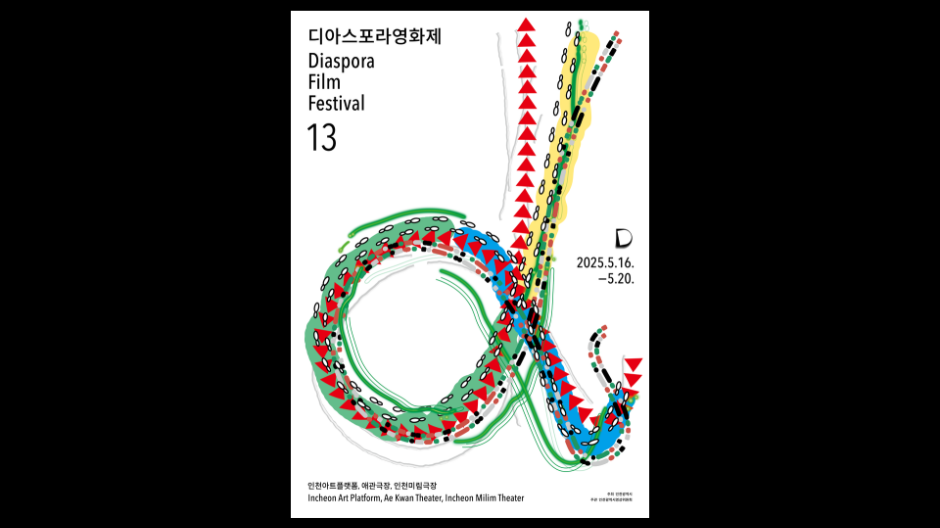
Diaspora Film Festival (제13회 디아스포라영화제)
7.8Km 2025-03-31
3 Jemullyang-ro 218beon-gil, Jung-gu, Incheon
+82-32-435-7172
Inspired from the how the Jews kept their cultural identity during the diaspora, the annual Diaspora Film Festival takes place in Incheon to shed light on the 1st generation Korean immigrants to Hawaii in 1902 from Incheon Port. In addition to highlighting the city's historical significance, the festival aims to stand against all kinds of prejudice and discrimination, advocate for minority groups, and support diversity and acceptance. It also focuses on a wide range of topics related to diaspora, exploring the social problems related to immigration and immigrants.
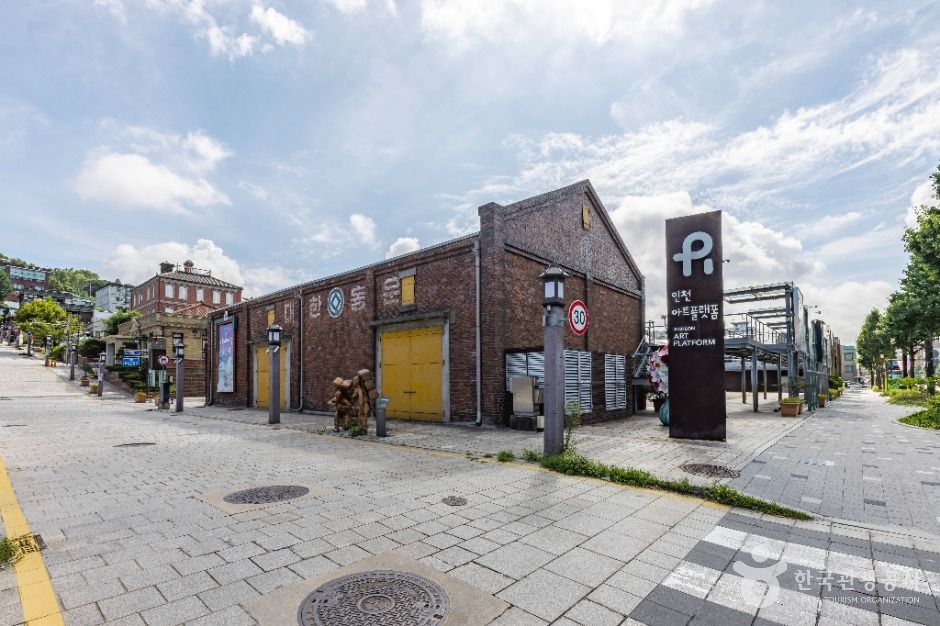
Incheon Art Platform (인천 아트플랫폼)
7.8Km 2025-10-23
3 Jemullyang-ro 218beon-gil, Jung-gu, Incheon
Incheon Art Platform, located in Haean-dong, Incheon, is known for its well-preserved architectural heritage and buildings that showcase a blend of traditional and modern architecture. The complex was established by remodeling structures built in the 1930s and 1940s. Centered around its residency program, it offers exhibitions, performances, and educational programs, and plays a significant role in promoting the free exchange of art and culture. By providing creative spaces for artists and venues for cultural exchange, the platform fosters interaction between artists and visitors.
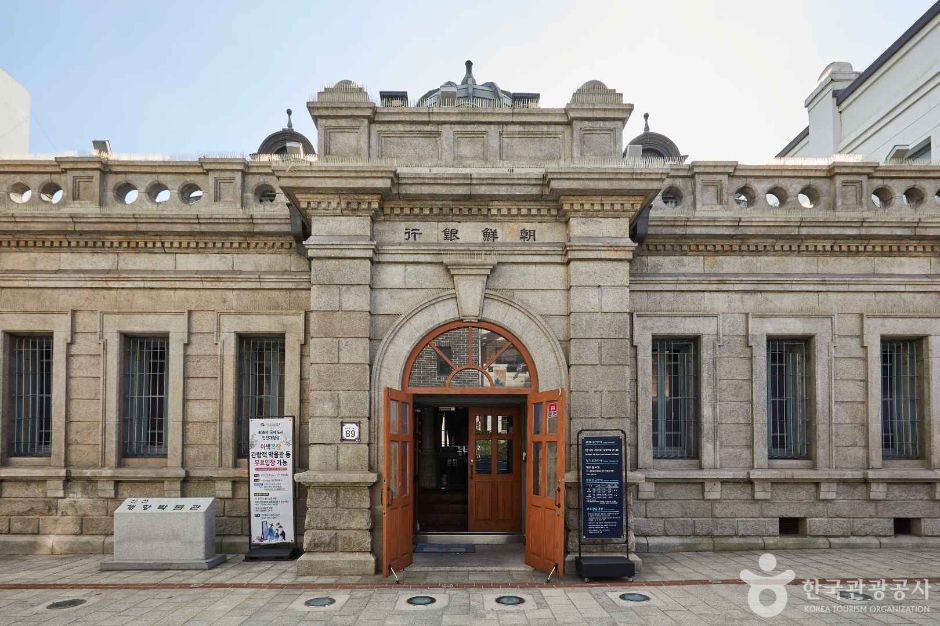
Incheon Open Port Museum (인천개항박물관)
7.9Km 2025-10-23
89 Sinpo-ro 23beon-gil, Jung-gu, Incheon
Designated as a Tangible Cultural Heritage of Incheon Metropolitan City, the Incheon Open Port Museum is housed in the former Bank of Japan building, an architectural masterpiece constructed in the late Renaissance style. With four permanent exhibitions, the museum offers a glimpse into various aspects of modern culture and artifacts that were first introduced after the opening of Incheon Port. (Credit: Incheon Jung-gu Cultural Foundation)
Incheon Japanese Street (인천일본풍거리)
7.9Km 2024-02-16
Gwandong 1(il)-ga, Jung-gu, Incheon
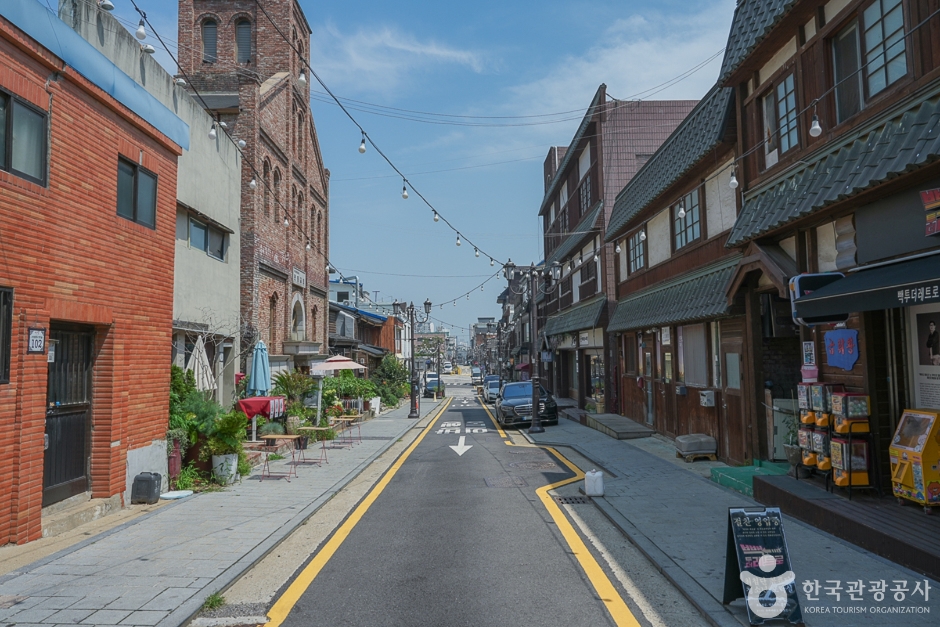
Incheon Japanese Street, established following the opening of Incheon and Jemulpo Ports in 1883, was home to the Japanese concession. It preserves several Japanese-style wooden houses and stone structures from that era. These wooden houses, designed in the distinctive style of Japanese architecture where a storefront is integrated into the residential building, have been renovated and are now serving as cafés and exhibition halls. Nearby, visitors can also explore Incheon Chinatown and the Gaehangjang (Open Port Area) Street.
Jemulpo Club (제물포구락부)
7.9Km 2025-10-23
25 Jayugongwonnam-ro, Jung-gu, Incheon
+82-32-765-0261
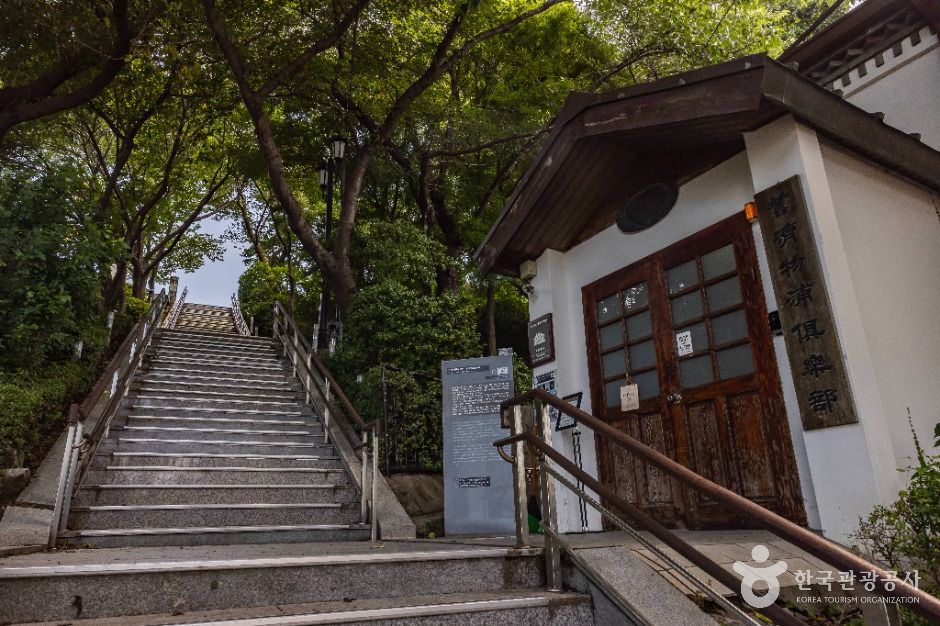
Jemulpo Club, also called Jeumulpo Gurakbu, was established in 1901 to be used as the venue for foreigners such as American, English, German, French, Russian and a small minority of Chinese and Japanese all living in Incheon to build up friendships before opening the port. The two-story brick building was comprised of a library room, pool table, tennis court and others facilities.
The site was used as Incheon Museum from 1953 to 1990 and Incheon Cultural Center from 1990 to 2006. In 2007, the name was changed to Jemulpo Gurabu, imphasizing the Japanese pronunciation of "club." It now offers a site for experiencing modern culture interactions.
Daebul Hotel Exhibition Hall (대불호텔전시관)
7.9Km 2025-10-23
101 Sinpo-ro 23beon-gil, Jung-gu, Incheon
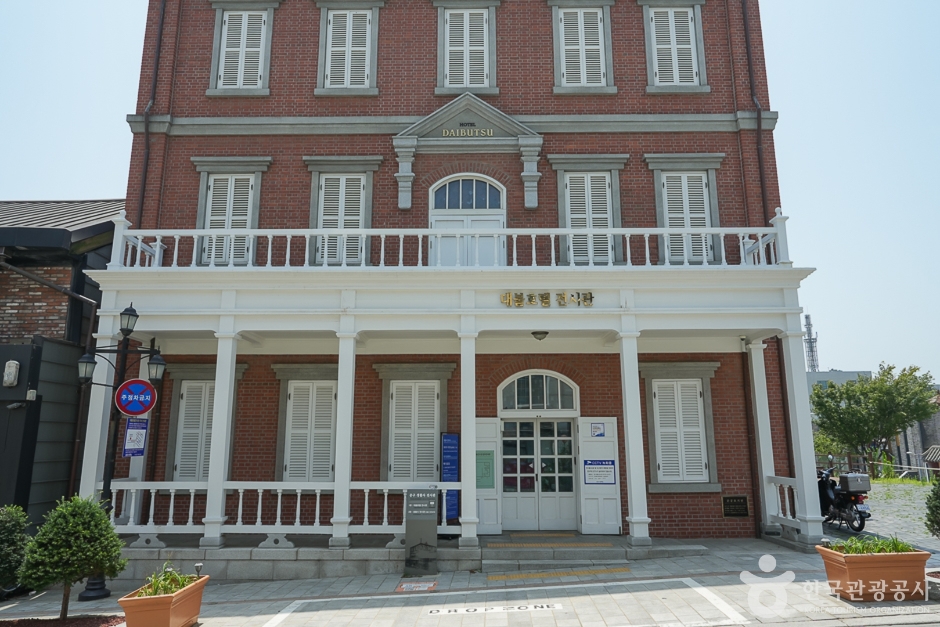
This museum is located on the site of Daebul Hotel, Korea's first Western-style hotel, established in 1889. The hotel was demolished in 1978, but parts of the hotel structure were discovered in 2011 and rebuilt to preserve the hotel's original appearance. The first floor is the Daebul Hotel Exhibition Hall, through which visitors can see traces of Daebul Hotel at the time. The second floor is the Jung-gu Life History Museum, where visitors can get a glimpse of life in Incheon's Jung-gu area in the 1960s and 1970s.
Oido Island (오이도)
8.0Km 2025-05-08
175 Oido-ro, Siheung-si, Gyeonggi-do
Located off the western coast of the city of Siheung, Oido Island was originally an island and then connected to the mainland during the Japanese occupation as its tidal flats were used as a salt plant. During the day, the blue sea and the red lighthouse, the symbol of Oido, create a picturesque scene. In the evening, visitors can enjoy the spectacular sight of red sunsets over the sea. It also includes the largest prehistoric site on the west coast. The expansive tidal flats are home to a wide variety of creatures, attracting seasonal migratory birds.
Incheon Jayu Park (자유공원 (인천))
8.0Km 2024-12-27
46 Jemullyang-ro 232beon-gil, Jung-gu, Incheon
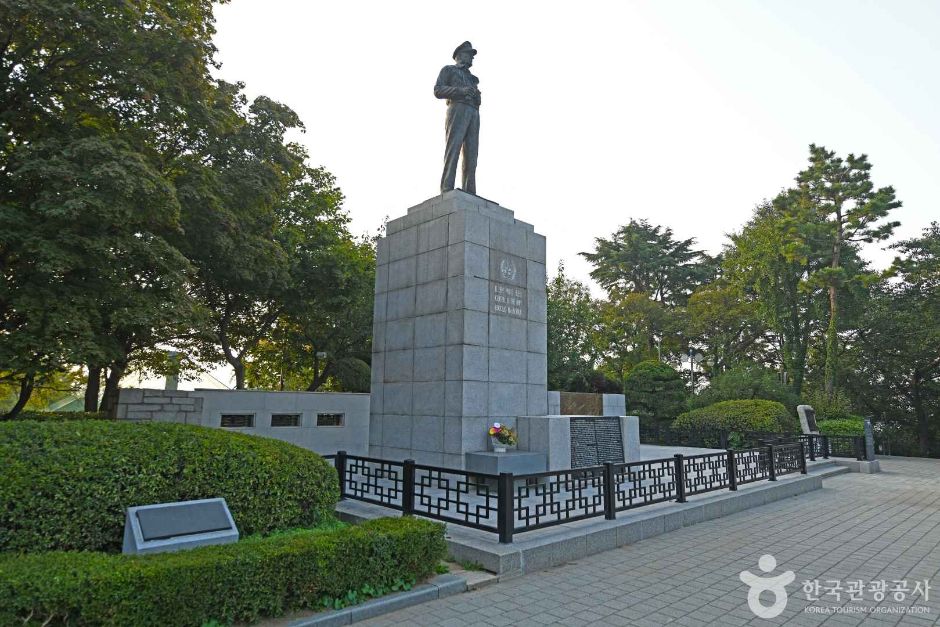
Jayu Park is the first Western-style park in Korea, built five years after the opening of Incheon Port. The location is perfect for a nice stroll as it is located high above sea level with spacious areas and a thick forest. At top of the park is the Korea-U.S.A. Centennial Monument built in 1982 to commemorate the 100th anniversary of the treaty of peace, commerce and navigation between Korean and the US. Within the park, visitors can enjoy a small zoo, a pagoda, benches and other rest areas. A statue of General MacArthur stands in the park as a memorial of the general's feat of Operation Chromite during the Korean War. Every April, a cherry blossom festival is held as the cherry blossoms fill the park, attracting many visitors. The panoramic view of the city is breathtaking with nightscape especially popular for couples. There are many attractions nearby for visitors to enjoy food and history.
 English
 한국어
한국어 日本語
日本語 中文(简体)
 Deutsch
 Français
 Español
 Русский


