Saemangeum (새만금)
16.0Km 2025-10-23
6 Saemangeum-ro, Byeonsan-myeon, Buan-gun, Jeonbuk-do
+82-63-584-6822
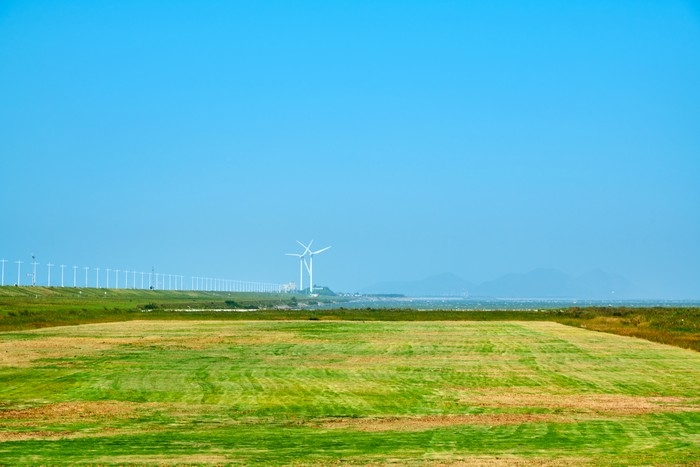
Saemangeum is an area created by the reclamation project to build a sea wall connecting Gunsan and Buan. After 20 years of construction, the Saemangeum Seawall was completed in 2010. Stunning sunsets can be seen from the dike, and various facilities such as campgrounds and the Saemangeum Project Office are well prepared for visitors experience. It is also known as a filming location for BTS's music videos.

Saemangeum Promotion Hall (새만금홍보관)
16.1Km 2025-11-05
6 Saemangeum-ro, Byeonsan-myeon, Buan-gun, Jeonbuk-do
Enjoy the panoramic view of Saemangeum
This is a PR center to commemorate the Saemangeum Project, which took 19 years to complete. It is a place that encompasses the past, present, and vision of Saemangeum. The inside is much larger and larger than it looks from the outside, and there are so many things to see. When you go up to the observatory on the 3rd floor, the magnificent panoramic view of Saemangeum spreads out in front of you, and you can observe distances beyond your reach with a telescope. Outside the Promotion Hall, there is a monument where BTS' music video is played. There is an endless stream of visitors sitting here and taking commemorative photos.

Byeonsan Oncheon Sanjang (변산온천산장)
16.3Km 2025-10-23
83-6 Mukjeong-gil Byeonsan-myeon, Buan-gun, Jeollabuk-do
+82-63-584-4874
Byeonsanbando, surrounded by the sea on three sides, is home to a lot of food using shellfish. Among them, it is the original house that first developed clam porridge, which is considered the most distinctive menu. If you add glasswort salt and sesame seeds to the unique savory taste of clams that harmonize with any other ingredients, it becomes a savory porridge that fills our stomachs. Sweet and sour seasoned Raw Clam Salad and Clam Vegetable Pancake are also prepared.
Byeonsanbando National Park (변산반도국립공원)
16.8Km 2024-04-07
11, Bangpaje-gil, Byeonsan-myeon, Buan-gun, Jeonbuk-do
+82+63-582-7808
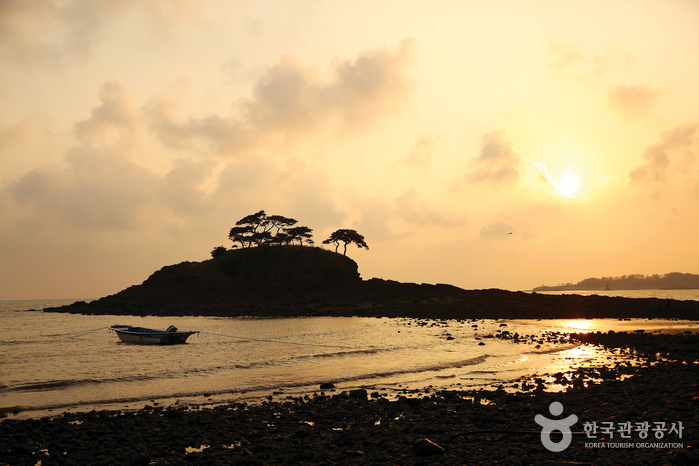
Designated as a national park in 1988, Byeonsanbando National Park is the only national park in the country that consists of both the ocean and the mountains. The park is divided into two large sections: the shore area, called Outer Byeonsan, and an inland area called Inner Byeonsan. It has mountain peaks made up of unique rock formation, such as Uisanbong Peak (508 meters), Chaeseokgang Cliff, and Jeokbyeokgang Cliffs. Nearby Gyeokpo Port and Naesosa Temple are all worth exploring, enriching the experience of the area. It's also well known for having the latest sunset in the country with stunning panoramic views.
Jiksopokpo Falls - Jeonbuk National Geopark (직소폭포 (전북 서해안권 국가지질공원))
16.8Km 2025-03-15
62, Silsang-gil, Buan-gun, Jeonbuk-do
+82-63-580-4331
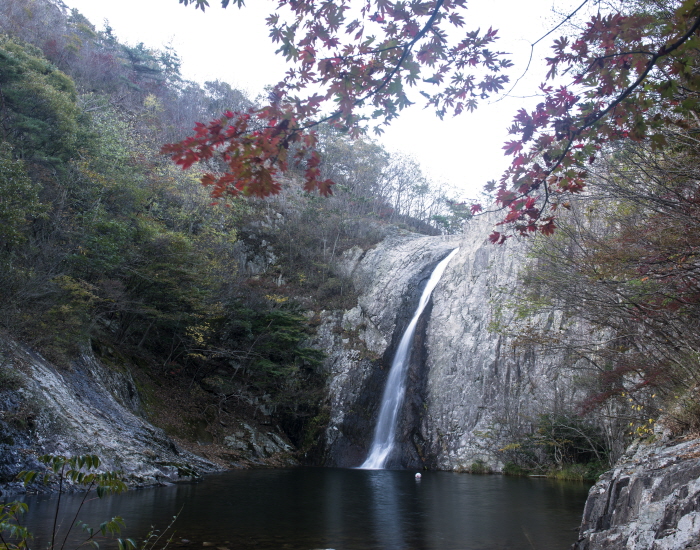
Jiksopokpo Falls is located within Bongnaegugok Valley. The waterfall is the largest in Byeonsanbando National Park, thundering down 30 meters. The waterfall can be reached by a hiking trail starting at Naesosa Temple. Known as one of the most beautiful sights in Byeonsanbando National Park, the waterfall is very popular with tourists.
Gomso Swimteo (곰소쉼터)
17.8Km 2024-04-07
1086 Cheongja-ro, Jinseo-myeon, Buan-gun, Jeonbuk-do
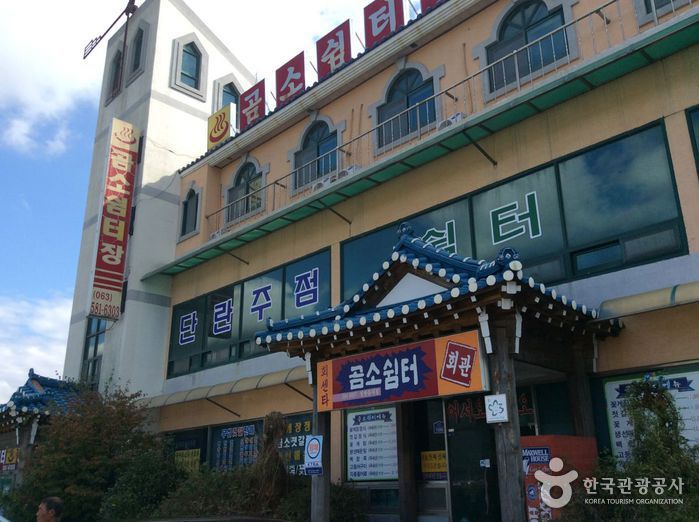
Gomso Swimteo is a restaurant located next to the Gomso Salt Farm, which produces sea salt. The signature dish is the jeotgal jeongsik (salted seafood set menu), featuring nine varieties of salted seafood served with soybean paste jjigae. Customers can also enjoy unlimited refills of salted seafood, similar to a buffet style. Gomso's salted seafood is renowned for its excellent taste, as it is made by marinating freshly caught seafood in Gomso sea salt for over a year.
Buan Naesosa Temple (내소사 (부안))
18.0Km 2025-12-16
191 Naesosa-ro, Jinseo-myeon, Buan-gun, Jeollabuk-do (Naesosa Ticket Booth)
+82- 63-583-7281
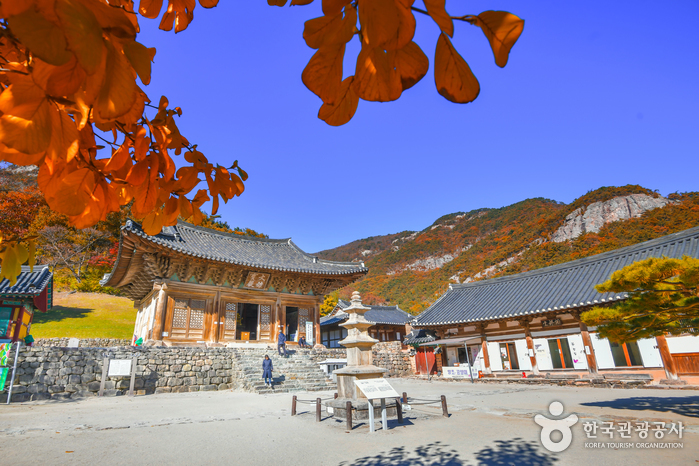
Naesosa Temple was built by Buddhist Monk Hye-Gu in 633 during the Baekje dynasty and was rebuilt by Monk Cheong-Min in 1633 during the Joseon dynasty. The Daeungbojeon Hall was built at this time. In 1986, the temple area was designated as a culturally protected area.
On both sides of the main gate are large fir trees, which also line the path into the temple. Upon reaching the temple itself, the first thing that draws attention is the 1000-year-old Dangsan tree. Long ago, people used the base of the tree as a site of prayer.
Housed in Beomjonggak is a bronze bell that can be found in many Buddhist temples. This particular bell was made during the Goryeo era and is engraved with three images of Buddha, called Samjonsang. The center building of the temple, called Daeungbojeon Hall is also an artistic masterpiece, decorated with splendid colors and designs. The flower Salmun doors featuring lotus and chrysanthemum flowers add another element of traditional beauty to the building.
◎ Travel Information to Discover Hallyu’s Charm - K-Drama "Dae Jang Geum (2003)"
Viewers who enjoyed the timeless classic "Dae Jang Geum (Jewel in the Palace)" might remember the scene where Jang-geum throws stones into a pond with Min Jeong-ho watching from afar. That memorable scene was filmed at the pond within the Naesosa Temple complex. The tranquil temple atmosphere and the beautiful surroundings came together to deepen the emotional resonance of the drama.
European Village Engelberg (유럽마을 엥겔베르그 )
18.4Km 2025-01-20
503 Chungjeong-ro, Jeongeup-si, Jeonbuk-do
European Village Engelberg is a village-style resort that consists of a senior townhome and a wellness resort. All buildings are built with wood and inspired by European-style architectural design. Derived from a village in Swizterland, the name means "Angel's Mountain," and the European Village Edenberg overall demonstrates a striking resemblance to cities and villages in Switzerland or southern Germany.
Gimje Munsusa Temple (문수사(김제))
18.4Km 2024-04-07
158, Hwangsan 5-gil, Gimje-si, Jeonbuk-do
+82-63-547-0972
Munsusa Temple, located in Hwangsan-dong, Gimje, is a branch temple of Geumsansa Temple. The temple is located in the heart of nature atop Bonghwangsan Mountain (alt. 100 meters), which is surrounded by the seemingly endless Mangyeong Plains. The temple was built by the great monk Hyedeok Seonsa in the 25th year of King Mu of Baekje after he was visited in his dreams by Munsu Bosal (a Buddhist Saint). The temple was named ‘Munsu’ after ‘Munsugol,’ the original name of the neighborhood in which the temple is located.
In front of the temple stands an ancient zelkova tree whose giant girth measures well over 5 meters. The tree, which is called gwimok (meaning holy, miraculous tree), was recently designated a specially protected tree and is now the focus of preservation efforts. Every January 14th (according to the lunar calendar), local lovernment of Gimje holds a sacred ritual for the tree while the temple holds a ritual to honor the mountain spirit.
Gimje Seongmoam Hermitage (성모암(김제))
18.7Km 2024-04-07
54-9, Hwapo3-gil, Gimje-si, Jeonbuk-do
+82-63-544-0416
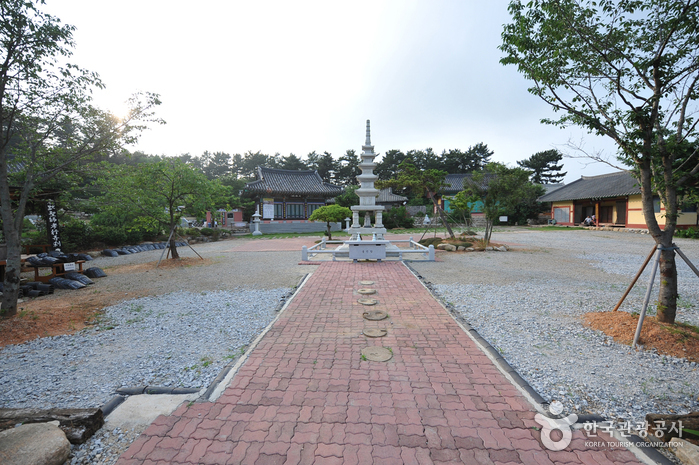
Seongmoam Hermitage, a temple of the Jogye Order, is located on Yuangsan Mountain in Mangyeong-myeon, Gimje-si. The temple is the final resting place of the mother of Jinmuk Daesa, a great Buddhist monk from the Jeonbuk region. Jinmuk believed that a person’s love and respect for Buddha is not that much different from the love and respect one has for his or her parents. As an expression of this philosophy, Jinmuk had his mother’s remains enshrined at the temple after she died at Mujasoncheonnyeonhyanghwajiji.
A neat little line of stone lamps leads visitors up from the parking lot to the temple grounds, revealing the well-attended grave of Jinmuk Daesa’s mother to the left. The temple is very unique in that it is the only one to house a caretaker’s office (Gosiraejoen Hall) that is responsible for maintaining the grave site.
It is said that prayers made to Seongmo (the holy mother) while visiting the temple will come true. Throughout the year, throngs of people journey to the temple to pay their respects and earnestly ask the holy mother to grant them their deepest desires.
 English
 한국어
한국어 日本語
日本語 中文(简体)
 Deutsch
 Français
 Español
 Русский


