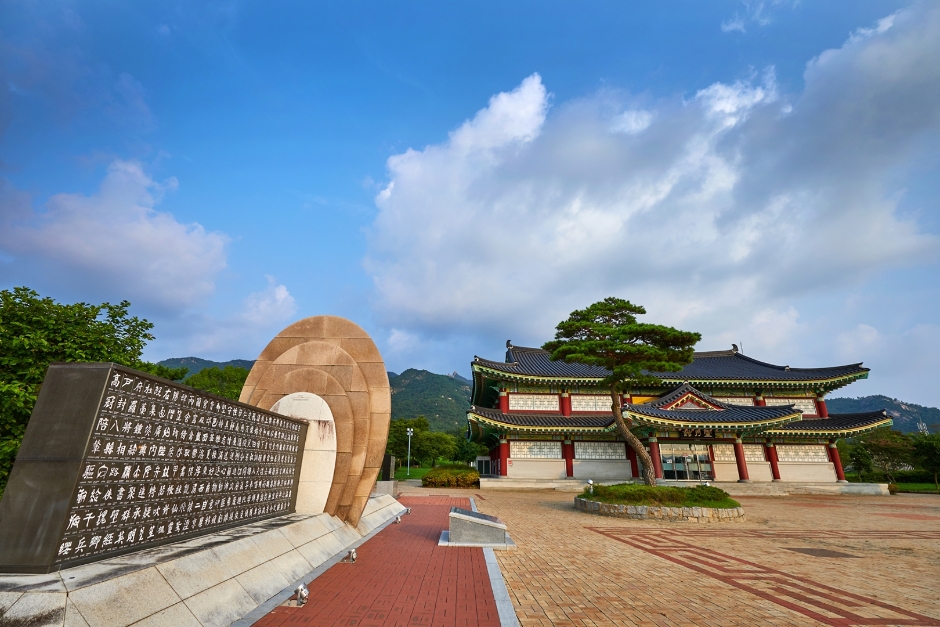
Historical Site of Wangin (왕인박사 유적지)
18.1Km 2024-01-10
440 Wangin-ro, Yeongam-gun, Jeollanam-do
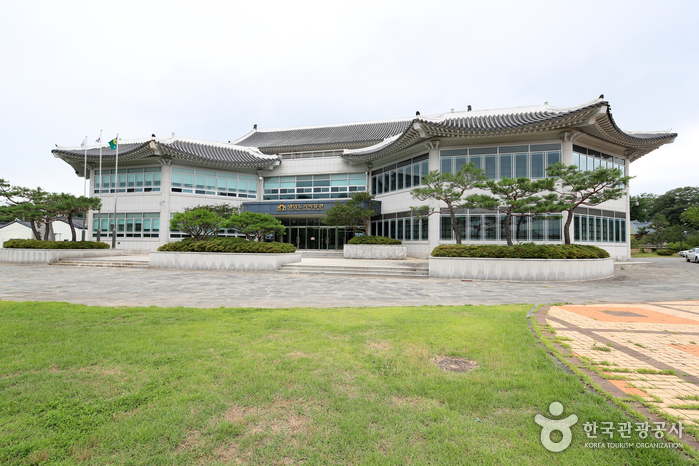
The hometown of Wangin Baksa (Wangin the Great Scholar) is located at the foot of Munpilbong Peak to the east of Gurim Village. Due to Wangin’s importance and contributions to Korean history, this historical attraction is preserved and maintained in honor of his memory and achievements.
Seonggidong is the official birthplace of Wangin (marked by the Yuheobi memorial monument) and is also home to Seongcheon, the well Wangin is believed to have drunk from. Halfway up Wolchulsan Mountain are Chaekgul, Munsanjae and Yangsajae where Wangin is said to have studied as well as nurtured local pupils. To commemorate the significance of these areas, a memorial is held every March at Munsanjae and Yansanjae.
In front of Chaekgul is a statue of Wangin which is said to symbolize his benevolent character. Just west of Seonggidong is Doljeonggogae, a hill from which it is believed Wangin made a sorrowful look back at his countrymen before leaving for Japan.
Wangin departed for Japan from Sangdaepo, which at the time was an international trading port. The renowned Baekje scholar was beginning his journey at the request of Japanese Emperor Eungshin. He took with him ten books on the Analects of Confucius and a book of Cheonjamun, a text of one thousand Chinese characters. Over time, he earned the trust of the emperor and became instructor to the crown prince. Wangin is well-known for his part in the development of Japanese culture and his name appears often in Japanese history. Wangin educated beyond textbooks and made great contributions to the development of arts, crafts and music and is revered as the originator of Japan’s Asuka culture.
This historic site was originally reconstructed from 1985 to 1987 and is continually receiving improvements to improve accessibility for visitors.
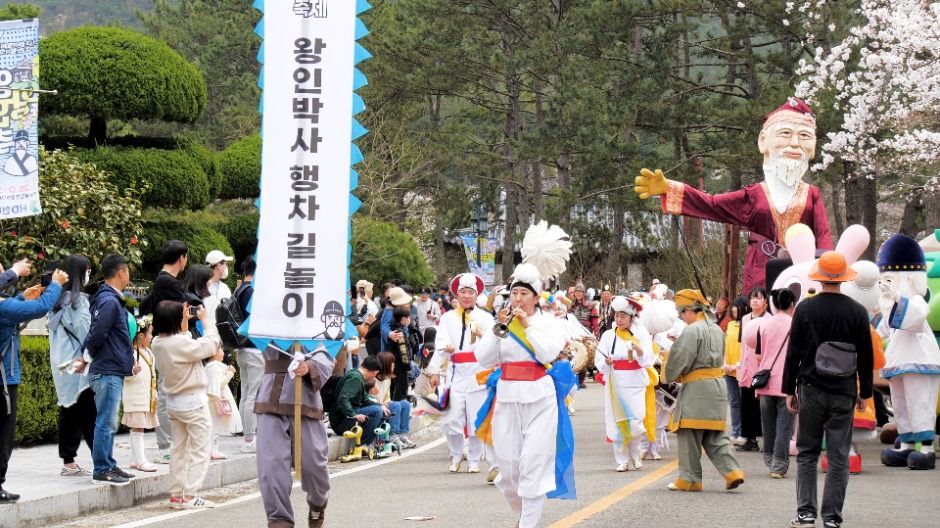
Yeongam Wangin Culture Festival (영암왕인문화축제)
18.5Km 2025-07-11
440 Wangin-ro, Yeongam-gun, Jeollanam-do
+82-61-470-2347
The Yeongam Wangin Culture Festival is a local event held to honor the birth of the Baekje scholar Wangin and his achievements. The festival’s main event is the parade. With the dance troupe leading the procession, the Pungmul troupe and Yeongam-gun residents follow in the dance, playing musical instruments and waving flags. The parade takes visitors to historical sites where traces of the scholar remain. The festival reinterprets Wangin’s humanistic values through modern perspectives, featuring major content utilizing letters and typography. It also highlights the craftsmen (ceramics, tile, and Buddhist artisans) who, along with Wangin, influenced the Asuka culture in Japan. The festival is praised for showcasing the social, political, and economic changes in Japan initiated by Wangin’s visit to Japan, making it one of Korea’s prominent humanities festivals.
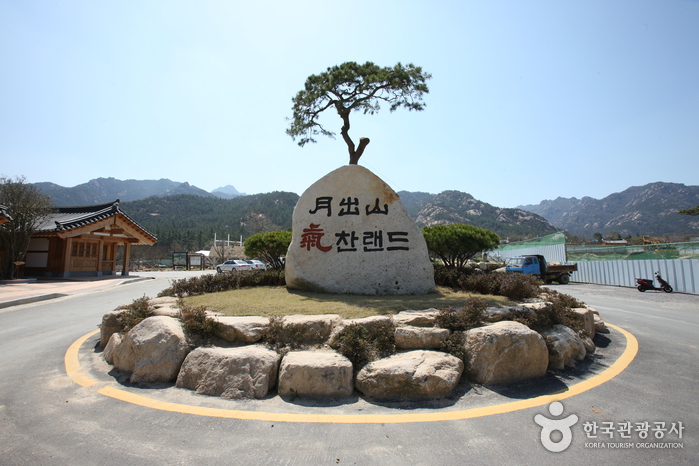
Wolchulsan Gichan Land (월출산 기찬랜드)
18.7Km 2025-01-17
19-3, Gichan land-ro, Yeongam-gun, Jeollanam-do
+82-61-471-8500
Wolchulsan Gichan Land is set in the clean valley and fresh air at the foot of Cheonhwangbong Peak of Wolchulsan Mountain. Many famous people come from the area, including Kim Changjo who created folklore music, Nangsan Kim Junyeon, a member of the Consituent Assembly, Admiral Kang Kicheon, Jo Hunhyeon, King of Baduk game and others. Gichan Land houses Gayageum Theme Park to offer folk culture as well as nature-pool, spirit health center, pension, physical facilities, well-being prayer road, and others. Wolchulsan Well-being Prayer Road features a health road to experience water, forest, and rocks on the road to Wolchulsan Mountain.
The 1.1 kilometer long Wolchulsan Well-being Prayer Road stretches from Gichan-gil Walking path to Ki Sports Park and Sowon-ro. The path is decorated with more than 30 years of pine trees, eco-friendly wooden bridge, and a resting area. Wolchulsan Pray Road stretches from the entrance of Cheonhwangsaji and Ki Sports Park to Gichan Land (4km) plus the 3 kilometer-road from Historic Site of Wang In to the entrance of Dogapsa Temple.
Wolchulsan National Park features breathtaking scenery, plentiful cultural resources and folklore atmosphere of the Southern area. The mountain was formed as a residual hill of the Sobaek Mountain Range going into the Mokpo sea and meets the projecting rocks. The whole area is centered around Cheonwangbong Peak (809m) and is surrounded by uniquely-formed rocks and cliffs.
The area is the birth place of Wangin (Baekje) and Doseon Guksa (Late Silla). Various cultural assets are also located here, including Gengnakjeon Hall and Rock-carved Seated Buddha in Muwisa Temple in south side and Dogapsa Temple in west side based on Cheonwangbong Peak.
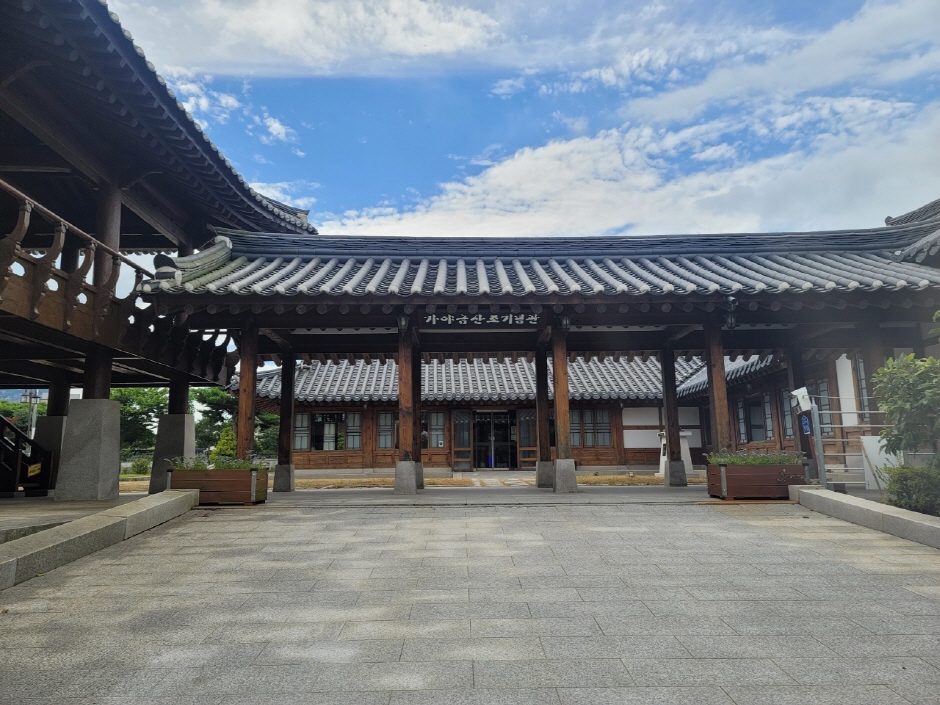
Gayageum Theme Park (가야금테마공원)
18.7Km 2024-01-10
19-10 Gichan land-ro, Yeongam-eup, Yeongam-gun, Jeollanam-do
Opened in 2014, Gayageum Theme Park is the only gayageum-themed park in Korea. Various relics and materials related to the gayageum, a representative Korean traditional stringed instrument consisting of 12 strings, are displayed through which visitors have the opportunity to learn about this unique instrument. In addition to the 12-string gayageum, the improved ones, with 18 strings, 21 strings, and 25 strings, are also on display and the only ox-horn gayageum in Korea made of ox horns and pure gold is particularly worth observing. A bust of Kim Chang-jo born in Yeongam, who created the framework of Gayageum Sanjo (a free-style gayageum solo music), is also on display. In the listening room, visitors can appreciate beautiful music played by gayageum masters.
Yeongam Pottery Museum (영암도기박물관)
19.3Km 2025-01-09
5, Seohojeong-gil, Yeongam-gun, Jeollanam-do
+82-61-470-6851
Yeongam Pottery Museum is dedicated to promoting the history of pottery in Korea, starting from the oldest known pottery coming from Gurim Village. Visitors can learn about the history of this art form through exhibitions, educational programs, and hands-on experiences. Locally produced pottery is also available for sale. Nearby attractions include the Wangin Historic Site and Ha Jung-woong Museum of Art.

Jangsupungdengi Village (장수풍뎅이마을)
19.5Km 2025-01-10
Banwol-ri, Yuchi-myeon, Jangheung-gun, Jeollanam-do
+82-10-3110-6145
Located in the far upstream of Jangheung Dam, Jangsupungdengi Village preserves the natural environment. The village has a shiitake mushroom center, eco experience center, and beetle farming field where children and teenage students may visit and learn about the nature and its eco system. The village is also open to the general public for quality time in nature.
Jeamsan Recreational Forest (제암산자연휴양림)
19.8Km 2021-07-02
330, Daesan-gil, Boseong-gun, Jeollanam-do
+82-61-852-4434
Jeamsan Mountain is beautiful throughout the year with royal azaleas in spring, cool water in summer, silver grass in fall, and a snow-covered mountain in winter. The mountain attracts over 100,000 visitors during vacation periods with Yongchugyegok Valley nearby. Just over the mountain is the ocean with Yulpo Beach where visitors can enjoy after relaxing at Jeamsan Recreational Forest.
 English
 한국어
한국어 日本語
日本語 中文(简体)
 Deutsch
 Français
 Español
 Русский


