
BF Life Sciences Co., Ltd ((주) 비에프생명과학)
16.4Km 2025-10-23
(#1, 5th Floor), 10 Nonhyeon-ro 163-gil, Gangnam-gu, Seoul
BF Life Sciences is a leading company in the international medical cooperation business, specializing in hospital management support, advanced medical services, and research and development. We are at the forefront of next-generation biotechnology, including advanced genome decoding technology and stem cell research, driving innovation in the development of medical devices, pharmaceuticals, cosmetics, and health supplements. Additionally, BF Life Sciences is a global healthcare group providing customized theranostics through collaborations with both domestic and international medical institutions.
Leveraging our expertise in hospital management, we operates overseas branches and hospitals, leading the export of medical services and devices while also conducting various educational programs. BF Life Sciences is registered and licensed with agencies such as the Korea Trade-Investment Promotion Agency (KOTRA), the Ministry of Health and Welfare, and the Korea Food and Drug Administration, ensuring transparent business practices.
![CheongKwanJang - Dongdaemun Market Branch [Tax Refund Shop] (정관장 동대문시장)](http://tong.visitkorea.or.kr/cms/resource/33/2878233_image2_1.jpg)
CheongKwanJang - Dongdaemun Market Branch [Tax Refund Shop] (정관장 동대문시장)
16.4Km 2024-04-19
252, Jong-ro, Jongno-gu, Seoul
-
![Motion - apM Branch [Tax Refund Shop] (모션 APM)](http://tong.visitkorea.or.kr/cms/resource/52/2889352_image2_1.jpg)
Motion - apM Branch [Tax Refund Shop] (모션 APM)
16.4Km 2024-04-23
4F, #155, to #157, 253, Jangchungdan-ro, Jung-gu, Seoul
-
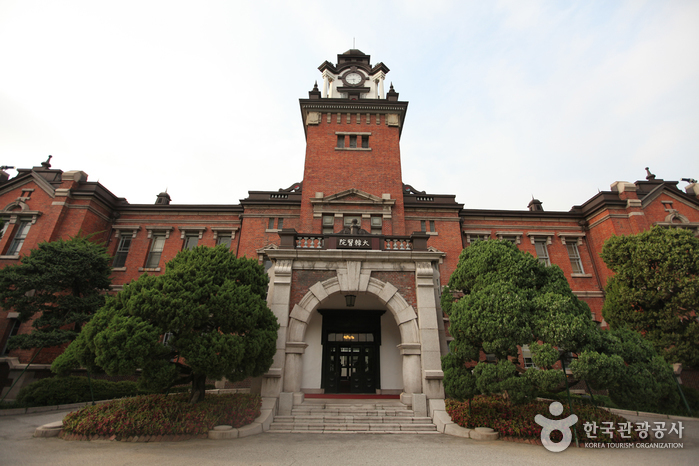
The Museum of Medicine (서울대학교병원의학박물관)
16.4Km 2024-03-18
101 Daehak-ro, Jongno-gu, Seoul
The Museum of Medicine is located in the building of the former Daehan Medical Center, the oldest modern hospital in Korea. It is a medical museum that provides a comprehensive view of the development of modern medicine in Korea, the history of medical devices, and the transformation of Seoul National University Hospital. Through permanent and special exhibitions, the museum showcases medical artifacts and documents related to the history of medicine.
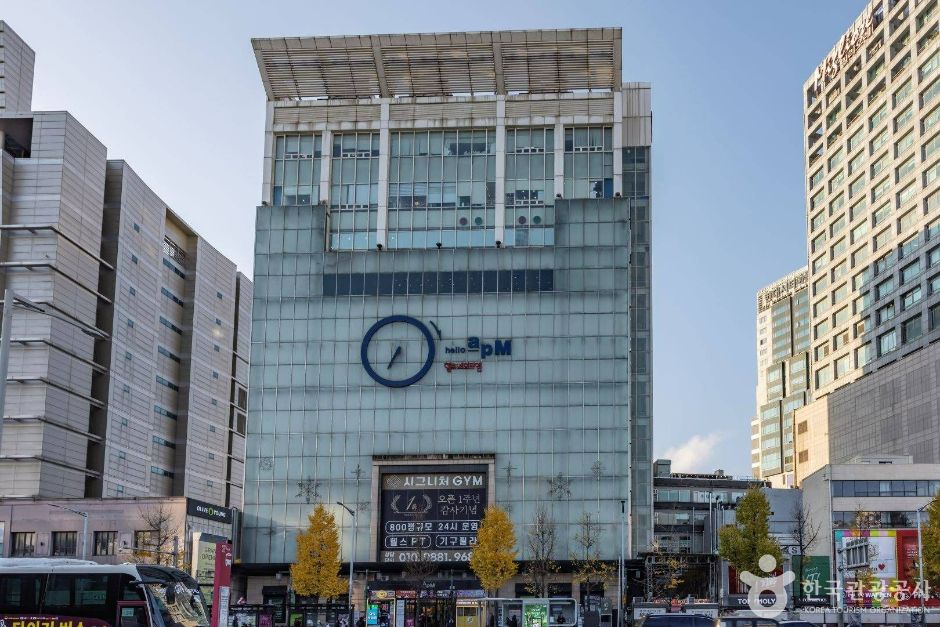
Hello apM (헬로에이피엠)
16.4Km 2025-05-13
253 Jangchungdan-ro, Jung-gu, Seoul
+82-2-6388-1114
Hello apM is located within the Dongdaemun shopping district and appeals to customers in their 10s and 20s for it's latest trending styles and low prices. It is crowded year-round with young people from all over the world. Bargaining has faded out over recent years with prices more often indicated.
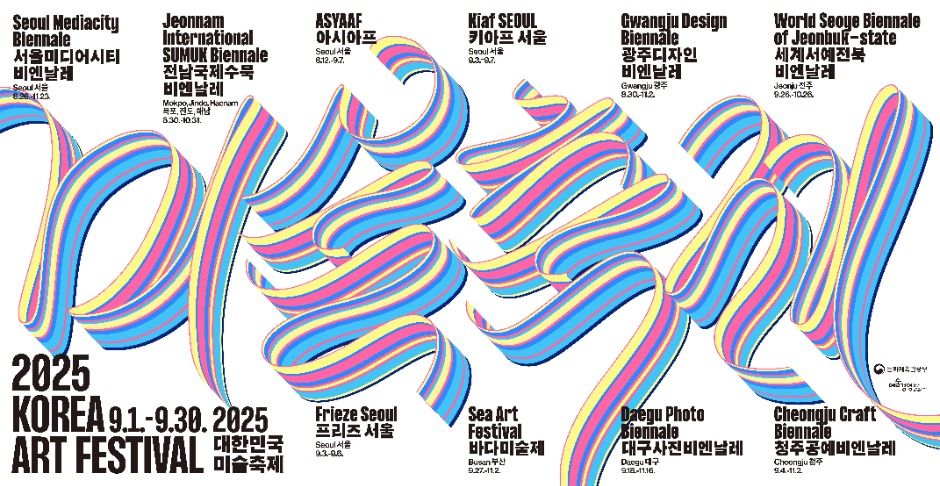
Korea Art Festival (대한민국 미술축제)
16.4Km 2025-07-31
57 Daehak-ro, Jongno-gu, Seoul
+82-70-7575-0980
Korea Art Festival is the nation's largest art festival that connects the 12 major art fairs and biennales taking place nationwide. The 2025 festival takes place in September, inviting visitors to enjoy the world of art.
DM Plastic Surgery (디엠성형외과)
16.4Km 2025-12-09
(2nd Floor), 158 Apgujeong-ro, Gangnam-gu, Seoul
DM Plastic Surgery is a clinic run by a doctor from Yonsei University College of Medicine, the first university in Korea to establish a plastic surgery department.
As a former professor of plastic surgery at Severance Hospital of Yonsei University College of Medicine for 16 years and a board member of the Korean Society of Plastic and Reconstructive Surgeons, the chief director of DM is always striving to be a model in the medical industry. We promise to spare no effort, guided by the tenet of diligence and sincerity, to advance plastic surgery technology in Korea and to fulfill our responsibilities as plastic surgeons.
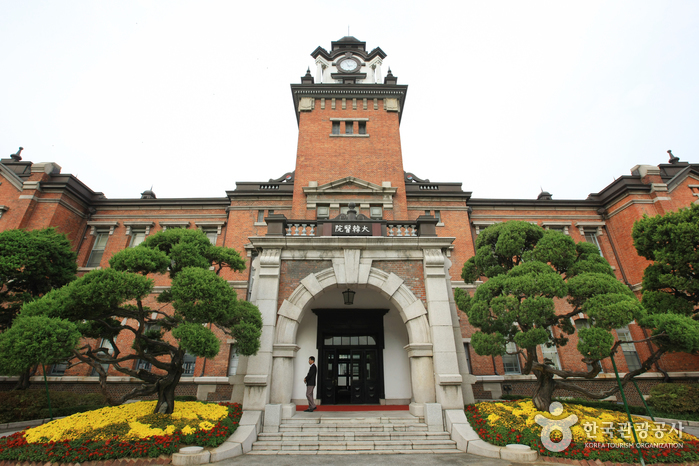
Seoul Daehan Hospital (서울 대한의원)
16.4Km 2021-12-23
101, Daehak-ro, Jongno-gu, Seoul
+82-2-2148-1842
Daehanuiwon (Daehan Medical Center) is an antique two-story brick building within the grounds of Seoul National University Hospital. It was established under the direct administration of the Uijeongbu (State Council), combining the Gwangjewon (under the Home Ministry), Gyeongseong Medical School and the Korean Red Cross Hospital (under the Royal Household).
Built in the Madubong Hill area, this location where Hamchunwon, the outer garden of Changgyeonggung Palace, once stood in 1484 (15th year of King Seongjong), was also once the site of Gyeongmogung Palace, where King Jeongjo enshrined the mortuary tablet of his birth father Crown Prince Sado Seja in 1776 (the year King Jeongjo ascended to the throne).
These places that held importance for the royal family were destroyed as the Japanese built Gyeongseong Empire University in its place. In 1907, with the announcement of the plan to establish Daehan Medical Center, construction began on the main building, seven wards and affiliated buildings. Construction was completed in November 1908.
The Daehan Medical Center opened in Gwangjewon, but upon Japanese colonization in 1910, its name was changed to the Japanese Viceroyalty Hospital. In 1926, it was included as a part of Gyeongseongjeguk University to become a university hospital. Since the liberation of Korea in 1945, it has been a hospital affiliated with Seoul National University.
Mediwin Co., Ltd. (주식회사 메디윈)
16.4Km 2025-10-23
(#1111, Korea Business Center), 309 Gangnam-daero, Seocho-gu, Seoul
Mediwin has worked with the best hospitals in Korea to promote medical tourism and international patients.
For severe international patients, we collaborate with Asan Medical Center and Seoul St. Mary's Hospital, and we serve patients through all specialties: ophthalmology, plastic surgery, dermatology, dentistry, internal medicine, and medical checkups, etc.
We always strive to help Mongolian patients choose the right hospital for their conditions and secure the best medical care.
We founded the company to promulgate Korea's medical excellence across the world.
We offer medical and general tourism services and have extensive experience serving Mongolian visitors.
We hope you will find the best medical experience at Mediwin, Co., Ltd. Thank you.
JK Plastic Surgery Center (제이케이성형외과의원)
16.4Km 2025-10-23
(JK Building), 835 Nonhyeon-ro, Gangnam-gu, Seoul
JK Plastic Surgery Center is the first hospital in Korea certified to serve international patients. (*permit number 0001).
and have treatment of foreign patients from 110+ countries, with more than 100,000 Cases.
We have Differentiated medical services and safety systems, resident of anesthesiologists.
Also, JK Plastic Surgery Center is the first and only Korean Plastic Surgery Center for Health and Welfare Ministry certified with 4 consecutive cycles of KHAF.
 English
 한국어
한국어 日本語
日本語 中文(简体)
 Deutsch
 Français
 Español
 Русский


