
Seoul Hyochang Park (서울 효창공원)
10.5Km 2024-07-09
177-18 Hyochangwon-ro, Yongsan-gu, Seoul
+82-2-2199-7608
Hyochang Park covers 122,245 square meters spanning across Hyochang-dong and Cheongpa 2-dong. It is a historic landmark that once contained several royal tombs, and was known at that time as Hyochangwon. The cemeteries that were originally located in Hyochangwon belonged to Crown Prince Munhyo, King Jeongjo’s first son who died at the age of five; Royal Noble Consort Uibin of the Seong Clan, King Jeongjo’s royal concubine and Crown Prince Munhyo’s mother; Royal Noble Consort Sugui of the Park Clan, King Sunjo’s royal concubine; and her daughter Princess Yeongon. The royal tombs were moved to Seooreung Tombs in the waning months of the Japanese colonial period. The Japanese empire began the development of Hyochangwon into a park in 1924, and the Japanese governor-general officially assigned the site as a park in 1940.
Presently, several of Korea’s greatest leaders are buried in Hyochang Park. The remains mostly belong to independence activists including Yoon Bong-gil, Lee Bong-chang, and Baek Jeong-gi, whose graves are collectively known as Samuisa Tomb. A statue of Lee Bong-chang has been built in the graveyard. Among the other patriotic martyrs who are interred in the park are Kim Gu and some of the key figures of the provisional government such as Lee Dong-nyeong, Cha I-seok, and Cho Seong-hwan. An ancestral shrine named Uiyeolsa has been built along the main gate and holds the portraits of the deceased independence activists.
![Himart - Sangdo Branch [Tax Refund Shop] (하이마트 상도점)](http://tong.visitkorea.or.kr/cms/resource/19/2880019_image2_1.jpg)
Himart - Sangdo Branch [Tax Refund Shop] (하이마트 상도점)
10.5Km 2024-04-22
237, Sangdo-ro, Dongjak-gu, Seoul
-
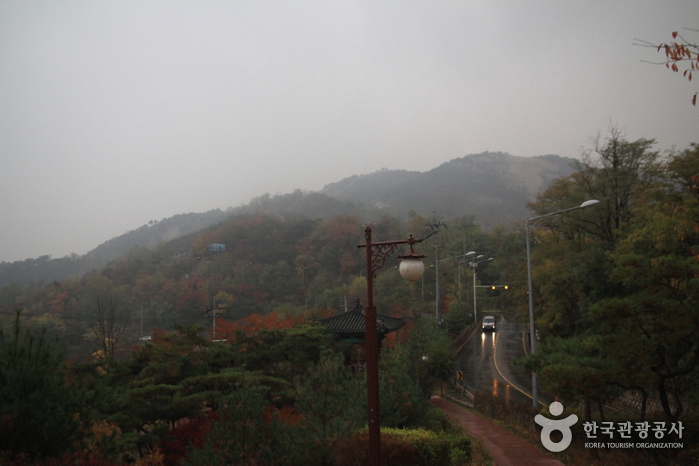
Inwangsan Mountain (인왕산)
10.5Km 2024-03-04
San 2-1, Muak-dong, Jongno-gu, Seoul
+82-2-2148-2834
Inwangsan Mountain is a rocky mountain located to the northwestern side of Seoul. It stands 338m tall. The Seoul City Wall is built along its ridge, connecting to the Baegak Mountain Trail. From the summit, one can see the three mountains of Naksan Mountain, Namsan Mountain, and the Bugaksan Mountain surrounding the historical center of Hanyang, the historical name for Seoul in Joseon period, with the Gyeongbokgung Palace at the center. There are five hiking trails, all taking about two hours to complete. It takes about three hours if you want to visit all the peaks of the mountain.
![Muji - BELLA CITTA Branch [Tax Refund Shop] (MUJI 벨라시타)](http://tong.visitkorea.or.kr/cms/resource/94/2889494_image2_1.jpg)
Muji - BELLA CITTA Branch [Tax Refund Shop] (MUJI 벨라시타)
10.7Km 2024-04-22
1-2F (Ilsan Bella Citta, Baekseok-dong), 33, Gangsong-ro, Ilsandong-gu, Goyang-si, Gyeonggi-do
-
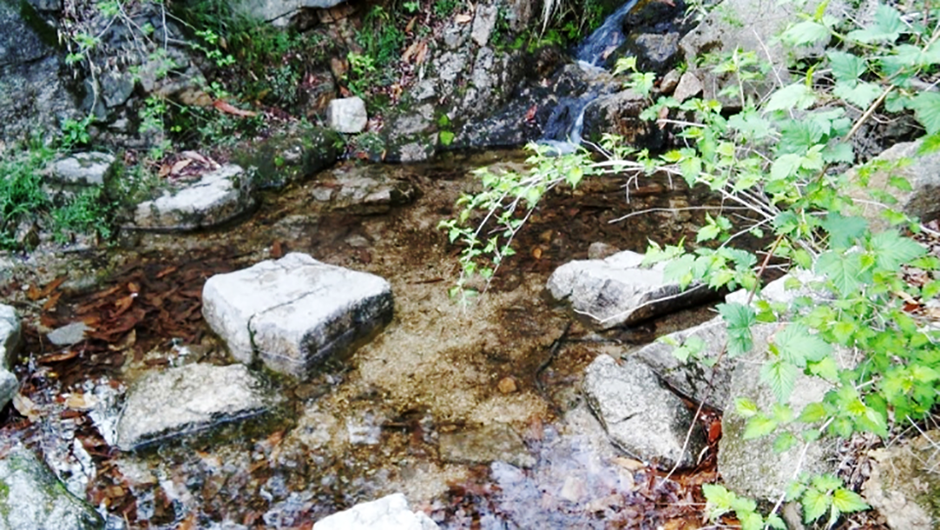
Suseongdonggyegok Valley (수성동계곡)
10.7Km 2023-08-17
185-3, Ogin-dong, Jongno-gu, Seoul 서울특별시 종로구 옥인동
Suseong-dong Valley's stream runs down from Inwangsan Mountain and joins Cheonggyecheon Stream, and it is said that the name of the village was called Suseong-dong during the Joseon dynasty due to the loud and clear sound of the flowing water. It appears in the painting "Jangdong Palgyeongcheop," which is Jangdong Eight Scenic Views, that depicts the eight scenic views of Bugaksan Mountain and Inwangsan Mountain as well as in other historical books of the Joseon dynasty as a place of scenic beauty. The valley was so famous for its beauty, that Prince Anpyeong of the Joseon dynasty built his house "Bihaedang" to fully enjoy the view, and the valley and its stone bridge were designated as a cultural property of Seoul in 2010.
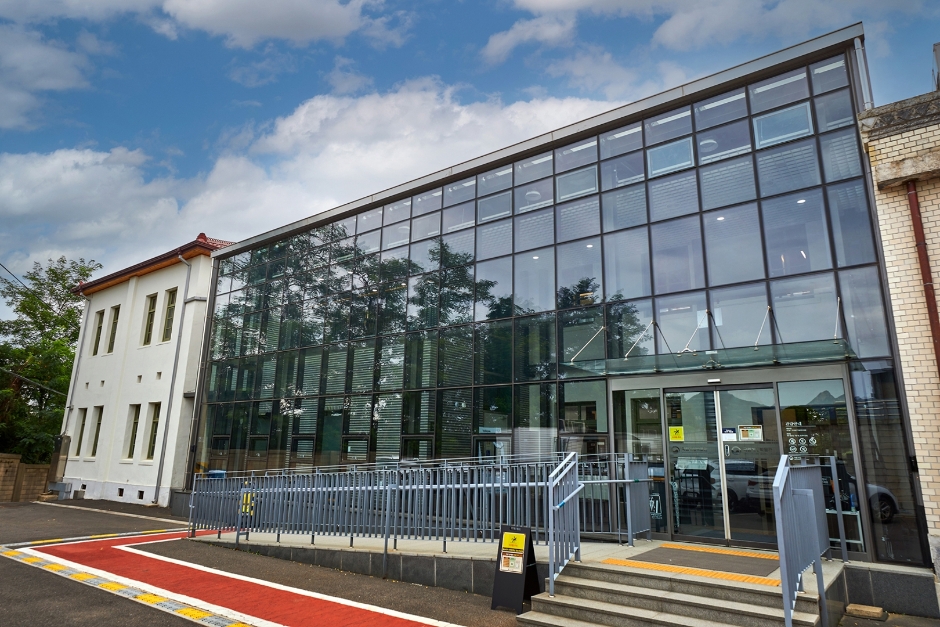
National Meteorological Museum of Korea (국립기상박물관)
10.7Km 2024-03-26
52 Songwol-gil, Jongno-gu, Seoul
A museum where one can look at Korea's meteorological observation history and technological development through exhibitions. The museum has the world's first rain gauge, invented in 1441, in the early Joseon dynasty. The museum operates approximately 350 meteorological observatories across Korea and focuses on promoting the uniqueness and excellence of Korea's meteorological science. There are permanent collections and special exhibitions. The permanent collections focus on the history of meteorological science in Korea. At the same time, the special exhibitions take a closer look at the history and information about meteorological science and natural disasters (e.g., earthquakes) that occurred in various regions of Korea. There are experience programs related to meteorological science, such as making a rain gauge or learning about rain gauges.
![Davich Optical - Geumcheon Branch [Tax Refund Shop] (다비치안경 금천)](http://tong.visitkorea.or.kr/cms/resource/39/2880439_image2_1.jpg)
Davich Optical - Geumcheon Branch [Tax Refund Shop] (다비치안경 금천)
10.7Km 2024-04-22
415, Siheung-daero, Geumcheon-gu, Seoul
-
SEVEN LUCK CASINO - Seoul Dragon City Branch (세븐럭카지노(서울드래곤시티점))
10.7Km 2023-07-21
95, Cheongpa-ro 20-gil, Yongsan-gu, Seoul
A special experience at the center of Seoul
Seven Luck Casino in Seoul Dragon City is located in Yongsan, Seoul, the center of Korean tradition and culture. This casino branch presents a grand x_height and wide space, decorated with a sensual interior design for elegance and comfort on a site of 3,146.96 m2. It is full of up-to-date casino facilities, such as Baccarat, Blackjack, Roulette, Tai-Sai, Seven Luck Poker, Casino War, Electronic Table Games (ETG), and slot machines. There are many famous hotels, tourist sites, and cultural heritage sites nearby Seven Luck Casino in Seoul Dragon City. Besides the casino, visitors can experience various traditional and contemporary cultures of South Korea.
* Seven Luck Casino is exclusively for the use of foreigners.
* Must be 19 years of age or older to enter.
* Passports are required to verify the age and nationality of patrons.
* Metal detectors are used as an added safety precaution.
![Cloche Jewelry - Yongsan Branch [Tax Refund Shop] (클로체 용산점)](http://tong.visitkorea.or.kr/cms/resource/80/2887780_image2_1.jpg)
Cloche Jewelry - Yongsan Branch [Tax Refund Shop] (클로체 용산점)
10.7Km 2024-04-16
95, Cheongpa-ro 20-gil, Yongsan-gu, Seoul
-
![Nepa - Lotte Goyang Terminal Branch [Tax Refund Shop] (네파 롯데고양터미널)](http://tong.visitkorea.or.kr/cms/resource/02/2880702_image2_1.jpg)
Nepa - Lotte Goyang Terminal Branch [Tax Refund Shop] (네파 롯데고양터미널)
10.7Km 2024-04-23
1036, Jungang-ro, Ilsandong-gu, Goyang-si, Gyeonggi-do
-
 English
 한국어
한국어 日本語
日本語 中文(简体)
 Deutsch
 Français
 Español
 Русский


