![Nature Republic - Gongdeok Station Branch [Tax Refund Shop] (네이처리퍼블릭 공덕역점)](http://tong.visitkorea.or.kr/cms/resource/92/2878392_image2_1.jpg)
Nature Republic - Gongdeok Station Branch [Tax Refund Shop] (네이처리퍼블릭 공덕역점)
12.4Km 2024-04-22
Store #626-138, B200 Baekbeom-ro, Mapo-gu, Seoul
-
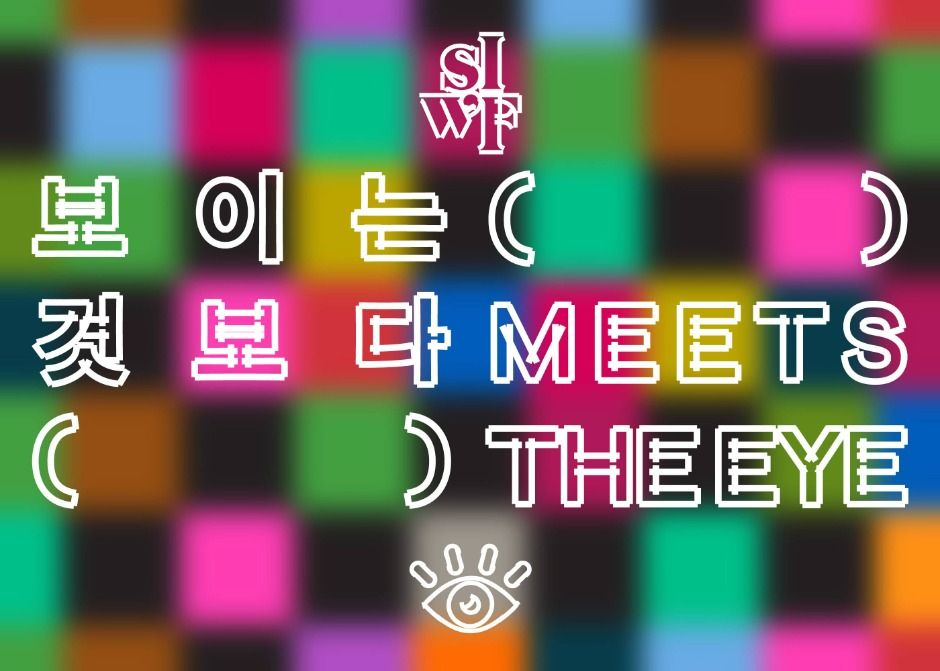
Seoul International Writers' Festival (서울국제작가축제)
12.4Km 2025-07-30
26 Insadong 9-gil, Jongno-gu, Seoul
+82-70-8826-5207
Seoul International Writers' Festival was founded in 2006 with aims to lay a foundation for connecting Korean literature and international literature. This year's theme is "() Meets the Eye," inviting attendees to explore the beauty of literature that is much more than meets the eye.

Toin (토인)
12.4Km 2025-11-05
48 Insadong-gil, Jongno-gu, Seoul
+82-2-736-5142
Toy store where you can buy Dalgona sets
It is a retro-style store that sells nostalgic toys and snacks. The small space is filled with colorfully colored wrapping paper and toys that are difficult to understand at first glance. As soon as you enter this place, children and adults will feel excited and their eyes will sparkle. Among the various products, the most popular item is by far the Dalgona set. It is good to make new memories by choosing snacks and toys that suit your taste

Jinju Hoegwan (진주회관)
12.4Km 2024-06-19
26 Sejong-daero 11-gil, Jung-gu, Seoul
+82-2-753-5388
Jinju Hoegwan is a renowned kongguksu (noodles in cold soybean soup) eatery near City Hall Station. Kongguksu is a traditional Korean summer dish made by boiling and grinding soybeans into a creamy broth, served with noodles, offering a refreshing and nutty flavor. Kongguksu is available from March to November. Their staff-recommended menu includes kimchi bokkeumbap (kimchi fried rice), freshly roasted by the staff, along with kimchi jjigae and samgyeopsal (pork belly).
Seoul Metropolitan Library (서울도서관)
12.4Km 2022-12-14
110, Sejong-daero, Jung-gu, Seoul
+82-2-2133-0300
Seoul Library provides access to a wide range of documents and materials about Seoul Metropolitan City. Visitors will find diverse resources related to the city including history, culture, urban planning, transportation, environmental issues, administration, reports on outbound visitors, research documents, video clips, and e-data.
Insa-dong Geujip (인사동그집)
12.4Km 2024-03-18
3 Insadong 12-gil, Jongno-gu, Seoul
+82-2-737-0575
Insa-dong Geujip is a hanok-style Korean restaurant located in a narrow alley in Insa-dong. Their signature dish, bulgogi yachaemari (bulgogi and vegetable roll), allows you to choose between stir-fried pork bulgogi, beef bulgogi, or chicken bulgogi. Visitors can enjoy the tangy and sweet flavor of the radish wrap filled with bulgogi and julienned vegetables, accompanied by side dishes and soybean paste stew. They also offer bulgogi nakji jeongol (bulgogi and octopus hot pot), cheolpan sogalbijjim (stir-fried marinated galbi on hot iron plate), and dolsot bibimbap (hot stone pot bibimbap) along with hahu yukhoe bibimbap (Korean beef tartare bibimbap).
![Olive Young - Mullae Branch [Tax Refund Shop] (올리브영 문래)](http://tong.visitkorea.or.kr/cms/resource/28/3314428_image2_1.jpg)
Olive Young - Mullae Branch [Tax Refund Shop] (올리브영 문래)
12.4Km 2024-06-27
63, Seonyu-ro, Yeongdeungpo-gu, Seoul
-
JaneDMCKorea (주)제인디엠씨코리아)
12.4Km 2025-10-23
(4th Floor), 51 Mallijae-ro, Mapo-gu, Seoul
Jane DMC Korea is an inbound travel agency and international patient recruitment organization established in 2006. Headquartered in Seoul, with branch offices in Busan, Indonesia, and India, the company develops and sells programs for international clients in 40 countries while also attracting international patients.
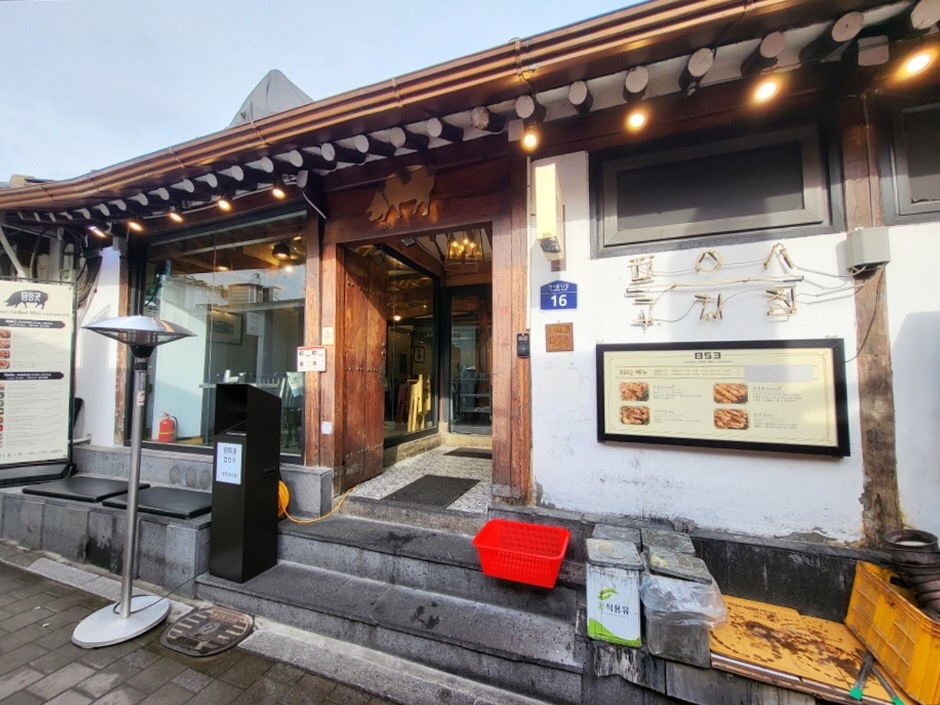
853 (팔오삼)
12.4Km 2024-03-15
16 Insadong 12-gil, Jongno-gu, Seoul
+82-70-8832-0853
853 is a pork barbecue restaurant located in a renovated hanokin Insa-dong, offering various cuts of pork such as shoulder, belly, blade-end fatback, and pork neck. They use thick cuts of domestically sourced pork and grill them to perfection, ensuring they are juicy and flavorful. Customers can enjoy dipping their meat in one of four sauces: Himalayan rock salt, mustard seeds and wasabi, salted cutlassfish intestines, and barley mixed paste. Their flying fish roe riceball mixed with pickled radish salad, burdock root, flying fish roe, perilla leaves, and mayonnaise pairs perfectly with the meat.
Seoul Plaza (서울광장)
12.4Km 2024-06-19
110 Sejong-daero, Jung-gu, Seoul
+82-2-2133-5640
Seoul Plaza in front of Seoul City Hall is a historic site where the March 1, 1919 (Samil) Independence Movement and the pro-democracy movement in June 1987 were held. It is also a well-known place where tens of thousands of Korean soccer fans gathered together to watch the 2002 World Cup Games. Being located within the center of the city and surrounded by many historic attractions, including Deoksugung Palace, Seoul Plaza has become a representative attraction of Seoul.
 English
 한국어
한국어 日本語
日本語 中文(简体)
 Deutsch
 Français
 Español
 Русский


