![Tandy - Lotte Suwan Branch [Tax Refund Shop] (탠디 롯데수완)](http://tong.visitkorea.or.kr/cms/resource/48/2886948_image2_1.jpg)
Tandy - Lotte Suwan Branch [Tax Refund Shop] (탠디 롯데수완)
10.2Km 2024-04-23
124, Singomae-ro, Giheung-gu, Yongin-si, Gyeonggi-do
-
![Fashion Gallery - Lotte Gwangju Suwan Branch [Tax Refund Shop] (패션갤러리 롯데 광주수완점)](http://tong.visitkorea.or.kr/cms/resource/56/2886956_image2_1.jpg)
Fashion Gallery - Lotte Gwangju Suwan Branch [Tax Refund Shop] (패션갤러리 롯데 광주수완점)
10.2Km 2024-04-18
98, Jangsin-ro, Gwangsan-gu, Gwangju
-
![Lotte Mart - Suwan Branch [Tax Refund Shop] (롯데마트 수완점)](http://tong.visitkorea.or.kr/cms/resource/39/2886939_image2_1.jpg)
Lotte Mart - Suwan Branch [Tax Refund Shop] (롯데마트 수완점)
10.2Km 2024-04-22
98, Jangsin-ro, Gwangsan-gu, Gwangju
-
![Himart - Suwan Branch [Tax Refund Shop] (하이마트 수완점)](http://tong.visitkorea.or.kr/cms/resource/35/2886935_image2_1.jpg)
Himart - Suwan Branch [Tax Refund Shop] (하이마트 수완점)
10.3Km 2024-04-16
91, Jangsin-ro, Gwangsan-gu, Gwangju
-
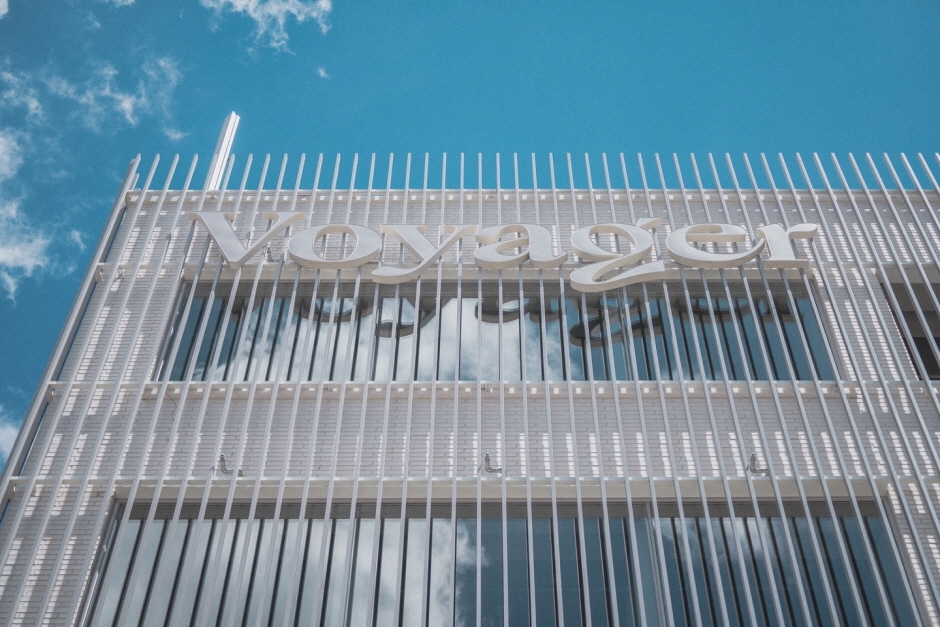
Syridan-gil Street (시리단길)
10.4Km 2025-08-12
19-20 Imbangul-daero 826beon-gil, Gwangsan-gu, Gwangju
Syridan-gil Street is a newer business district opened in the Cheomdan District, comprised of three Synergy Towers created by the Synergy Town Project. Among the Synergy Towers, Voyager Cheomdan is filled with lifestyle shops, including fashion boutiques, fitness centers, and cosmetic shops.
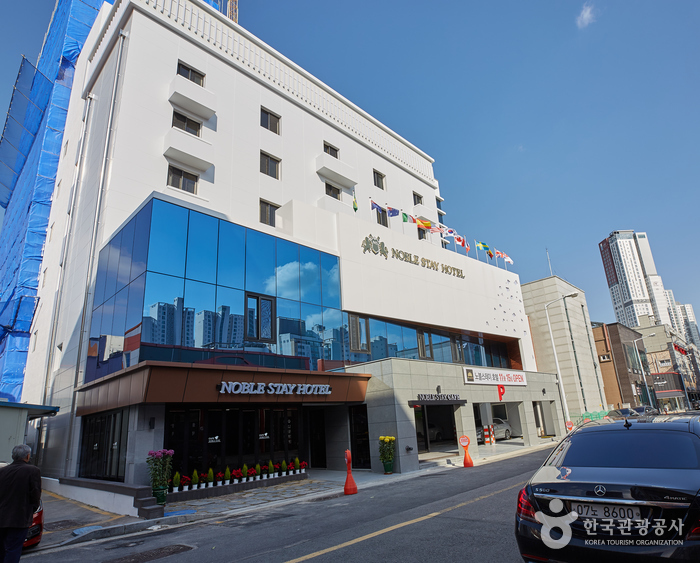
Noble Stay Hotel (노블 스테이 (Noble Stay))
10.4Km 2024-12-22
19-7 , Imbangul-daero 826beon-gil, Gwangsan-gu, Gwangju
+82-62-445-7700
Noble Stay is a cutting-edge business hotel in Gwangsan-gu, Gwangju, Jeollanam-do. It has 94 rooms, all finished in white and wood, and equipped with air purifiers and clothing stylers. In the top floor Sky Lounge you can take breakfast while enjoying fine views over the city. If provisions are needed, there’s a food alley and a supermarket nearby.
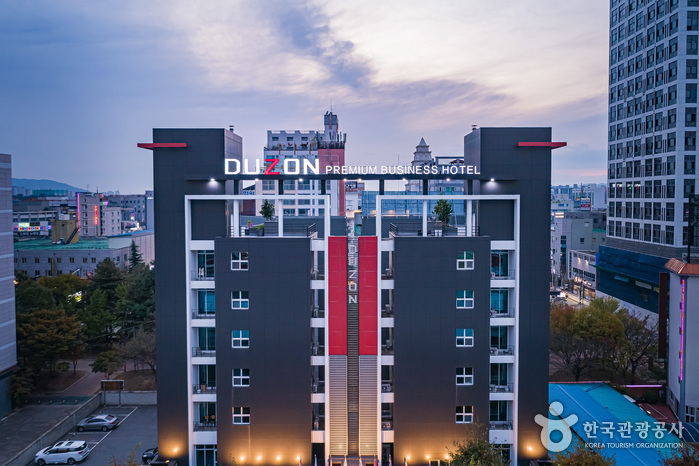
Duzon Hotel A (더존호텔A)
10.4Km 2024-12-22
60-37 , Imbangul-daero 826beon-gil, Gwangsan-gu, Gwangju
+82-62-973-6699
Duzon Hotel A in Gwangsan-gu, Gwangju, Jeollanam-do, is located in Gwangju’s high-tech district where the Gwangju Institute of Science and Technology and Government Complex 2 are based. The hotel is just 20 minutes from Gwangju Airport and KTX Songjeong-ri Station, while tourist destinations such as Damyang and Jangseong are also nearby. It is good for an accommodation for academic societies, Namdo tours, and golf trips.
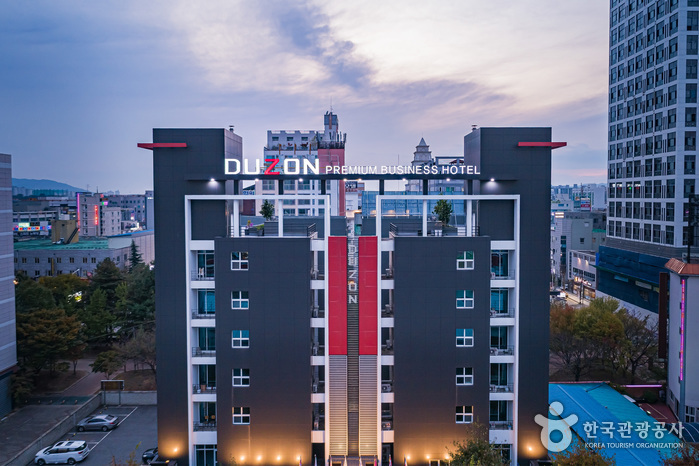
Duzon Hotel (더존호텔)
10.4Km 2024-12-22
60-37 , Imbangul-daero 826beon-gil, Gwangsan-gu, Gwangju
+82-62-973-6699
Duzon Hotel in Gwangsan-gu, Gwangju, Jeollanam-do, is located in Gwangju’s high-tech district where the Gwangju Institute of Science and Technology and Government Complex 2 are based. The hotel is just 20 minutes from Gwangju Airport and KTX Songjeong-ri Station, while tourist destinations such as Damyang and Jangseong are also nearby. It is good for an accommodation for academic societies, Namdo tours, and golf trips.
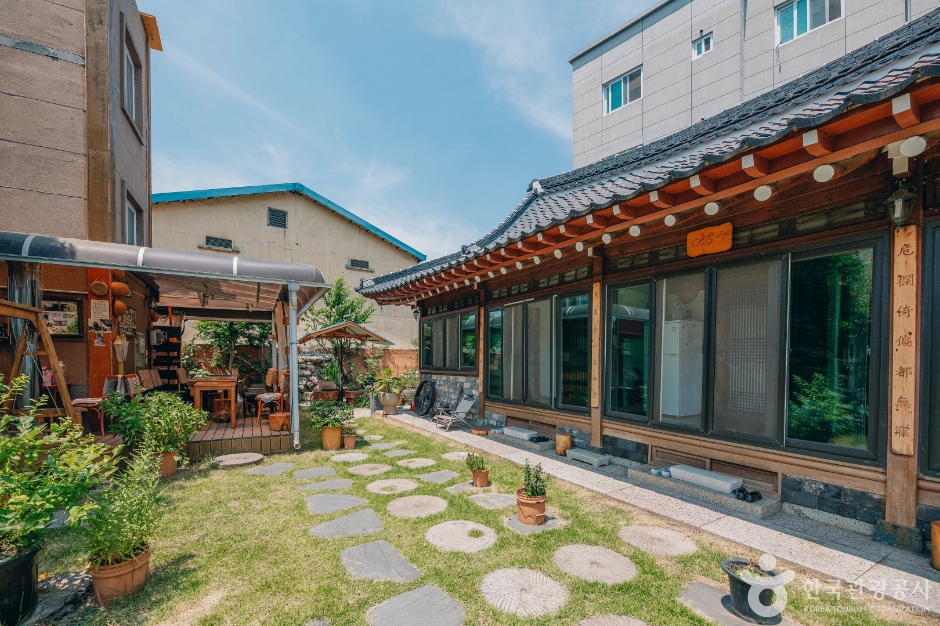
Dasomchae (다솜채)
10.6Km 2024-12-22
27 , Naesang-ro 51beon-gil, Gwangsan-gu, Gwangju
+82-70-8830-7700
Dasomchae in Songjeong-dong, Gwangju, Jeollanam-do, is a guesthouse in an 80-year-old hanok with a spacious yard. All rooms have red clay walls and natural cotton bedding is provided. The yard contains many elegant locust, plum,and other fruit trees, and summertime brings the lovely sight of trumpet creepers winding round the chimney. The location is convenient for transport as it’s only a 10-minute drive to Gwangju Songjeong Station.
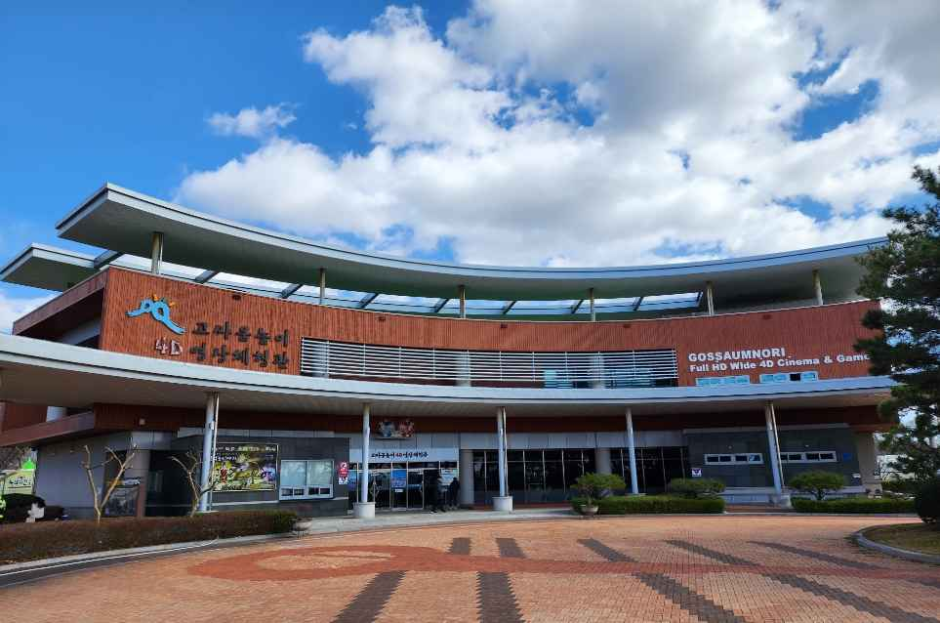
Gossaumnori Theme Park (고싸움놀이테마파크)
10.7Km 2024-10-10
2 Gossaum-ro, Nam-gu, Gwangju
Gossaumnori Theme Park was built over five years to preserve and develop the traditions of Gossaum, a local type of tug-of-war game. The park comprises a training center, video experience hall, folk game experience center, and outdoor performing hall.
 English
 한국어
한국어 日本語
日本語 中文(简体)
 Deutsch
 Français
 Español
 Русский


