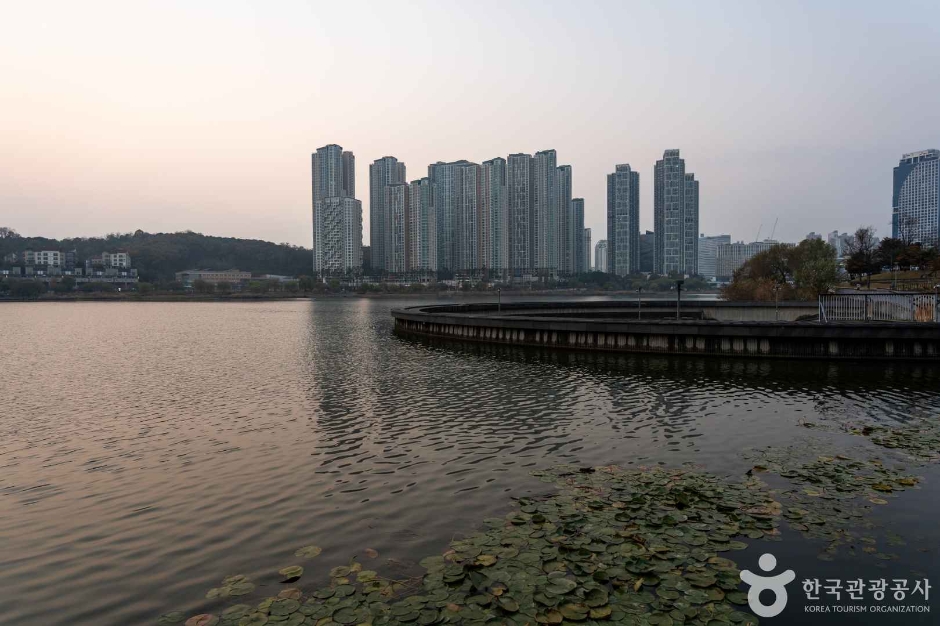
Gwanggyo Lake Park (광교호수공원)
18.4Km 2025-05-22
165 Gwanggyohosu-ro, Yeongtong-gu, Suwon-si, Gyeonggi-do
Gwanggyo Lake Park is the largest lake park in the city center of Korea. The park is designed to blend the scenic nature of Gwanggyosan Mountain and the nearby reservoirs with urban culture. It consists of urban levees and 6 different themed "dumbeong," the Korean term for a pool of water.
![Namsi Glasses [Tax Refund Shop] (남시안경)](http://tong.visitkorea.or.kr/cms/resource/21/3314721_image2_1.jpg)
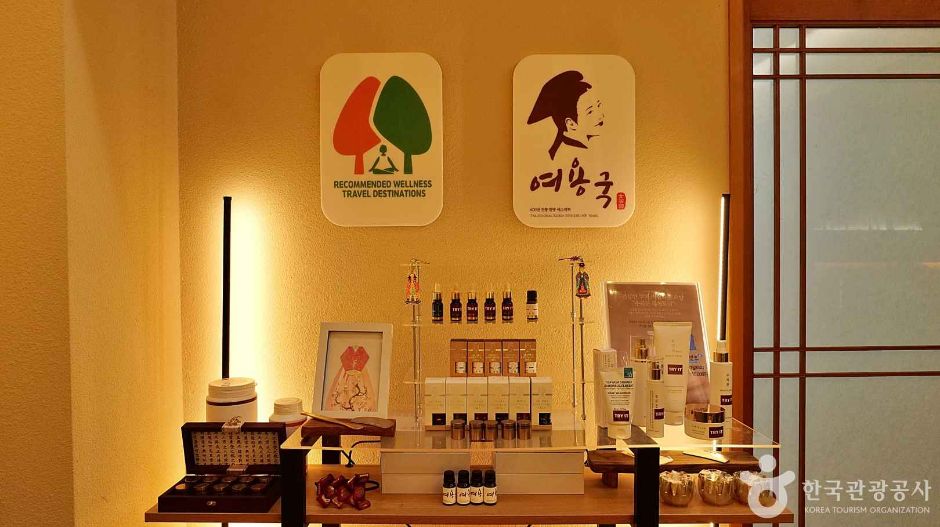
Korean Spa Yeo Yong Guk (여용국 한방스파)
18.5Km 2025-10-23
60 Seokchonhosu-ro 12-gil, Songpa-gu, Seoul
Korean Spa Yeo Yong Guk was created under the philosophy of "a woman taking care of her face is akin to a king running a country." It was inspired by the ancient Korean novel titled "Yeoyonggukjeon" written by Ahn Jeong-bok from the Joseon Dynasty. Korean Spa Yeo Yong Guk understands that people have different body types, therefore applying the same massage method or medicinal herb to everyone will not always have the same effect. Different medicinal herbs and massage techniques should be applied according to one's body type.

Boram Optical [Tax Refund Shop] (보람안경)
18.5Km 2024-06-26
25-3, Namdaemunsijang-gil, Jung-gu, Seoul
-
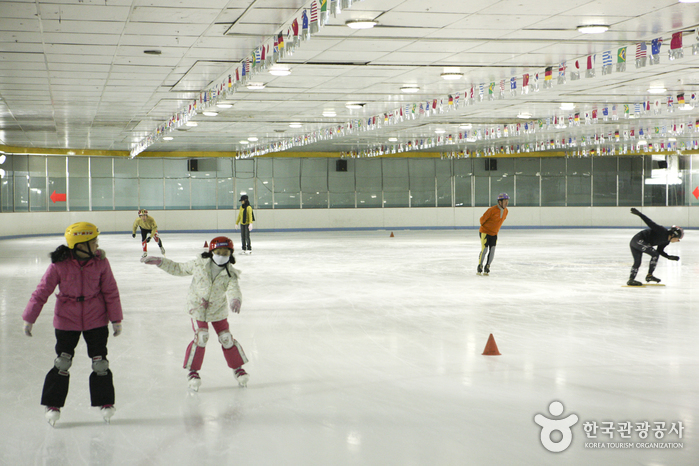
Bundang Olympic Sports Center Ice Skating Rink (분당올림픽스포츠센터 아이스링크)
18.5Km 2025-01-06
35, Junganggongwon-ro, Bundang-gu, Seongnam-si, Gyeonggi-do
+82-31-708-7485
Located in the Bundang area of Seongnam in Gyeonggi-do, the Bundang Olympic Sports Center spans eight floors and includes an indoor ice-skating rink, a food court, various convenience facilities, a multi-purpose indoor gym, health club, aerobics room, Taekwondo ring, a golf course and a swimming pool.
The indoor ice skating rink on the first basement floor has state-of-the-art facilities and the highest ice quality, which visitors can enjoy all year round.
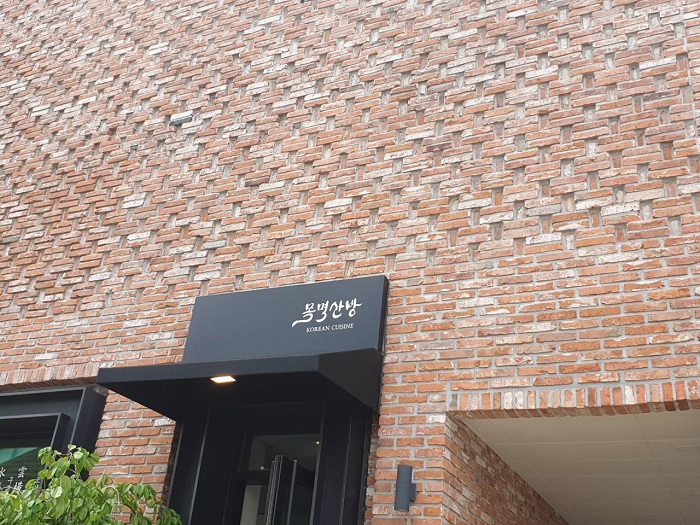
Mongmyeoksanbang (목멱산방)
18.5Km 2024-03-07
71, Toegye-ro, 20-gil, Jung-gu, Seoul
+82-2-318-4790
Situated near Namsan Mountain, Mongmyeoksanbang specializes in bibimbap. Mongmyeok is the ancient name of Namsan Mountain. Bibimbap is a bowl of rice tossed with various vegetables, meat, sesame oil, and red chili paste, making it a nutritionally balanced dish. Their dishes are made with natural seasonings and seasonal herbs gathered from Jirisan Mountain. The soybean pasete and soy sauce are also handmade, and perilla oil and sesame oil are 99.9% natural, without artificial ingredients.
Incheon Himchan General Hospital (인천힘찬종합병원)
18.5Km 2025-11-26
72 Nonhyeon-ro (Nonhyeon-dong), Namdong-gu, Incheon
Incheon Himchan General Hospital has specialized in joint, spine, and internal medicine care since 2002. It is located about one hour by car from Incheon International Airport. The hospital provides joint and spine surgeries and operates a robotic joint replacement center. It has an integrated internal medicine consultation system to support the treatment and recovery of patients with complex conditions. The health promotion center and rehabilitation center are well established, and the wards are clean and patient-centered.
Kkotge Damda by Blueberry Farm Namdong Branch (꽃게담다 by 블루베리팜)
18.5Km 2025-01-22
21 Chanumul-ro, Namdong-gu, Incheon
This restaurant specializes in ganjang gejang(soy sauce marinated crab) made with blue crabs from Yeonpyeongdo Island. This traditional restaurant has expanded to multiple branches in the Incheon area, offering dishes such as Blueberry Farm Jeongsik (Blueberry Farm set menu), Ganjang Gejang Jeongsik (soy sauce marinated crab set menu), and Borigulbi Jeongsik (barley-aged dried yellow croaker set menu).
Gyeongui Line Forest Park (Yeontral Park) (경의선숲길(연트럴파크))
18.5Km 2023-08-11
133, Donggyo-ro 51-gil, Mapo-gu, Seoul
Gyeongui Line Forest Park is a linear city park located in Mapo-gu and is also called Yeontral Park. It includes Daeheung-dong, Yeonnam-dong, Saechanggogae Pass, Changjeon-dong, Sinsu-dong, and Wonhyo-ro, which were opened in this order. Gyeongui Line Forest Park is established atop the Gyeongui railroad line and the Gyeongui Line and Airport Railroad Express are constructed as a double track underground. Gyeongui Line Forest Park was designed to be incomplete on purpose to invite the citizens in completing the park. The area which could have been left empty and neglected has turned into a meaningful green park for the citizens by the citizens.
![Time Homme [Tax Refund Shop] (타임옴므)](http://tong.visitkorea.or.kr/cms/resource/54/2891154_image2_1.jpg)
Time Homme [Tax Refund Shop] (타임옴므)
18.5Km 2024-04-22
536, Poeun-daero, Suji-gu, Yongin-si, Gyeonggi-do
-
 English
 한국어
한국어 日本語
日本語 中文(简体)
 Deutsch
 Français
 Español
 Русский


