
Hanshin Medipia Health Care ((사) 정해복지부설 한신메디피아의원)
8.7Km 2025-10-23
(3rd Floor), 94 Jamwon-ro, Seocho-gu, Seoul
Hanshin Medipia Health Care was established in the 1980s and boasts over 40 years of experience and tradition in health screening. With its extensive experience and expertise, we promise you to become a trusted healthcare partner.
-More specialized and segmented with 3 Zones and 7 Centers.
3 Zones: Premium Zone, Comprehensive Health Checkup Zone, and General Health Checkup Zone, capable of examining approximately 1,000 persons per day.
7 Centers: Ultrasound Center, Radiology Center, Diagnostic Medicine Center, Endoscopy Center, Women's Health Checkup Center, Cancer Diagnostics Imaging Center, and CRM/IT/AI Center
Stay Passport Sindang Ryokan (스테이 패스포트 신당 료칸)
8.7Km 2025-04-24
33 Nangye-ro 11-gil, Jung-gu, Seoul
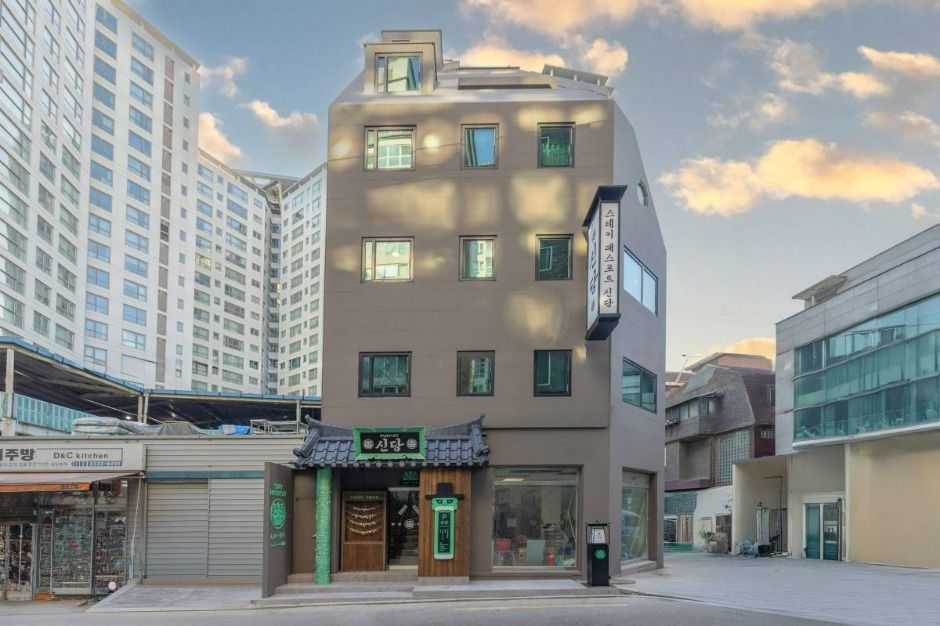
Stay Passport Sindang Ryokan offers a four major room types: "Goyo" and "Sohyang," designed for two who seek privacy and relaxation away from the busy city life; "Pungryu," accommodating up to four people, perfect for family guests or a group of friends; and "Pungyo," designed to offer utmost relaxation.
K-medi Spring (한강애봄)
8.7Km 2025-12-09
6th Floor, 63 Dongsomun-ro, Seongbuk-gu, Seoul
HanGang AeBom is a certified agency specializing in attracting international patients, offering customized programs that combine Korea’s advanced medical services with tourism. The agency collaborates with medical institutions to arrange consultations, interpretation, accommodation, and travel itineraries.
![Le Mans Eyewear - Cheonggyecheon Branch [Tax Refund Shop] (르망안경콘택트 청계천)](http://tong.visitkorea.or.kr/cms/resource/14/2889514_image2_1.jpg)
Le Mans Eyewear - Cheonggyecheon Branch [Tax Refund Shop] (르망안경콘택트 청계천)
8.8Km 2024-04-18
B2 E-MART, Lotte Castle Venezia, 400, Cheonggyecheon-ro, Jung-gu, Seoul
-
![E-Mart - Cheonggyecheon Branch [Tax Refund Shop] (이마트 청계천)](http://tong.visitkorea.or.kr/cms/resource/80/2888580_image2_1.jpg)
E-Mart - Cheonggyecheon Branch [Tax Refund Shop] (이마트 청계천)
8.8Km 2024-04-18
400, Cheonggyecheon-ro, Jung-gu, Seoul
-
Netmarble Game Museum (넷마블게임박물관)
8.8Km 2025-05-14
38 Digital-ro 26-gil, Guro-gu, Seoul
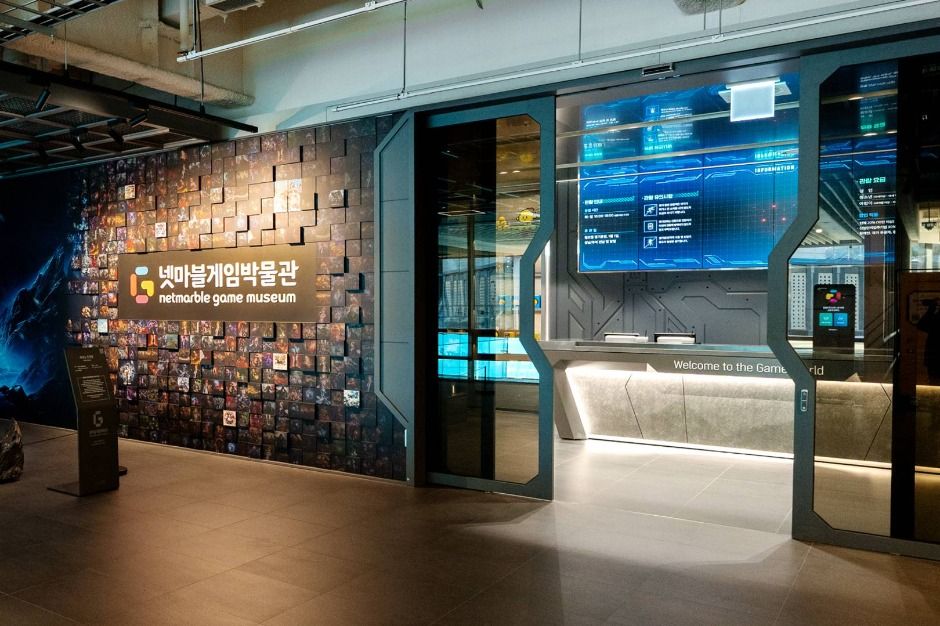
The Netmarble Game Museum offers visitors an opportunity to explore the history and culture of games and discover their social and cultural values. The museum features an exhibition space showcasing a diverse collection of domestic and international, a learning space with various gaming education materials, and a gaming space where visitors can enjoy playing different types of games. The exhibition space is organized around three main themes: game history, game world, and gaming culture. In particular, the Play Collection zone includes classic arcade games, console games, and PC games, allowing children to have fun and adults to reminisce about their memories.
Sweet Park (Lotte Children's Food Experience Center) (스위트파크(롯데어린이식품체험관))
8.8Km 2024-02-15
201 Magokjungang-ro, Gangseo-gu, Seoul
Sweet Park is a children's food experience center, an educational and entertainment space featuring Lotte's food products. The park is designed as a village themed around Lotte's food items. It offers various tour programs such as Hot Air Balloon Theater, Sweet Park Tours, Lotte R&D Center Experience Zone, and Xylitol Dental Health Education Zone.
105405 Magok (105405 마곡)
8.8Km 2025-03-07
161-8 Magokjungang-ro, Gangseo-gu, Seoul
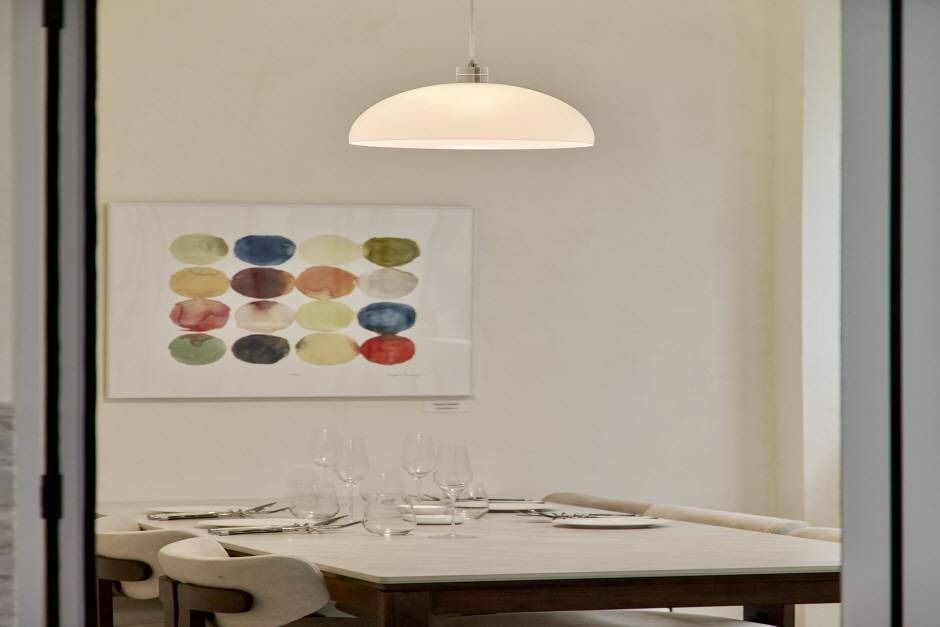
105405 Magok, a restaurant located in the Ganseo-gu district of Seoul, is famous for its charcoal grilled steak and its reinterpretation of side dishes, which is a significant part of Korean food culture. The steaks here are prepared through a meticulous process of wet-aging, seasoning, color development, confit, and charcoal grilling, with lunches served as course meals only.
River City Water Ski Resort (리버시티수상스키장)
8.9Km 2025-10-23
37-53 Apgujeong-ro 11-gil, Gangnam-gu, Seoul, Jamwon District 1 in Hangang Park
In 'I Live Alone', it is none other than the Hangang River where SHINee's Key and Minho enjoyed water skiing and 'Pangpang' boat. Necessary equipment can be rented, and water skiing and wakeboarding lessons are also offered, so even beginners can visit without any hesitation. Above all, the most attractive thing is that you can enjoy water sports in downtown Seoul without having to go far. There are shower rooms and changing rooms, as well as a Ramyeon making machine. There is no better delicacy than eating freshly boiled Ramyeon while drying your wet hair after playing in the water.
Youus Tours (유어스투어)
8.9Km 2025-11-28
#912-913, Magok M-Signature, 20 Magokjungang 1-ro, Gangseo-gu, Seoul
We are a premier medical tourism agency, dedicated to providing private and seamless experiences. From airport to hotel and hospital, enjoy direct, comfortable transfers in our diverse fleet of luxury vehicles. We ensure a safe and relaxing journey, combining personalized medical services with a high-quality travel experience for your optimal health and well-being.
 English
 한국어
한국어 日本語
日本語 中文(简体)
 Deutsch
 Français
 Español
 Русский


