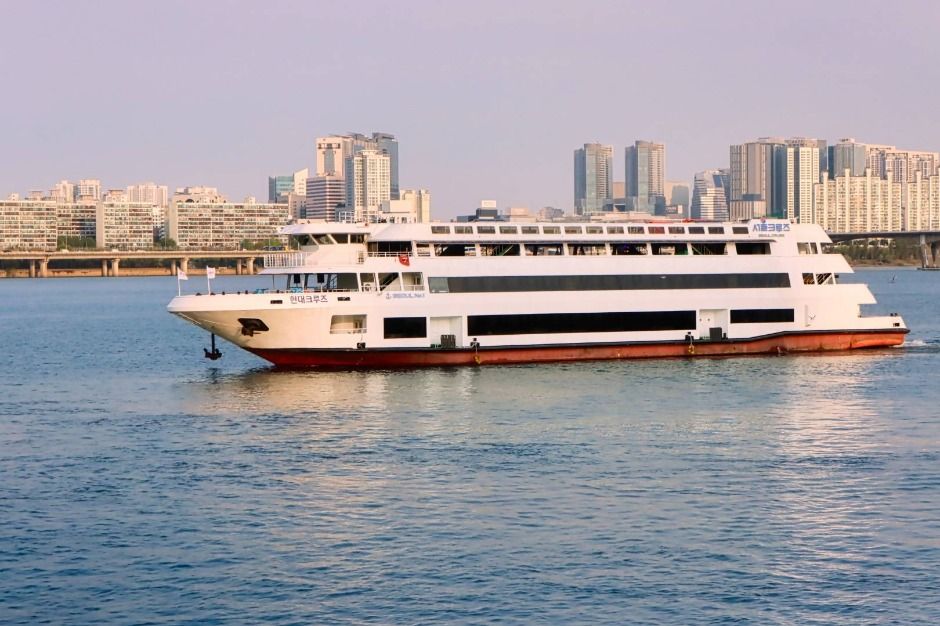
Seoul Cruise (서울크루즈)
3.2Km 2025-12-04
231 Yeouidohanganggongwon-gil, Yeongdeungpo-gu, Seoul
Hyundai Cruise Line, Korea's first marine tourism cruise operator, was founded in 1983 and renamed Seoul Cruise after building a new terminal in Yeouido. With Yeouido Ferry Terminal as its base, Seoul Cruise is the only passenger cruise operator that can travel from the Hangang River to the West Sea, passing through the Ara West Sea Lock. The company currently operates from two terminals: Yeouido Ferry Terminal and Ara Gimpo Terminal. In addition to offering tours that showcase the scenic beauty of the Hangang River, Seoul Cruise also provides other options, such as the Dinner Fireworks Cruise, which lets passengers enjoy a fireworks show along the Ara Waterway in Gimpo.

Seodaemun Prison History Museum (서대문형무소역사관)
3.2Km 2024-12-02
251 Tongil-ro, Seodaemun-gu, Seoul
Seodaemun Prison was built under the Japanese administration to imprison independence movement activists. It first opened on October 21, 1908 under the name Gyeongseong Prison. Eventually, so many activists were imprisoned that the building had to be expanded. At that time, the name changed to Seodaemun Prison on September 3, 1912. Eighty years later, the prison was turned into Seodaemun Independence Park on August 15, 1992 to commemorate the Korean patriots who were tortured in prison, giving their lives for freedom. Of the many buildings, only seven were preserved for their historical significance, among which three prison buildings and the execution site were designated as a Historic Site. In 1998, the park underwent another transformation into today's Seodaemun Prison History Hall to educate the public on the importance of Korea's independence and the sacrifices of those who fought to achieve it.
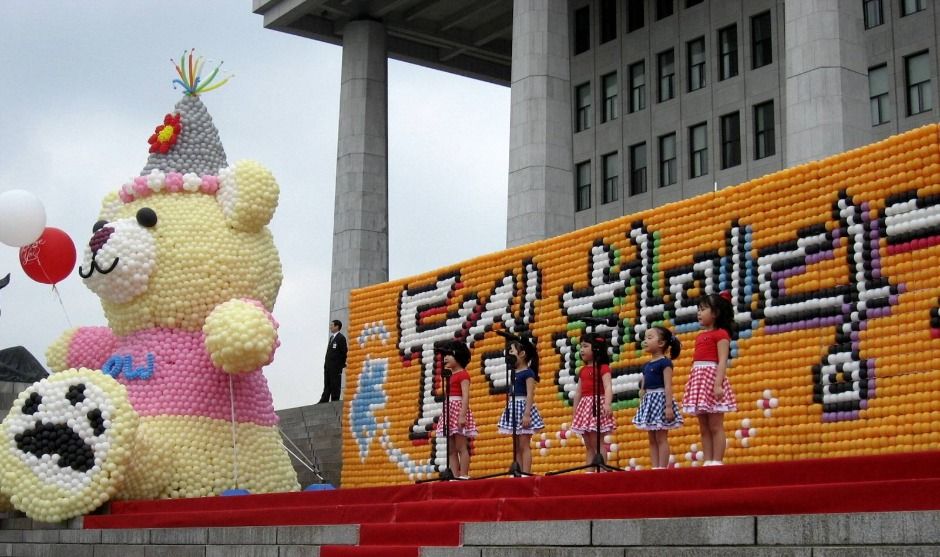
National Assembly Dongsim Festival (국회동심한마당)
3.3Km 2025-04-18
1 Uisadang-daero, Yeongdeungpo-gu, Seoul
+82-2-595-3325
The National Assembly Dongsim Festival started in 2005 by the Pumassi Movement, aiming to revive the tradtional Korean concept of sharing and helping one another. The festival allows youth to meet with and experience adults working in the fields they dream of joining in the future. The festival is attended by over 100 facilities and groups, providing a wide range of experiences, performances, and fun activites for all visitors to enjoy for free.
National Memorial of Korean Provisional Government (국립대한민국임시정부기념관)
3.3Km 2023-01-16
279-24, Tongil-ro, Seodaemun-gu, Seoul
The National Memorial of Korean Provisional Government was established to shine a light on the proud history of the Korean Provisional Government's independence and the spirit of a democratic republic and to pass it on to future generations. The four-story memorial building with three underground floors houses three permanent exhibits, one special exhibit, Larchiveum, Symbol Plaza, storage, multi-purpose hall, and rooftop garden over a total area of 3,656 square meters, a total floor area of 9,703 square meters and a total exhibition space of 2,240 square meters. The permanent exhibits consist of a series of historic events from the March 1st Movement, which served as a turning point for the formation of the Provisional Government, to the foundation of the Korean Government that succeeded the mantle of the provisional government, while the special exhibit on the 1st floor currently hosts a special opening exhibition under the title of 『The Return of the Provisional Government of the Republic of Korea』. Moreover, a symbolic wall installation under the theme of "Waves of History" is displayed in the outdoor plaza on the 1st floor of the memorial expressing the Provisional Government’s desire for independence and the dynamics of the past, present, and future of Korea.
Dongnimmun Gate (독립문)
3.3Km 2022-12-15
251, Tongil-ro, Seodaemun-gu, Seoul
Dongnimmun stands at the location originally known as Yeongeun, where envoys were once treated. When a Chinese envoy visited, the King would go out through this door to greet. In 1898, to announce the independence from Japan, Dongnimun was constructed with the fund collected by the citizens. The traces of the past still remain on Dongnimmun with two pillars in front of Dongnimmun being the remains of Yeongeunmun.
The Arc de Triomphe in France can be recalled in comparison to Dongnimmun. Dongnimmun was built using granite with a passageway x_height of 14.28 meters. On the top it is written ‘Dongnimmun’ in Korean with the national flag drawn on each side. On the inner-left side there are stone stairs leading to the attic. The national flower Mugunghwa are planted around Dongnimmun. Now it is surrounded by roads and it is eye-catching to view when passing by.
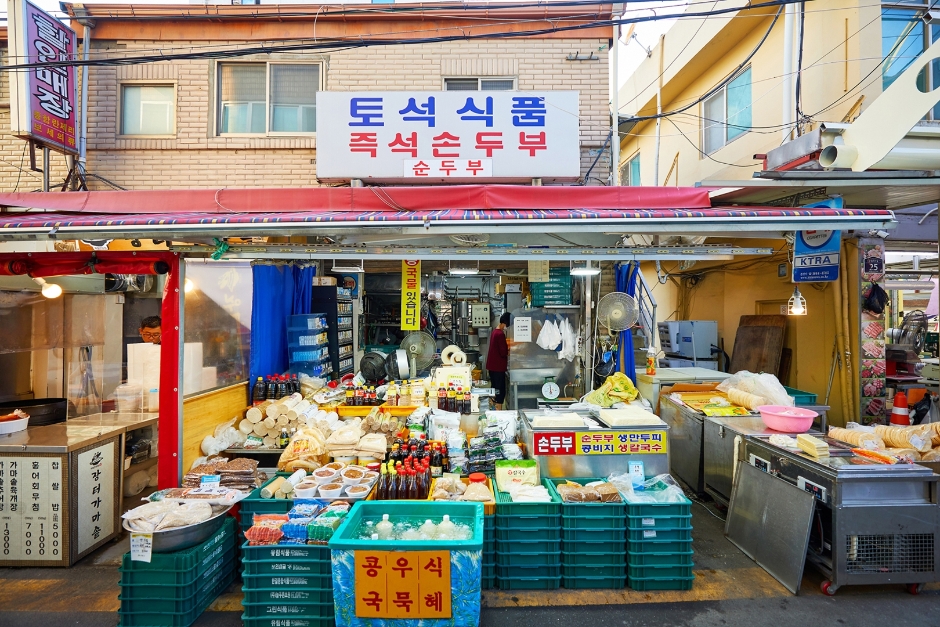
Daerim Market (대림시장)
3.3Km 2024-03-15
300-10 Eungam-dong, Eunpyeong-gu, Seoul
The oldest traditional market in Eunpyeong-gu, Seoul, is also the capital’s only fifth-day market (held on 5th, 10th, 15th, 20th, 25th, and 30th of the month). It is divided into indoor and outdoor spaces. The former offers a comfortable space for shopping regardless of the weather. Like any good traditional market, Daerim Market offers vegetables, fruits, meat products, seafood, grain, and clothing at affordable prices. Visitors are recommneded to visit the restaurants hidden throughout the market, such as Halmaejip, a 50-year-old restaurant serving excellent banquet noodles, japchae, and tteokbokki; and Wooyirak, which serves pancakes with cream makgeolli (unrefined rice wine). Because the food is affordable and delicious, the market sees a lot of visitors throughout the day.
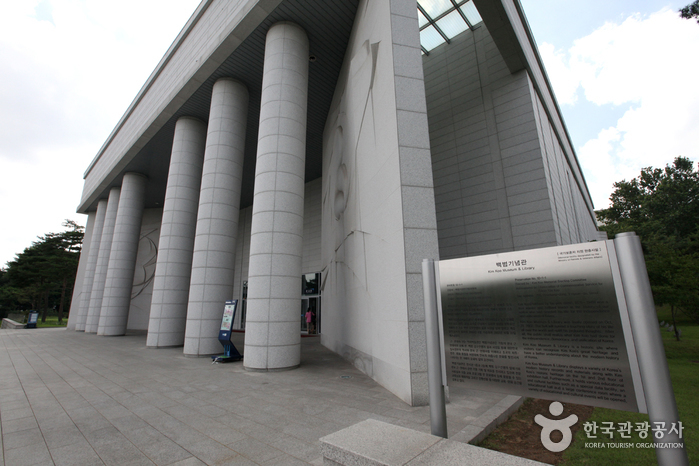
Kim Koo Museum & Library (백범김구기념관)
3.3Km 2022-08-30
26, Imjeong-ro, Yongsan-gu, Seoul
+82-2-799-3400
Kim Koo Museum & Library was built in Yongsan-gu, Seoul to commemorate Baekbeom Kim Koo (1876-1949), a highly respected Korean independence activist. It opened on October 22, 2002 to commemorate Kim Koo's efforts and achievements in Korean history. The main hall is comprised of two floors, exhibiting relics related to his entire life. A statue of a seated Kim Koo is situated in the central space of the first hall.
Olive Young - National Assembly Station Branch [Tax Refund Shop] (올리브영 국회의사당역점)
3.4Km 2024-06-27
B2F, B 758, Gukhoe-daero, Yeongdeungpo-gu
-
Seodaemun Independence Park (서대문독립공원)
3.4Km 2022-12-15
251, Tongil-ro, Seodaemun-gu, Seoul
+82-2-3140-8305
Seodaemun Independence Park was built on the former Seoul Detention Camp. It was used to imprison thousands of Korean independence activists until the liberation from the Japanese occupation on August 15, 1945, as well as the political prisoners during the political turmoil in the 1960s. When the prison was moved to Uiwang-si, Gyeonggi-do in November 1987, the area was restored and turned into a memorial park in August 15, 1992 to honor the sacrifices of the martyrs. The park preserves seven prison buildings, an execution ground, underground women’s prison, and the March 1st Movement Monument that has been moved from Tapgol Park in Jongno.
One of the most significant monuments of the Seodaemun Independence Park is Dongnimmun Gate (Independence Gate), which has been designated a Historic Site. Nearby is Dongnipgwan (Independence Hall), originally called Mohwagwan, which was used to greet Chinese envoys during the Joseon dynasty. Today, the hall enshrines 2,327 tablets inscribed with the names of Koreans who died for the cause of national independence. Standing right next to Dongnimmun Gate are the remnants of Yeongeunmun Gate, another Historic Site. Other sights inside the park include the Patriotic Martyr Monument, Declaration of Independence Monument, and Statue of Dr. Seo Jae-pil, who was an independence activist and publisher of Korea’s first independent newspaper. The main highlight of the park is the Seodaemun Prison History Hall, a former prison building that was renovated into a history museum.
 English
 한국어
한국어 日本語
日本語 中文(简体)
 Deutsch
 Français
 Español
 Русский


