
Choedaegamne (최대감네)
18.0Km 2024-03-18
12-3 Insadong 8-gil, Jongno-gu, Seoul
+82-2-733-9355
Choedaegamne is a traditional Korean restaurant located in a hanok in Insa-dong, with a garden and a pond, and has been in operation for over 100 years. One of their popular dishes is the sangchu shabu jeongsik (shabu with rice in a cabbage set menu), where vegetables and meat are cooked in a broth and then enjoyed with noodles, served with a small rice ball on lettuce. They also offer a so galbijjim jeongsik (steamed beef ribs set menu) and bulgogi jeongsik (bulgogi set menu), served with lotus leaf rice and soybean paste jjigae. After the meal, guests can enjoy tea in the garden.

Toin (토인)
18.0Km 2025-11-05
48 Insadong-gil, Jongno-gu, Seoul
+82-2-736-5142
Toy store where you can buy Dalgona sets
It is a retro-style store that sells nostalgic toys and snacks. The small space is filled with colorfully colored wrapping paper and toys that are difficult to understand at first glance. As soon as you enter this place, children and adults will feel excited and their eyes will sparkle. Among the various products, the most popular item is by far the Dalgona set. It is good to make new memories by choosing snacks and toys that suit your taste
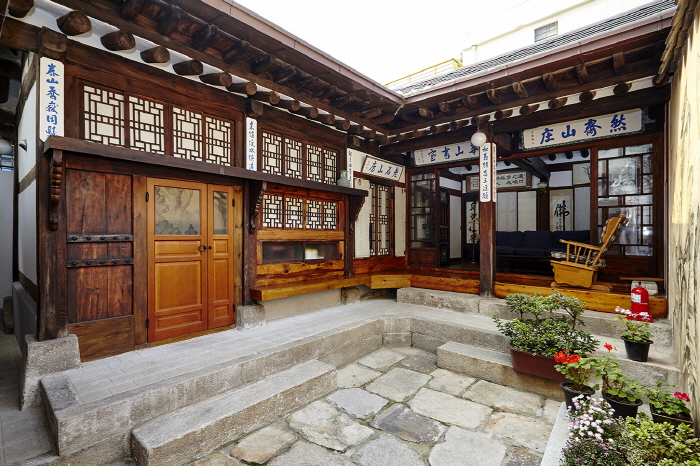
Sieunjae (시은재)
18.0Km 2024-12-23
439 , Samil-daero, Jongno-gu, Seoul
+82-10-5355-3029
Sieunjae is a hanok stay that has stood in the midst of busy Gyeongun-dong, Jongno-gu, Seoul, for generations. The guestrooms comprise an anbang (bedroom plus living room), three smaller rooms, and a byeolchae or detached house. All rooms have a toilet, and there’s a well-equipped shared kitchen and a washing machine. Guests can either rent individual rooms or the whole hanok. Jongno is convenient for travel to all the historic sites of Seoul, and there’s a public carpark nearby.
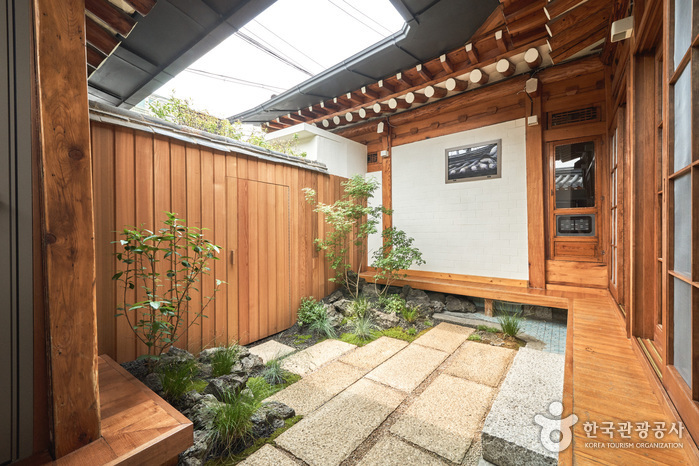
STAY dayoff (스테이 데이 오프)
18.0Km 2024-12-23
6 , Jahamun-ro 1da-gil, Jongno-gu, Seoul
+82-504-0904-2406
Stay Day Off is a hanok stay just off Jahamun-no - known locally as ‘Food Street’ - in Seochon Village to the west of Gyeongbokgung Palace in Seoul. It’s a 5-minute walk from Gyeongbokgung Station on Subway Line 3, so transport access is good. The main building comprises two bedrooms with queen-size bed, a living room and kitchen, and two bathrooms. The annex building is rather special: it has a bath and sauna behind a window wall with a fine view of the hanok garden. There’s a 10% discount for guests staying more than two nights during the week.
Insa-dong Geujip (인사동그집)
18.0Km 2024-03-18
3 Insadong 12-gil, Jongno-gu, Seoul
+82-2-737-0575
Insa-dong Geujip is a hanok-style Korean restaurant located in a narrow alley in Insa-dong. Their signature dish, bulgogi yachaemari (bulgogi and vegetable roll), allows you to choose between stir-fried pork bulgogi, beef bulgogi, or chicken bulgogi. Visitors can enjoy the tangy and sweet flavor of the radish wrap filled with bulgogi and julienned vegetables, accompanied by side dishes and soybean paste stew. They also offer bulgogi nakji jeongol (bulgogi and octopus hot pot), cheolpan sogalbijjim (stir-fried marinated galbi on hot iron plate), and dolsot bibimbap (hot stone pot bibimbap) along with hahu yukhoe bibimbap (Korean beef tartare bibimbap).
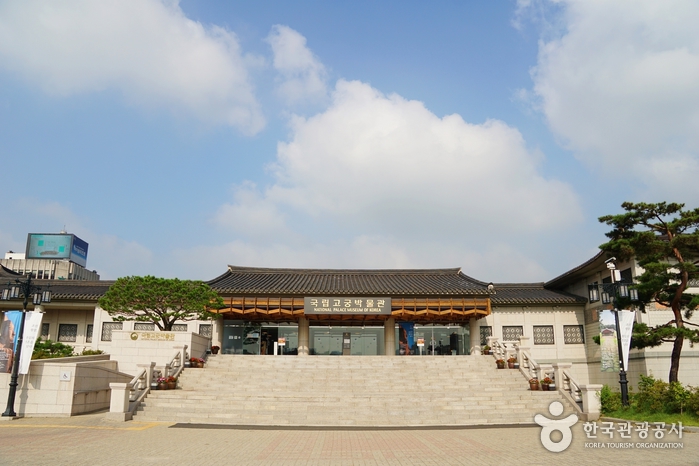
National Palace Museum of Korea (국립고궁박물관)
18.0Km 2023-03-24
12, Hyoja-ro, Jongno-gu, Seoul
+82-2-3701-7500
The National Palace Museum of Korea displays over 40,000 relics from the Joseon dynasty. With various treasures on exhibit, the museum continues to provide information on the dignity of royal culture and the creativity of royal cultural assets.
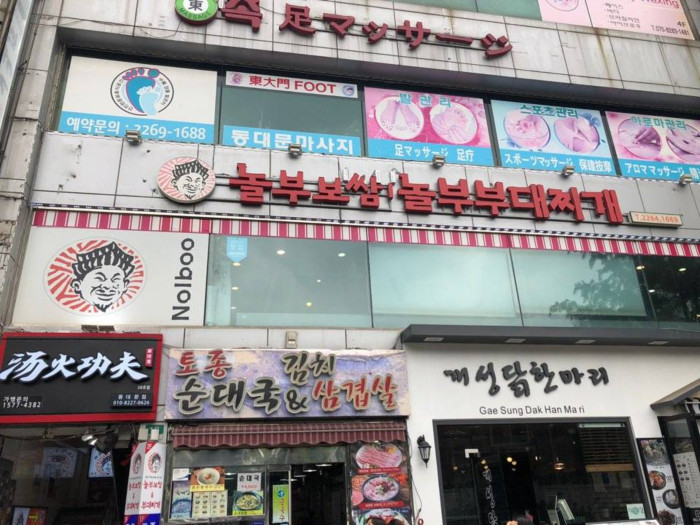
Nolboo Bossam & Budaejjigae Euljiro6ga(놀부보쌈&부대찌개 을지로6가)
18.0Km 2024-10-15
2F, 34, Euljiro43-gil, Jung-gu, Seoul
+82-2-2264-1669
This is a Korean cuisine located in Dongdaemun Gate, Seoul. One of Korea’s representative restaurant franchises. The best menu at this restaurant is napa wraps with pork.
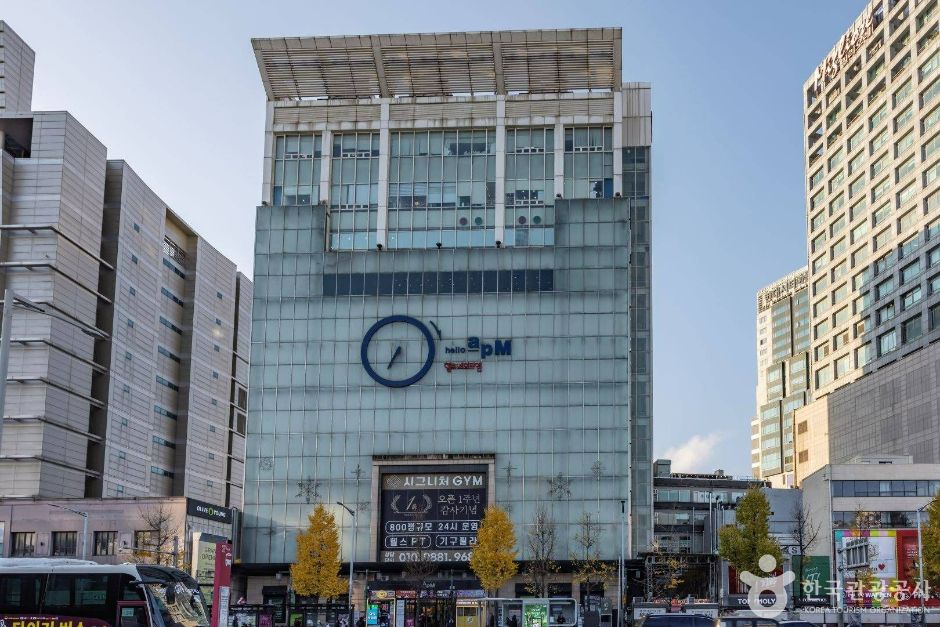
Hello apM (헬로에이피엠)
18.0Km 2025-05-13
253 Jangchungdan-ro, Jung-gu, Seoul
+82-2-6388-1114
Hello apM is located within the Dongdaemun shopping district and appeals to customers in their 10s and 20s for it's latest trending styles and low prices. It is crowded year-round with young people from all over the world. Bargaining has faded out over recent years with prices more often indicated.

Seongsu-dong Handmade Shoes Street (성수동 수제화거리)
18.0Km 2025-03-15
15, Yeonmujang 7-gil, Seongdong-gu, Seoul
Handmade shoe manufacturers began to gather in the 1970s to form a street and make history. Today, there are some 350 handmade shoe manufacturers, 100 intermediate processing and raw materials companies, and new cafes with unique vibes opening up one after another. Thanks to its vintage appeal, many people visit on dates and to take cool photos.
 English
 한국어
한국어 日本語
日本語 中文(简体)
 Deutsch
 Français
 Español
 Русский


