![Compagna - Savezone Gwangmyeong Branch [Tax Refund Shop] (꼼빠니아 세이브존 광명점)](http://tong.visitkorea.or.kr/cms/resource/65/3314265_image2_1.jpg)
Compagna - Savezone Gwangmyeong Branch [Tax Refund Shop] (꼼빠니아 세이브존 광명점)
7.4Km 2024-06-27
87, Cheolmangsan-ro, Gwangmyeong-si, Gyeonggi-do
-
![Vivien - Save Zone Gwangmyeong Branch [Tax Refund Shop] (비비안 세이브존 광명점)](http://tong.visitkorea.or.kr/cms/resource/06/3314306_image2_1.jpg)
Vivien - Save Zone Gwangmyeong Branch [Tax Refund Shop] (비비안 세이브존 광명점)
7.4Km 2024-06-27
87, Cheolmangsan-ro, Gwangmyeong-si, Gyeonggi-do
-
![Valleygirl - Savezone Gwangmyeong Branch [Tax Refund Shop] (밸리걸 세이브존 광명점)](http://tong.visitkorea.or.kr/cms/resource/85/3312785_image2_1.jpg)
Valleygirl - Savezone Gwangmyeong Branch [Tax Refund Shop] (밸리걸 세이브존 광명점)
7.4Km 2024-06-28
87, Cheolmangsan-ro, Gwangmyeong-si, Gyeonggi-do
-
![Kipling - Save Zone Gwangmyeong Branch [Tax Refund Shop] (키플링 세이브존 광명점)](http://tong.visitkorea.or.kr/cms/resource/80/3313280_image2_1.jpg)
Kipling - Save Zone Gwangmyeong Branch [Tax Refund Shop] (키플링 세이브존 광명점)
7.4Km 2024-06-27
87, Cheolmangsan-ro, Gwangmyeong-si, Gyeonggi-do
-
![JDX - Savezone Gwangmyeong Branch [Tax Refund Shop] (JDX 세이브존 광명점)](http://tong.visitkorea.or.kr/cms/resource/59/3313759_image2_1.jpg)
JDX - Savezone Gwangmyeong Branch [Tax Refund Shop] (JDX 세이브존 광명점)
7.4Km 2024-06-27
87, Cheolmangsan-ro, Gwangmyeong-si, Gyeonggi-do
-
![Lux Genie - Savezone Gwangmyeong Branch [Tax Refund Shop] (룩스지니 세이브존 광명점)](http://tong.visitkorea.or.kr/cms/resource/15/3314215_image2_1.jpg)
Lux Genie - Savezone Gwangmyeong Branch [Tax Refund Shop] (룩스지니 세이브존 광명점)
7.4Km 2024-06-27
87, Cheolmangsan-ro, Gwangmyeong-si, Gyeonggi-do
-
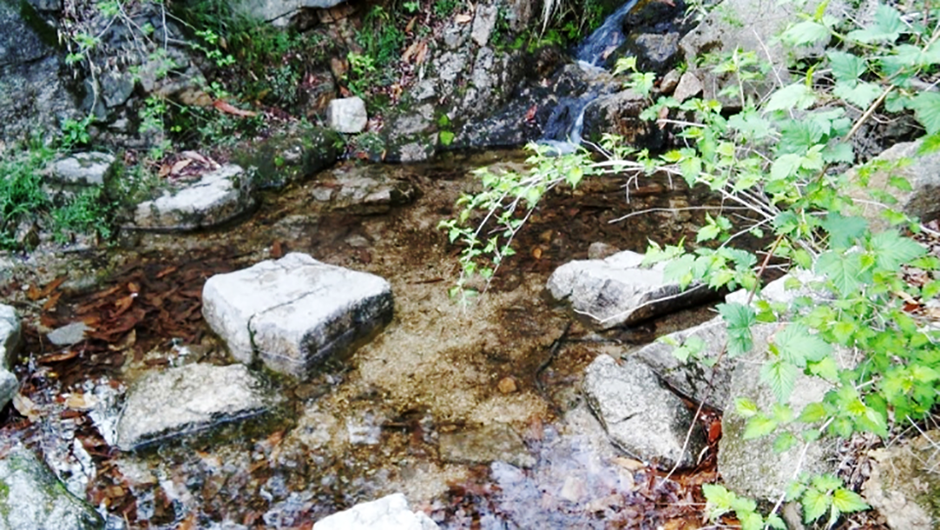
Suseongdonggyegok Valley (수성동계곡)
7.4Km 2023-08-17
185-3, Ogin-dong, Jongno-gu, Seoul 서울특별시 종로구 옥인동
Suseong-dong Valley's stream runs down from Inwangsan Mountain and joins Cheonggyecheon Stream, and it is said that the name of the village was called Suseong-dong during the Joseon dynasty due to the loud and clear sound of the flowing water. It appears in the painting "Jangdong Palgyeongcheop," which is Jangdong Eight Scenic Views, that depicts the eight scenic views of Bugaksan Mountain and Inwangsan Mountain as well as in other historical books of the Joseon dynasty as a place of scenic beauty. The valley was so famous for its beauty, that Prince Anpyeong of the Joseon dynasty built his house "Bihaedang" to fully enjoy the view, and the valley and its stone bridge were designated as a cultural property of Seoul in 2010.
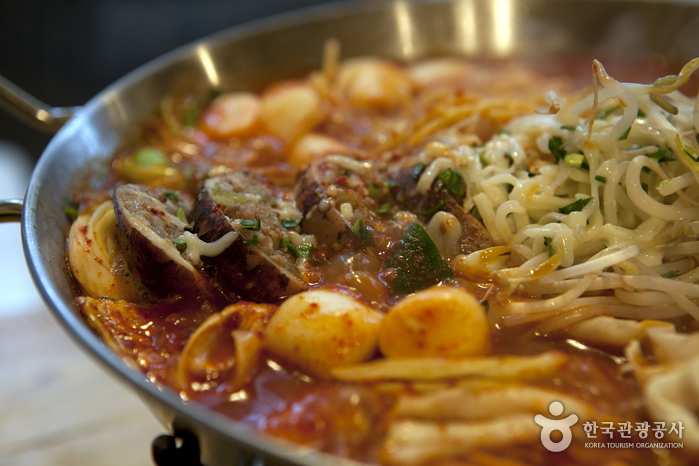
Namdo Bunsik Seochon Branch (남도분식 서촌점)
7.4Km 2024-02-20
1F, 2 Ogin 2-gil, Jongno-gu, Seoul
Namdo Bunsik is a snack restaurant that caters to the tastes of the younger generation by adapting regional traditional cuisine. The flagship menu features namdo tteokbokki, an jeukseok tteokbokki (instant tteokbokki) crafted with various ingredients such as pollack, scallions, and radish, with the broth prepared in-house. The spiciness of the tteokbokki can be adjusted from level 1 to level 3. Another popular item is sangchu twigim (deep-fried lettuce), where deep-fried dishes and pickled onions are wrapped in lettuce for consumption.

CheongKwanJang - Gaebong Branch [Tax Refund Shop] (정관장개봉점)
7.4Km 2024-06-27
1-101, 6, Gaebong-ro 20-gil, Guro-gu, Seoul
-
Jogyesa Temple (조계사(서울))
7.4Km 2024-10-25
55 Ujeongguk-ro, Jongno-gu, Seoul
As the main temple as well as the district head temple of the Jogye order in Seoul, Jogyesa Temple is the center of Korean Buddhism. The temple was built in the late 14th century during the Goryeo period but was completely destroyed in a fire. It was rebuilt under the name of Gakwangsa Temple in 1910 with the effort of many respectful monks, namely Han Yong-un and Lee Hee-gwang. The temple was given a role as the head temple of Korea’s Buddhism and renamed to Tegosa Temple in 1936. In 1954, a purification drive took place to eliminate Japanese influence and revive traditional Buddhism, which established the present day Jogyesa Temple as a result.
Jogyesa Temple plays an important role in Korean Buddhism as the head temple of the Jogye order. Jogyesa Temple’s Dharma Hall serves as the main venue for several Buddhist events, holding rituals, lectures, ceremonies, and other events all year long. The annual lantern festival in celebration of Buddha's birthday also takes place at this temple.
 English
 한국어
한국어 日本語
日本語 中文(简体)
 Deutsch
 Français
 Español
 Русский


