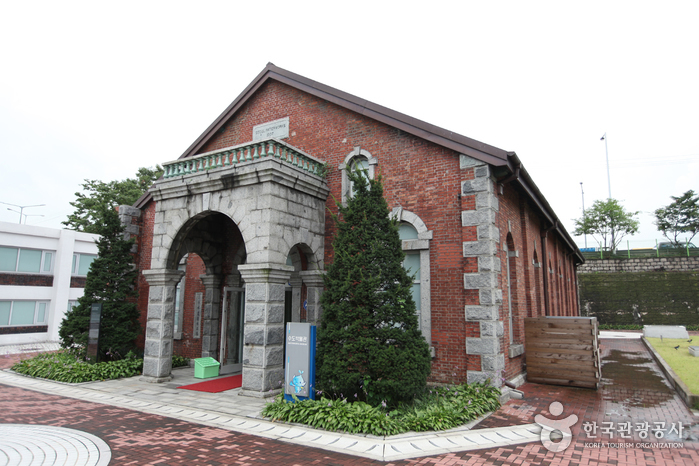
Waterworks Museum (수도박물관)
10.1Km 2025-01-17
27, Wangsimni-ro, Seongdong-gu, Seoul
+82-2-3146-5936
The Ttukseom Water Purification Plant (Waterworks Museum and Slow Sand Filtration Basin) was completed in August 1908 as the first water purification plant ever built in Korea. In 2008, it celebrated 100 years of history with the opening of the Waterworks Museum, which showcases the history and value of Seoul's public waterworks. The museum was recognized for its modern architectural design and designated Tangible Cultural Asset of Seoul No.72.

Suitsupply - Cheongdam Branch [Tax Refund Shop] (수트서플라이 청담점)
10.1Km 2024-04-18
49, Seolleung-ro 162-gil, Gangnam-gu, Seoul
-
![THE CIEL Clinic [Tax Refund Shop] (더씨엘의원)](http://tong.visitkorea.or.kr/cms/resource/17/3314017_image2_1.jpg)
![Olive Young - Yangjae Star Class Branch [Tax Refund Shop] (올리브영 양재스타클래스)](http://tong.visitkorea.or.kr/cms/resource/66/2889466_image2_1.jpg)
Olive Young - Yangjae Star Class Branch [Tax Refund Shop] (올리브영 양재스타클래스)
10.1Km 2024-04-18
2615, Nambusunhwan-ro, Gangnam-gu, Seoul
-
Seoul Forest (서울숲)
10.1Km 2024-10-29
273 Ttukseom-ro, Seongdong-gu, Seoul
+82-2-460-2905
Seoul Forest is a city park opened on June 18, 2005 in what was originally a water treatment facility. Consisting of four themed parks spread over approximately 595,000 ㎡ of land, Seoul Forest is an eco-friendly zone appreciated not only by the people of the city but also those visiting Seoul.
Olive Young - Hawangsimni Branch [Tax Refund Shop] (올리브영 하왕십리점)
10.1Km 2024-06-27
1F, 331, Wangsimni-ro, Seongdong-gu, Seoul
-
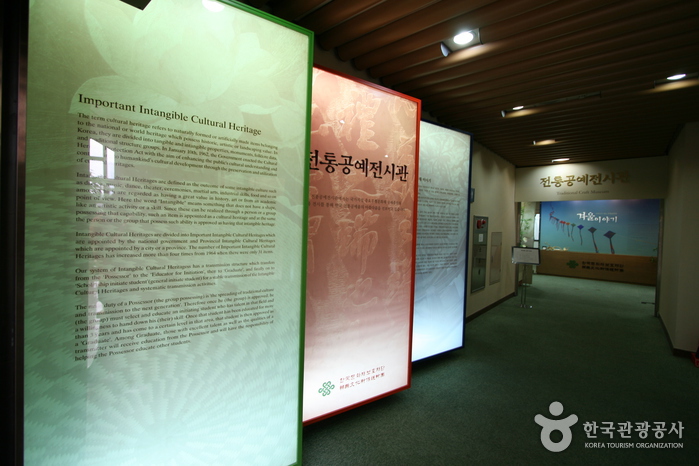
Seoul Center for National Intangible Cultural Asset (서울국가무형문화재전수회관)
10.1Km 2023-06-13
406, Bongeunsa-ro, Gangnam-gu, Seoul
+82-2-566-6300
Created by the government to hand down traditions and preserve important, intangible cultural assets, the center supports cultural masters in the training of their pupils and their efforts to promote Korean traditional culture to the general public.
The center houses 8 groups that represent the music field. Serving not only as a training ground for those specializing in the arts, the center also seeks to reach out to the general public through regular programs and recitals. Musicians also participate in musical conferences, events and performances on a national and international level.
There are 12 craft groups at the center that are directed by craft masters who have been designated 'National Intangible Cultural Assets.' Craft groups host a number of training programs.
Other special features of the center include the 'Pungryu,' a 147-seat folk theatre; the 2 or 3 story 'Traditional Craft Hall' with an open-run exhibition hall and planned exhibition hall; a shop selling the works of the artists; a seminar room; a training room; and a practical training room.
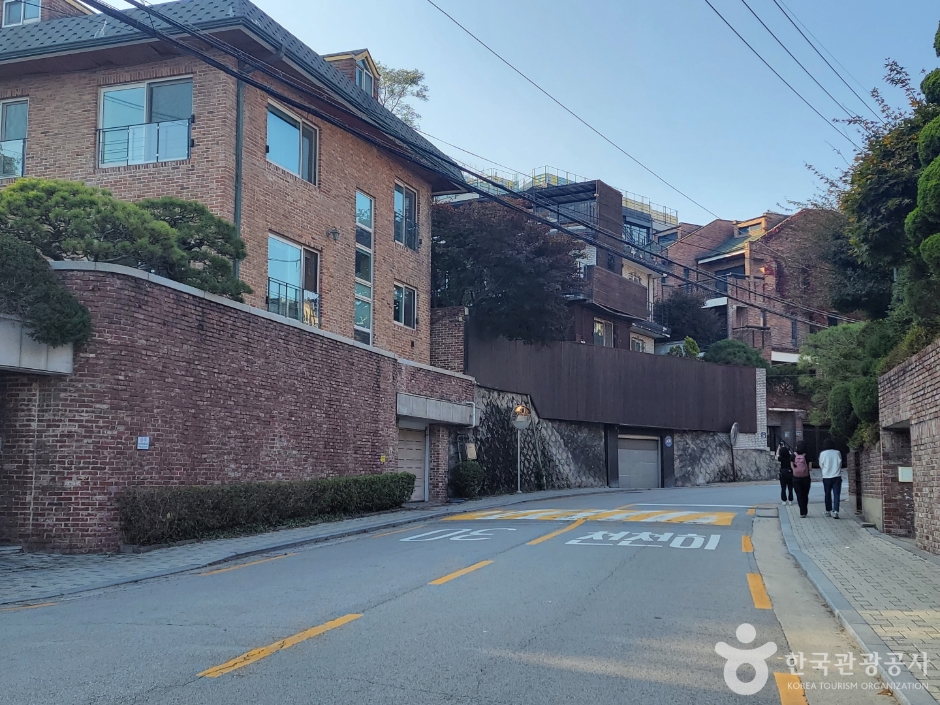
Seongbuk-dong–Bukchon Hanok Village Course (성북동고택북촌산책길)
10.1Km 2025-11-06
68, Seonjam-ro 5-gil, Seongbuk-gu, Seoul
The Seongbuk-dong–Bukchon Hanok Village Course is a nostalgic path connecting famous old houses in Seongbuk-dong and Bukchon Hanok Village, divided by the old city walls. Along the way, you'll find historic sites like Gilsangsa Temple, Jeongbeopsa Temple, Han Yong-un’s Simujang House, and novelist Lee Tae-jun's House. The trail also features charming cultural spots, such as the traditional tea house Sooyeon Sanbang and the Seongbuk Museum of Art.
◎ Travel information to meet Hallyu’s charm - "Parasite"
The scene in the alley where Ki-woo visited Mr. Park's house in a wealthy neighborhood for expensive tutoring was filmed in a residential area in Seongbuk-dong. Seongbuk-dong, an old wealthy village, has luxury mansions lined up in. There are many pretty cafés and galleries here and there, so it's good to take a leisurely look around. Mr. Park's house was a filming set, which was demolished after filming.
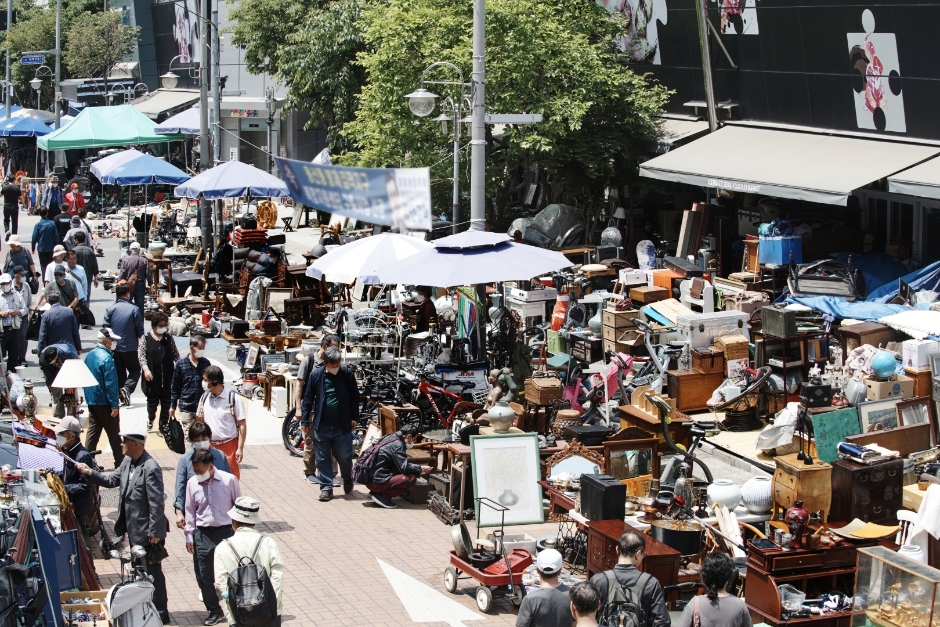
Seoul Folk Flea Market (서울 풍물시장)
10.2Km 2025-04-11
21 Cheonho-daero 4-gil, Dongdaemun-gu, Seoul
+82-2-2232-3367
The Seoul Folk Flea Market is located around Cheonggyecheon Stream's Hwanghakgyo Bridge and Sinseol-dong Station and is on its way to becoming a famous tourist attraction along with the already famous Cheonggyeocheon Stream. The Seoul Folk Flea Market is one of the major folk flea markets preserving the culture of the traditional Korean marketplace and drawing in visitors with a range of folk items that embody the unique charm of Korea. Folk items include everyday items, souvenirs, traditional goods and even traditional foods, allowing visitors to enjoy shopping and eating all under the same roof.
The Seoul Folk Flea Market originated from the flea market in Hwanghak-dong where many street shops and vendors gathered around Cheonggyecheon Stream before it was restored and modernized into its current state. The market was relocated to the Dongdaemun History & Culture Park (Formerly Dongdaemun Stadium) while the Cheonggyecheon Stream was undergoing restorations, and was moved back to Cheonggyecheon Stream sometime later. Seoul City aims to market Seoul Folk Flea Market as a new shopping spot at its current location, the former site of Sungin Girls' Middle School on Cheonggyeo 8-ga Street, near Cheonggyeocheon Stream to develop the Korean representative folk flea market-related tourism industry.
The main items of the Seoul Folk Flea Market include a diverse range of folk items, traditional crafts, local specialties and fashion items. You may also enjoy a range of foods and snacks including traditional Korean food and fusion cuisine from all over the world. What is special about the market is that you can find rare goods and authentic traditional items that cannot be found at other markets. The market atmosphere is a mix of old, revered traditions and modern aspects, providing visitors with a great shopping experience. The Seoul Folk Flea Market is truly a traditional flea market well worth visiting.
Miu Miu - Cheongdam Branch [Tax Refund Shop] (미우미우 청담점)
10.2Km 2024-04-23
439, Apgujeong-ro, Gangnam-gu, Seoul
-
 English
 한국어
한국어 日本語
日本語 中文(简体)
 Deutsch
 Français
 Español
 Русский


