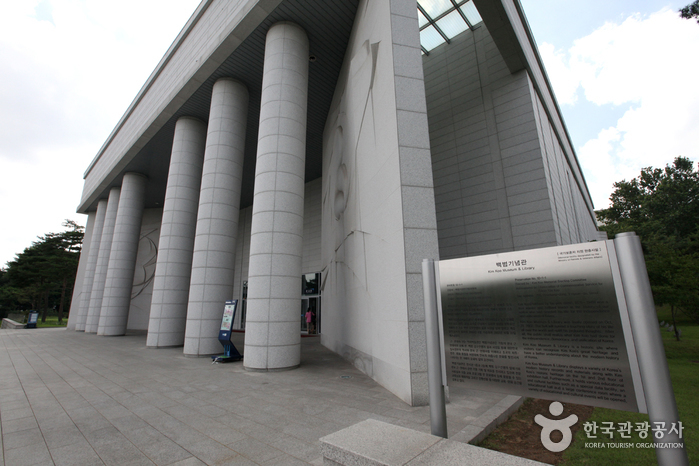
Kim Koo Museum & Library (백범김구기념관)
2.4Km 2022-08-30
26, Imjeong-ro, Yongsan-gu, Seoul
+82-2-799-3400
Kim Koo Museum & Library was built in Yongsan-gu, Seoul to commemorate Baekbeom Kim Koo (1876-1949), a highly respected Korean independence activist. It opened on October 22, 2002 to commemorate Kim Koo's efforts and achievements in Korean history. The main hall is comprised of two floors, exhibiting relics related to his entire life. A statue of a seated Kim Koo is situated in the central space of the first hall.
![Cheongun SP [Tax Refund Shop] (청운에스피)](http://tong.visitkorea.or.kr/cms/resource/06/3312906_image2_1.jpg)

Youngone Corporation [Tax Refund Shop] (주식회사 영원무역)
2.4Km 2024-04-19
159, Mallijae-ro, Jung-gu, Seoul
-
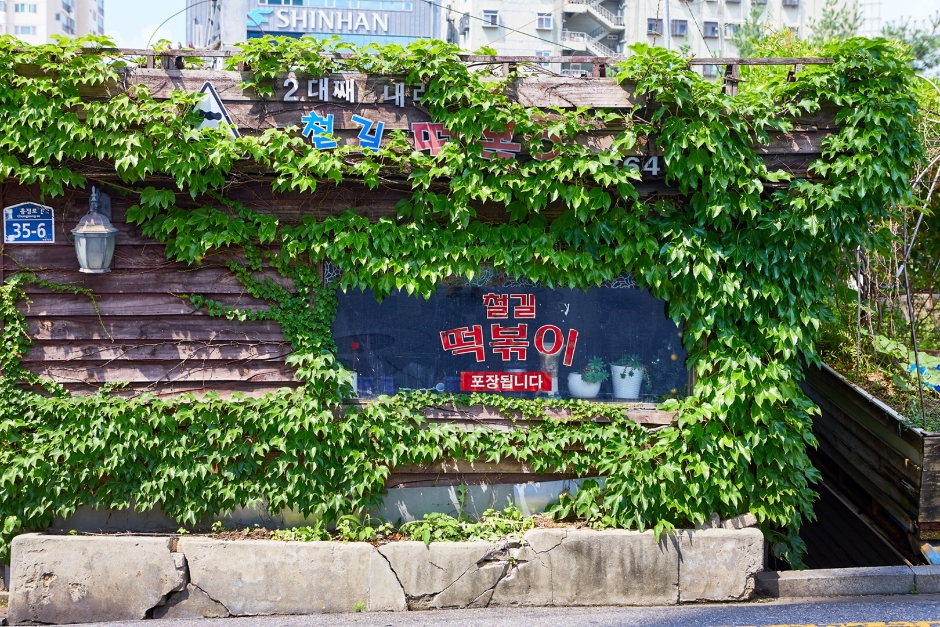
Cheolgil Tteokbokki (철길떡볶이)
2.5Km 2024-03-18
35-6 Chungjeong-ro, Seodaemun-gu, Seoul
Cheolgil Tteokbokki is a famous pilgrimage site for tteokbokki lovers. As the name suggests, it is located next to the railroad (“cheolgil” in Korean) near Chungjeongno Station. There is a wide variety of Korean dishes available, from tteokbokki that will bring back childhood memories to gimbap, deep-fried dishes, and sundae. As the name suggests, it is located next to the railroad near Chungjeongno Station. The restaurant has been in operation for two generations while maintaining its original appearance. The old signboard and exterior have a nostalgic feeling. Unlike tteokbokki in soup, which is currently popular, this tteokbokki with chewy rice cakes is coated well with thick spicy sauce. It's very delicious when mixed with the restaurant’s deep-fried foods. Visitors are recommended to take the seat outdoors to enjoy the view of the railroad tracks while eating.
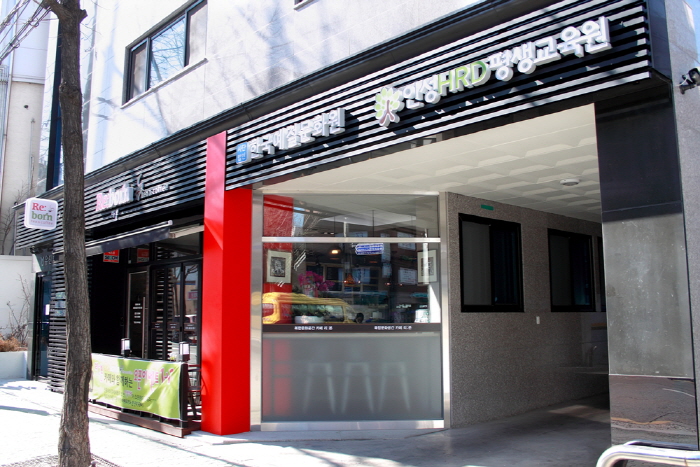
Korea Etiquette Institute (한국예절문화원)
2.5Km 2022-07-08
43 , Gajaeul-ro 4-gil, Seodaemun-gu, Seoul
+82-2-391-1988
Korea Etiquette Institue is dedicated to observing, researching, developing and passing down Korea's etiquette. Education programs are also available.
WENERD Corp. (주식회사 위너드)
2.6Km 2025-10-23
#201, Saul Building, 21 Seongmisan-ro 1-gil, Mapo-gu, Seoul
Wenerd provides a total care solution through “Wenerd Care”, combining premium wellness tourism with health check-ups to comprehensively manage clients’ health and beauty.
Seodaemun Prison History Museum (서대문형무소역사관)
2.6Km 2024-12-02
251 Tongil-ro, Seodaemun-gu, Seoul
Seodaemun Prison was built under the Japanese administration to imprison independence movement activists. It first opened on October 21, 1908 under the name Gyeongseong Prison. Eventually, so many activists were imprisoned that the building had to be expanded. At that time, the name changed to Seodaemun Prison on September 3, 1912. Eighty years later, the prison was turned into Seodaemun Independence Park on August 15, 1992 to commemorate the Korean patriots who were tortured in prison, giving their lives for freedom. Of the many buildings, only seven were preserved for their historical significance, among which three prison buildings and the execution site were designated as a Historic Site. In 1998, the park underwent another transformation into today's Seodaemun Prison History Hall to educate the public on the importance of Korea's independence and the sacrifices of those who fought to achieve it.
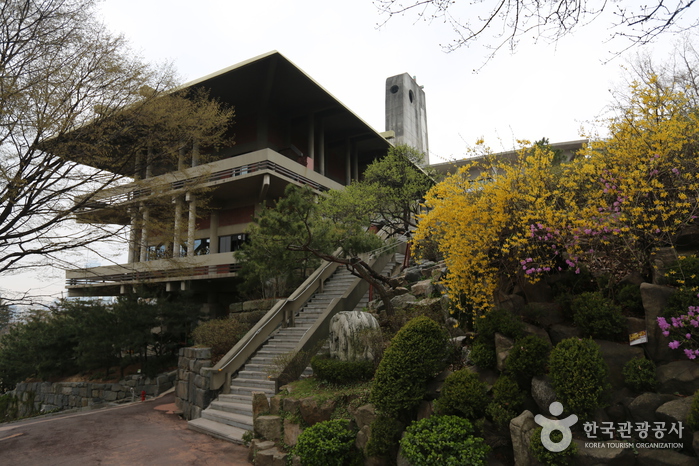
Korean Martyrs' Museum (한국천주교순교자박물관)
2.6Km 2023-01-03
6, Tojeong-ro, Mapo-gu, Seoul
+82-2-3142-4434
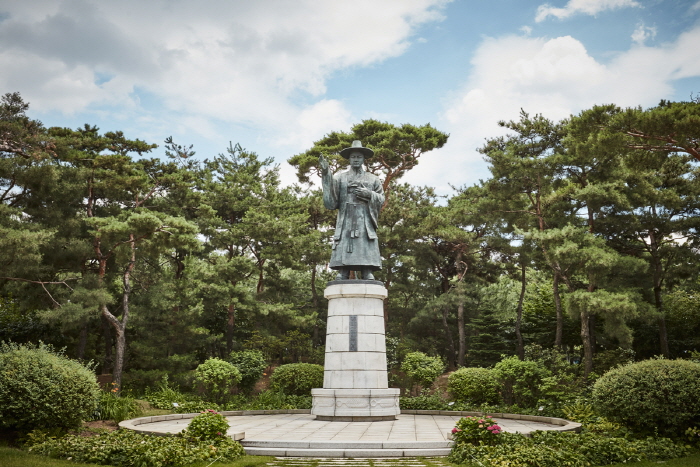
Korean Martyrs’ Museum was opened in October of 1967 as Jeoldusan Martyrs' Shrine, in memory of the Catholic martyrs who lost their lives during the Byeongin Persecution of 1866. The name of the museum changed to the current Korean Martyrs' Museum in August 2008. The museum displays artifacts and materials in exhibitions related to the Catholic Bishops' Conference of Korea.
Jeoldusan Martyrs' Shrine (절두산순교성지)
2.6Km 2024-03-12
6 Tojeong-ro, Mapo-gu, Seoul
+82-2-3142-4434
Jeoldusan Martyrs' Shrine is the site where many Catholic believers were executed in 1866 due to persecution. In commemoration of the 100th anniversary of the martyrdom, the Korean Catholic Church opened the Memorial Hall in October 1967, exhibiting materials, relics, and souvenirs related to the Korean Catholic Church and operating a museum. Pope Johannes Paulus II visited the site in 1984, and Mother Teresa visited in 1985.
Dongnimmun Gate (독립문)
2.6Km 2022-12-15
251, Tongil-ro, Seodaemun-gu, Seoul
Dongnimmun stands at the location originally known as Yeongeun, where envoys were once treated. When a Chinese envoy visited, the King would go out through this door to greet. In 1898, to announce the independence from Japan, Dongnimun was constructed with the fund collected by the citizens. The traces of the past still remain on Dongnimmun with two pillars in front of Dongnimmun being the remains of Yeongeunmun.
The Arc de Triomphe in France can be recalled in comparison to Dongnimmun. Dongnimmun was built using granite with a passageway x_height of 14.28 meters. On the top it is written ‘Dongnimmun’ in Korean with the national flag drawn on each side. On the inner-left side there are stone stairs leading to the attic. The national flower Mugunghwa are planted around Dongnimmun. Now it is surrounded by roads and it is eye-catching to view when passing by.
 English
 한국어
한국어 日本語
日本語 中文(简体)
 Deutsch
 Français
 Español
 Русский


