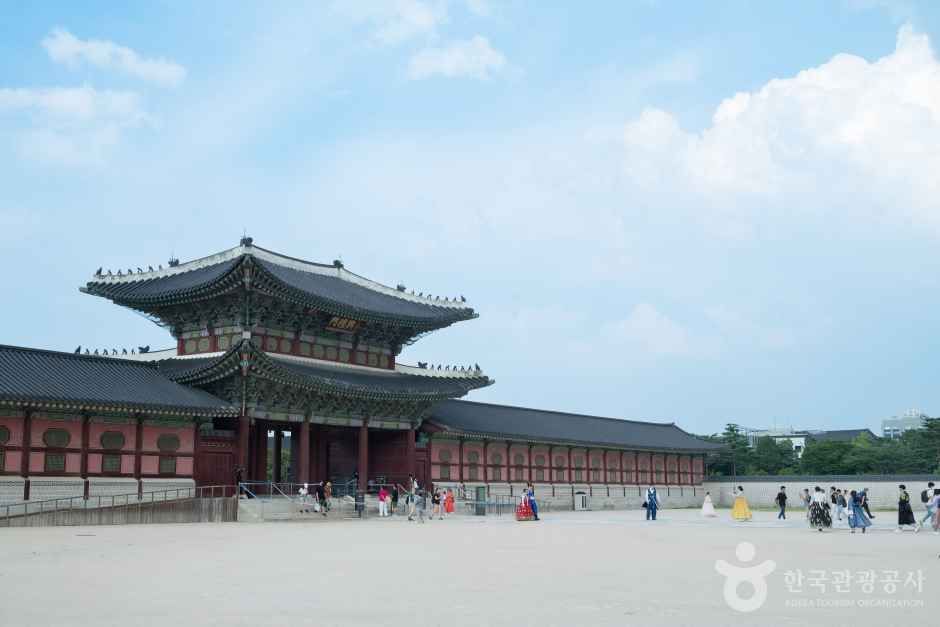
Gyeongbokgung Palace (경복궁)
3.7Km 2025-10-23
161 Sajik-ro, Jongno-gu, Seoul
+82-2-3700-3900
Gyeongbokgung Palace was built in 1395 as the official palace of the Joseon dynasty by Yi Seong-gye, the future King Taejo and founder of the new regime. Gyeongbokgung Palace is commonly referred to as the Northern Palace because of its location to the north, comparied to Changdeokgung Palace in the east and Gyeonghuigung Palace in the west. Gyeongbokgung Palace is arguably the most beautiful and is the largest of all five palaces. Many Joseon kings were crowned here. The premises were once destroyed by fire during the Imjin War (1592-1598). However, all of the palace buildings were later restored under the leadership of Heungseondaewongun during the reign of King Gojong. The assassination of Empress Myeongseong, however, resulted in Gyeongbokgung Palace losing its function as a royal palace, eventually witnessing the downfall of the Joseon dynasty. Gyeongbokgung Palace retains the original Gyeonghoeru Pavilion, a prime example of Joseon architecture, and the Hyangwonjeong Pavilion and pond. The sculptures in the Geunjeongjeon Hall exemplify Joseon-era sculpture techniques. The west side of the area outside Heungnyemun Gate is occupied by the National Palace Museum of Korea, while the eastern side of Hyangwonjeong Pavilion within the Gyeongbokgung Palace is occupied by the National Folk Museum of Korea.
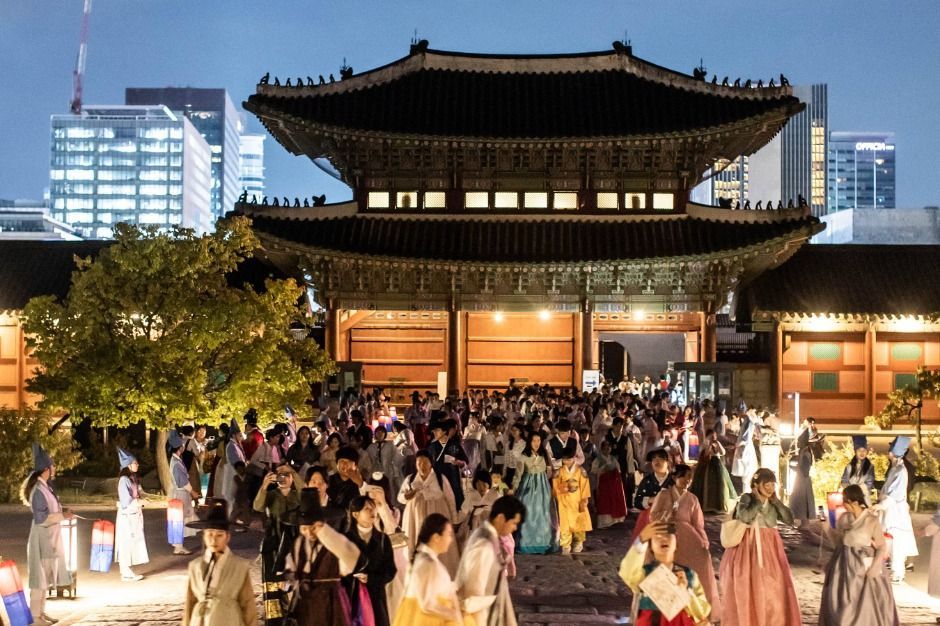
K-Royal Culture Festival (궁중문화축전)
3.7Km 2025-07-29
161 Sajik-ro, Jongno-gu, Seoul
+82-1522-2295
The K-Royal Culture Festival is held at the five Royal Palaces and Jongmyo Shrine. The festival first began in 2014 and provides visitors with first-hand knowledge of these important cultural heritages through unique performances, exhibitions, experiences and programs. The festival expanded in 2021 to be hosted twice a year, in spring and in fall.
![Daiso - Myeong-dong Station Branch [Tax Refund Shop] (다이소 명동역)](http://tong.visitkorea.or.kr/cms/resource/60/2878760_image2_1.jpg)
Daiso - Myeong-dong Station Branch [Tax Refund Shop] (다이소 명동역)
3.7Km 2024-04-22
B2F, 124, Singomae-ro, Giheung-gu, Yongin-si, Gyeonggi-do
-
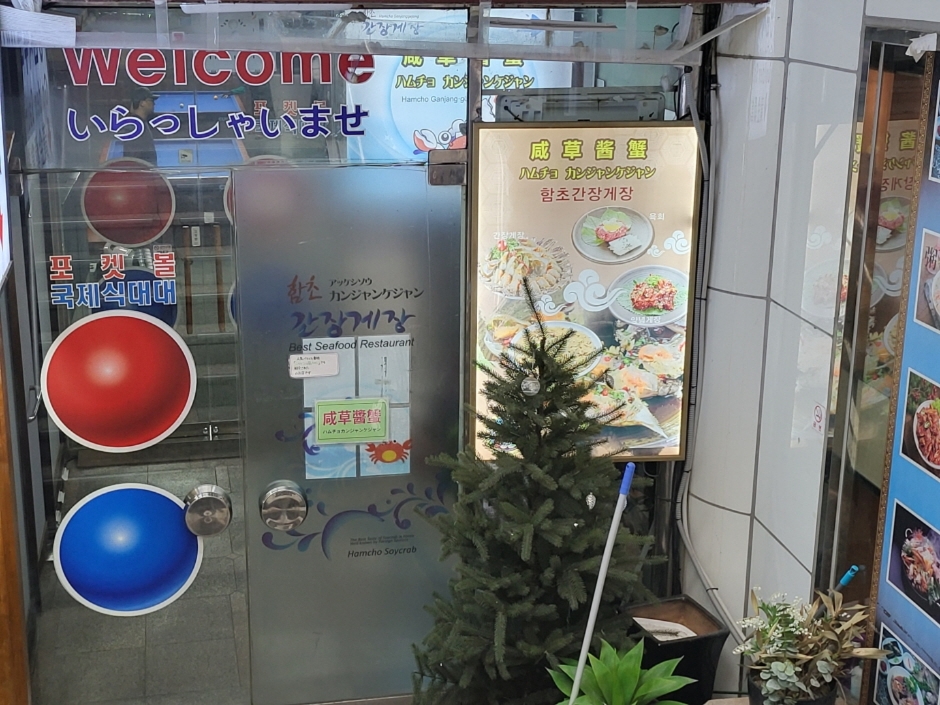
Hamcho Ganjanggejang (함초간장게장)
3.7Km 2024-03-11
27, Myeongdong 8ga-gil, Jung-gu, Seoul
+82-2-318-1624
Situated in Myeongdong Street, Hamcho Ganjanggejang specializes in ganjang gejang (soy sauce marinated crab). Their signature dish, ganjang gejang, is made by marinating blue crab in soy sauce and is a favorite among Koreans. Saeu jang (soy sauce marinated shrimp) and other seafood dishes (abalone, octopus, etc.) are also a must-try. In addition, the traditional Korean side dishes are so tasty that the restaurant never runs out of customers.
![CheongKwanJang - Jonggak Station Branch [Tax Refund Shop] (정관장 종각역)](http://tong.visitkorea.or.kr/cms/resource/13/2878213_image2_1.jpg)
CheongKwanJang - Jonggak Station Branch [Tax Refund Shop] (정관장 종각역)
3.7Km 2024-04-22
#102, 95, Sambong-ro, Jongno-gu, Seoul
-

Soul (소울)
3.7Km 2025-08-20
B1, 35 Sinheung-ro 26-gil, Yongsan-gu, Seoul
Soul is a fine-dining located in Hannam-dong. It presents reinterpretations of Korean cuisine, drawing inspiration from traditional dishes. The menu is structured into lunch and dinner courses. Known for its ability to artistically express familiar flavors encountered in daily life, Soul was selected for the 2023 Michelin Guide Seoul. Operating on a reservation-only basis, bookings can be made via phone.
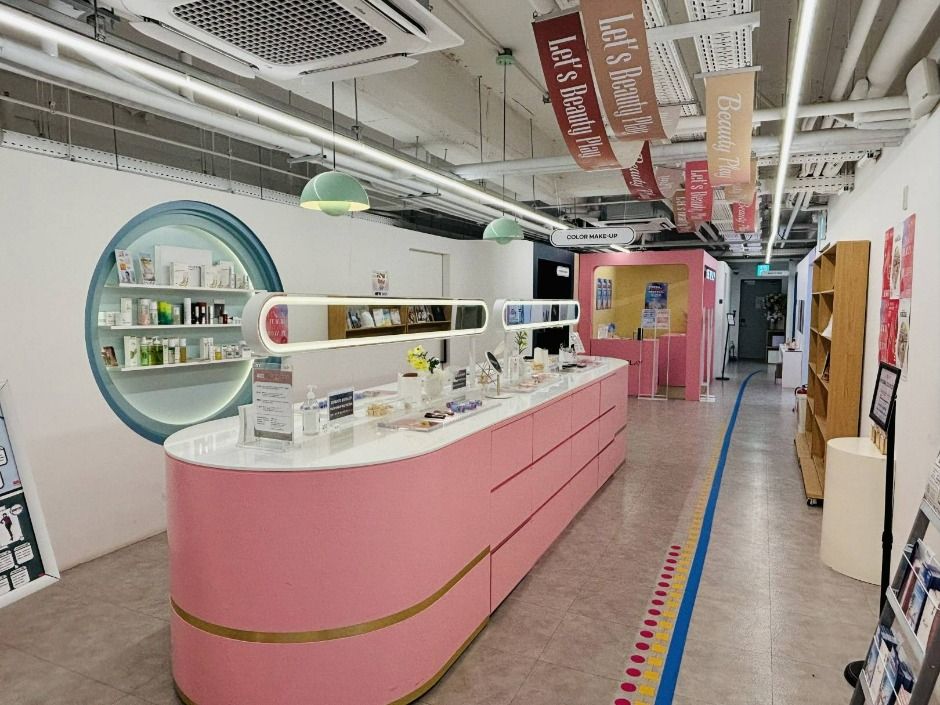
Beauty Play (뷰티플레이)
3.7Km 2025-11-14
73 Myeongdong-gil, Jung-gu, Seoul
Beauty Play is a K-beauty experience center operated by the Korea Cosmetics Industry Institute and supported by the Ministry of Health and Welfare. It offers a wide variety of sample Korean beauty products for testing as well as diverse beauty experience programs such as makeup touch-up service (choice of base, eyes, or lips), personal color test, and skin evaluation. Visitors can also ask for product recommendation based on their skin type or skincare concerns. Beauty Play also frequently hosts free one-day classes, which are announced online via its official website. It also hosts a variety of sample product giveaway events and the exhibited products get changed every two months, allowing visitors to get familiarized with lesser known quality products as well.
Jogyesa Temple (조계사(서울))
3.7Km 2024-10-25
55 Ujeongguk-ro, Jongno-gu, Seoul
As the main temple as well as the district head temple of the Jogye order in Seoul, Jogyesa Temple is the center of Korean Buddhism. The temple was built in the late 14th century during the Goryeo period but was completely destroyed in a fire. It was rebuilt under the name of Gakwangsa Temple in 1910 with the effort of many respectful monks, namely Han Yong-un and Lee Hee-gwang. The temple was given a role as the head temple of Korea’s Buddhism and renamed to Tegosa Temple in 1936. In 1954, a purification drive took place to eliminate Japanese influence and revive traditional Buddhism, which established the present day Jogyesa Temple as a result.
Jogyesa Temple plays an important role in Korean Buddhism as the head temple of the Jogye order. Jogyesa Temple’s Dharma Hall serves as the main venue for several Buddhist events, holding rituals, lectures, ceremonies, and other events all year long. The annual lantern festival in celebration of Buddha's birthday also takes place at this temple.
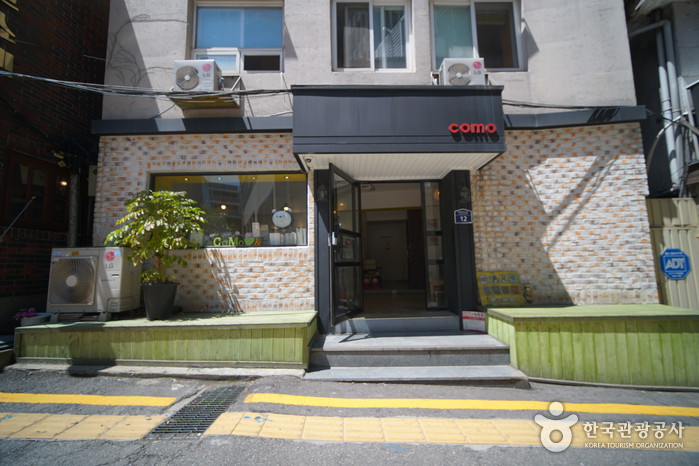
Myeongdong Guesthouse Como (명동게스트하우스 꼬모)
3.7Km 2024-12-23
12 , Toegye-ro 24-gil, Jung-gu, Seoul
+82-2-755-5437
Como is a guesthouse in Jongno-gu, Seoul, just 3-minute’s walk away from Myeongdong Station on Line 4. Como is particularly popular with foreign travelers: staff are fluent in English and Chinese, and luggage storage is free of charge. Rooms come in different sizes to cater from single travelers to family groups, and all have a separate bathroom and toilet. Must-see local sights such as Namsan Seoul Tower, Sungnyemun Gate, and Namdaemun Market are easily reached by car or bus.
![Olive Young - Jonggak Branch [Tax Refund Shop] (올리브영 종각)](http://tong.visitkorea.or.kr/cms/resource/24/2878224_image2_1.jpg)
Olive Young - Jonggak Branch [Tax Refund Shop] (올리브영 종각)
3.7Km 2024-04-18
45, Sungkyunkwan-ro 6-gil, Jongno-gu, Seoul
-
 English
 한국어
한국어 日本語
日本語 中文(简体)
 Deutsch
 Français
 Español
 Русский


