![Aritaum - Gwangju Jinwol Branch [Tax Refund Shop] (아리따움 광주진월점)](http://tong.visitkorea.or.kr/cms/resource/07/2886907_image2_1.jpg)
Aritaum - Gwangju Jinwol Branch [Tax Refund Shop] (아리따움 광주진월점)
4.6Km 2024-04-23
687, Seomun-daero, Nam-gu, Gwangju
-
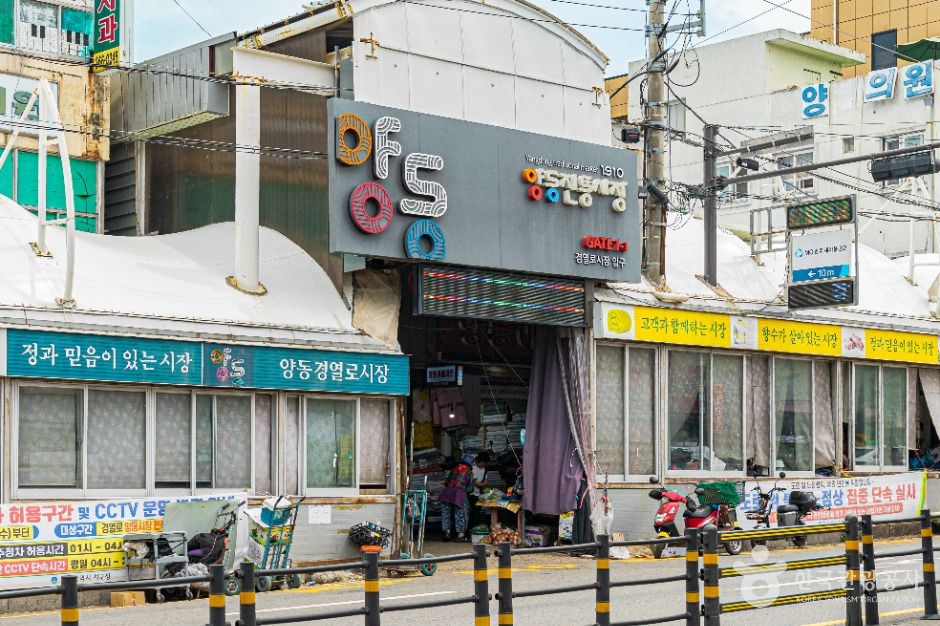
Gwangju Yangdong Market (광주 양동시장)
4.9Km 2025-08-13
238 Cheonbyeonjwa-ro, Seo-gu, Gwangju
Yangdong Market started in the 1910s as a traditional market held on dates ending in 2 and 7 of every month on the white sand beach under Gwangjugyo Bridge. The market has a long history and local citizens have many sayings referring to the multitude of items available here. During the May 18th Democratic Uprising, both Yangdong and Daein Markets were a grand venue where the citizens of Gwangju gathered together to rally for democratization of the nation. Merchants of the markets provided food, beverages, and medicine to the protestors and participated in the movement alongside their fellow citizens.
Yangdong Market is an outstanding traditional market among all markets throughout the nation. The market has upgraded with the times to include modern conveniences, including a consolidated market logo, online shopping mall, and merchant education classes.
![Gwangju IAM Guest House [Korea Quality] / 아이엠게스트하우스 [한국관광 품질인증]](http://tong.visitkorea.or.kr/cms/resource/52/2017452_image2_1.JPG)
Gwangju IAM Guest House [Korea Quality] / 아이엠게스트하우스 [한국관광 품질인증]
4.9Km 2024-07-24
23 , Gyeongyang-ro 165beon-gil, Buk-gu, Gwangju
+82-62-528-0012
The cozy and clean I Am Guesthouse in Gwangju, Jeollanam-do, stands right opposite Gwangju station. The guesthouse offers free Korean breakfast and brunch, there’s a personal locker for valuables and a powder room for female travelers. The location is convenient for sightseeing, with Mudeungsan Mountain nearby, and visitors can taste tteokgalbi and other delights of Namdo cuisine in local restaurants.
![ER NC Department Store - Gwangju Branch [Tax Refund Shop] (ER NC백화점 광주)](http://tong.visitkorea.or.kr/cms/resource/32/2886832_image2_1.jpg)
ER NC Department Store - Gwangju Branch [Tax Refund Shop] (ER NC백화점 광주)
5.0Km 2024-04-23
249, Gyeongyeol-ro, Buk-gu, Gwangju
-

Street of Duck Stew (오리요리의 거리)
5.1Km 2025-08-06
125 Gyeongyang-ro, Buk-gu, Gwangju
The Street of Duck Stew in Gwangju is lined with restaurants specializing in duck dishes. Its origins trace back to the 1970s, when a duck farmer began selling duck stew, adding their own twist by incorporating water parsley and perilla seeds to the recipe they had learned. The affordable price and clean, rich taste of stew made it popular among visitors, eventually leading to the formation of the current street. The popular dishes include ori tang (duck stew), ori roseu (grilled duck), and ori jumulleok (spicy stir-fried marinated duck).
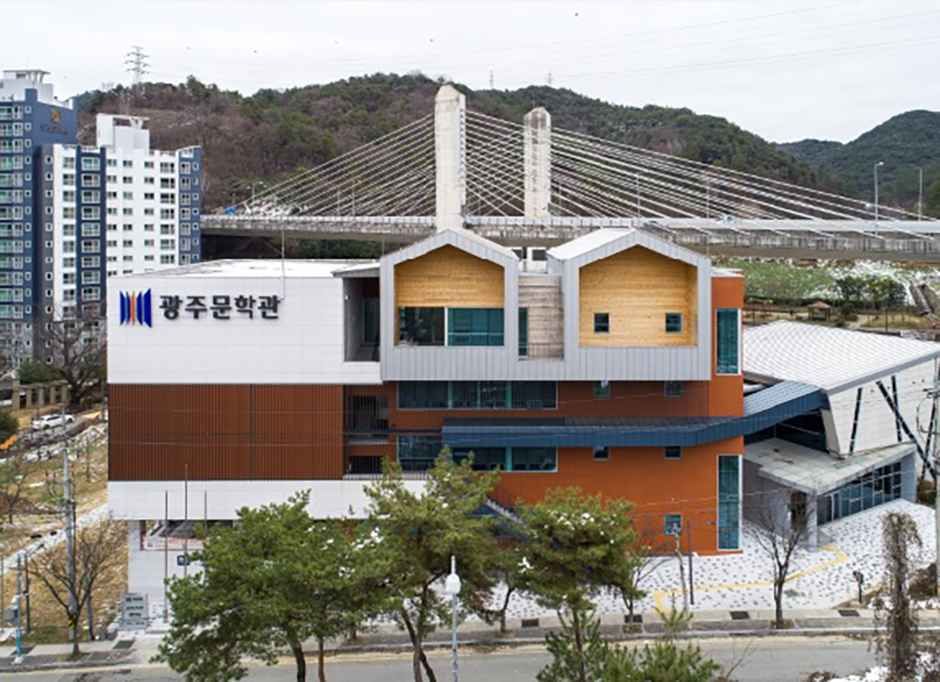
Museum of Gwangju Literature (광주문학관)
5.4Km 2024-11-20
93 Gakhwa-daero, Buk-gu, Gwangju
The Museum of Gwangju Literature offers a journey through Gwangju’s rich literary heritage, spanning from ancient times to the present day. Visitors can delve into the literature from the Mahan period, explore works from the 1920s and '30s tied to the national independence movement, and discover works from the 1980s that marked the beginning of the modern poetry movement. The permanent exhibition provides a chronological journey through the local literature of Gwangju. The museum also holds various programs for visitors.
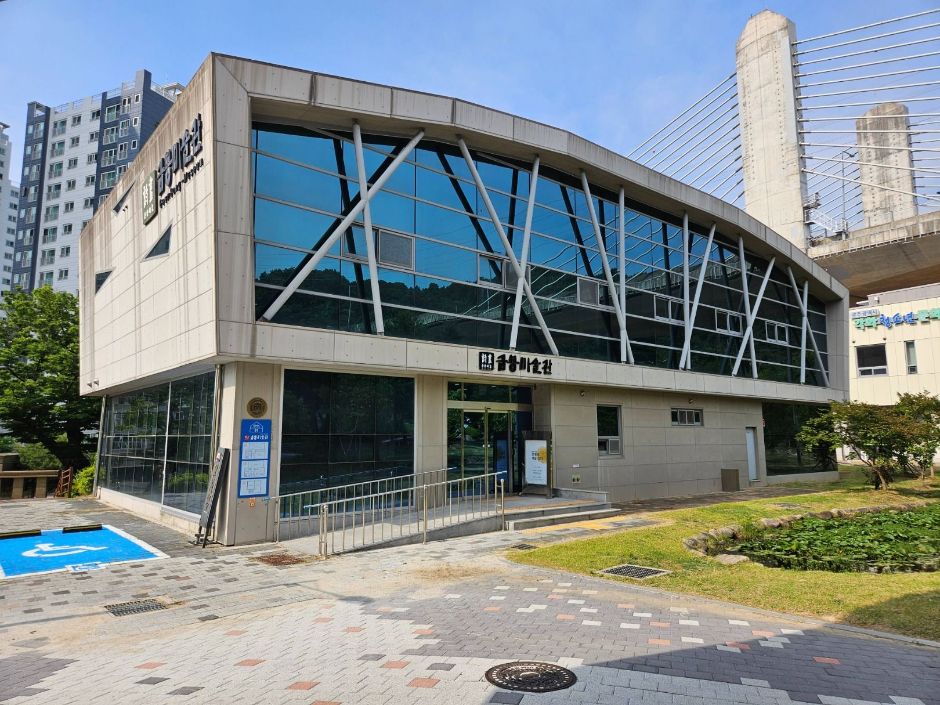
GeumBong-Museum (시화문화마을 금봉미술관)
5.5Km 2024-12-17
91 Gakhwa-daero, Buk-gu, Gwangju
Opened in 2015, GeumBong-Museum has 291 art works of painter Park HaengBo. The museum also has various contemporary art works to further spread the knowledge of both traditional and contemporary art. It offer classes and exhibition to support the local art culture.
![Homeplus - Donggwangju Branch [Tax Refund Shop] (홈플러스 동광주)](http://tong.visitkorea.or.kr/cms/resource/30/2886830_image2_1.jpg)
Homeplus - Donggwangju Branch [Tax Refund Shop] (홈플러스 동광주)
5.6Km 2024-04-22
200, Dongmun-daero, Buk-gu, Gwangju
-
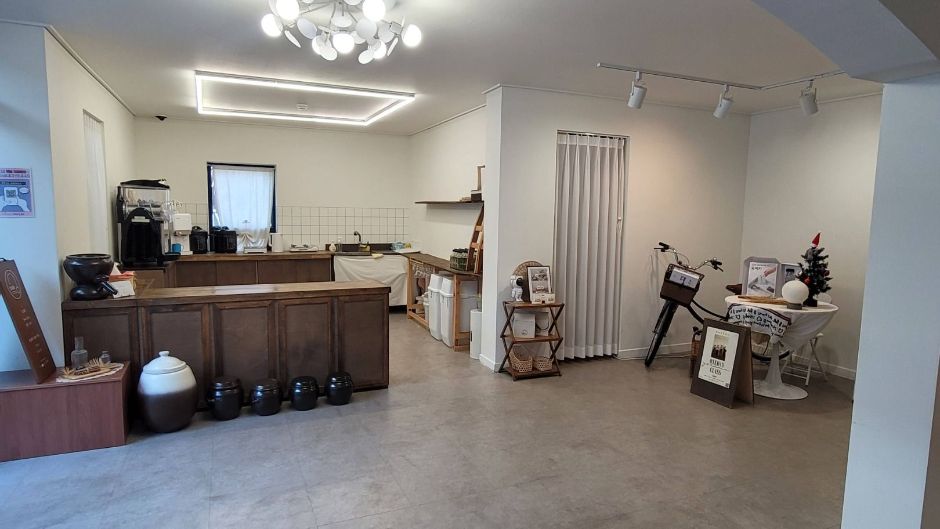
YODAMN (요담엔)
5.8Km 2024-12-20
39-2 Jami-ro 66beon-gil, Buk-gu, Gwangju
YODAMN is a Gwangju-based Company redefining Korea’s fermented traditions. It is known for its premium rice nuruk, a traditional Korean fermentation starter, and products like Yoando yogurt, a malted yogurt and Yomakkey, a makgeolli kit. The company is engaged in research, liquor development, and provides consultation services. Additionally, it offers unique experiences, such as one-day traditional liquor brewing classes, and sells its uniquely developed products. It is a great place for visitors to experience the Gwangju local traditional liquor culture.
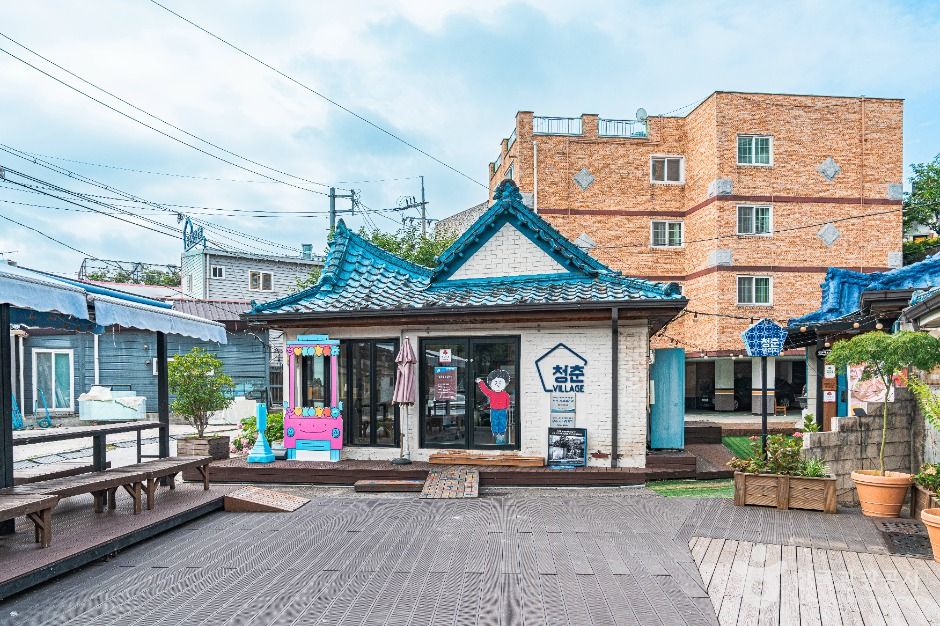
Cheongchun Balsan Village (청춘발산마을)
6.0Km 2025-10-24
12-16 Cheonbyeonjwa-ro, Seo-gu, Gwangju
Balsan Village is a representative neighborhood of Gwangju and is a prime example of how something amazing can come out of hardship. First settled by Korean war refugees, the small houses jam-packed on a hillside attracted young people looking for work in the 1970s and '80s, mainly females working in the garment factories nearby. Recently, the addition of colorful murals and public spaces has given the village a breath of new life.
 English
 한국어
한국어 日本語
日本語 中文(简体)
 Deutsch
 Français
 Español
 Русский


