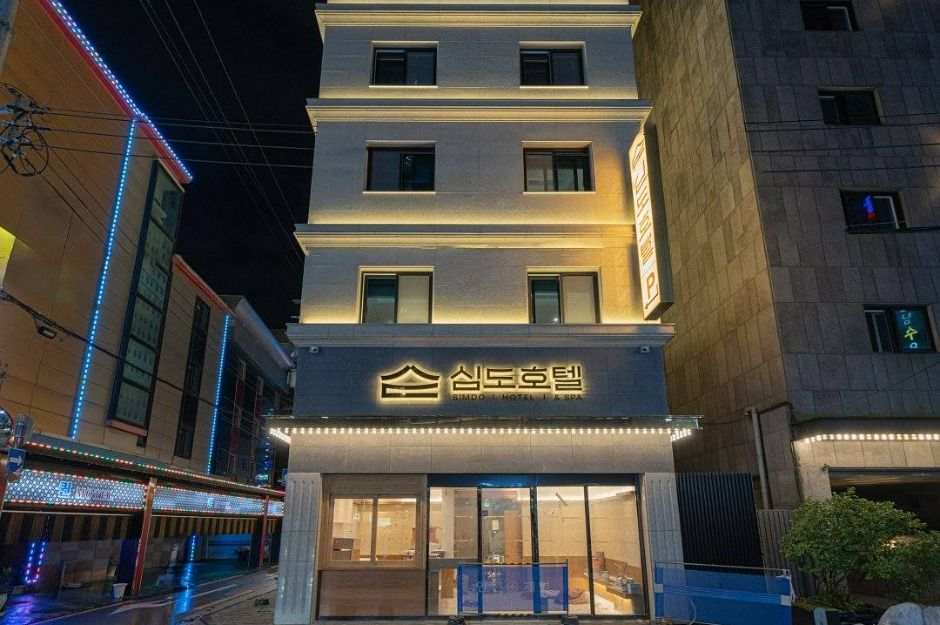
The Hyooshik Simdo Hotel & Spa Sillim by Aank (더휴식 심도 호텔 앤 스파 신림역점)
5.4Km 2025-04-22
7 Nambusunhwan-ro 181-gil, Gwanak-gu, Seoul
The hotel offers a variety of rooms to choose from, including standard rooms, a music room, a wellness room equipped with a premium massage bed, a movie room, a PC room with computers, four types of spa rooms, and a bunker room that can accommodate up to four people.

CM Hospital (CM병원)
5.4Km 2026-01-02
CM Chungmu Hospital, 13 Yeongdeungpo-ro 36-gil, Yeongdeungpo-gu, Seoul
Founded in 1949, this general hospital specializes in orthopedics and joint care. It is a nationally certified general hospital and a government-designated joint specialty hospital. As a third-generation institution, it is now led by Director Lee Sang-hoon, who has been appointed as the Chairman of the Medical Committee of the Korean Sport & Olympic Committee (KSOC) and is recognized as a pioneer in sports medicine in Korea. He is also the first IOC-certified specialist in Korea and serves as a Vice Chairman of the Olympic Council of Asia (OCA).
![CheongKwanJang [Tax Refund Shop] (정관장)](http://tong.visitkorea.or.kr/cms/resource/26/2891126_image2_1.jpg)
SADDLER HAUS (새들러하우스)
5.4Km 2024-02-21
B1, 10 Dosan-daero 17-gil, Gangnam-gu, Seoul
Saddler Haus is a charming café nestled in the chic Garosu-gil of Sinsa-dong. It is known for its customizable signature waffles, which can be tailored with a variety of flavors like sesame seeds, cheese, and basil. The café offers a seasonal drink named Summer Chocolate, exclusively available from June to November. Other unique beverages such as Saddler spänner and Plum squash are also popular. Owing to the café's cozy size, when seating is at capacity, visitors may be limited to a stay of up to 1 to 1.5 hours.
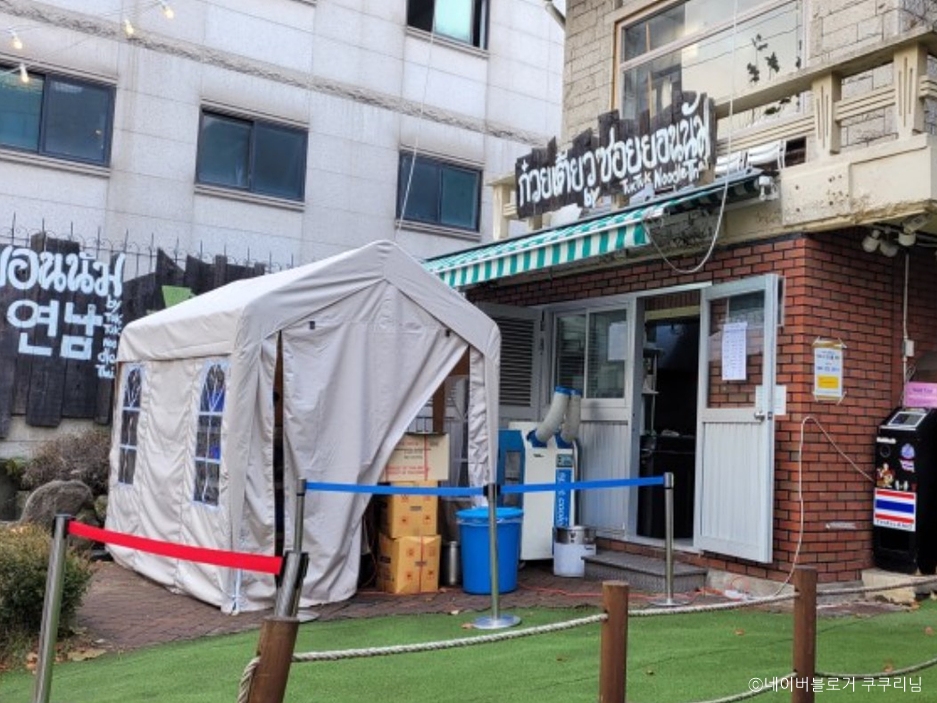
Soi Yeonnam (소이연남)
5.4Km 2024-02-22
1F, 267 Donggyo-ro, Mapo-gu, Seoul
Soi Yeonnam is a rice noodle specialty restaurant where you can experience the atmosphere of Thailand. The signature dish is the flavorful and rich sogogi ssalguksu (beef noodle soup). Other popular dishes include soi popia (spring roll), which is fried with shrimp, pork, mushrooms, tom yam ssalguksu (tom yum noodle), and som tam (green papaya salad). It's so famous that people line up to eat there, and it's beloved by both locals and tourists alike.
Olive Young - Sillim Branch [Tax Refund Shop] (올리브영 신림점)
5.4Km 2024-06-27
353, Sillim-ro, Gwanak-gu, Seoul
-
Seodaemun Prison History Museum (서대문형무소역사관)
5.4Km 2024-12-02
251 Tongil-ro, Seodaemun-gu, Seoul
Seodaemun Prison was built under the Japanese administration to imprison independence movement activists. It first opened on October 21, 1908 under the name Gyeongseong Prison. Eventually, so many activists were imprisoned that the building had to be expanded. At that time, the name changed to Seodaemun Prison on September 3, 1912. Eighty years later, the prison was turned into Seodaemun Independence Park on August 15, 1992 to commemorate the Korean patriots who were tortured in prison, giving their lives for freedom. Of the many buildings, only seven were preserved for their historical significance, among which three prison buildings and the execution site were designated as a Historic Site. In 1998, the park underwent another transformation into today's Seodaemun Prison History Hall to educate the public on the importance of Korea's independence and the sacrifices of those who fought to achieve it.
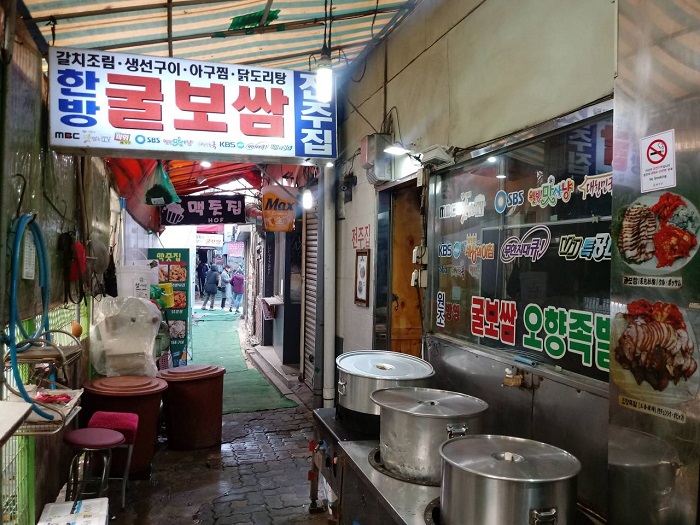
Jeonjujip (전주집)
5.4Km 2024-10-15
16-15 Supyo-ro, 20-gil, Jongno-gu, Seoul
+82-2-2278-3311
A store featured several times in Korean gourmet programs. This Korean dishes restaurant is located in Jongno-gu, Seoul. The most famous menu is kimchi cabbage wraps with pork and oysters.
![Opera Plastic Surgery [Tax Refund Shop] (오페라성형외과의원)](http://tong.visitkorea.or.kr/cms/resource/91/3314091_image2_1.jpg)
Opera Plastic Surgery [Tax Refund Shop] (오페라성형외과의원)
5.4Km 2024-06-27
527, Gangnam-daero, Seocho-gu, Seoul
-
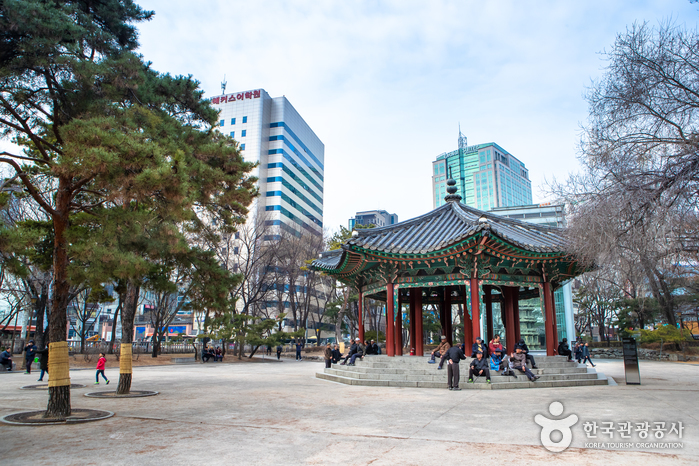
Tapgol Park (탑골공원)
5.4Km 2024-03-04
99, Jong-ro, Jongno-gu, Seoul
+82-2-731-0534
Tapgol Park is the first modern park in Seoul. Having been the site of the Buddhist temple of Wongaksa Temple since 1467, the land was turned into a park in 1897. The park has a significant presence in Korean history, being the place where the March 1 Independence Movement began in 1919. One can find historical sites that hearken back to the struggle, such as the Palgakjeong Pavilion, the center of the movement; cultural heritage sites such as the Ten-story Stone Pagoda of Wongaksa Temple Site and the Stele for the Construction of Daewongaksa Temple at Wongaksa Temple Site; and monuments such as the independence movement relief plate, murals, the statue of Son Byeong-hee, and the statue of Han Yong-un.
 English
 한국어
한국어 日本語
日本語 中文(简体)
 Deutsch
 Français
 Español
 Русский


