![Sulwhasoo SPA - Lotte Hotel Seoul Branch [Tax Refund Shop] (설화수스파롯데호텔서울점)](http://tong.visitkorea.or.kr/cms/resource/38/3314438_image2_1.jpg)
Sulwhasoo SPA - Lotte Hotel Seoul Branch [Tax Refund Shop] (설화수스파롯데호텔서울점)
1.4Km 2024-06-27
30, Eulji-ro, Jung-gu, Seoul
-

Seodaemun Independence Park (서대문독립공원)
1.4Km 2022-12-15
251, Tongil-ro, Seodaemun-gu, Seoul
+82-2-3140-8305
Seodaemun Independence Park was built on the former Seoul Detention Camp. It was used to imprison thousands of Korean independence activists until the liberation from the Japanese occupation on August 15, 1945, as well as the political prisoners during the political turmoil in the 1960s. When the prison was moved to Uiwang-si, Gyeonggi-do in November 1987, the area was restored and turned into a memorial park in August 15, 1992 to honor the sacrifices of the martyrs. The park preserves seven prison buildings, an execution ground, underground women’s prison, and the March 1st Movement Monument that has been moved from Tapgol Park in Jongno.
One of the most significant monuments of the Seodaemun Independence Park is Dongnimmun Gate (Independence Gate), which has been designated a Historic Site. Nearby is Dongnipgwan (Independence Hall), originally called Mohwagwan, which was used to greet Chinese envoys during the Joseon dynasty. Today, the hall enshrines 2,327 tablets inscribed with the names of Koreans who died for the cause of national independence. Standing right next to Dongnimmun Gate are the remnants of Yeongeunmun Gate, another Historic Site. Other sights inside the park include the Patriotic Martyr Monument, Declaration of Independence Monument, and Statue of Dr. Seo Jae-pil, who was an independence activist and publisher of Korea’s first independent newspaper. The main highlight of the park is the Seodaemun Prison History Hall, a former prison building that was renovated into a history museum.
Choedaegamne (최대감네)
1.4Km 2024-03-18
12-3 Insadong 8-gil, Jongno-gu, Seoul
+82-2-733-9355
Choedaegamne is a traditional Korean restaurant located in a hanok in Insa-dong, with a garden and a pond, and has been in operation for over 100 years. One of their popular dishes is the sangchu shabu jeongsik (shabu with rice in a cabbage set menu), where vegetables and meat are cooked in a broth and then enjoyed with noodles, served with a small rice ball on lettuce. They also offer a so galbijjim jeongsik (steamed beef ribs set menu) and bulgogi jeongsik (bulgogi set menu), served with lotus leaf rice and soybean paste jjigae. After the meal, guests can enjoy tea in the garden.
Yangbandeck (양반댁)
1.4Km 2024-03-18
19-18 Insadong-gil, Jongno-gu, Seoul
+82-2-733-5507, +82-2-730-1112
Yangbandeck is a traditional Korean house in Insa-dong, serving ganjang gejang (soy sauce marinated crab) and bori gulbi (barley-aged dried yellow croaker). Theganjang gejang is made from crabs filled with roe, matured in soy sauce. The taste of barley-aged dried yellow croaker, made from dried yellow croaker matured in sea breeze and served on top of rice, is exceptional. Each meal comes with a hot pot rice, and side dishes such as soybean paste jjigae, pancakes, kimchi, and japchae are served as standard.
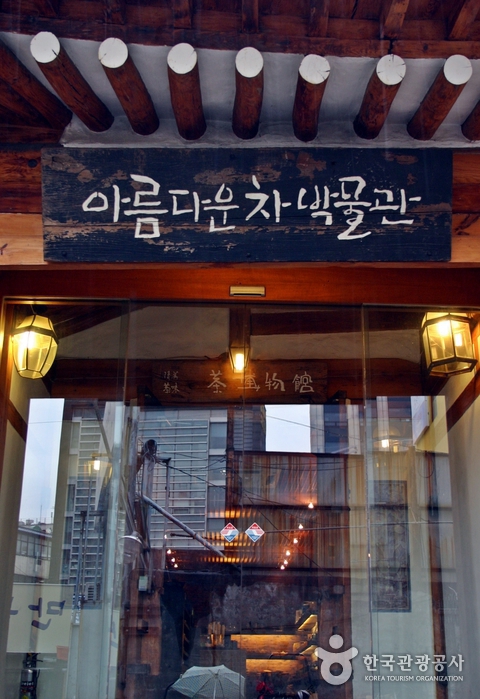
Beautiful Tea Museum (아름다운 차박물관)
1.4Km 2022-07-26
19-11, Insadong-gil, Jongno-gu, Seoul
+82-2-735-6678
Located in Insa-dong, The Beautiful Tea Museum aims to promote Korean tea culture. It preserves and exhibits tea related utensils and items, featuring those from the ancient Gaya and Joseon period as well as items from abroad such as China and Tibet. The museum also displays original tea pots and other ceramics made by young artists and ceramists. Inside the museum is a tea house named "Tea Story," serving a wide variety of teas. Visitors can also purchase tea leaves from all over the world at the Tea Shop.
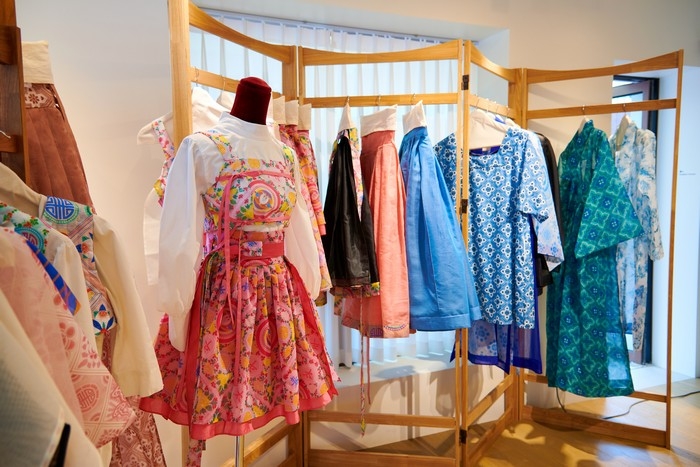
Danha(단하)
1.4Km 2025-11-05
39-7 Palpan-gil, Jongno-gu, Seoul
BLACKPINK's “HOW YOU LIKE THAT” music video created a sensation, reaching 100 million views within 32 hours of its release. The most noteworthy part of the music video was the hanbok they wore. Danha, which was in charge of making the costumes, improved the traditional hanbok and completely recreated it as a stage costume, garnering attention from all over the world. Danha is famous for designing hanboks using traditional patterns. The patterns engraved on the clothes in the BLACKPINK music video used the phoenix design pattern of the royal cloth. Danha's hanbok can be purchased through the online shop, and if you want to have it custom-made, you can visit Danha Maison after making a reservation.
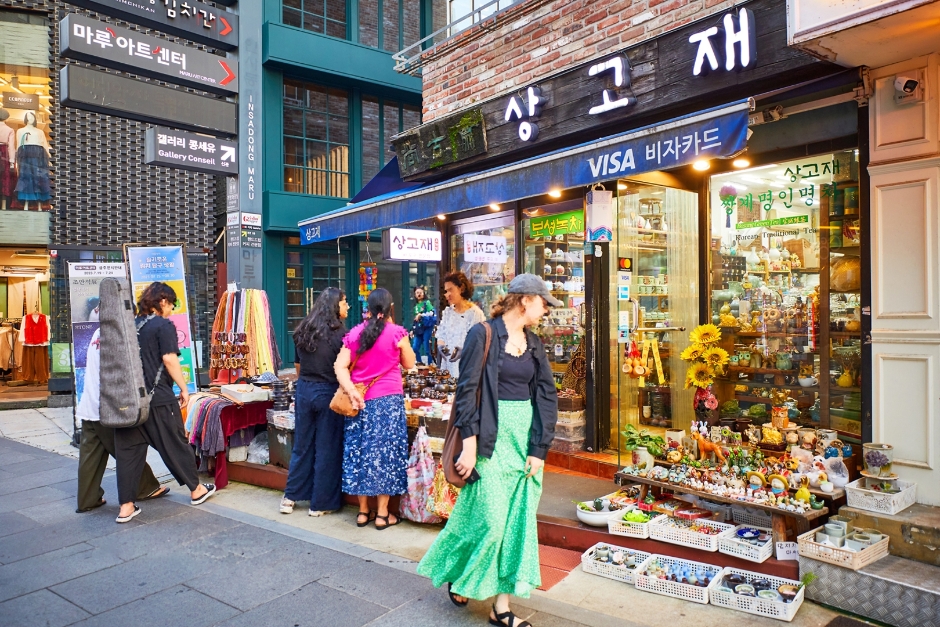
Insadong Cultural Street (인사동 문화의 거리)
1.4Km 2023-12-26
Insa-dong, Jongno-gu, Seoul Metropolitan City
Insadong Cultural Street is a popular tourist destination for visitors from all around the world, thanks to its numerous art galleries, restaurants serving Korean table d’hote, traditional teahouses, and street vendors lining the streets. Its most recognizable feature is the use of Hangeul (Korean script) in storefronts, which allows the visitors to really see just what makes this place so special. Unlike the nearby Ikseon-dong Hanok Street, Insadong Cultural Street has larger streets with wider stores, so it is much easier to traverse. On evenings and weekends, one can find buskers performing on the side of the road.
Jinju Hoegwan (진주회관)
1.4Km 2024-06-19
26 Sejong-daero 11-gil, Jung-gu, Seoul
+82-2-753-5388
Jinju Hoegwan is a renowned kongguksu (noodles in cold soybean soup) eatery near City Hall Station. Kongguksu is a traditional Korean summer dish made by boiling and grinding soybeans into a creamy broth, served with noodles, offering a refreshing and nutty flavor. Kongguksu is available from March to November. Their staff-recommended menu includes kimchi bokkeumbap (kimchi fried rice), freshly roasted by the staff, along with kimchi jjigae and samgyeopsal (pork belly).
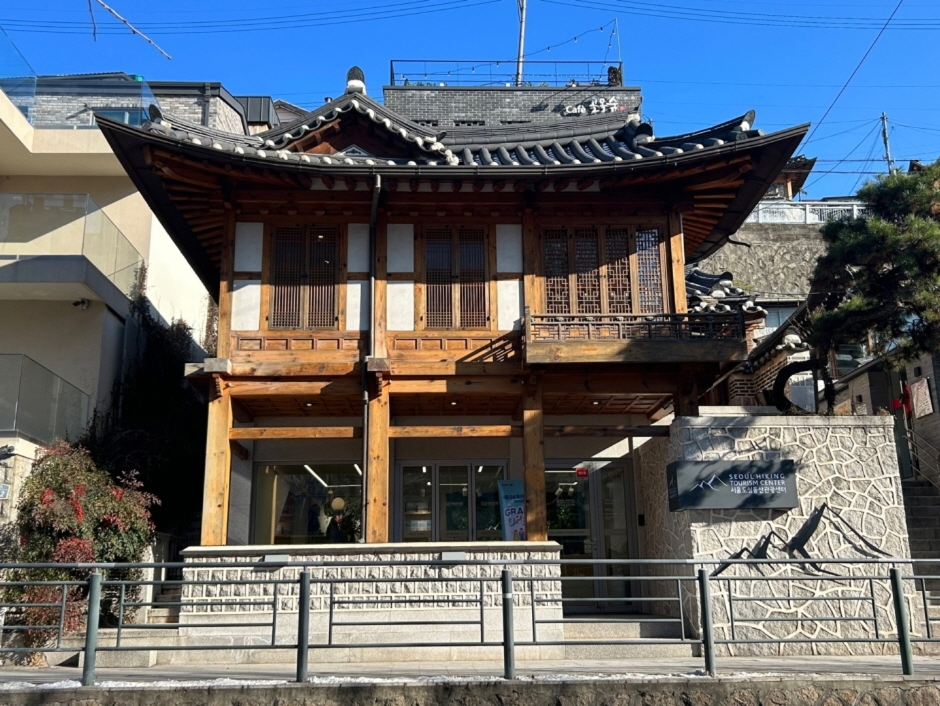
Seoul Hiking Tourism Center - Bugaksan Branch (서울도심등산관광센터(북악산))
1.4Km 2024-03-05
88 Samcheong-ro, Jongno-gu, Seoul
The Bugaksan branch of Seoul Hiking Tourism Center is located on Samcheong-dong Culture Street and provides various services to hikers. It provides hiking course guidance and information (available in Korean, English, Chinese, and Japanese) about the mountains of Seoul, including Bukhansan, Bugaksan, and Inwangsan Mountains, as well as promotional materials such as Seoul hiking tourism guidebooks and maps. Also, it operates hiking tour programs with various themes every week for foreigners and offers hiking gear rental services such as hiking boots, hiking attire, trekking poles, gloves, and crampons for foreigners. (Koreans accompanied by foreigners can also rent the gear.) In addition, there is a storage locker and lounge for visitors, so they can pack up and rest before hiking.
 English
 한국어
한국어 日本語
日本語 中文(简体)
 Deutsch
 Français
 Español
 Русский


