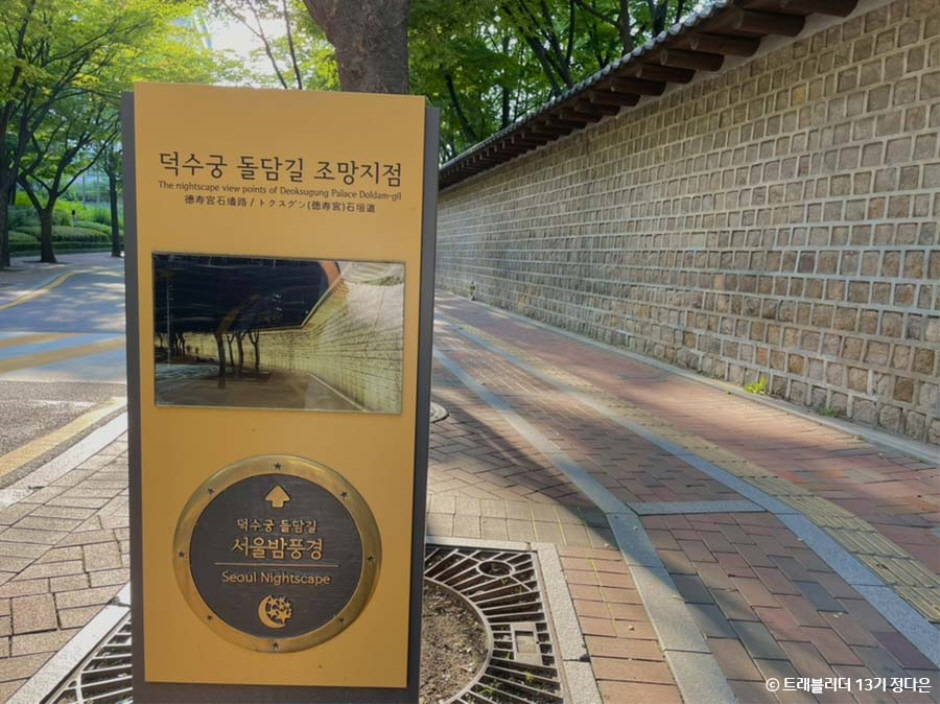
Jeongdong-gil Road (정동길)
684.8M 2024-06-19
2-1 Jeongdong-gil, Jung-gu, Seoul
Jeongdong-gil Road is one of Seoul's most famous walking paths, stretching from the intersection in front of Jeongdong Church to Saemunan-gil Road. The street holds importance in Korea's modern history, with the surroundings serving as a living museum of this. During the Joseon dynasty, the area developed into a residental space for distant members of the royal family, with a palace and royal tombs in the area. In 1999, the pedestrian walking area was expanded by turning the two-way road into a one-way road. Since then, the road has earned many awards and honors.
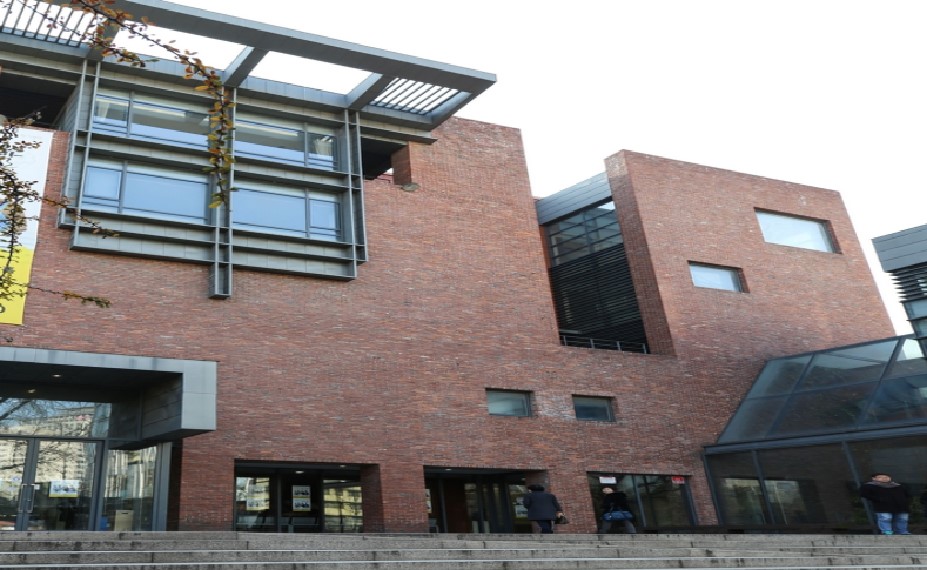
Ewha Centennial Hall (이화여고100주년기념관)
692.6M 2024-02-20
26 Jeongdong-gil, Jung-gu, Seoul
Ewha Centennial Hall is a multimedia education center located next to Ewha Girls' High School. Spanning underground and five above-ground floors, it features a gallery, a cafe, music rooms, individual practice rooms, and audio-visual rooms. The Hwaham Hall on the first and second floors is utilized for performances such as musicals and concerts, as well as educational events.

Gyeonghuigung Palace (경희궁)
696.2M 2024-07-09
45 Saemunan-ro, Jongno-gu, Seoul
+82-2-724-0274
Gyeonghuigung Palace, a designated Historic Site, was originally called the large palace by Saemun Gate, or the Western Palace, for its location within the city. It was not until the eighth year of Gwanghaegun (1616) that the palace was used as a royal residence for the king, changing the name to Gyeongdeokgung Palace. The name later changed again to the current Gyeonghuigung Palace in 1760. The palace grounds included many halls but they were mostly all burned down in a fire in 1829. After the Japanese occupation began, all remaining buildings on the site were torn down and the palace grounds were turned into Gyeongseong Middle School (now Seoul High School). The school moved to Gangnam area in 1987, afterwhich the previous location was turned into a park. The palace grounds currently hold Seoul Museum of Art and walking paths, as well as a restoration of Heunghwamun Gate, the main gate of the palace, and Sungjeongjeon Hall, the main hall, completed in November 1994.
Jeongdong Observatory (정동전망대)
697.1M 2022-08-11
15, Deoksugung-gil, Jung-gu, Seoul
+82-2-120
Jeongdong Observatory is located on the 13th floor of Seoul City Hall Seosomun building. The observatory has a cafe inside where visitors can enjoy a drink while gazing upon the magnificent view of Deoksugung Palace from above. In addition, the walls of the cafe are decorated with photos of old Jeongdong.
![Olive Young - Jonggak Branch [Tax Refund Shop] (올리브영 종각)](http://tong.visitkorea.or.kr/cms/resource/24/2878224_image2_1.jpg)
Olive Young - Jonggak Branch [Tax Refund Shop] (올리브영 종각)
707.7M 2024-04-18
45, Sungkyunkwan-ro 6-gil, Jongno-gu, Seoul
-
Templestay Information Center (템플스테이 홍보관)
708.9M 2022-10-17
56, Ujeongguk-ro, Jongno-gu, Seoul
+82-2-2031-2000
Templestay Information Center offers various information and services regarding templestays and temple meals for domestic and international visitors. The center also operates traditional cultural experiences, such as tea time with a Buddhist monk, traditional culture activities and more.
Imun Seolnongtang (이문설농탕)
714.9M 2025-06-18
38-13 Ujeongguk-ro, Jongno-gu, Seoul
+82-2-733-6526
Imun Seolnongtang has been serving its hearty seolleongtang for over a hundred years since it first opened in 1907. Even its name has a long history: the word imun comes from Imun-gol, the now-obsolete name of the restaurant’s location, and seolnongtang, an old variation of the word seolleongtang. During the Japanese colonial rule, the restaurant’s regular customers included Gijeong Son, the marathon gold-medalist at the 1936 Berlin Olympics. The meal served at this restaurante is reputed to stay consistent from the Japanese colonial period.
![SAERAN OPTICAL[Korea Quality]/세란안경[한국관광 품질인증]](http://tong.visitkorea.or.kr/cms/resource/23/2498023_image2_1.JPG)
SAERAN OPTICAL[Korea Quality]/세란안경[한국관광 품질인증]
718.1M 2024-06-25
30 , Eulji-ro, Jung-gu, Seoul
+82-10-8746-2715
Seran Optical Center is a specialty eyewear store on the 1st basement floor of the Lotte Hotel in Jung-gu, Seoul, and opened in 1979 along with the Lotte Department Store and Hotel in Myeong-dong. Drawing on long-standing expertise, Seran optometrists offer a 1:1 customer-centered service, providing high-quality glasses and precision processing to suit customers’ lifestyle. There is also post-tax exemption for foreigners, and thorough post-sales support. Featured brands include LINDBERG, Cartier, CHROME HEARTS, and Berlin.
![Prada - Lotte Main Branch [Tax Refund Shop] (프라다 롯데 본점)](http://tong.visitkorea.or.kr/cms/resource/46/2889746_image2_1.jpg)
Prada - Lotte Main Branch [Tax Refund Shop] (프라다 롯데 본점)
718.1M 2024-04-19
30, Eulji-ro, Jung-gu, Seoul
-
Gucci - Lotte Main Branch [Tax Refund Shop] (구찌 롯데 본점)
718.1M 2024-04-23
1F, 30, Eulji-ro, Jung-gu, Seoul
-
 English
 한국어
한국어 日本語
日本語 中文(简体)
 Deutsch
 Français
 Español
 Русский


