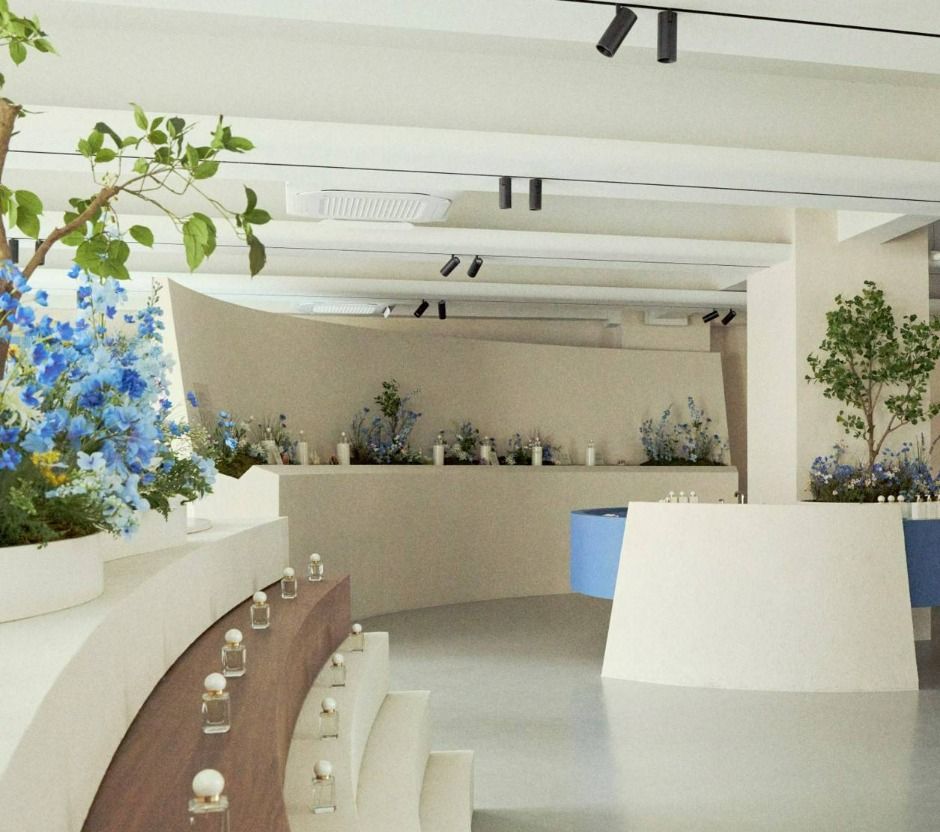
Matthew Chang Anguk (메튜장 안국)
722.2M 2025-07-14
33 Yulgok-ro, Jongno-gu, Seoul
Matthew Chang Anguk flagship store uses the whole space to bring the brand's philosophy to life through fragrance. Located in Anguk, the heart of Korea's tradition and aesthetics, the store's tranquil atmosphere sets the mood for visitors to try on and experiment with the brand's carefully selected perfume collection. The staff provides assistance in recommending the perfect scent according to visitor's preference, mood, and nostalgia. The store also has a section dedicated to body care products, such as hand wash and body lotion.

Ground Seesaw Seochon (그라운드시소 서촌)
724.3M 2023-01-17
18-8, Jahamun-ro 6-gil, Jongno-gu, Seoul
Ground Seesaw is a cultural complex located in Seochon, Jongno presented by Media & Art, an exhibition production company, and designed by SoA, an architecture firm, and Loci Studio, a landscaping studio. Visitors are able to check out a variety of exhibits at Ground Seesaw Seochon.

Toin (토인)
724.3M 2025-11-05
48 Insadong-gil, Jongno-gu, Seoul
+82-2-736-5142
Toy store where you can buy Dalgona sets
It is a retro-style store that sells nostalgic toys and snacks. The small space is filled with colorfully colored wrapping paper and toys that are difficult to understand at first glance. As soon as you enter this place, children and adults will feel excited and their eyes will sparkle. Among the various products, the most popular item is by far the Dalgona set. It is good to make new memories by choosing snacks and toys that suit your taste
Seoul Plaza (서울광장)
725.3M 2024-06-19
110 Sejong-daero, Jung-gu, Seoul
+82-2-2133-5640
Seoul Plaza in front of Seoul City Hall is a historic site where the March 1, 1919 (Samil) Independence Movement and the pro-democracy movement in June 1987 were held. It is also a well-known place where tens of thousands of Korean soccer fans gathered together to watch the 2002 World Cup Games. Being located within the center of the city and surrounded by many historic attractions, including Deoksugung Palace, Seoul Plaza has become a representative attraction of Seoul.
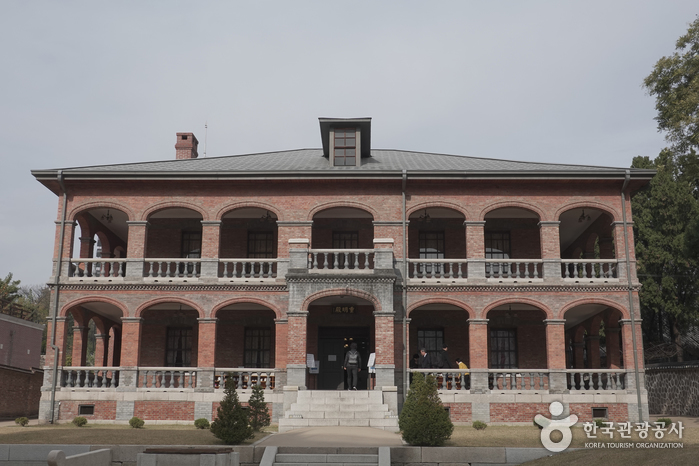
Jungmyeongjeon Hall (중명전)
726.2M 2025-01-09
41-11, Jeongdong-gil, Jung-gu, Seoul
+82-2-752-7525
Located near Deoksugung Palace, Jungmyeongjeon Hall is a red-brick modern Western-style building. It was built in 1899 as the imperial library of the Korean Empire. After Deoksugung Palace caught on fire in 1904, the place became the temporary residence of Emperor Gojong. It also witnessed the tragic part of history in which the infamous Eulsa Treaty (Japan-Korea Protectorate Treaty), an illegal treaty forced by Japan, was signed in 1905. Its exhibition hall serves as a place for historical education.
High - Anguk Branch [Tax Refund Shop] (하이엔드코리아 안국)
727.8M 2024-04-17
1F, 62-5, Insadong-gil, Jongno-gu, Seoul
-
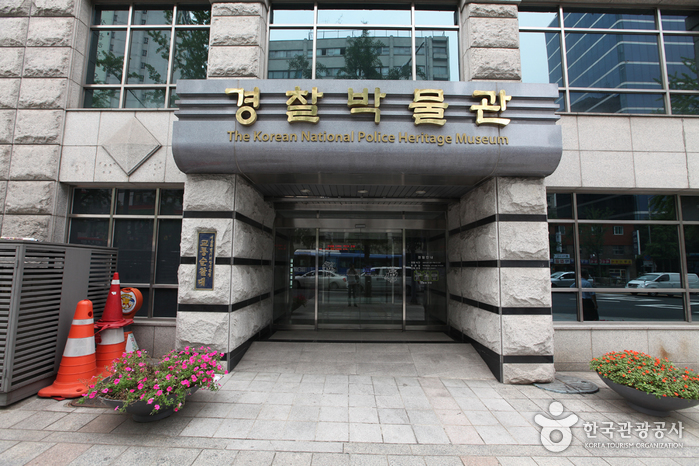
Korean National Police Heritage Museum (경찰박물관)
728.3M 2021-12-21
41, Saemunan-ro, Jongno-gu, Seoul
+82-2-3150-3681
The police museum opened on October 14, 2005 to give a better understanding of the job of the police and to offer a formal education to children who wish to become police officers in the future. The history hall of the museum is designed for visitors to learn about the history of Korean police at a glance, exhibiting information on the police force from the Joseon dynasty up until current times.
Visitors to the museum can pretend to be police officers by touching actual equipment and learning about an officer's daily tasks. Visitors can also get in patrol cars, wear a police uniform, experience shooting a gun through a simulation, and learn self-defense martial arts and arrest techniques. Visitors can also go to the museum jail.
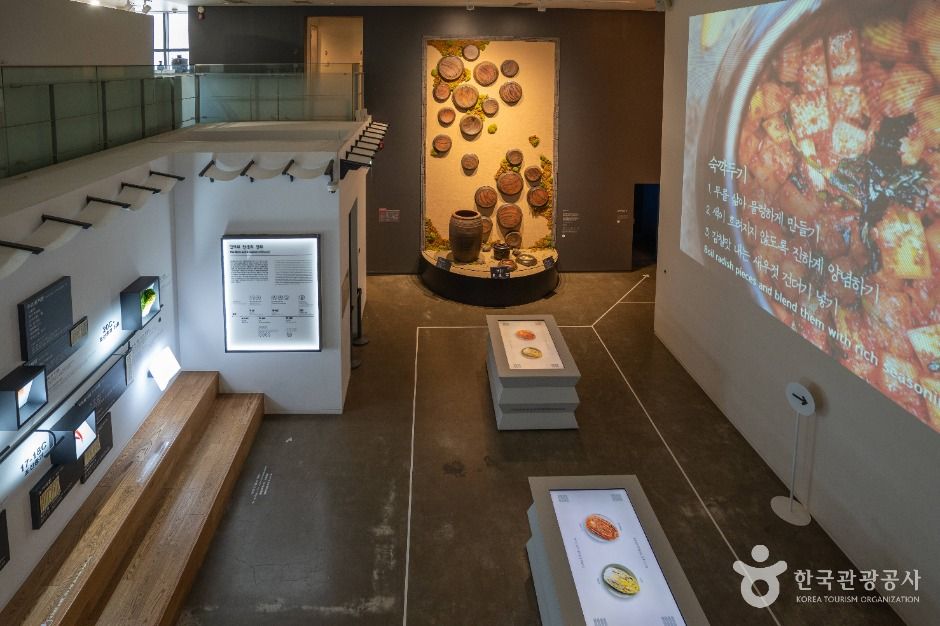
Museum Kimchikan (뮤지엄 김치간)
728.9M 2025-06-19
(4-6th floor, Maru Art Center), 35-4 Insadong-gil, Jongno-gu, Seoul
Museum Kimchikan is a museum dedicated to kimchi in Insa-dong’s Maru Art Center. The exhibition details the culture, history, trajectory, and efficacy of kimchi and teaches the visitors how to make kimchi through videos. Visitors can also sample different types of kimchi. The museum offers both individual and group experience programs.
Gallery Simon (갤러리 시몬)
729.2M 2022-09-15
20, Jahamun-ro 6-gil, Jongno-gu, Seoul
+82-2-720-3031
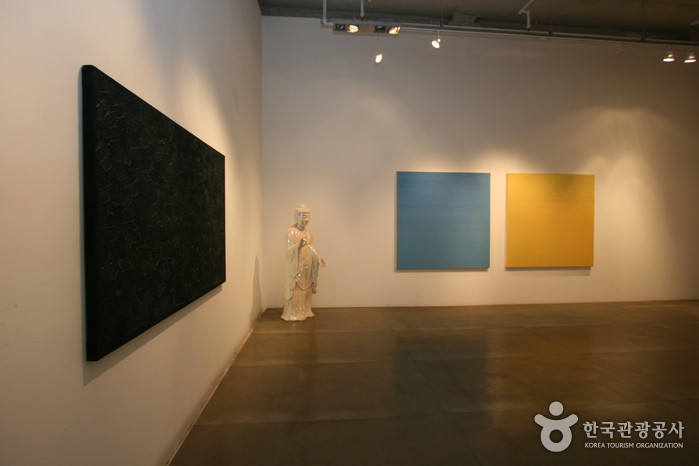
Since its opening in April, 1994, Gallery Simon has continued to focus on promoting the beauty of modern art. Exhibitions include works from experienced artists as well as the works of budding artists, both from Korea and abroad. Select artists, referred to collectively as "Simon's Friends," have exhibitions annually. The changing collections allow the museum and featured artists to constantly strive for improvement and follow the changes in art over time.
Gyeongbokgung Palace (경복궁)
737.9M 2025-10-23
161 Sajik-ro, Jongno-gu, Seoul
+82-2-3700-3900
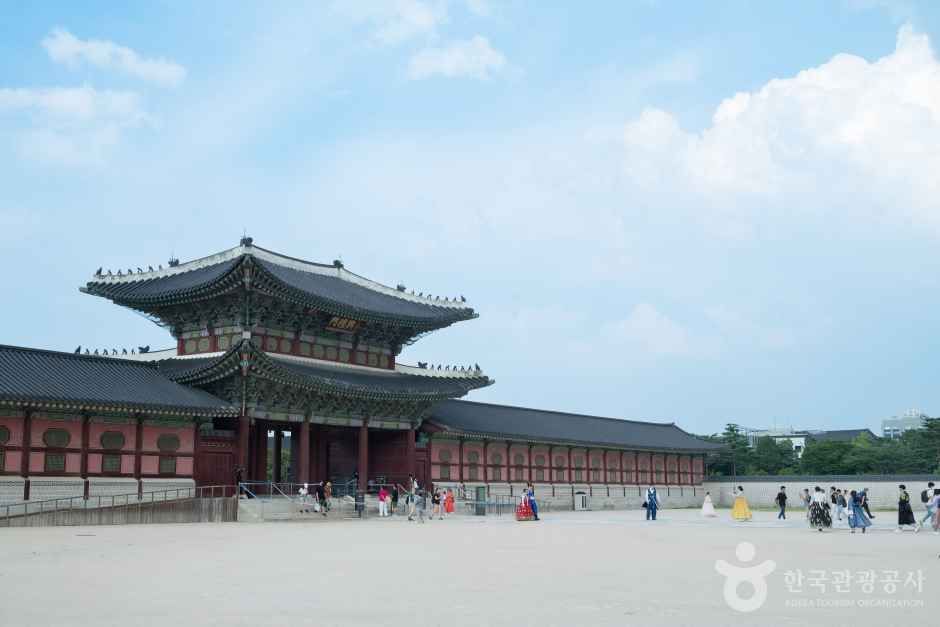
Gyeongbokgung Palace was built in 1395 as the official palace of the Joseon dynasty by Yi Seong-gye, the future King Taejo and founder of the new regime. Gyeongbokgung Palace is commonly referred to as the Northern Palace because of its location to the north, comparied to Changdeokgung Palace in the east and Gyeonghuigung Palace in the west. Gyeongbokgung Palace is arguably the most beautiful and is the largest of all five palaces. Many Joseon kings were crowned here. The premises were once destroyed by fire during the Imjin War (1592-1598). However, all of the palace buildings were later restored under the leadership of Heungseondaewongun during the reign of King Gojong. The assassination of Empress Myeongseong, however, resulted in Gyeongbokgung Palace losing its function as a royal palace, eventually witnessing the downfall of the Joseon dynasty. Gyeongbokgung Palace retains the original Gyeonghoeru Pavilion, a prime example of Joseon architecture, and the Hyangwonjeong Pavilion and pond. The sculptures in the Geunjeongjeon Hall exemplify Joseon-era sculpture techniques. The west side of the area outside Heungnyemun Gate is occupied by the National Palace Museum of Korea, while the eastern side of Hyangwonjeong Pavilion within the Gyeongbokgung Palace is occupied by the National Folk Museum of Korea.
 English
 한국어
한국어 日本語
日本語 中文(简体)
 Deutsch
 Français
 Español
 Русский


