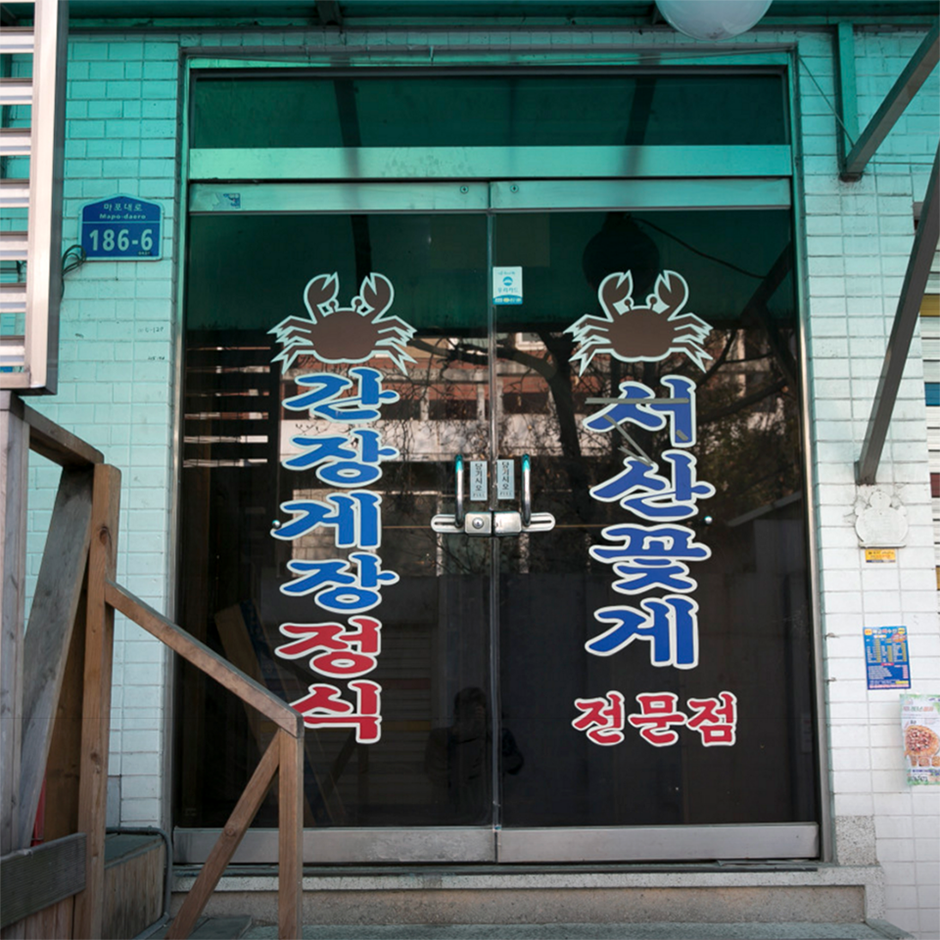
Jinmi Sikdang (진미식당)
3.2Km 2024-02-27
186-6 Mapo-daero, Mapo-gu, Seoul
Jinmi Sikdang is a specialty restaurant known for its exclusive focus on gejang (marinated crab), using only the finest blue crabs from the Seohae Coast. The restaurant prides itself on preparing only the amount of crab needed for the day, ensuring freshness, so it's advisable to make reservations before visiting, especially during peak hours. Known for its consistent quality and unwavering taste, Jinmi Sikdang continues to receive steady love from its customers.
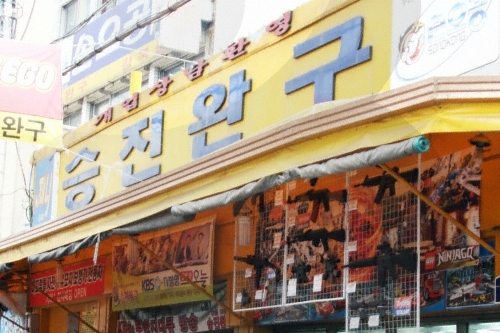
Seungjin Toy (승진완구)
3.2Km 2025-01-06
30, Jong-ro 52-gil, Jongno-gu, Seoul
+82-2-747-1900
Seungjin Toy is a toy store that carries almost every kind of toy imaginable from stuffed animals to character dolls and much more. What makes this store even more attractive to many customers is that their merchandise is, on average, 30% cheaper than that of their competitors.
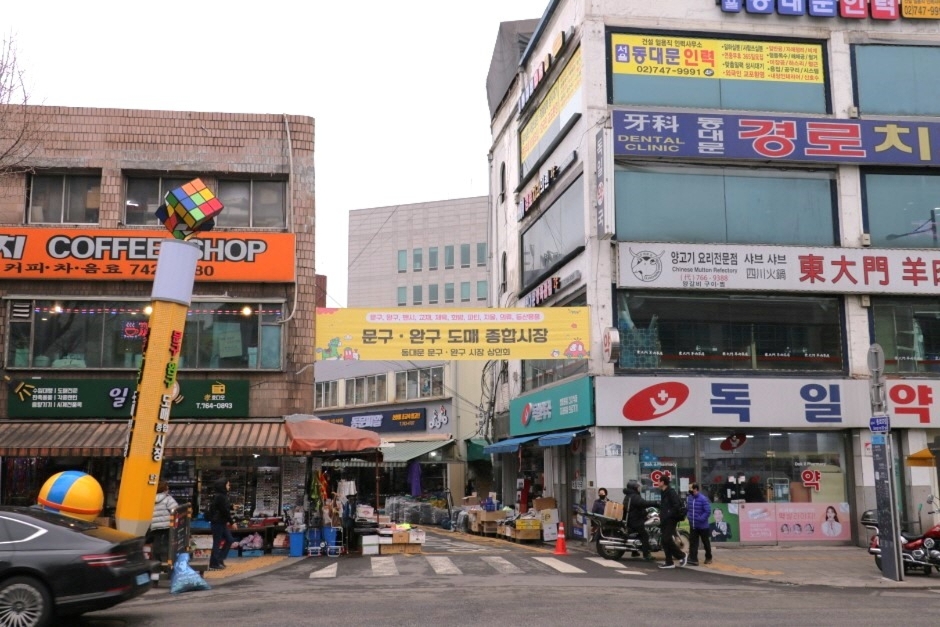
Dongdaemun Stationery Store Street (동대문 문구완구거리)
3.3Km 2024-03-15
21-1, Jong-ro 52-gil, Jongno-gu, Seoul
+82-2-1330
Dongdaemun Stationery Store Street houses nearly 120 stores selling stationery products like notebooks, crayons, pencils, backpacks, as well as other products like children’s gifts, decorations, and party products. Products can be found at prices nearly 30 to 40% lower than the consumer products, which can be lowered even further when buying in bulk. Products past the season may see the prices drop by more than half.

Ewha Womans University (이화여자대학교)
3.3Km 2023-07-04
52, Ewhayeodae-gil, Seodaemun-gu, Seoul
+82-2-3277-2114
Ewha Womans University is Korea's first women's university founded in 1886 by American Methodist missionary Mary Scranton. Ewha Womans University is also the most famous women's university in Korea and its name originates from Ehwa Hakdang, a name given by Empress Myeongseong in 1887. Ewha Womans University created a four-year university course in 1910, and in 1943, the name of Ewha was taken away during the Japanese colonial period and downgraded to a one-year school. In October 1945, the year of Korea's independence from Japan, it regained the name of Ewha and was promoted to a university with eight departments. Currently, it consists of 15 graduate schools, 11 colleges, and 67 departments, and there are 8 affiliated research institutes.
The street in front of Ewha Womans University is famous for shopping. This place is full of clothing stores and neat food that boast a popping sensation to suit the tastes of female college students. The shopping street in front of Ewha Womans University is a straight road that lies ahead of Exits 2 and 3 of Seoul Subway Line 2. Alleyways stretch out like branches around this street and are filled with various accessory shops, clothing stores, shoe stores, restaurants, cafes, and beauty salons.
Seokparang (석파랑)
3.3Km 2024-09-02
309 Jahamun-ro, Jongno-gu, Seoul
+82-2-395-2500
Seokparang is a place built by relocating the Sarangchae of Heungseon Daewongun, the father of King Gojong of the Joseon dynasty. It boasts beautiful late Joseon-style gardens and three traditional hanok buildings. Here, one can enjoy authentic Gungjung hanjeongsik (royal Korean table d'hote) for both lunch and dinner, featuring meticulously prepared dishes such as traditional porridge, chilled salads, steamed prawns, kimchi cabbage wraps with pork, soybean paste jjigae set menu, and desserts. Diners can also savor traditional liquors crafted by artisans from across the country.
![8th Avenue WithPharm Pharmacy [Tax Refund Shop] (8번가위드팜약국)](http://tong.visitkorea.or.kr/cms/resource/75/2890675_image2_1.jpg)
8th Avenue WithPharm Pharmacy [Tax Refund Shop] (8번가위드팜약국)
3.3Km 2024-04-19
515, Seongsan-ro, Seodaemun-gu, Seoul
-
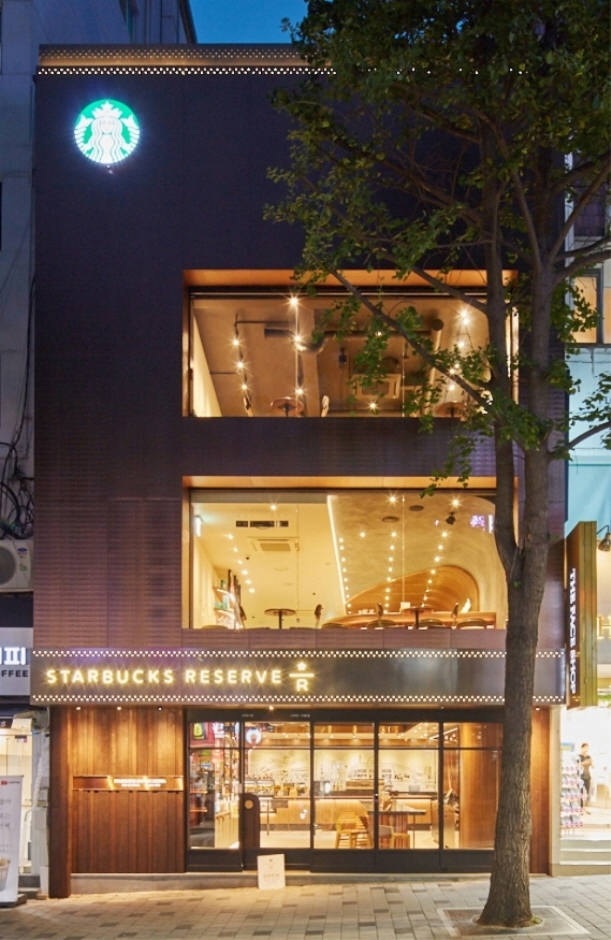
Starbucks Edae R (스타벅스 이대R)
3.3Km 2024-12-27
34 Ewhayeodae-gil, Seodaemun-gu, Seoul
Starbucks Edae R store is the first Starbucks store opened in 1999 and Korea's first Reserve only store
Starbucks Edae R store is the first Starbucks store opened in Korea. It is located 150 meters from the front gate of Ewha Womans University. The store has been loved by customers for over two decades since 1999. In celebrating its 20th anniversary in 2019, the store re-opened as Korea's first Reserve-only store. It specializes in offering specialty coffee and memorable experiences to many customers visiting Korea's first Starbucks store. As the leading store presenting the history and future of Starbucks, it offers high-quality coffee in a beautifully decorated setting, along with unique beverages and exclusive merchandise available only at this particular store.
Innisfree - Hansung Univ. Branch [Tax Refund Shop] (이니스프리 한성대)
3.3Km 2024-04-18
3, Dongsomun-ro 7-gil, Seongbuk-gu, Seoul
-
Olive Young - Ewha Womans Univ. Jungang Branch [Tax Refund Shop] (올리브영 이대중앙)
3.3Km 2024-04-18
43, Ewhayeodae-gil, Seodaemun-gu, Seoul
-
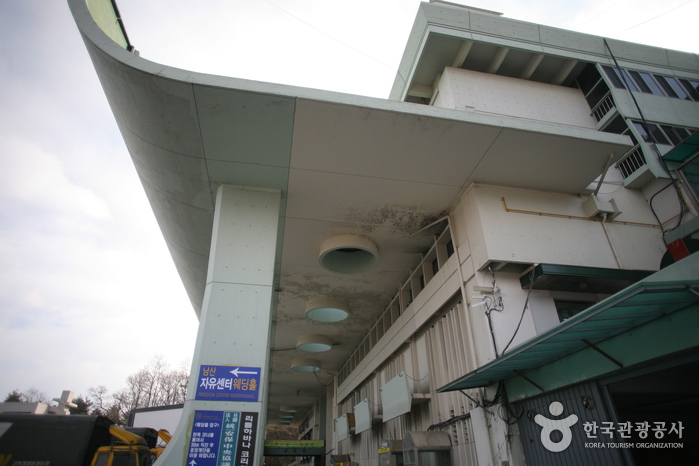
Yejiwon (예지원)
3.3Km 2022-09-19
72, Jangchungdan-ro, Jung-gu, Seoul
+82-2-2253-2211
The Yejiwon is located in Seoul Jung-gu Jangchung-dong and has been offering traditional Korean etiquette education programs since its inception on September 16th, 1974. Furthermore, the Yejiwon also serves to introduce the traditional cultures and living cultures of Korean etiquettes to foreigners.
Most programs offered are short-term classes, and reservations can be made on the homepage up to 15 days in advance. Reservations are only available for groups of 10 or more and classes are instructed in Korean only, so it may be a good idea to be accompanied by a guide.
 English
 한국어
한국어 日本語
日本語 中文(简体)
 Deutsch
 Français
 Español
 Русский


