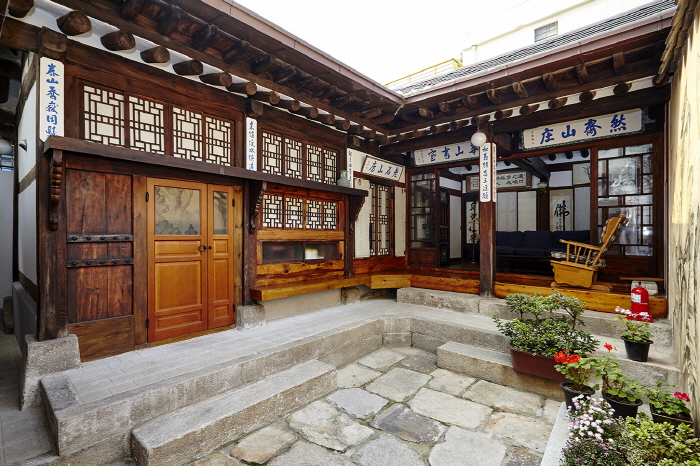
Sieunjae (시은재)
918.3M 2024-12-23
439 , Samil-daero, Jongno-gu, Seoul
+82-10-5355-3029
Sieunjae is a hanok stay that has stood in the midst of busy Gyeongun-dong, Jongno-gu, Seoul, for generations. The guestrooms comprise an anbang (bedroom plus living room), three smaller rooms, and a byeolchae or detached house. All rooms have a toilet, and there’s a well-equipped shared kitchen and a washing machine. Guests can either rent individual rooms or the whole hanok. Jongno is convenient for travel to all the historic sites of Seoul, and there’s a public carpark nearby.
![Seoul Gongyesa [Tax Refund Shop] (서울공예사)](http://tong.visitkorea.or.kr/cms/resource/10/2878210_image2_1.jpg)
Seoul Gongyesa [Tax Refund Shop] (서울공예사)
918.3M 2024-04-16
1F, 27-1, Insadong-gil, Jongno-gu, Seoul
-
![Harmony Mart - Insa Branch [Tax Refund Shop] (하모니마트 인사)](http://tong.visitkorea.or.kr/cms/resource/79/2888079_image2_1.jpg)
Harmony Mart - Insa Branch [Tax Refund Shop] (하모니마트 인사)
923.9M 2024-04-17
1F (Gwanhun-dong), 38, Insadong 5-gil, Jongno-gu, Seoul
-
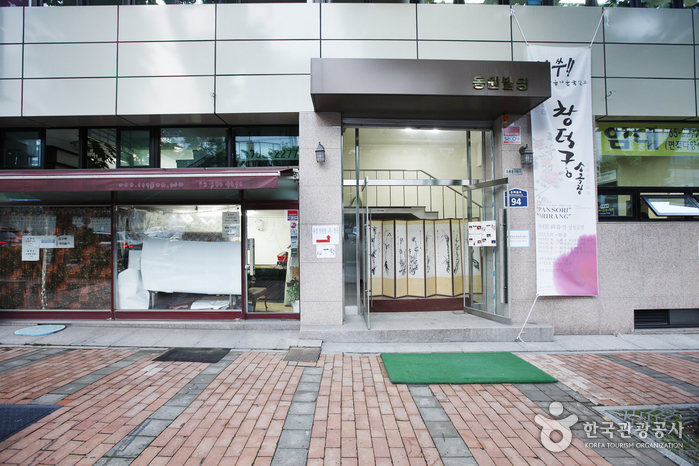
Theatre Changdeokgung (창덕궁 소극장)
925.1M 2021-12-07
88-1, Donhwamun-ro, Jongno-gu, Seoul
+82-2-742-7278
Theatre Changdeokgung is located across from Changdeokgung Palace in the Gugak-ro Special Cultural Zone of Seoul. To recreate the traditional Korean entertainment setting and offer a better view of the stage, the theater is designed with floor seatings facing a platform stage. The theater offers a wide array of performances including samulnori (traditional Korean percussion quartet), traditional Korean music, and madanggeuk (a play infused with traditional music and performances). First time visitors often find the creative and cozy experience create a lasting memory of Korean culture and arts. Also nearby the theater are a number of tourist attractions including Changdeokgung Palace, Unhyeongung Palace, Jongmyo Shrine, and Insa-dong.
![Ipamnamu - Insa Branch [Tax Refund Shop] (이팝나무 인사)](http://tong.visitkorea.or.kr/cms/resource/08/2878208_image2_1.jpg)
Ipamnamu - Insa Branch [Tax Refund Shop] (이팝나무 인사)
928.3M 2024-04-18
4, Insadong 5-gil, Jongno-gu, Seoul
-
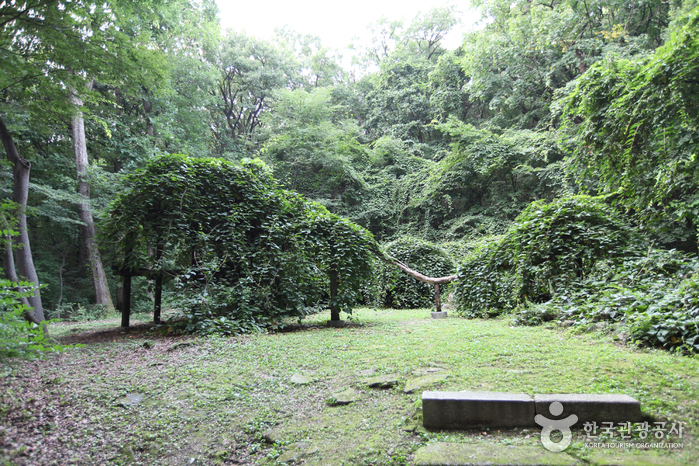
Daraenamu Tree in Changdeokgung Palace (창덕궁 다래나무)
929.2M 2025-01-13
99, Yulgok-ro, Jongno-gu, Seoul
+82-2-3668-2300
Daraenamu Tree in Changdeokgung Palace is estimated to be 600 years old, meaning it had likely been planted before the palace was built. The tree stands 19m in x_height, and has six separate trunks sprawling in all directions. It is the biggest and the oldest in Korea. It is designated and protected as a National Natural Monument.

National Souvenirs Center [Tax Refund Shop] (한국관광명품점)
935.0M 2024-04-23
14, Insadong 5-gil, Jongno-gu, Seoul
-
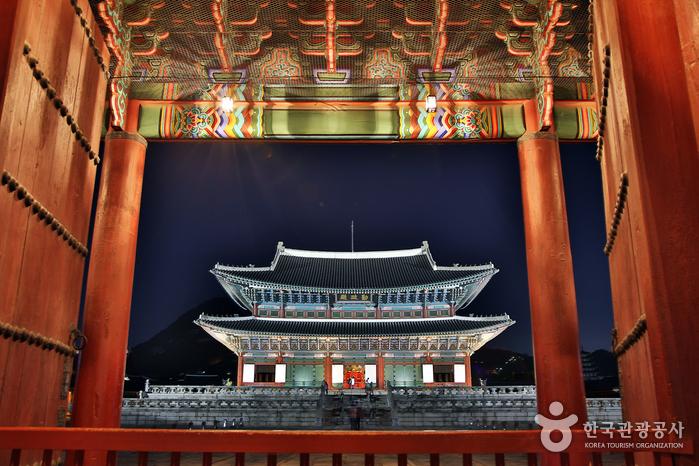
Jongno Cheonggye Special Tourist Zone (종로 청계 관광특구)
936.7M 2021-12-30
99, Yulgok-ro, Jongno-gu, Seoul
+82-2-2148-1861
Jongno Cheonggye Special Tourist Zone stretches from Seorin-dong to Changsin-dong between Cheonggyecheon Stream and Jong-ro. It includes Youth Street, Gwangjang Market, Sewoon Electronics Department Store, lighting stores, pharmacy & medical device stores, badge stores, Stamp Street, Stationery · Toy Market, Aquarium Street, Shoes Market, and other markets totalling to approximately 14,000 shops. Nearby attractions include modern high-story buildings as well as Gyeongbokgung, Changdeokgung, Changgyeonggung, Deoksugung, and Unhyeongung Palaces, Jongmyo Shrine, and Insa-dong, merging traditions, modernism, culture, and markets alike.
Thought to be at the heart of Seoul, Cheonggyecheon Stream is located in the dense cultural area of Seoul where various press networks, organizations, bookstores and other major corporations are situated. Walking along Cheonggyecheon Stream is a famous activity for tourists. Also, the area is the venue for the Seoul Lantern Festival every winter. Keeping its traditional scene including narrow alleys, old-fashioned hanok buildings and various stores still fully intact, the tourist zone has enough fun places for sightseeing as well as tasty restaurants in every corner for a more enjoyable visit.
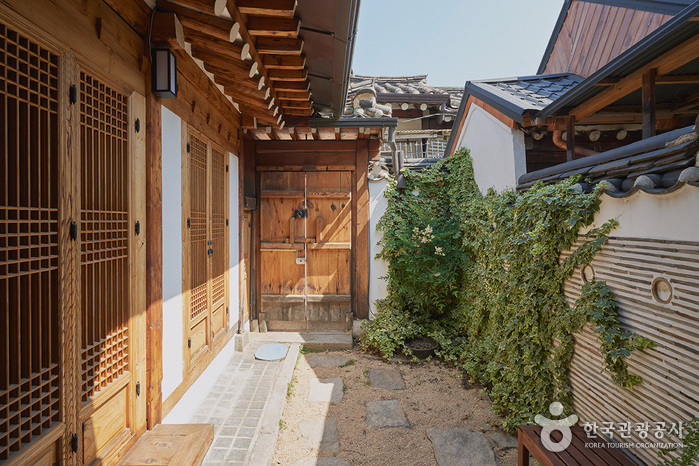
Haeunjae (하은재)
936.4M 2024-12-23
68-10 , Jahamun-ro, Jongno-gu, Seoul
+82-504-0904-2414
Ha Eunjae is a private hanok stay in Seochon Village, just west of Gyeongbokgung Palace in Seoul. The accommodation comprises a bedroom with queen-size bed, a kitchen, a movie room, and two bathrooms. The movie room is fitted out with a Bose sound system, a beam projector, and a large screen, with a movable footbath as a bonus. The kitchen is equipped for simple cooking. Guests staying 2 nights or more during the week receive a 10% discount, and towel replacement and cleaning services are provided for stays of 3 nights or more. Ha Eunjae is close to major tourist attractions such as Gyeongbokgung Palace and Samcheong-dong.
![CheongKwanJang - Jonggak Station Branch [Tax Refund Shop] (정관장 종각역)](http://tong.visitkorea.or.kr/cms/resource/13/2878213_image2_1.jpg)
CheongKwanJang - Jonggak Station Branch [Tax Refund Shop] (정관장 종각역)
943.3M 2024-04-22
#102, 95, Sambong-ro, Jongno-gu, Seoul
-
 English
 한국어
한국어 日本語
日本語 中文(简体)
 Deutsch
 Français
 Español
 Русский


