
Dalgaebi (달개비)
1.6Km 2024-03-15
16 Sejong-daero 19-gil, Jung-gu, Seoul
+82-82-2-765-2035, 2068
Dalgaebi is a restaurant specializing in Korean table d'hote, using fresh seasonal ingredients. Its flagship menu is the teukseon sangcharim jeongsik (special set menu), which includes porridge, seasonal dishes, main courses, and desserts. The galbi sangcharim (galbi course), featuring premium Korean beef galbi grilled over charcoal and served with soybean paste jjigae, is also popular. Known for its private dining spaces and upscale ambiance, reservations can be made via phone.
Gyeonghuigung Palace (경희궁)
1.6Km 2024-07-09
45 Saemunan-ro, Jongno-gu, Seoul
+82-2-724-0274
Gyeonghuigung Palace, a designated Historic Site, was originally called the large palace by Saemun Gate, or the Western Palace, for its location within the city. It was not until the eighth year of Gwanghaegun (1616) that the palace was used as a royal residence for the king, changing the name to Gyeongdeokgung Palace. The name later changed again to the current Gyeonghuigung Palace in 1760. The palace grounds included many halls but they were mostly all burned down in a fire in 1829. After the Japanese occupation began, all remaining buildings on the site were torn down and the palace grounds were turned into Gyeongseong Middle School (now Seoul High School). The school moved to Gangnam area in 1987, afterwhich the previous location was turned into a park. The palace grounds currently hold Seoul Museum of Art and walking paths, as well as a restoration of Heunghwamun Gate, the main gate of the palace, and Sungjeongjeon Hall, the main hall, completed in November 1994.
Lloyd - Daehangno Branch [Tax Refund Shop] (로이드 대학로)
1.6Km 2024-04-17
1F, 31, Daemyeong-gil, Jongno-gu, Seoul
-
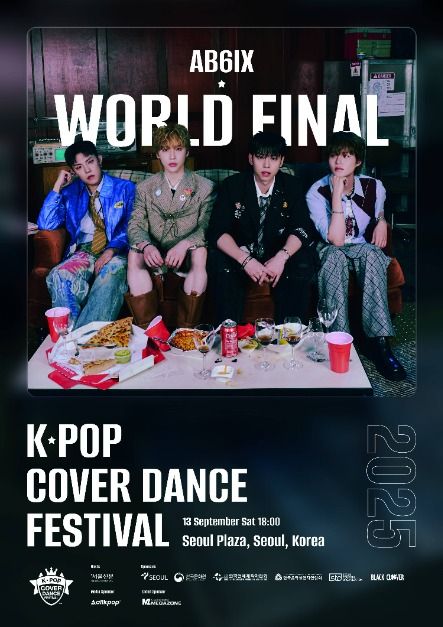
K-Pop Cover Dance Festival World Final (K-POP 커버댄스 페스티벌 월드 파이널)
1.6Km 2025-10-23
110 Sejong-daero, Jung-gu, Seoul
+82-2-2000-9324
The K-Pop Cover Dance Festival World Final brings together K-pop fans from around the world, offering them a chance to become the main stars on stage. Going beyond just dance, the festival provides a platform where K-pop fans worldwide can share their culture, build a global network, express their passion through dance, and connect the entire world through Korean culture and K-pop.
![Coco Pharmacy [Tax Refund Shop] (코코약국)](http://tong.visitkorea.or.kr/cms/resource/91/2878591_image2_1.jpg)
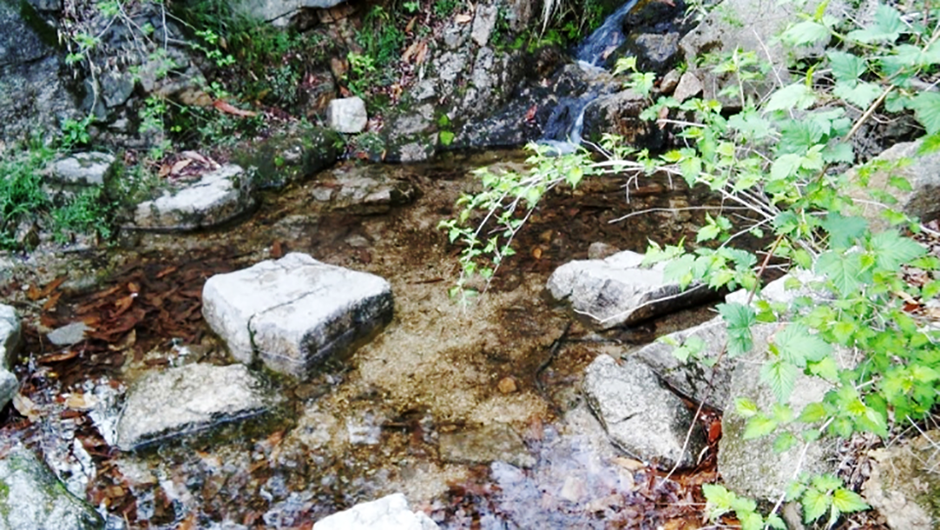
Suseongdonggyegok Valley (수성동계곡)
1.7Km 2023-08-17
185-3, Ogin-dong, Jongno-gu, Seoul 서울특별시 종로구 옥인동
Suseong-dong Valley's stream runs down from Inwangsan Mountain and joins Cheonggyecheon Stream, and it is said that the name of the village was called Suseong-dong during the Joseon dynasty due to the loud and clear sound of the flowing water. It appears in the painting "Jangdong Palgyeongcheop," which is Jangdong Eight Scenic Views, that depicts the eight scenic views of Bugaksan Mountain and Inwangsan Mountain as well as in other historical books of the Joseon dynasty as a place of scenic beauty. The valley was so famous for its beauty, that Prince Anpyeong of the Joseon dynasty built his house "Bihaedang" to fully enjoy the view, and the valley and its stone bridge were designated as a cultural property of Seoul in 2010.
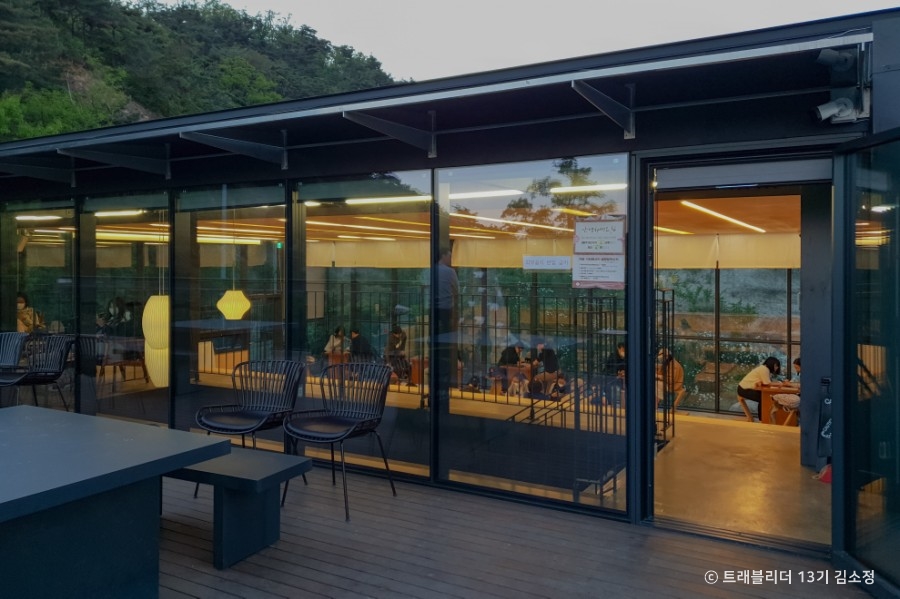
Inwangsan Mountain Chosochaekbang (인왕산 더숲 초소책방)
1.7Km 2024-03-06
172 Inwangsan-ro, Jongno-gu, Seoul
Inwangsan Mountain Chosochaekbang is a bakery and book café located along the trail of Inwangsan Mountain, remodeled from an old police station. Surrounded by glass walls within the forest, it blends seamlessly with nature, offering a panoramic view of Namsan Tower through the transparent windows. On the second floor terrace, guests can enjoy the scenic view of Seoul. Freshly baked bread and desserts are available daily, and the venue occasionally hosts book talks and music concerts.
![Lush Korea - Daehangno Branch [Tax Refund Shop] (㈜러쉬코리아 대학로점)](http://tong.visitkorea.or.kr/cms/resource/83/2878183_image2_1.jpg)
Lush Korea - Daehangno Branch [Tax Refund Shop] (㈜러쉬코리아 대학로점)
1.7Km 2024-04-22
27, Daemyeong-gil, Jongno-gu, Seoul
-
Lemon Mart - Myeong-dong Branch [Tax Refund Shop] (레몬마트 명동)
1.7Km 2024-04-17
1F, 45, Myeongdong 9-gil, Jung-gu, Seoul
-
 English
 한국어
한국어 日本語
日本語 中文(简体)
 Deutsch
 Français
 Español
 Русский


