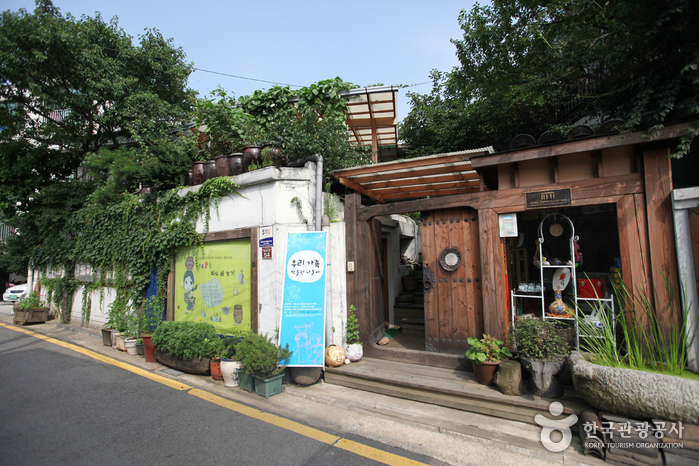
Bukchon Museum (북촌생활사박물관)
636.0M 2022-08-30
90, Bukchon-ro 5na-gil, Jongno-gu, Seoul
+82-2-736-3957
The Bukchon Museum displays items that have been collected from Bukchon, a historical village that was once home to the nation’s nobility. The museum was founded to observe urban development that took place in the recent decades through collected and preserved veryday household items that were used by Bukchon residents. Visitors are even allowed to touch items on display to better be able to imagine life in Korea before industrialization.
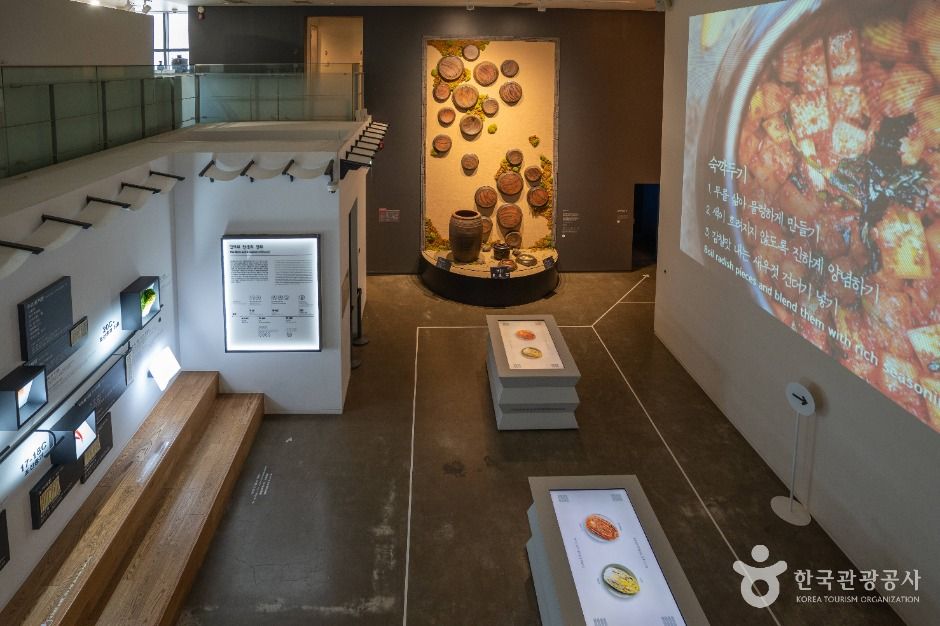
Museum Kimchikan (뮤지엄 김치간)
636.7M 2025-06-19
(4-6th floor, Maru Art Center), 35-4 Insadong-gil, Jongno-gu, Seoul
Museum Kimchikan is a museum dedicated to kimchi in Insa-dong’s Maru Art Center. The exhibition details the culture, history, trajectory, and efficacy of kimchi and teaches the visitors how to make kimchi through videos. Visitors can also sample different types of kimchi. The museum offers both individual and group experience programs.

Choedaegamne (최대감네)
640.3M 2024-03-18
12-3 Insadong 8-gil, Jongno-gu, Seoul
+82-2-733-9355
Choedaegamne is a traditional Korean restaurant located in a hanok in Insa-dong, with a garden and a pond, and has been in operation for over 100 years. One of their popular dishes is the sangchu shabu jeongsik (shabu with rice in a cabbage set menu), where vegetables and meat are cooked in a broth and then enjoyed with noodles, served with a small rice ball on lettuce. They also offer a so galbijjim jeongsik (steamed beef ribs set menu) and bulgogi jeongsik (bulgogi set menu), served with lotus leaf rice and soybean paste jjigae. After the meal, guests can enjoy tea in the garden.
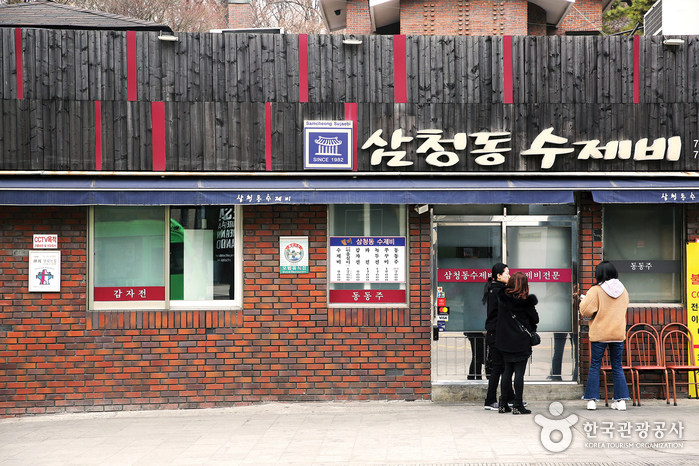
Samcheong Sujaebi (삼청동수제비)
643.2M 2024-03-04
101-1 Samcheong-ro, Jongno-gu, Seoul
+82-2-735-2965
Samcheong Sujaebi is a handmade sujebi (hand-pulled dough soup) specialty restaurant located in Samcheong-dong. Sujebi is a dish made by tearing hand-pulled dough into pieces and boiling it in anchovy broth, among other broths. The signature menu features sujebi with sliced pumpkin, clams, and potatoes, all boiled together and served in a pot. Another specialty is the potato pancake made exclusively from 100% potatoes. Nearby attractions include Bukchon Hanok Village, the National Museum of Modern and Contemporary Art, and Gyeongbokgung Palace.
Yetchatjip (옛찻집)
659.3M 2024-03-18
33-1 Insadong-gil, Jongno-gu, Seoul
+82-2-722-5332
Yetchatjip in Insa-dong offers a variety of teas including ssanghwacha (medicinal herb tea), jujube tea, lotus leaf tea, ginger tea, and citrus tea. Their signature dish during the summer is the yennal patbingsu (old-fashioned shaved ice with red beans), topped with sweet red bean and sweet rice cakes, served on finely shaved ice. Additionally, they offer traditional Korean snacks such as grilled rice cake stick, yakgwa (honey cookie), and traditional Korean sweets to accompany the tea.
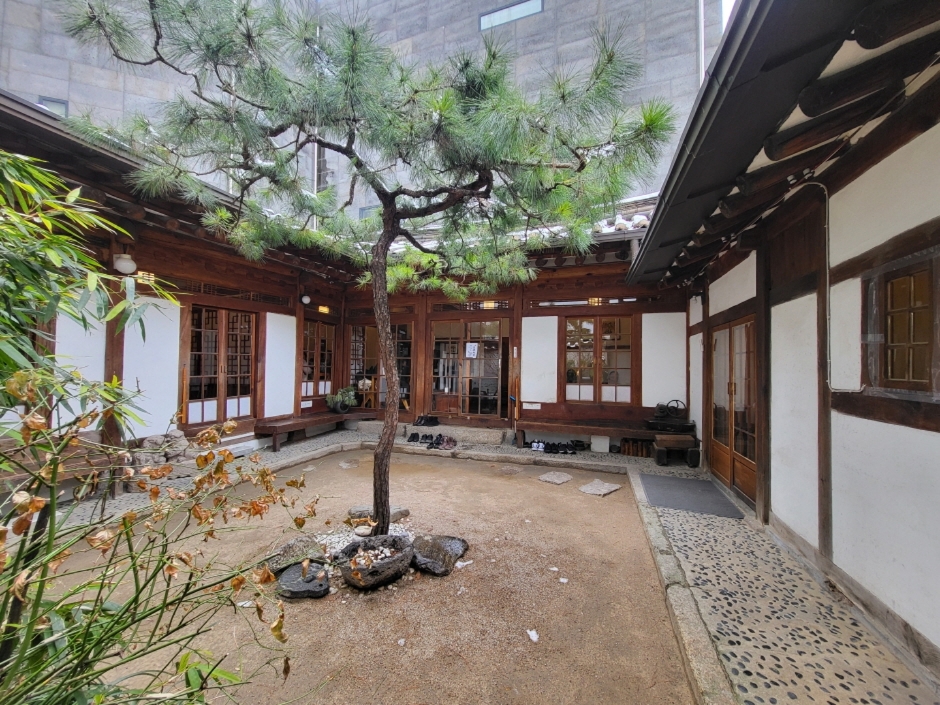
Insa-dong Chatjip (인사동찻집)
659.3M 2024-03-15
33-1 Insadong-gil, Jongno-gu, Seoul
+82-2-723-4909
Insa-dong Chatjib is a traditional hanok tea house located in Insa-dong. Here, you can enjoy a variety of traditional teas brewed in-house. One of their signature menu items is the hobak sikhye (pumpkin sweet rice punch). They also offer other options such as jujube tea, ginger tea, and more. Many people visit to enjoy a leisurely time sipping tea in the serene atmosphere of the hanok. Nearby attractions include Ssamzigil and the Seoul Museum of Craft Art, making it a great place to explore together.
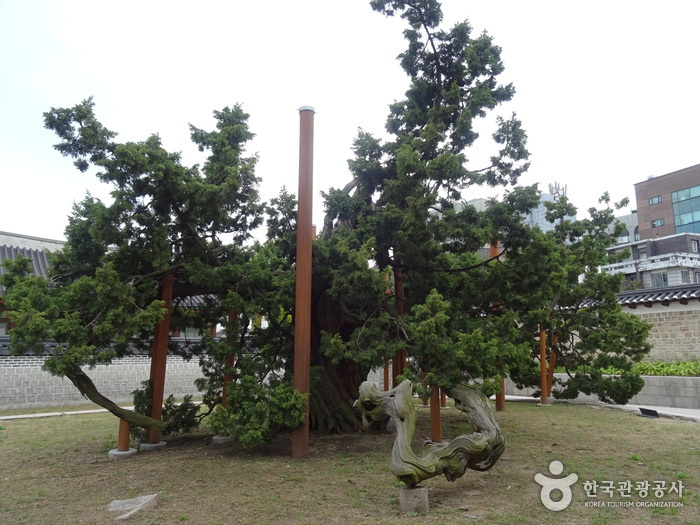
Hyangnamu Tree in Changdeokgung Palace (창덕궁 향나무)
661.9M 2025-01-13
99, Yulgok-ro, Jongno-gu, Seoul
+82-2-3668-2300
Hyangnamu or 'Aromatic Tree' in Changdeokgung Palace is estimated to be about 700 years old, meaning it had likely been planted before the palace was built. It stands 12m in x_height, measures 5.9m in girth around the roots, and has branches spreading in all four directions. It is designated and protected as a National Natural Monument.
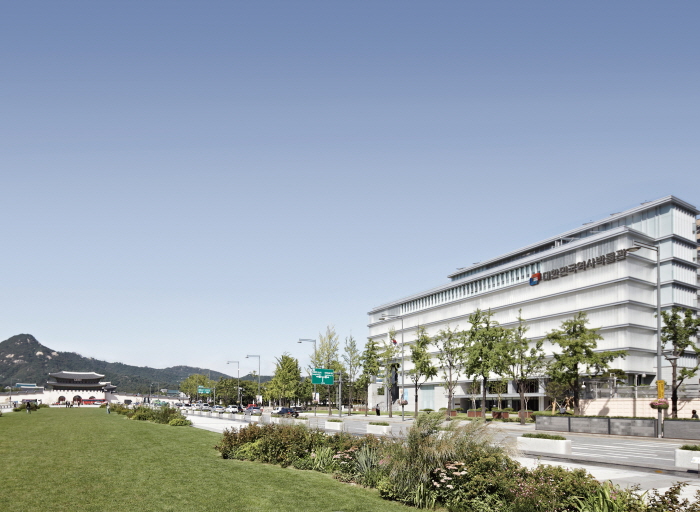
National Museum of Korean Contemporary History (대한민국역사박물관)
662.7M 2022-12-27
198, Sejong-daero, Jongno-gu, Seoul
+82-2-3703-9200
The National Museum of Korean Contemporary History opened on December 26, 2012, and showcases Korea's modern history, from the opening of Incheon Port to current times. The museum provides an in-depth look at the changes in the nation through exhibitions and educational programs, as well as researching, developing, and collecting materials. The museum is comprised of four exhibition halls; Prelude to the Republic of Korea, Foundation of the Republic of Korea, Development of the Republic of Korea, and Modernization of South Korea, toward the World. In addition, the Korean History Dream Village features a hands-on program hall for children to learn modern and contemporary history. In addition to special exhibitions, the museum also offers educational and cultural programs for children.
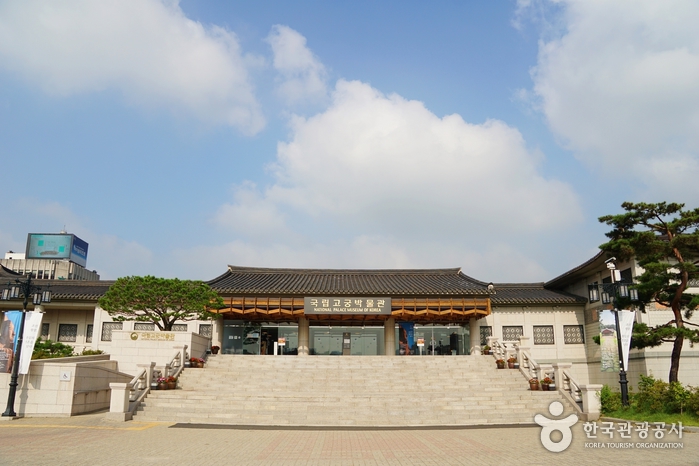
National Palace Museum of Korea (국립고궁박물관)
679.2M 2023-03-24
12, Hyoja-ro, Jongno-gu, Seoul
+82-2-3701-7500
The National Palace Museum of Korea displays over 40,000 relics from the Joseon dynasty. With various treasures on exhibit, the museum continues to provide information on the dignity of royal culture and the creativity of royal cultural assets.
Samcheong-dong Street (삼청동길)
686.5M 2025-01-22
107 Samcheong-ro, Jongno-gu, Seoul
It is said that Samcheong-dong was named from the story about the three "cheong" (Chinese character meaning clean) of the area, namely the mountain, water, and people. Another theory is that the origin of the region's name came from Samcheongjeon Hall where three tablets called "Taecheong," "Sangcheong," and "Okcheong," were set up based on Taoism. Samcheong-dong Street features a mixture of old scenes of hanok buildings with traditional beauty and modern scenes of galleries and cafés, creating a unique atmosphere. Visitors can feel the abundant cultural mood at every corner of the street through the art galleries, museums, antique shops, and quiet pathways.
 English
 한국어
한국어 日本語
日本語 中文(简体)
 Deutsch
 Français
 Español
 Русский


