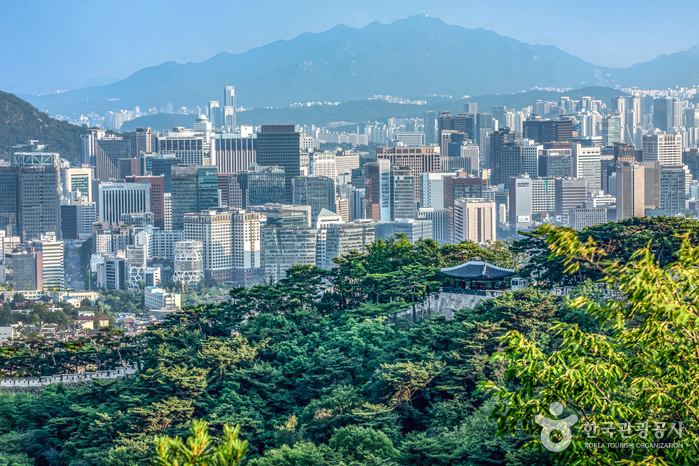
Bugak Skyway Palgakjeong Pavilion (북악스카이 팔각정)
575.4M 2024-12-31
267 Bugaksan-ro, Jongno-gu, Seoul
Bugak Skyway Palgakjeong Pavilion exudes a tranquil, serene beauty regardless of the season. The pavilion, which sits on Bugaksan's 1,652,900 square meter summit at an altitude of 345 meters, was built in a traditional Korean-style and became a popular attraction within the city. There are also spaces for visitors to enjoy food and drinks.

Bukjeong Village (북정마을)
835.0M 2024-02-15
132-3 Seongbuk-ro 23-gil, Seongbuk-gu, Seoul
Bukjeong Village, situated along the slopes of Seongbuk-dong, offers a glimpse into Korea's old alleyways. The village expanded as refugees from the Korean War (1950–1953) and people from various regions settled, building houses under the collapsed walls of Hanyang doseong (Seoul City Wall). Presently, the village is home to young artists, and the broad street in front of the village bus stop hosts various community events.
Korea Furniture Museum (한국가구박물관)
883.6M 2025-10-24
121 Daesagwan-ro, Seongbuk-gu, Seoul
The Korea Furniture Museum, located on a hill in Seongbuk-dong, Seoul, is a special museum that displays items related to Korea's traditional living culture. The museum exhibits wooden furniture made in the late Joseon dynasty by material (persimmon tree, maple tree, paulownia tree, zelkova tree, pine tree, papers, etc.), by the type of space (men’s quarters, women’s quarters, kitchen, etc.), and by regional characteristics. It also exhibits interior decorations, flower walls, chimneys, and yards, as well as ten traditional Korean houses.
This museum operates through a guided tour (maximum of 20 people per group) only, suitable for showing Korea's housing culture that harmonizes furniture and nature. The old household items, “furniture,” are displayed in rooms outside glass storage boxes, allowing visitors to experience a beautiful traditional culture.
Since it was selected as the official luncheon venue for the spouses of leaders of 20 countries at the 2010 G20 Seoul Summit, there has been a steady stream of state guests and worldwide celebrities, including Chinese President Xi Jinping and his wife, the German President, the Prime Minister of Hungary, the Prime Minister of Singapore, the King and Queen of Belgium, the King of Sweden, the head of the IMF, and movie stars Brad Pitt, and Victoria Beckham.
In addition, it was selected as the "most beautiful museum in Seoul” by CNN in 2011. The museum also served as an interview location for BTS members, who are receiving global attention. As such, it is attracting attention as a representative tourist destination in Seoul and a cultural space preferred by government ministries and companies. Tours require reservations, which can be made through the website.
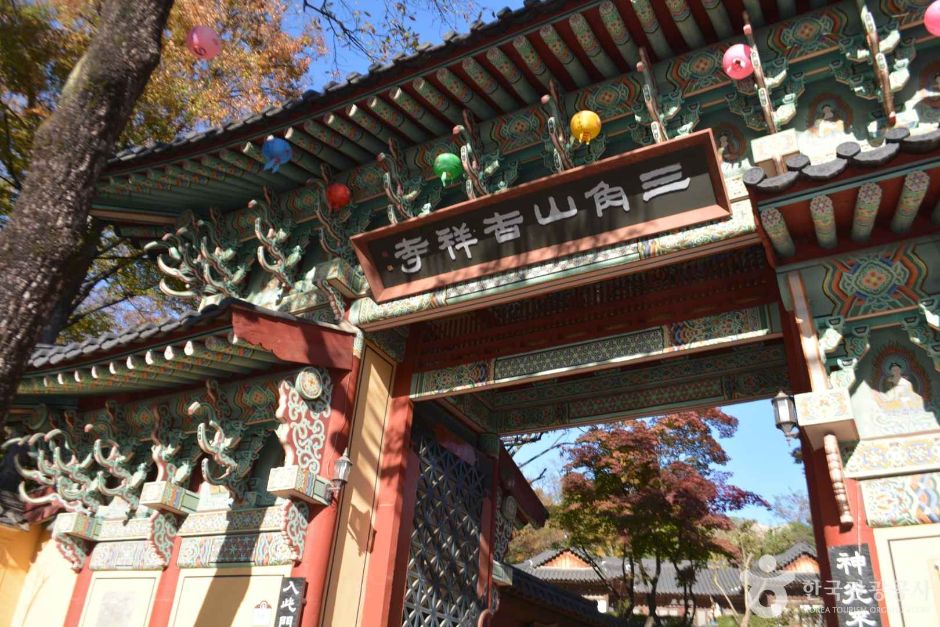
Gilsangsa Temple (Seoul) (길상사(서울))
935.3M 2025-06-17
68 Seonjam-ro 5-gil, Seongbuk-gu, Seoul
+82-2-3672-5945
Gilsangsa Temple is a prominent temple located in Seongbuk-dong, Seoul. The name Gilsangsa means "a favorable and auspicious temple." Visitors can experience temple, participate in Buddhist practices, and even enjoy Templestay programs on weekends. In fall, visitors can admire red spider lilies and wildflowers, immersing themselves in the beauty of nature and finding inner peace.
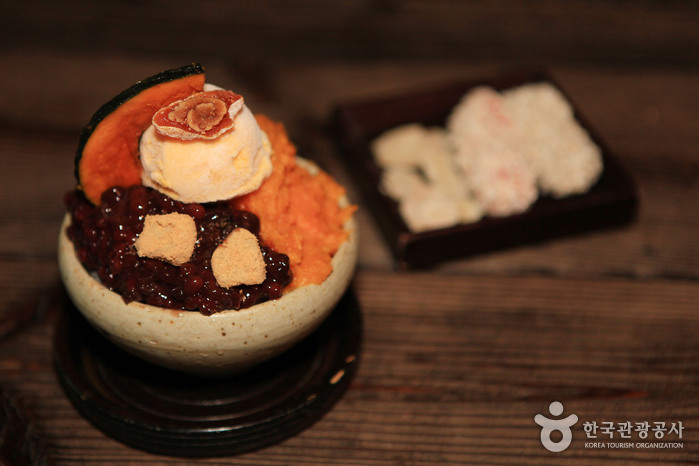
Sooyeon Sanbang (수연산방)
1.0Km 2025-10-23
8 Seongbuk-ro 26-gil, Seongbuk-gu, Seoul
Sooyeon Sanbang is a traditional tea house located in Seongbuk-dong. It was originally built during the Japanese colonial period and was the hanok of the literary figure Lee Taejun. Today, it is operated as a tea house by the writer's granddaughter. The name Sooyeon Sanbang means "a house where literati gather in the mountains." Visitors can enjoy traditional teas such as daechucha (jujube tea) and ssanghwacha (medicinal herb tea), along with snacks like injeolmi (bean-powder-coated rice cake).
Samcheong Park (삼청공원)
1.0Km 2024-03-18
44, Insadong-gil, Jongno-gu, Seoul
+82-2-2148-4150
Samcheong Park is a park that blooms in cherry blossoms in spring and fall colors in fall near Gyeongbokgung Palace. The park is home to a forest library and a café, and visitors can follow the trails to find acupressure trails, exercise equipment, badminton court, tennis court, playground, and a convenience store. The area surrounding the park is home to many galleries and restaurants, so it is a popular destination for walking among the people of Seoul.
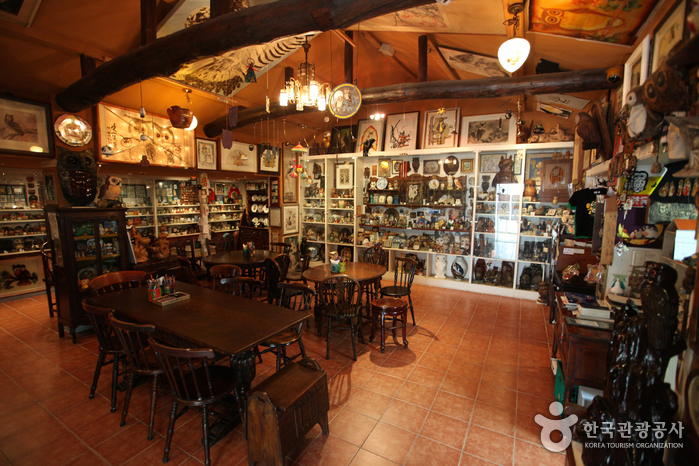
Owl Museum (부엉이박물관)
1.2Km 2022-09-19
143, Bukchon-ro, Jongno-gu, Seoul
+82-2-3210-2902
The Owl Museum is filled with over 2,000 pieces of owl-themed arts and crafts collected from all over the world by the owner. Renovated from a house, the museum has a feel of an antique café as the owner offers a cup of coffee or tea to visitors. Located near the city, those interested in owls should stop for a view and a drink. Various stories of how the collection was gathered as well as information on owls are also interesting.
Seongbuk-dong–Bukchon Hanok Village Course (성북동고택북촌산책길)
1.3Km 2025-11-06
68, Seonjam-ro 5-gil, Seongbuk-gu, Seoul
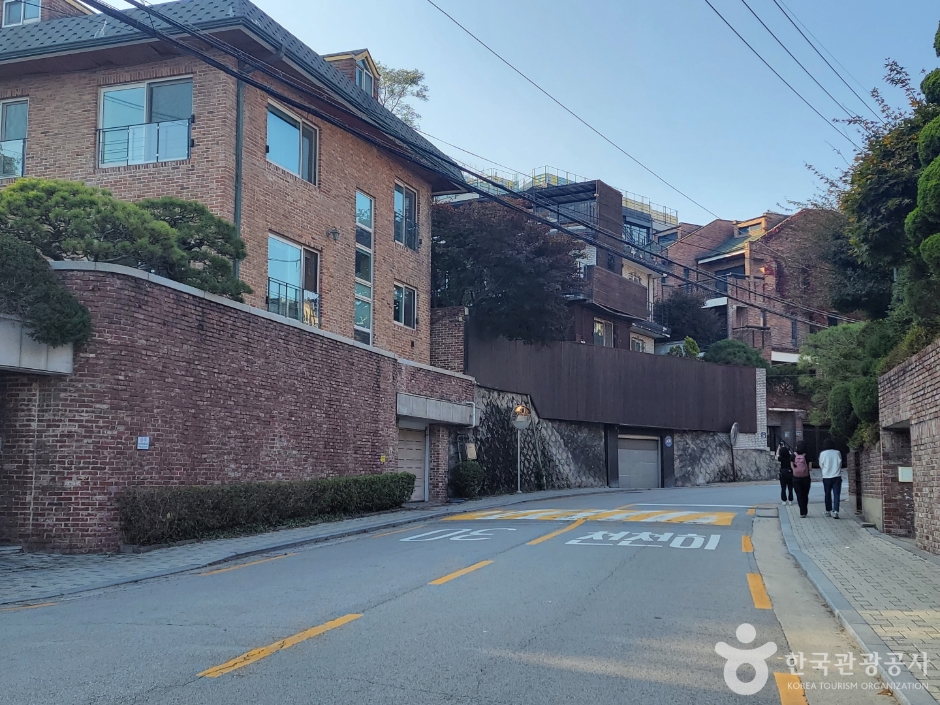
The Seongbuk-dong–Bukchon Hanok Village Course is a nostalgic path connecting famous old houses in Seongbuk-dong and Bukchon Hanok Village, divided by the old city walls. Along the way, you'll find historic sites like Gilsangsa Temple, Jeongbeopsa Temple, Han Yong-un’s Simujang House, and novelist Lee Tae-jun's House. The trail also features charming cultural spots, such as the traditional tea house Sooyeon Sanbang and the Seongbuk Museum of Art.
◎ Travel information to meet Hallyu’s charm - "Parasite"
The scene in the alley where Ki-woo visited Mr. Park's house in a wealthy neighborhood for expensive tutoring was filmed in a residential area in Seongbuk-dong. Seongbuk-dong, an old wealthy village, has luxury mansions lined up in. There are many pretty cafés and galleries here and there, so it's good to take a leisurely look around. Mr. Park's house was a filming set, which was demolished after filming.
Kansong Art Museum (간송미술관(서울 보화각))
1.3Km 2025-06-30
102-11 Seongbuk-ro, Seongbuk-gu, Seoul
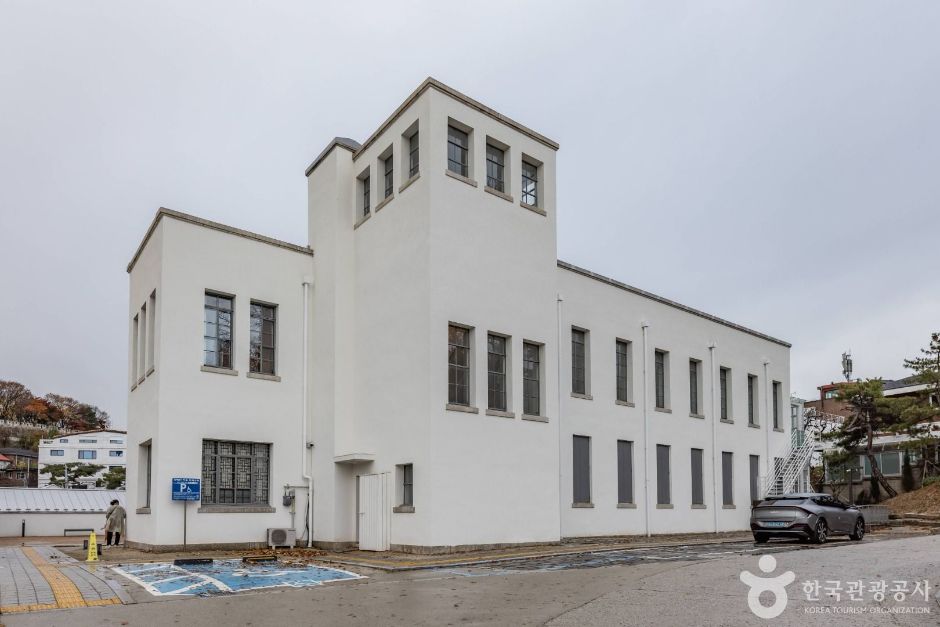
Kansong Art Museum was the first private art museum in Korea, opened as Bohwagak in 1938 by Kansong Jeon Hyeong-pil. The name was changed to the current Kansong Art Museum in 1966. Bohwagak was designated as National Registered Cultural Heritage No. 768 on December 30, 2019. Jeon Hyeong-pil dedicated his life to preserving and researching Korea’s representative relics that were devaluated and purposefully obliterated during the Japanese colonial era, as well as to acknowledging their cultural excellence and beauty. The museum houses 11 national treasures and 24 treasures.
Daraenamu Tree in Changdeokgung Palace (창덕궁 다래나무)
1.3Km 2025-01-13
99, Yulgok-ro, Jongno-gu, Seoul
+82-2-3668-2300
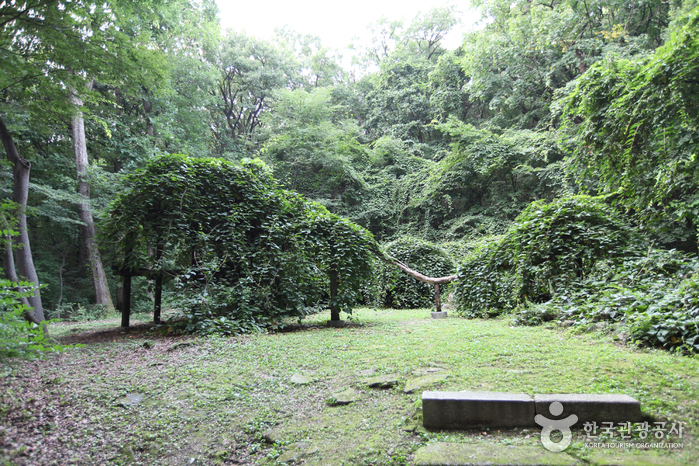
Daraenamu Tree in Changdeokgung Palace is estimated to be 600 years old, meaning it had likely been planted before the palace was built. The tree stands 19m in x_height, and has six separate trunks sprawling in all directions. It is the biggest and the oldest in Korea. It is designated and protected as a National Natural Monument.
 English
 한국어
한국어 日本語
日本語 中文(简体)
 Deutsch
 Français
 Español
 Русский


