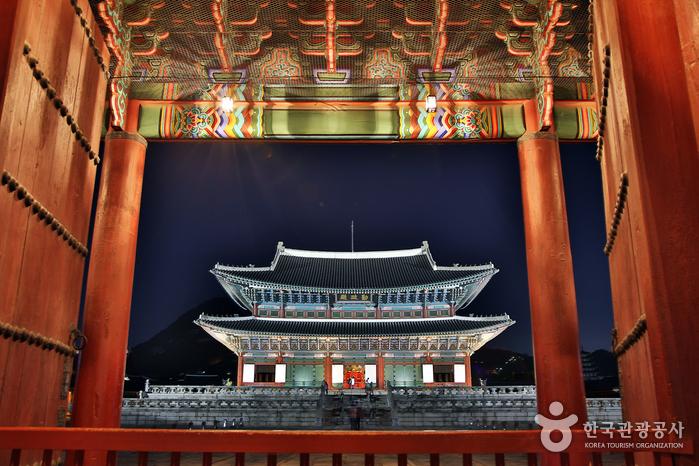
Jongno Cheonggye Special Tourist Zone (종로 청계 관광특구)
1.8Km 2021-12-30
99, Yulgok-ro, Jongno-gu, Seoul
+82-2-2148-1861
Jongno Cheonggye Special Tourist Zone stretches from Seorin-dong to Changsin-dong between Cheonggyecheon Stream and Jong-ro. It includes Youth Street, Gwangjang Market, Sewoon Electronics Department Store, lighting stores, pharmacy & medical device stores, badge stores, Stamp Street, Stationery · Toy Market, Aquarium Street, Shoes Market, and other markets totalling to approximately 14,000 shops. Nearby attractions include modern high-story buildings as well as Gyeongbokgung, Changdeokgung, Changgyeonggung, Deoksugung, and Unhyeongung Palaces, Jongmyo Shrine, and Insa-dong, merging traditions, modernism, culture, and markets alike.
Thought to be at the heart of Seoul, Cheonggyecheon Stream is located in the dense cultural area of Seoul where various press networks, organizations, bookstores and other major corporations are situated. Walking along Cheonggyecheon Stream is a famous activity for tourists. Also, the area is the venue for the Seoul Lantern Festival every winter. Keeping its traditional scene including narrow alleys, old-fashioned hanok buildings and various stores still fully intact, the tourist zone has enough fun places for sightseeing as well as tasty restaurants in every corner for a more enjoyable visit.

The Children’s Museum of the National Folk Museum of Korea (국립민속박물관&국립민속박물관 어린이박물관)
1.8Km 2025-06-19
37 Samcheong-ro, Jongno-gu, Seoul
The Children’s Museum of the National Folk Museum of Korea, located within Gyeongbokgung Palace, showcases artifacts related to Korean traditional culture. This interactive museum allows children to experience and learn about various aspects of Korean traditional clothing, food, society, culture, and games firsthand. Especially catering to children from Asian countries, there is a service for renting items, and reservations are required for admission.
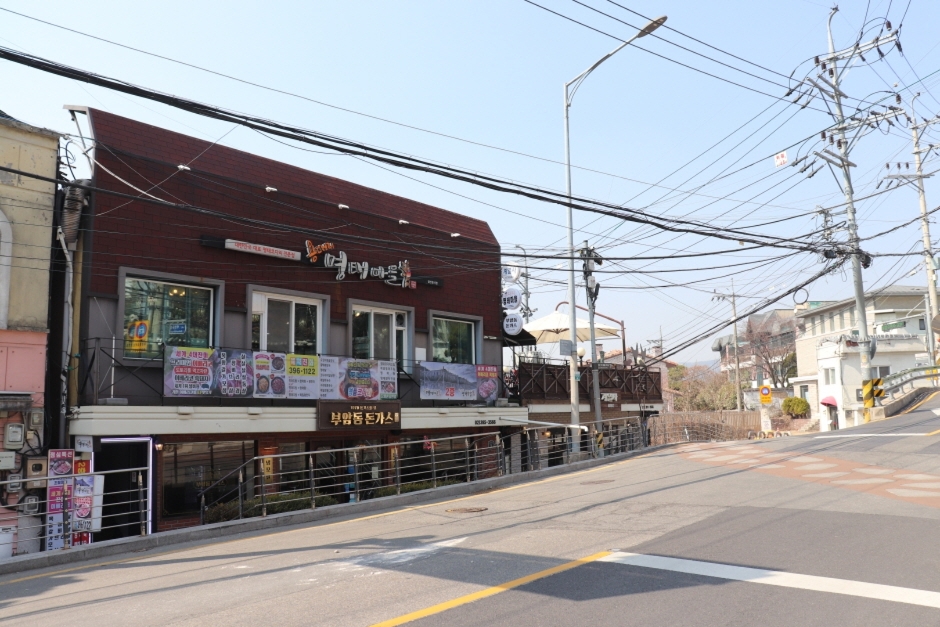
Buam-dong (부암동)
1.8Km 2024-03-15
Buam-dong, Jongno-gu, Seoul
+82-2-2148-1807
Buam-dong is a village located north of Gyeongbokgung Palace. It is designated as a development-restricted zone due to its proximity to the Cheong Wa Dae, preserving the old neighborhood's appearance. There are numerous bakeries, cafés, restaurants, and small galleries housed in renovated traditional houses, making it a delightful place for a leisurely stroll. The nearby hiking trails connected to Bugaksan Mountain offer a tranquil journey through the forest, ideal for those seeking a peaceful retreat.
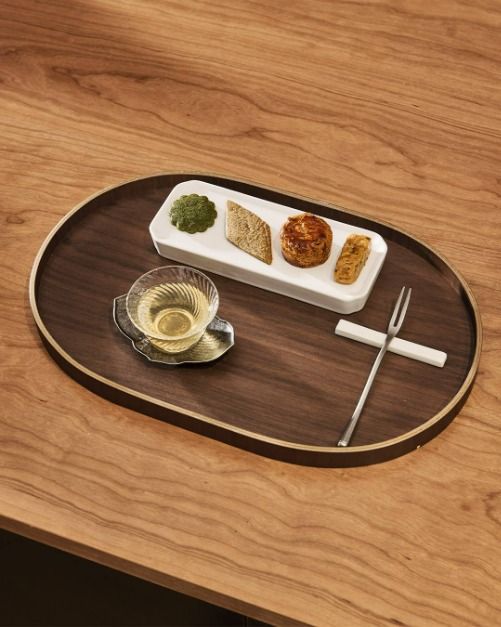
Pyunkang Yul Flagship & Tea house (편강 율 플래그십&티하우스)
1.8Km 2025-12-10
35-4 Bukchon-ro 5ga-gil, Jongno-gu, Seoul
Pyunkang Yul Flagship & Tea house is a cafe in Bukchon Hanok Village near Gyeongbokgung Palace. The first floor is a teahouse where one can enjoy Korean tea infused with traditional ingredients and delightful desserts with a view of the cafe's serene garden, and the second floor is a flagship store of Pyeongang Yul, a K-beauty brand known for integrating hanbang (traditional Korean medicine) in their skincare products. The third floor features a rooftop that offers a sweeping view of the Bukchon Hanok Village and Gyeongbokgung Palace.
![Art Korea [Tax Refund Shop] (주식회사 아트코리아)](http://tong.visitkorea.or.kr/cms/resource/83/2888383_image2_1.jpg)
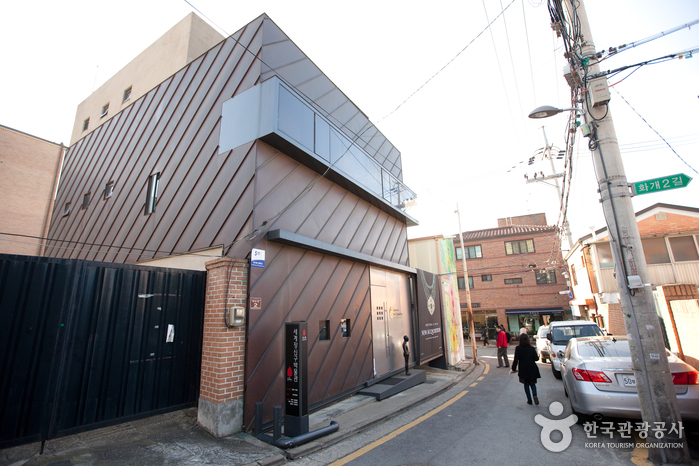
World Jewellery Museum (세계장신구박물관)
1.8Km 2023-09-21
2, Bukchon-ro 5na-gil, Jongno-gu, Seoul
+82-2-730-1610
Situated in the gallery district in the back alley of Samcheong-dong (east of Gyeongbokgung Palace), the World Jewellery Museum houses 3,000 jewelry pieces from 60 countries, which have been collected over 30 years. Of which, 1,000 have been selected for display. The first floor contains an Amber Wall that goes back as far as 50 million years, the Golden Hall (El Dorado), the Necklace Hall, and the solemn Alter of the Cross. The second floor holds a mask wall, rings, beads and ivory as well as modern jewelry.
Persian Palace (페르시안궁전)
1.9Km 2024-03-18
9 Sungkyunkwan-ro 6-gil, Jongno-gu, Seoul
+82-2-763-6050
Persian Palace is a restaurant specializing in Indian cuisine and Iranian kebabs, run by an Iranian chef. They offer set menus such as lamb curry, spinach curry, and butter chicken, which can be enjoyed with tandoori nan. The spiciness of the curry can be adjusted, and they also have vegan options available. For dessert, they serve Persian homemade desserts like mast (Persian yogurt) and saffron ice cream. They provide halal food and prayer rooms for Muslims.
Kukje Gallery (국제갤러리)
1.9Km 2021-07-29
54, Samcheong-ro, Jongno-gu, Seoul
+82-2-735-8449
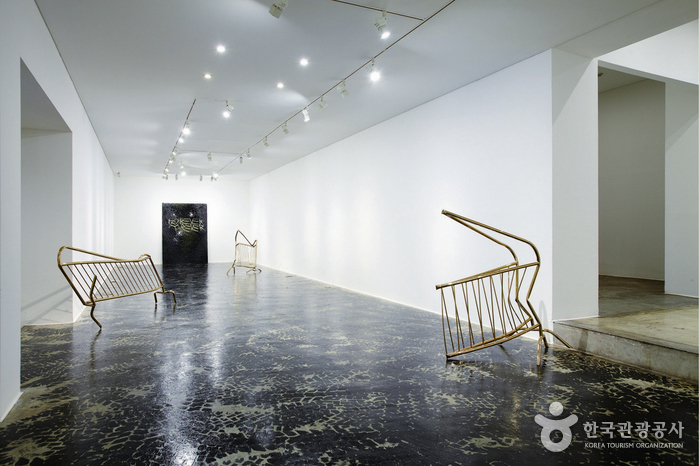
The Kukje Galley has been committed to presenting the work of significant Korean and international contemporary artists to the public since 1982. The gallery has established itself as a leading venue for international exhibits such as Helen Frankenthaler, Sam Francis, Jim Dine, Frank Stella, Robert Mangold, Anthony Caro, Cy Twombly, Edward Ruscha, Anselm Kiefer, Joseph Beuys, and Bill Viola, attracting enthusiastic responses from both the public and the media.
The gallery has placed emphasis on collaborations between artists, galleries, and art dealers around the world and nurturing upcoming artists by sponsoring their artwork and giving them international exposure.
Baek In-je House (백인제가옥)
1.9Km 2025-10-24
16 Bukchon-ro 7-gil, Jongno-gu, Seoul
+82-2-724-0200
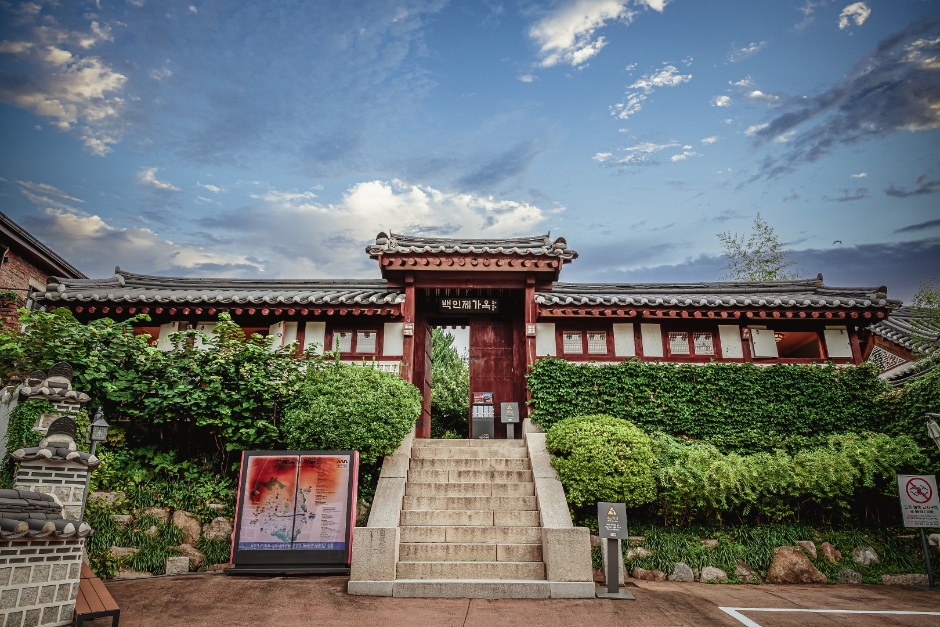
Baek In-je House, located in Bukchon Hanok Village, is a hanok built during the Japanese administration period that portrays modern hanok features. The structure consists of a main room offering a good view of the whole village, spacious bedrooms, a large garden, and annex buildings. As it maintains the beauty of a traditional hanok while incorporating the modern trend of its time, Baek In-je House is considered to be highly valuable in means of both architecture and history, representing the Bukchon Hanok Village together with Yun Bo-seon House.
Baek In-je House was built from black pine, which was first introduced in Seoul during the Gyeongseong Expo in 1907, distinguishing itself from other upper-class houses of its time. Unlike other traditional hanok designs that separate the main building from the other rooms, Baek In-je House connects the two with a hallway, allowing convenient access between the two structures. The house also consists of a Japanese-style hallway and floor mat rooms, reflecting the interior trends of that period. Baek In-je House is also unique in that the main room is partially built as a two-story structure, a style that was never seen in any traditional hanok built during the Joseon period.
 English
 한국어
한국어 日本語
日本語 中文(简体)
 Deutsch
 Français
 Español
 Русский


