![Homeplus Stores - Banghak Branch [Tax Refund Shop] (홈플러스스토어즈 방학)](http://tong.visitkorea.or.kr/cms/resource/14/2878114_image2_1.jpg)
Homeplus Stores - Banghak Branch [Tax Refund Shop] (홈플러스스토어즈 방학)
12.4Km 2024-04-22
678, Dobong-ro, Dobong-gu, Seoul
-
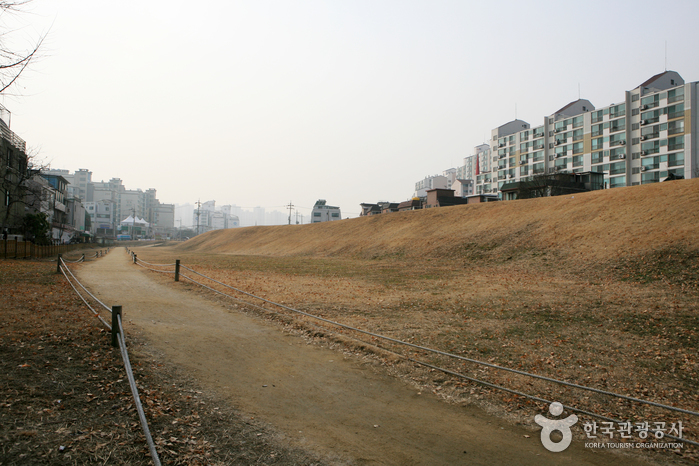
Pungnap-dong Toseong Fortress (서울 풍납동 토성)
12.4Km 2025-01-10
Pungnap-dong, Songpa-gu, Seoul
+82-2-2147-2800
Onjo, the progenitor of Kingdom Baekje, first settled in Wiryeseong Hanam. But exact location is still unknown. One thing for sure, however, is that Pungnaptoseong Fortress, Mongchontoseong Fortress, Bangidong Ancient Tombs of Baekje, Seokchondong Stone Mound Tomb of Early Baekje are the remains of Baekje. Pungnaptoseong Fortress faces Hangang River to its west and connects to Mongchontoseong Fortress to the south. To the northwest faces Achasanseong Fortress over Hangang River and far to the southeast is Namhansanseong Fortress.
Pungnaptoseong Fortress, located at the south end of Cheonhodaegyo Bridge over Hangang River, is one of the remains of Early Baekje. Originally, the fortress was 4km in circumference, but due to massive overflowing of Hangang River during flood season in 1925, most of the fortress was lost and only 2.7km of it remains. To the east of the fortress are 4 vestiges of the fortress gates. The remains from the prehistoric era through the Samguk (Three States) era have been unearthed, indicating that this place was a residential area well before the Baekje Era. Through vigorous excavation, some people suggest that there used to be a palace located here during the Baekje Era.

Nonghyup Hanaro Mart - Yangjae Branch [Tax Refund Shop] (농협하나로마트 양재)
12.5Km 2024-04-22
10, Cheonggyesan-ro, Seocho-gu, Seoul
-
![Olive Young - Irwon Station Branch [Tax Refund Shop] (올리브영 일원역)](http://tong.visitkorea.or.kr/cms/resource/54/2889454_image2_1.jpg)
Olive Young - Irwon Station Branch [Tax Refund Shop] (올리브영 일원역)
12.5Km 2024-04-18
Store #114, 115, Irwon-ro, Gangnam-gu, Seoul
-
KSPO Dome (Olympic Gymnastics Arena) (올림픽공원체조경기장)
12.5Km 2025-06-30
424 Olympic-ro, Songpa-gu, Seoul
The KSPO Dome was the arena built for gymnastic events during the 1988 Seoul Summer Olympics, but has been remodeled to host concerts, including for many K-pop stars and international pop stars. The dome can also serve as venue to a range of other events, including showcases, exhibitions, and business events. It is accessible via public transit using Olympic Park Station on Seoul Subway Lines 5 and 9.
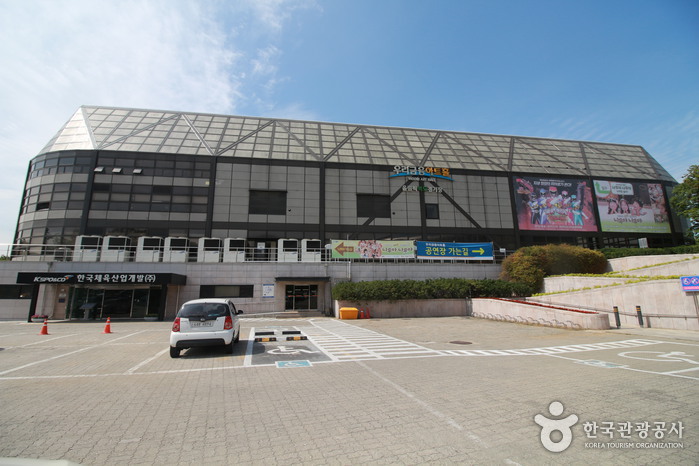
Woori Art Hall (우리금융아트홀)
12.5Km 2025-04-01
424 Olympic-ro, Songpa-gu, Seoul
Woori Art Hall is a cultural art space located within Olympic Park, opened in November 2009 after a two-year renovation project from the previous Yeokdo Stadium. The 1,184-seat hall is primarily for musicals, but can also host a range of performances including plays, dance, classical, and modern music.
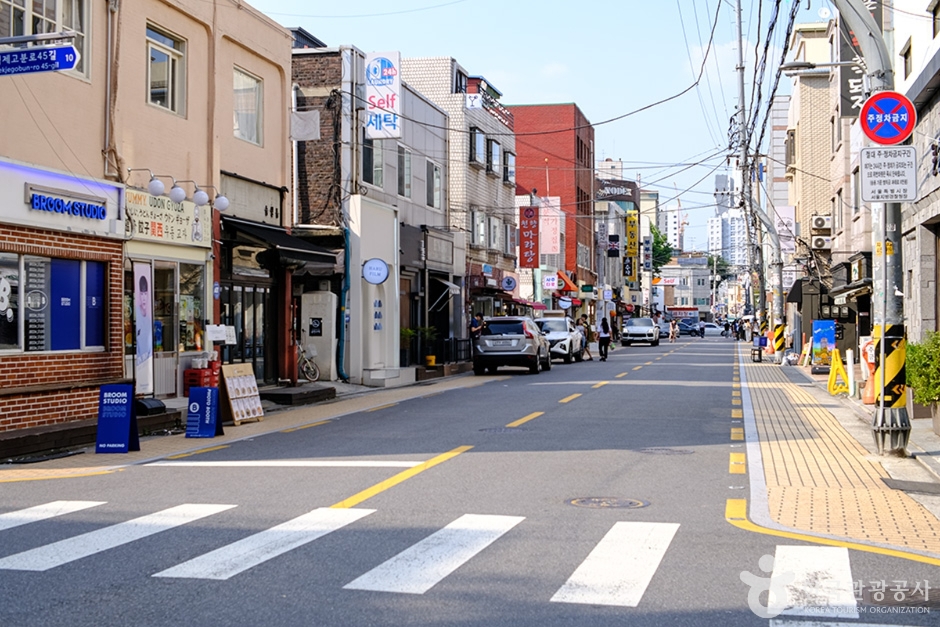
Songnidan-gil Street (송리단길)
12.5Km 2025-01-23
Baekjegobun-ro 43-gil, Songpa-gu, Seoul, and surrounding areas
Located south of the eastern side of Seokchon Lake, this street is home to numerous restaurants and cafes. Its name comes from the combination of Songpa-dong and Gyeongnidan-gil Street in Itaewon, Seoul, meaning the “Gyeongnidan-gil Street of Songpa-dong.” This street began as an otherwise unremarkable street that faced the eastern side of Seokchon Lake. Today’s “Songnidan-gil Street” came to be as cafes moved into the neighborhood, followed by restaurants and photography studios. Songnidan-gil Street is a popular hangout for young Seoulites in the southeastern side of Seoul, so on weekends, one can often find them conversing in cafes, going for drinks in bars, or waiting in line for the hottest restaurants in the neighborhood.
![Golfzon Market - Magok Branch [Tax Refund Shop] (골프존마켓 마곡 [사후면세점])](http://tong.visitkorea.or.kr/cms/resource/01/2880101_image2_1.jpg)
Golfzon Market - Magok Branch [Tax Refund Shop] (골프존마켓 마곡 [사후면세점])
12.5Km 2024-04-22
1-2F, 376, Yangcheon-ro, Gangseo-gu, Seoul
-
Enter 6 - Cheonho Station Branch [Tax Refund Shop] (㈜엔터식스패션쇼핑몰 천호역점)
12.6Km 2024-04-19
B1, Cheonho Station of Subway Line 5, 8, 997, Cheonho-daero, Gangdong-gu, Seoul
-
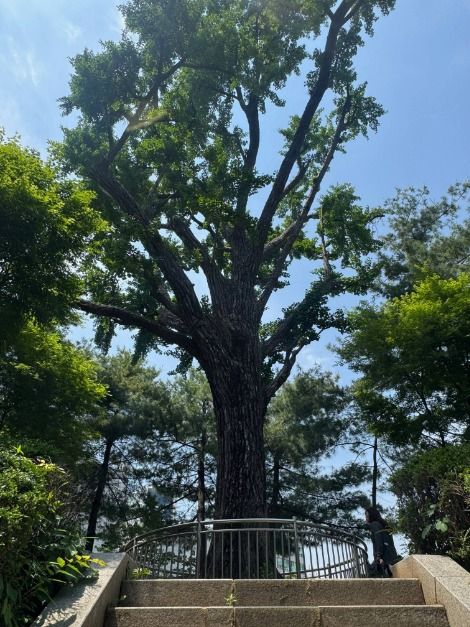
Ginkgo Tree at the Fortress Well Site (성주우물터 은행나무)
12.6Km 2025-09-15
Gayang-dong, Gangseo-gu, Seoul
Ginkgo Tree at the Fortress Well Site refers to the old ginkgo tree, which have been designated as a protected tree in 1988, located in Gayang-dong, Gangseo-gu in Seoul. Until the Gayang apartment complex was built, the area where the ginkgo tree is located was a historic place with a beautiful landscape and many anecdotes and legends. Before the Goryeo dynasty, its location served as an important strategic point along the lower part of the Hangang River, where it had a ferry dock with boats that bypassed Haengju and Paju as a shortcut for commuting between Kaeseong and Pyongyang, and is associated with many legends of historical figures who had used the dock. The ginkgo tree also appears in a painting drawn by Gyeomjae Jeongseon, a historic painter of the Joseon dynasty.
 English
 한국어
한국어 日本語
日本語 中文(简体)
 Deutsch
 Français
 Español
 Русский


