
ID Hospital (아이디병원)
8.0Km 2025-10-23
142 Dosan-daero, Gangnam-gu, Seoul
ID Hospital offers innovative medical services and one-stop solutions, delivering value that is more than just beauty. A plastic surgery clinic comparable to a large hospital, ID Hospital ensures safe, personalized treatments with cutting-edge technology and world-class expertise.
From facial contouring to Mommy Makeover, the clinic creates harmonious transformations that enhance patient's natural beauty and confidence.
ID Clinic (Sinsa Branch) (아이디의원(신사점))
8.0Km 2025-10-23
6F, 142 Dosan-daero, Gangnam-gu, Seoul
ID Cosmedical Group, consisting of ID Plastic Surgery and ID Dermatology, has launched a beauty clinic brand with a new concept that combines its extensive expertise and experience.
Based on its high-quality medical services, ID Clinic offers personalized beauty solutions with exceptional convenience at reasonable costs.
Miss Gee Collection [Tax Refund Shop] (미스지콜렉션)
8.0Km 2024-04-23
12, Apgujeong-ro 60-gil, Gangnam-gu, Seoul
-
10 Corso Como Cheongdam Branch (10꼬르소꼬모 청담점)
8.0Km 2025-10-28
416, Apgujeong-ro, Gangnam-gu, Seoul
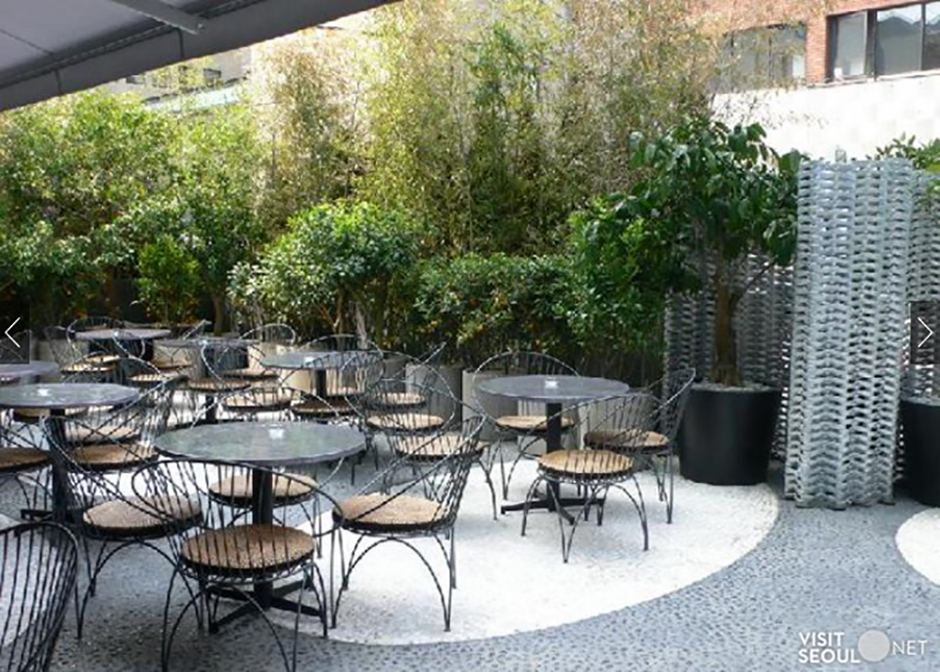
A trendy select shop frequented by celebrities
It is a trendy select shop with a restaurant and cafe. BLACKPINK JENNIE uploaded a restaurant on Instagram, which became a hot topic. It is a place where colorful ceiling decorations and sensuous interiors stand out, and the photo point is the wall decorations that are said to have been made by hand. There are a variety of products from books to interior accessories and clothes, and pop-up stores of various brands are often opened. Thanks to this, it is known as a sacred place for celebrities and fashion people who are sensitive to trends.
BIOFACE CLINIC (비오페이스의원)
8.0Km 2025-11-21
10th Floor, Human Tower, 605 Gangnam-daero, Seocho-gu, Seoul
BIOFACE Clinic is a dermatology clinic located in Sinsa, Seoul.
We specialize in non-surgical anti-aging treatments such as skin tightening, lifting, body contouring, and skin boosters.
Our medical team provides personalized care based on extensive clinical experience and advanced equipment.
Signature treatments include Ultherapy, InMode, Onda, Potenza, Rejuran, and Stem Cell Boosters.
BIOFACE Clinic offers professional consultation and systematic aftercare for both local and international patients.
![IDEA Plastic Surgical Clinic [Tax Refund Shop] (이데아성형외과 [사후면세점])](http://tong.visitkorea.or.kr/cms/resource/64/2879764_image2_1.jpg)
IDEA Plastic Surgical Clinic [Tax Refund Shop] (이데아성형외과 [사후면세점])
8.0Km 2024-04-19
2F Daekwang Bldg., 176, Dosan-daero, Gangnam-gu, Seoul
-
Exabra (엑사브라)
8.0Km 2024-05-16
132, Dosan-daero, Gangnam-gu, Seoul
+82-2-6085-9017
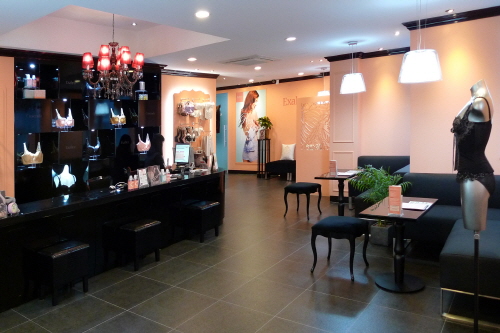
Exabras are handmade under garments specialized for functional bridal wear. Exbaras’ product “Grow Night,” an industry first, is a line of sleeping bras to help the reshaping process for breast implant patients.
The store located in Nonhyeon-dong provides consultations, fitting services, as well as refreshments. Reservation is advised since the store has been drawing lots of visitors after featured in the cable TV show “Get it Beauty.”
![Rovl Avenue [Tax Refund Shop] (로블에비뉴의원)](http://tong.visitkorea.or.kr/cms/resource/97/3312997_image2_1.jpg)
Deesse Plastic Surgery (청담여신성형외과의원)
8.0Km 2025-10-29
(14th-15th Floors, Nonhyeon-dong), 108 Dosan-daero, Gangnam-gu, Seoul
Deesse Plastic Surgery provides the highest level of medical care in Korea in the fields of lip plastic surgery, rhinoplasty, facial bone contouring, face-lift, and eyelid surgery. Many foreign patients are visiting us after hearing about our reputation. In order to provide high-quality medical services to foreign patients, we have interpretation coordinators available for Japanese, Chinese, Thai, and other languages on site. Also, we constantly strive to improve the quality of medical services to ensure the best experience for international patients. As a result, the hospital is rapidly gaining recognition by people around the world interested in receiving plastic surgery in Korea, and the results have been remarkable and foreign customers who visited our hospital showed high satisfaction. Our efforts have been rewarded in 2023 as we were designated by the Ministry of Justice for excellent medical tourism.
Trinity Women's Clinic (트리니티여성의원)
8.0Km 2025-10-23
3F, 108 Dosan-daero, Gangnam-gu, Seoul
Trinity Women’s Clinic provides the best medical service for women suffering from health issues unique to women, such as vaginitis, fibroids, and menopause.
The clinic aims to enhance patients’ quality of life through accurate and safe treatments. It aspires to become a reliable clinic that treats both women's minds and bodies. The clinic focuses on women's health and uterine treatments. At the same time, it guarantees optimum outcomes realized through its proven facilities, equipment, and safe medical environment.
Through continuous technological development and acquiring new medical knowledge, Trinity Women’s Clinic offers innovative treatments, including HIFU procedures, to improve patient health.
 English
 한국어
한국어 日本語
日本語 中文(简体)
 Deutsch
 Français
 Español
 Русский


