
KongKongY Gallery [Tax Refund Shop] (콩콩이 그림가게)
308.9M 2024-04-19
Store #325, 3F, 49, Insadong-gil, Jongno-gu, Seoul
-
Bachi Ring (UMC Jewelry) [Tax Refund Shop] (바치링(UMC쥬얼리))
308.9M 2024-04-19
#414, 49, Insadong-gil, Jongno-gu, Seoul
-
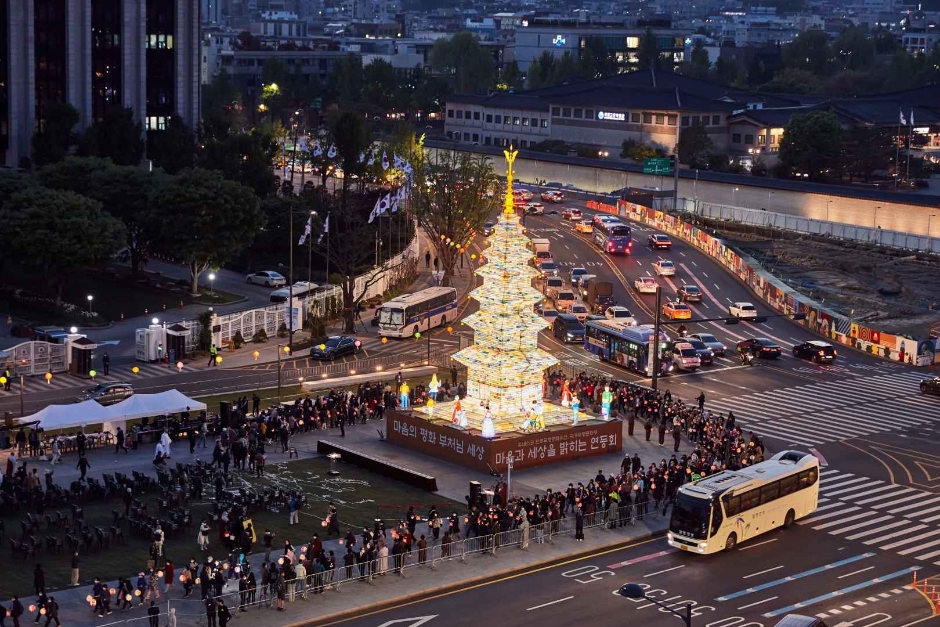
Yeon Deung Hoe (Lotus Lantern Festival) (연등회)
327.9M 2025-04-09
55 Ujeongguk-ro, Jongno-gu, Seoul
+82-2-2011-1744~7
Started approximately 1,200 years ago during the Silla dynasty and continued through the Goryeo Yeon Deung Hoe and Joseon lantern festival, the Yeon Deung Hoe Festival is a traditional festival registered as an Intangible Cultural Heritage and UNESCO Masterpiece of the Oral and Intangible Heritage of Humanity. The lanterns at Yeon Deung Hoe Festival brighten the heart and the world!
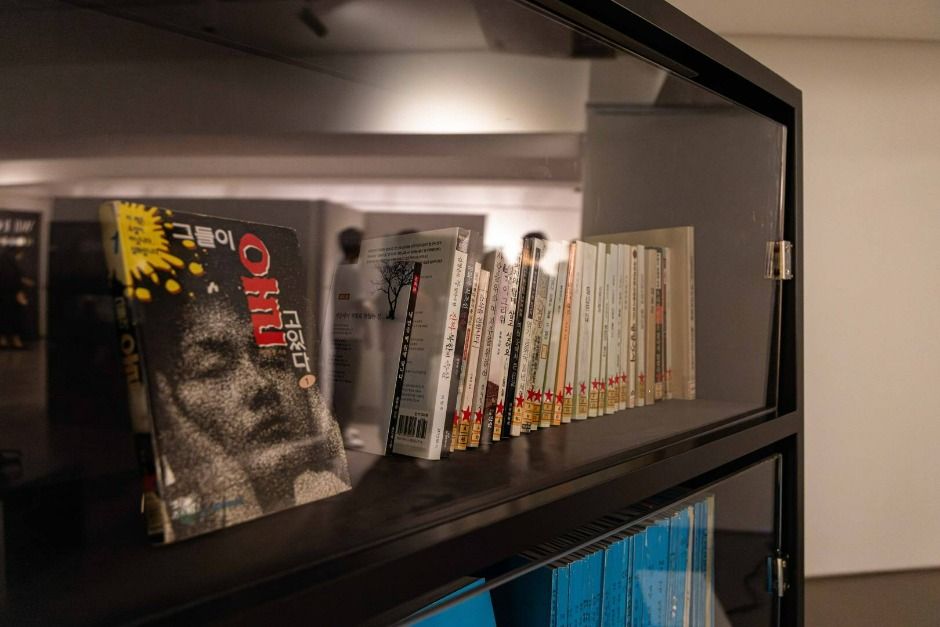
NKDB North Korean Human Rights Exhibition Hall (북한인권전시실)
332.6M 2025-11-13
393 Samil-daero, Jongno-gu, Seoul
The NKDB North Korean Human Rights Exhibition Hall is a permanent exhibition space dedicated to North Korean human rights. Although it is a small space, it resonates deeply and serves as a "dark tourism" site that records and testifies to the ongoing reality of human rights violations in North Korea. The North Korean Human Rights Information Center (NKDB), which operates this exhibition hall, is the organization that collects and archives the most extensive records of human rights concerning North Korean residents in the world. The testimonies and records presented here represent a living history, a story unfolding in the present, unavailable elsewhere. Through donated North Korean artifacts, including these records, visitors can glimpse the present-day North Korea and encounter artwork by North Korean defectors.
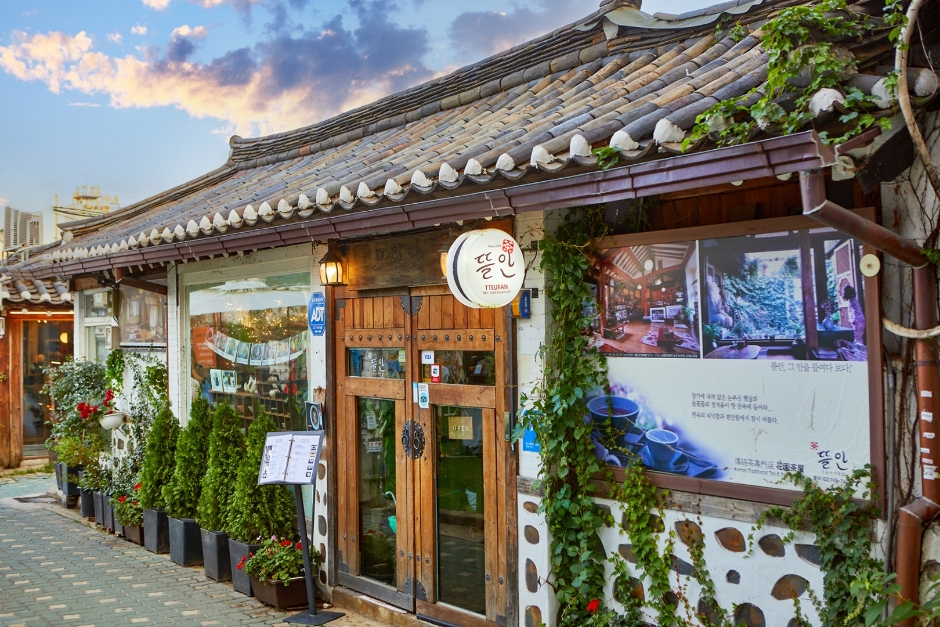
Tteulan Teahouse (뜰안)
341.1M 2024-12-10
Tteulan Teahouse is a cafe that really allows one to feel the tradition and flair of Korea. Tteulan has two entrances: one facing the wide alley and the other facing the smaller one. The smaller entrance is decorated like a garden, so it feels as if one is stepping into a land of fairy-tales. The café has a floor seating tables with traditional items like gadari soban (a table with legs that curve like a dog's legs), and jogakbo (a textile woven from several pieces of scrap cloth), all of which add to the traditional Korean aesthetic. The menu features ssanghwacha (medicinal herb tea known to help the immune system), a favorite among middle-aged and elderly Koreans; omija tea (omija is a tart berry that grows in East Asia known to be good for lung and bronchial health and boosts immunity); citrus tea (usually made with yuzu which is rich in vitamin C and said to help mitigate fatigue); and pour-over coffee. Traditional desserts include mugwort rice cake (rice cake with mugwort added for herbal flavor, best enjoyed with malt syrup), pumpkin rice cake, and roasted grain powder (a nutritious beverage made with a variety of powdered grain). It can be hard to find seating in the afternoon, so visitors are advised to avoid these hours if they seek to enjoy their drink in peace.
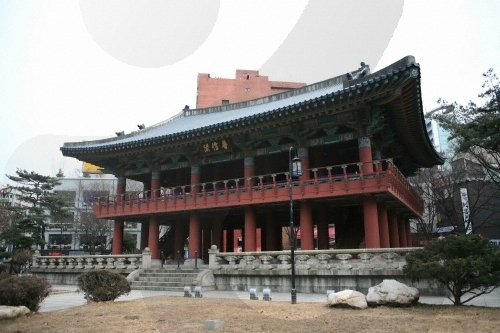
Bosingak Belfry (보신각 터)
362.2M 2024-03-04
54, Jong-ro, Jongno-gu, Seoul
+82-2-2133-2641
Bosingak Belfry is also known as Jonggak. It was the site in which a large bell, used to keep the time in Seoul, was found during the Joseon period (1392-1897). Bosingak Belfry was burned down during the Korean War (1950-1953) and was reconstructed in 1979. The original bell was moved to the Gyeongbokgung Palace, and a new bell was forged in 1985. At midnight, January 1, the bell at the Bosingak Belfry is rung to welcome the new year. Many people gather around the belfry to make a wish for their new year.
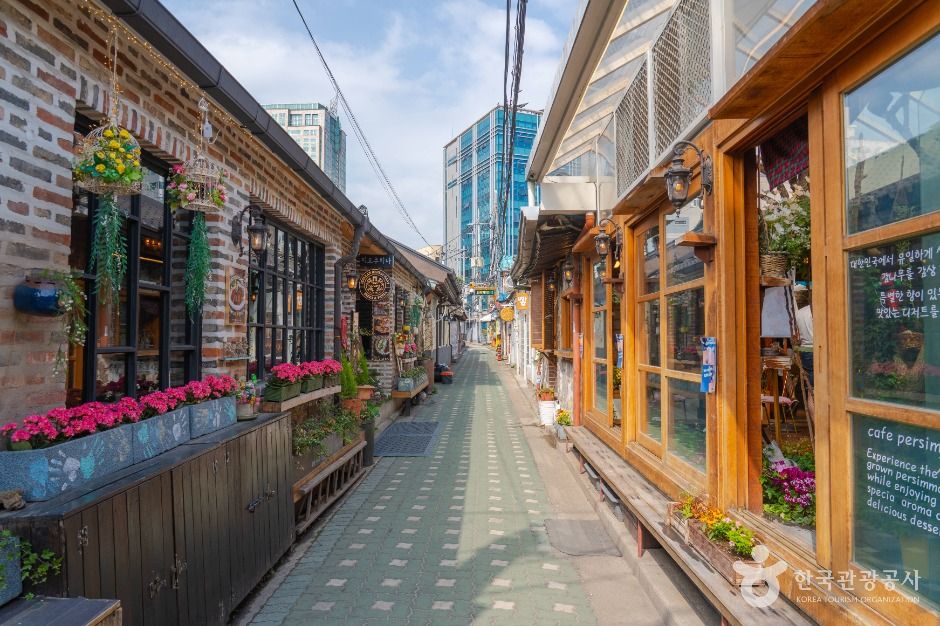
Ikseon-dong Hanok Street (익선동 한옥거리)
362.4M 2025-10-27
Ikseon-dong, Jongno-gu, Seoul
Ikseon-dong is a place where the harmony of alleys and hanok houses exudes beautiful charm and is a must-visit spot for tourists of all ages and genders. It is also an area that connects the younger and older generations.
![Olens - Gwanghwamun Branch [Tax Refund Shop] (오렌즈 광화문)](http://tong.visitkorea.or.kr/cms/resource/17/2878217_image2_1.jpg)
Olens - Gwanghwamun Branch [Tax Refund Shop] (오렌즈 광화문)
377.4M 2024-04-18
1F, 82, Sambong-ro, Jongno-gu, Seoul
-
High - Anguk Branch [Tax Refund Shop] (하이엔드코리아 안국)
384.7M 2024-04-17
1F, 62-5, Insadong-gil, Jongno-gu, Seoul
-
![Olive Young - Jongno YBM Branch [Tax Refund Shop] (올리브영 종로YBM)](http://tong.visitkorea.or.kr/cms/resource/27/2878227_image2_1.jpg)
Olive Young - Jongno YBM Branch [Tax Refund Shop] (올리브영 종로YBM)
388.0M 2024-04-19
104, Jong-ro, Jongno-gu, Seoul
 English
 한국어
한국어 日本語
日本語 中文(简体)
 Deutsch
 Français
 Español
 Русский


