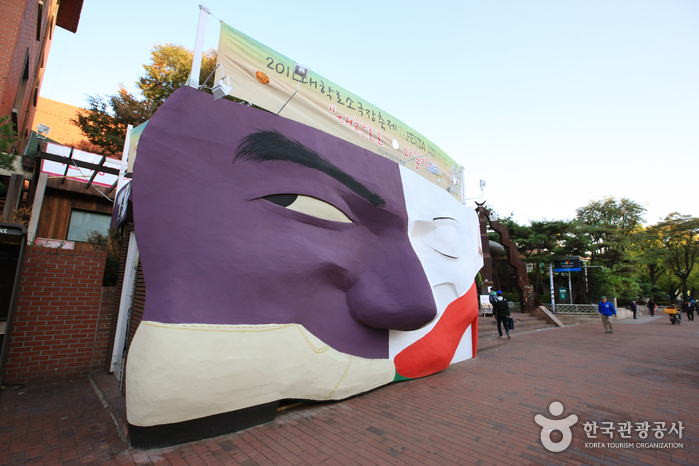
Daehangno (University Street) (대학로)
1.4Km 2021-03-25
104, Daehak-ro, Jongno-gu, Seoul
+82-2-2148-1114
Daehangno is an artistic neighborhood that stretches 1.1 kilometers from Jongno 5-ga Intersection to Hyehwa-dong Rotary. The area is filled with culture and performing arts facilities, with the center of all this being Marronnier Park. Visitors can find performances taking play every day at the many theaters large and small, as well as restaurants serving a range of cuisines. The area is especially active on weekends and during the street festival period.
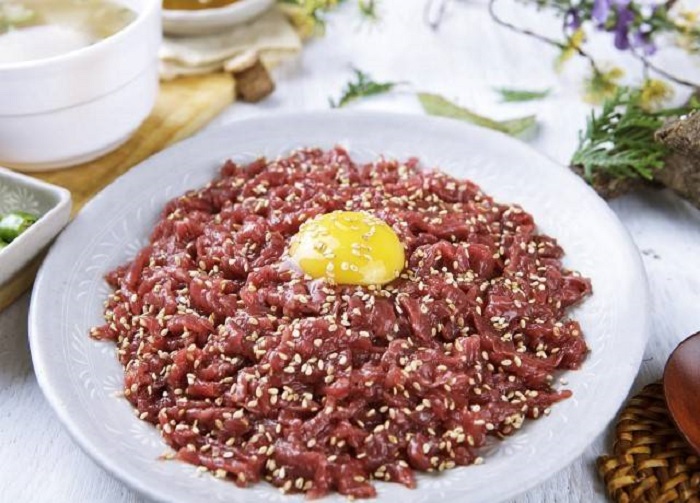
Buchon Yukhoe (부촌육회)
1.4Km 2024-03-04
200-12 Jong-ro, Jongno-gu, Seoul
Buchon Yukhoe is a renowned restaurant located in Gwangjang Market's Beef Tartare Street, selected by the Michelin Guide in 2023. It specializes in yukhoe (beef tartare), a Korean-style raw beef dish marinated with sesame oil and pear. The restaurant uses fresh Korean beef supplied daily, ensuring a delightful and nutty flavor. The simple seasoning enhances the natural taste of the ingredients, and the yolk-topped yukhoe adds visual appeal to the dish.
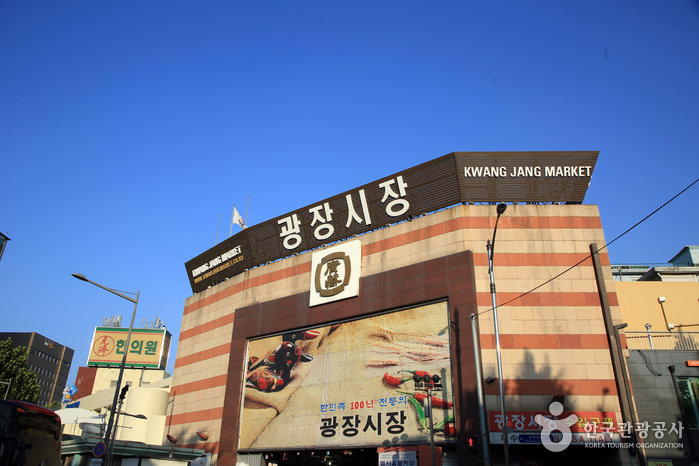
Gwangjang Market (광장시장)
1.4Km 2024-07-08
88, Changgyeonggung-ro, Jongno-gu, Seoul
+82-2-2267-0291
Gwangjang Market was the first permanent market in Korea and continues to thrive as a popular tourist destination today. The name Gwangjang means "to gather from afar and keep altogether." The market began as a small trading center that brought in goods from nearby regions, but has now grown into a large wholesale market selling a variety of goods, including upholstery, imported goods, groceries, dried fish, traditional goods, and more. The most popular section of the market is the food street connected to the East Gate, North Gate 2, and South Gate 1. The food street caters to a wide range of patrons due to the plethora of menus available. It is also one of the most recommended tourist attraction for international travelers.
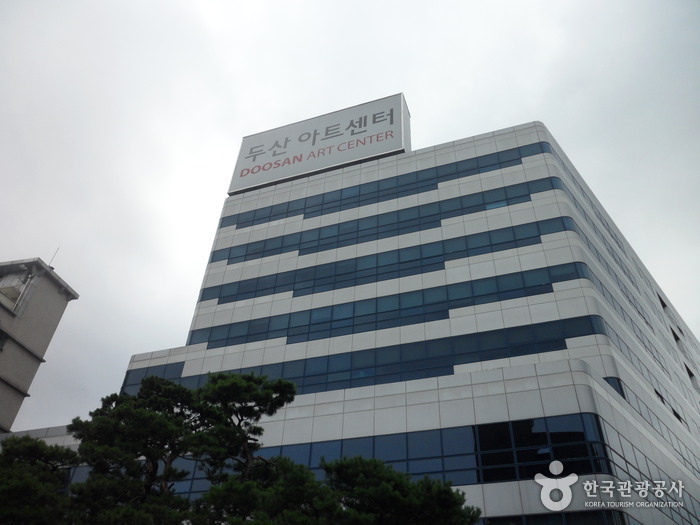
Doosan Art Center (두산아트센터)
1.4Km 2021-11-01
15, Jong-ro 33-gil, Jongno-gu, Seoul
+82-2-708-5001
Doosan Art Center, which opened on October 1, 2007, is structured around three different spaces: The Yonkang Hall, exclusively designed for musical performances, Space 111, a “space for art incubation,” and the Doosan Gallery, built for installations.
The Yongang Hall, a theater with 620-person seating capacity, has specially designed lightings and a world-class audio-visual system to provide a second-to-none sensory experience.
Space 111 can accommodate a broad range of performing arts, from theater and dance to film and music concerts. The Doosan Gallery is open to the public, and art exhibitions and performances here can be enjoyed free of charge.
All three theaters include spacious lobbies with handicapped access, designated seating for parents with infants, and meeting areas. Rest rooms are also available nearby, in order to avoid long queues and long walks during intermission.

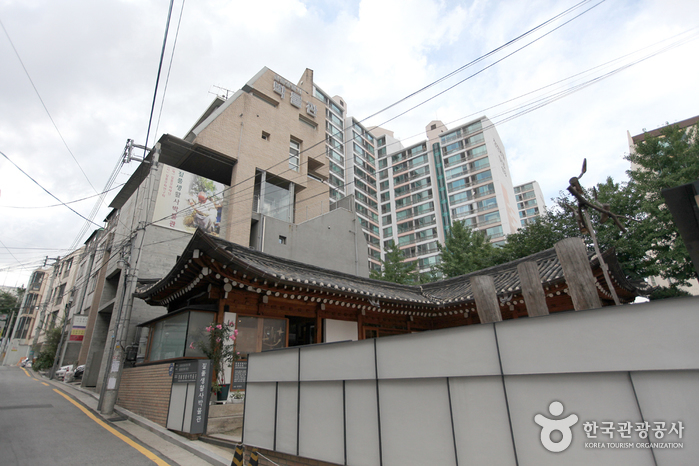
Korean Museum of Straw and Life (짚풀생활사박물관)
1.4Km 2022-09-15
45, Sungkyunkwan-ro 4-gil, Jongno-gu, Seoul
+82-2-743-8787
Korean Museum of Straw and Life is a private museum dedicated to the collection, research, and display of materials and historical accounts of diverse straws and their uses in Korea. As Koreans' lifestyle in the past heavily depended on agriculture and cultivation of crops, straws and grasses were easily found and had many uses. The museum aims to educate the general public of how different straw were produced and used by Korean ancestors as well as their significance in connection with today's lifestyle.
Seoul Metropolitan Library (서울도서관)
1.4Km 2022-12-14
110, Sejong-daero, Jung-gu, Seoul
+82-2-2133-0300
Seoul Library provides access to a wide range of documents and materials about Seoul Metropolitan City. Visitors will find diverse resources related to the city including history, culture, urban planning, transportation, environmental issues, administration, reports on outbound visitors, research documents, video clips, and e-data.
![M.Ffin - Euljiro 1(il)-ga Branch [Tax Refund Shop] (엠핀 을지로입구)](http://tong.visitkorea.or.kr/cms/resource/93/2878593_image2_1.jpg)
M.Ffin - Euljiro 1(il)-ga Branch [Tax Refund Shop] (엠핀 을지로입구)
1.4Km 2024-04-22
2F, 10, Docheong-ro, Yeongtong-gu, Suwon-si, Gyeonggi-do
-
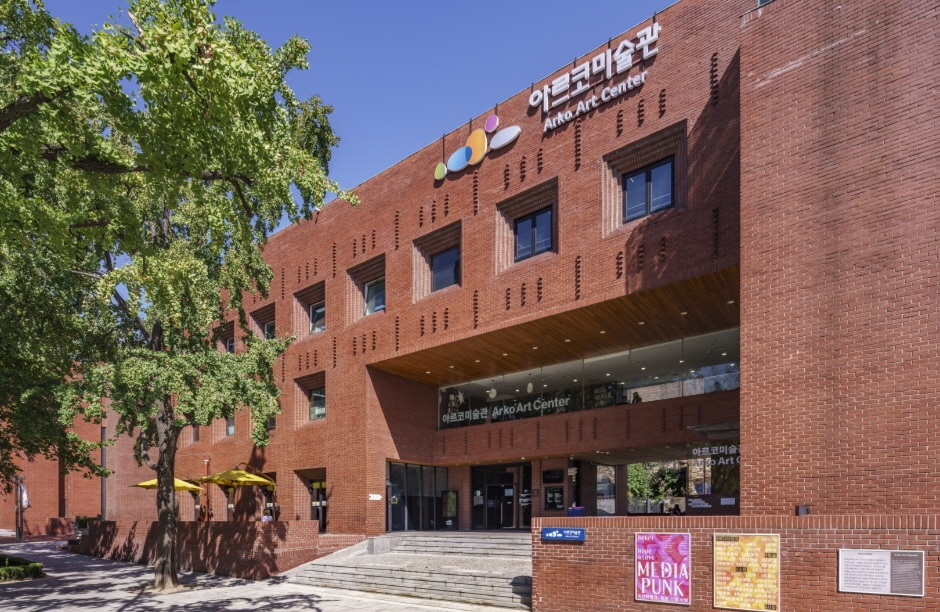
ARKO Art Center (아르코미술관)
1.4Km 2025-06-05
3, Dongsung-gil, Jongno-gu, Seoul
+82-2-760-4850
ARKO Art Center was founded in 1974 as Misulhoegwan in a building of former Deoksu Hospital in Gwanhun-dong, Jongno-gu to offer much-needed exhibition space for artists and arts groups. In 1979, Misulhoegwan moved to its present building, designed by preeminent Korean architect Kim Swoo-geun (1931-1986) and located in Marronnier Park, the former site of Seoul National University. The two neighboring brick buildings accommodating ARKO Art Center and ARKO Arts Theater are the major landmarks of the district of Daehakro.
As more public and private museums and commercial galleries came into the art scene in the 1990s, Misulhoegwan shifted to curating and presenting its own exhibitions. Renamed as Marronnier Art Center in 2002, ARKO Art Center assumed a full-fledged art museum system and played an increasingly prominent role as a public arts organization leading the contemporary art paradigm. When The Korea Culture and Arts Foundation was reborn as Arts Council Korea, Marronnier Art Center became ARKO Art Center named after the abbreviation for Arts Council Korea in 2005.
ARKO Art Center is committed to working as a platform where research, production, exhibitions and the exchange of creative activities grow and develop in connection with one another in addition to having a diversity of programs including thematic exhibitions addressing social agenda and public programs widely promoting various discourses in art.
![Saera - Daehangno Branch [Tax Refund Shop] (세라제화 대학로)](http://tong.visitkorea.or.kr/cms/resource/85/2878185_image2_1.jpg)
Saera - Daehangno Branch [Tax Refund Shop] (세라제화 대학로)
1.4Km 2024-04-19
123-1, Daehak-ro, Jongno-gu, Seoul
-
 English
 한국어
한국어 日本語
日本語 中文(简体)
 Deutsch
 Français
 Español
 Русский


