![ABC-Mart - Lotte Mall Eunpyeong Branch [Tax Refund Shop] (ABC마트 MS롯데은평)](http://tong.visitkorea.or.kr/cms/resource/96/2888996_image2_1.jpg)
ABC-Mart - Lotte Mall Eunpyeong Branch [Tax Refund Shop] (ABC마트 MS롯데은평)
11.4Km 2024-04-22
3F, 1050, Tongil-ro, Eunpyeong-gu, Seoul
-
![Lordsystem [Tax Refund Shop] (주식회사 로드시스템)](http://tong.visitkorea.or.kr/cms/resource/15/2878915_image2_1.jpg)
![LG Best Shop - Songpa Branch [Tax Refund Shop] (엘지베스트샵 송파점)](http://tong.visitkorea.or.kr/cms/resource/25/2879325_image2_1.jpg)
LG Best Shop - Songpa Branch [Tax Refund Shop] (엘지베스트샵 송파점)
11.4Km 2024-04-18
476, Songpa-daero, Songpa-gu, Seoul
-
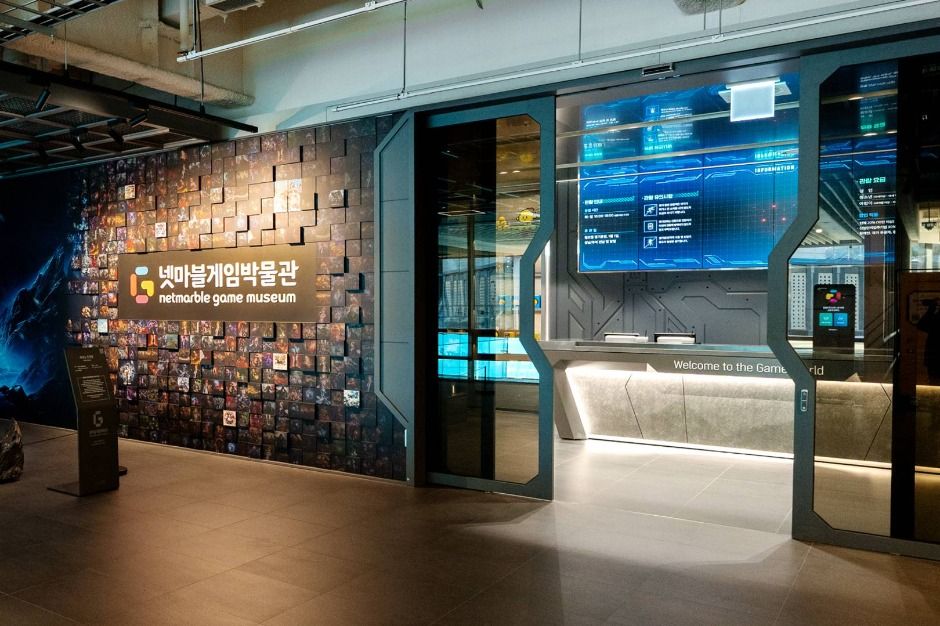
Netmarble Game Museum (넷마블게임박물관)
11.4Km 2025-05-14
38 Digital-ro 26-gil, Guro-gu, Seoul
The Netmarble Game Museum offers visitors an opportunity to explore the history and culture of games and discover their social and cultural values. The museum features an exhibition space showcasing a diverse collection of domestic and international, a learning space with various gaming education materials, and a gaming space where visitors can enjoy playing different types of games. The exhibition space is organized around three main themes: game history, game world, and gaming culture. In particular, the Play Collection zone includes classic arcade games, console games, and PC games, allowing children to have fun and adults to reminisce about their memories.

Yongma Land (용마랜드)
11.4Km 2025-10-28
118 Mangu-ro 70-gil, Jungnang-gu, Seoul
Yongma Land, a private amusement park, was opened at the foot of Yongmasan Mountain in 1983, and closed its doors in 2011. Having spent some time as a derelict building, it has now been repurposed as a nostalgia-filled space. It was made famous as the filming location of Crayon Pop’s "Bar Bar Bar" music video. Since then, it has become a renowned destination for photography, thanks to its unique atmosphere created by the combination of lush greenery and derelict amusement rides. Entry may be restricted in the case of filming or space rentals, so make sure to check with the management before you head to the amusement park. Yongma Land is located next to Bonghwa Middle School, at Exit 1 of Mangu Station, Gyeongui–Jungang Line.
![Greenjoy - Guro Branch [Tax Refund Shop] (그린조이 구로)](http://tong.visitkorea.or.kr/cms/resource/15/2880215_image2_1.jpg)
Greenjoy - Guro Branch [Tax Refund Shop] (그린조이 구로)
11.5Km 2024-04-22
121-4, Gurodong-ro, Guro-gu, Seoul
-
Gwacheon Chusa Museum (추사박물관(과천))
11.6Km 2023-07-14
78, Chusa-ro, Gwacheon-si, Gyeonggi-do
+82-2-2150-3650
Gwacheon was where Chusa Gim Jeong-hui immersed himself in studies and arts to ignite his final artistic spirit in the twilight of his life. The city of Gwacheon opened Chusa Museum in order to promulgate the essence of the learning and arts that Chusa flowered. The museum features the life exhibit of Chusa, an art and science exhibit, a planned exhibit hall, an experience room, lounges, a museum shop and an education room for thoroughly researching, exhibiting and experiencing Chusa.
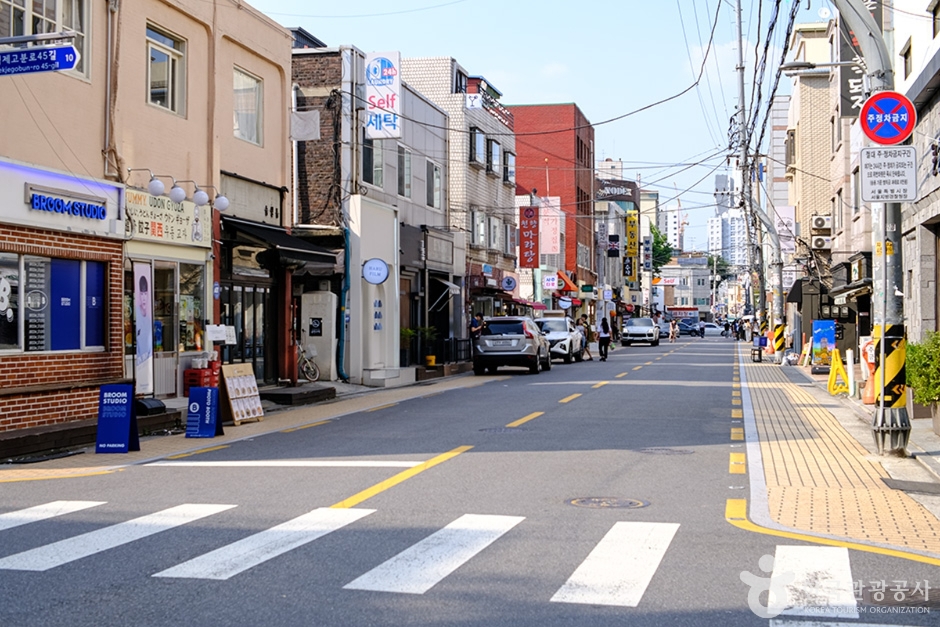
Songnidan-gil Street (송리단길)
11.7Km 2025-01-23
Baekjegobun-ro 43-gil, Songpa-gu, Seoul, and surrounding areas
Located south of the eastern side of Seokchon Lake, this street is home to numerous restaurants and cafes. Its name comes from the combination of Songpa-dong and Gyeongnidan-gil Street in Itaewon, Seoul, meaning the “Gyeongnidan-gil Street of Songpa-dong.” This street began as an otherwise unremarkable street that faced the eastern side of Seokchon Lake. Today’s “Songnidan-gil Street” came to be as cafes moved into the neighborhood, followed by restaurants and photography studios. Songnidan-gil Street is a popular hangout for young Seoulites in the southeastern side of Seoul, so on weekends, one can often find them conversing in cafes, going for drinks in bars, or waiting in line for the hottest restaurants in the neighborhood.
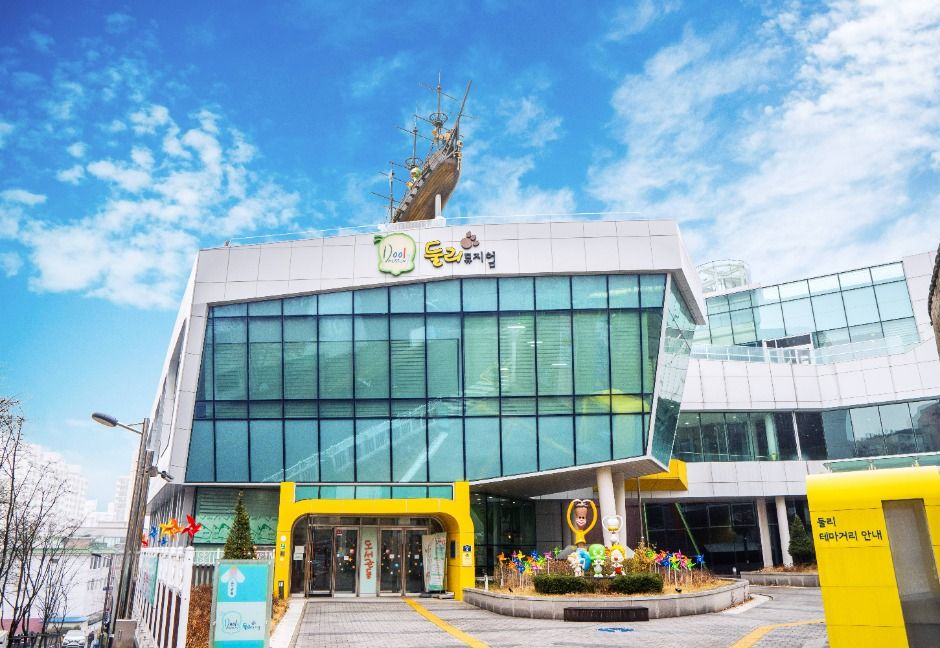
Dooly Museum (둘리뮤지엄)
11.7Km 2025-03-31
6 Sirubong-ro 1-gil, Dobong-gu, Seoul
Dooly Museum is Korea's first museum to be dedicated to a single character. The museum is dedicated to Dooly, the main character from the Korean cartoon series "Dooly the Little Dinosaur." The cartoon was published as a series on a comic magazine called "Bomulseom" from 1983 to 1993, following Dooly's adventure that begins from his arrival to Ssangmun-dong inside a glacier from the Ice Age. Inspired by the series, this interactive museum was founded in Ssangmun-dong and explores the value and meaning of the hit series through the expansion of its works such as the animation series, character merch, and other media sources.
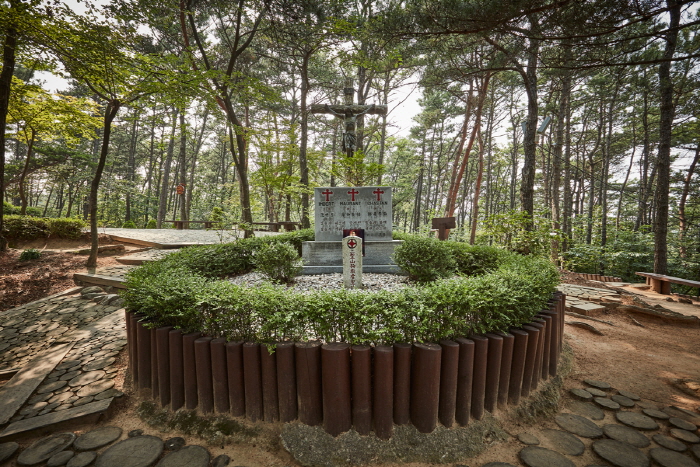
Samseongsan Holy Ground (삼성산성지)
11.7Km 2021-08-17
454-16, Hoam-ro, Gwanak-gu, Seoul
+82-2-875-2271
During the Gihae Persecution of 1839, three French Catholic priests were sentenced to death for spreading Catholicism in Korea. Saint Laurent Joseph Marius Imbert (Bishop), Saint Pierre Philibert Maubant (Priest), and Saint Jacques Honore Chastan (Priest) were beheaded on September 21, 1839 at Saenamteo, currently known as the Saenamteo Catholic Holy Place of the Martyrs, and their bodies were buried at Samseongsan Mountain and later transferred to the grotto of Myeondong Cathedral.
 English
 한국어
한국어 日本語
日本語 中文(简体)
 Deutsch
 Français
 Español
 Русский


