![KGC - Chungmu-ro Branch [Tax Refund Shop] (KGC 충무로점)](http://tong.visitkorea.or.kr/cms/resource/71/2878671_image2_1.jpg)
KGC - Chungmu-ro Branch [Tax Refund Shop] (KGC 충무로점)
1.1Km 2024-04-16
235, Toegye-ro, Jung-gu, Seoul
-

Olive Young - Myeongdong Jungang Branch [Tax Refund Shop] (올리브영 명동중앙점)
1.1Km 2024-06-27
1F, 18, Myeongdong 8na-gil, Jung-gu, Seoul
-
![Frisbee - Gwanghwamun Branch [Tax Refund Shop] (FR광화문점(금강 프리스비))](http://tong.visitkorea.or.kr/cms/resource/73/2878573_image2_1.jpg)
Frisbee - Gwanghwamun Branch [Tax Refund Shop] (FR광화문점(금강 프리스비))
1.1Km 2024-04-16
1F, 8, Cheonggyecheon-ro, Jung-gu, Seoul
-
![Seoul Papyrus [Tax Refund Shop] (서울파피루스)](http://tong.visitkorea.or.kr/cms/resource/74/2878574_image2_1.jpg)
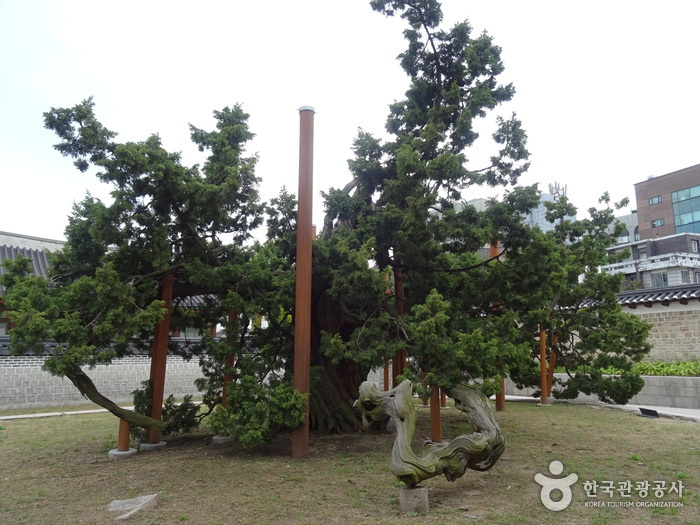
Hyangnamu Tree in Changdeokgung Palace (창덕궁 향나무)
1.1Km 2025-01-13
99, Yulgok-ro, Jongno-gu, Seoul
+82-2-3668-2300
Hyangnamu or 'Aromatic Tree' in Changdeokgung Palace is estimated to be about 700 years old, meaning it had likely been planted before the palace was built. It stands 12m in x_height, measures 5.9m in girth around the roots, and has branches spreading in all four directions. It is designated and protected as a National Natural Monument.
![Adidas Original - Myeongdong Branch [Tax Refund Shop] (아디다스오리지널 명동점)](http://tong.visitkorea.or.kr/cms/resource/39/2878639_image2_1.jpg)
Adidas Original - Myeongdong Branch [Tax Refund Shop] (아디다스오리지널 명동점)
1.1Km 2024-04-19
20, Myeongdong 8na-gil, Jung-gu, Seoul
-
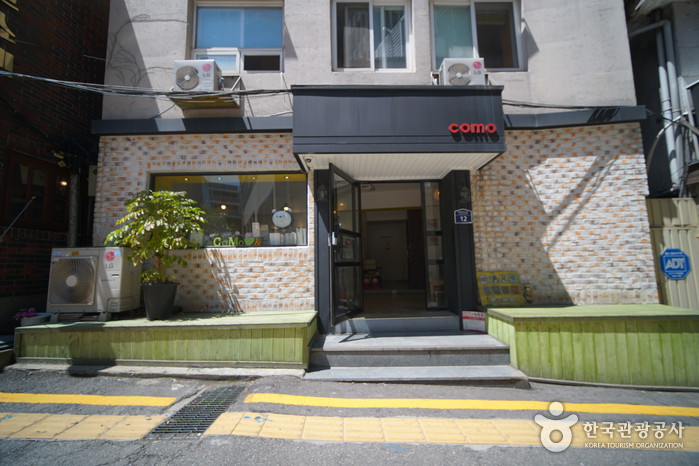
Myeongdong Guesthouse Como (명동게스트하우스 꼬모)
1.1Km 2024-12-23
12 , Toegye-ro 24-gil, Jung-gu, Seoul
+82-2-755-5437
Como is a guesthouse in Jongno-gu, Seoul, just 3-minute’s walk away from Myeongdong Station on Line 4. Como is particularly popular with foreign travelers: staff are fluent in English and Chinese, and luggage storage is free of charge. Rooms come in different sizes to cater from single travelers to family groups, and all have a separate bathroom and toilet. Must-see local sights such as Namsan Seoul Tower, Sungnyemun Gate, and Namdaemun Market are easily reached by car or bus.
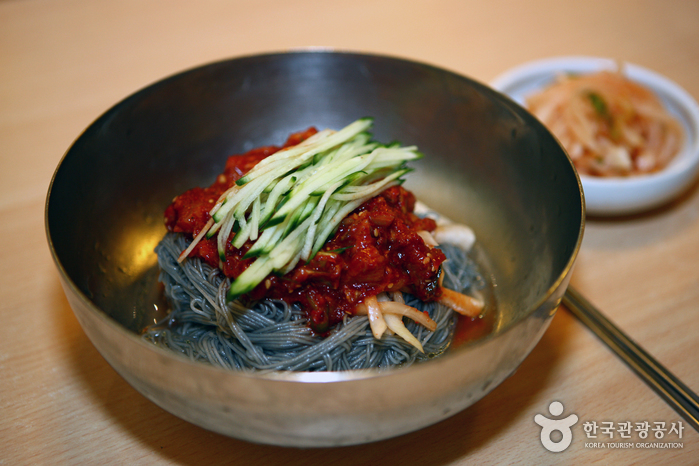
Ojang-dong Hamheung Naengmyeon (오장동 함흥냉면)
1.1Km 2024-02-22
108 Mareunnae-ro, Jung-gu, Seoul
Ojang-dong Hamheung Naengmyeon originated when grandma Han Hyesun, who migrated from Hamgyeongnam-do to Seoul during the Korean War, began selling Hamheung-style "nongma guksu (starch noodles)," eventually naming it Hamheung naengmyeon (Hamheung cold buckwheat noodles). Its signature dish, bibim naengmyeon (spicy buckwheat noodles), features chewy noodles infused with a tangy-sweet seasoning, showcasing the expertise behind its preparation. Alongside the flavorful broth served as a base, the menu also includes variations like hoe naengmyeon (cold buckwheat noodles with raw fish), mul laengmyeon (cold buckwheat noodles), suyuk (boiled pork slices) and mandu.
![Olive Young - Chungmuro Station Branch [Tax Refund Shop] (올리브영 충무로역)](http://tong.visitkorea.or.kr/cms/resource/68/2888868_image2_1.jpg)
Olive Young - Chungmuro Station Branch [Tax Refund Shop] (올리브영 충무로역)
1.1Km 2024-04-18
222, Toegye-ro, Jung-gu, Seoul
-
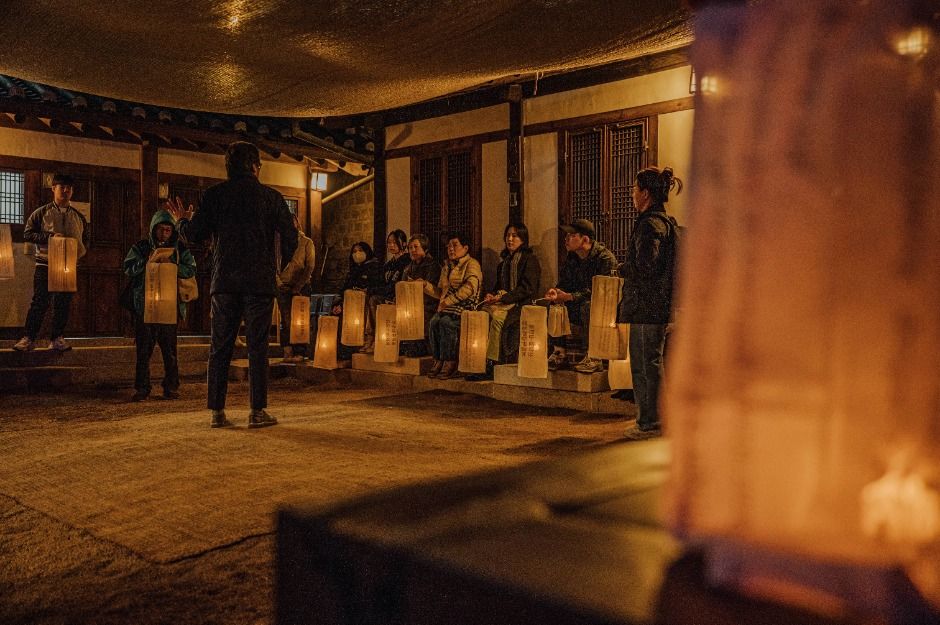
Public Hanok Night Out (공공한옥 밤마실)
1.1Km 2025-06-10
37 Gyedong-gil, Jongno-gu, Seoul
+82-2-741-1033
Public Hanok Night Out is a special evening event that allows limited access to the nine public hanok buildings, including the Bukchon Culture Center, after sundown. The event is carefully prepared to make the hanok buildings accessible as much as possible. In addition, the event also offers a variety of programs to entertain the visitors. The event aims to raise awareness about embracing differences and diverse values during this time of ever-changing global society, as well as expand the the cultural values of hanok as something more unique.
 English
 한국어
한국어 日本語
日本語 中文(简体)
 Deutsch
 Français
 Español
 Русский


