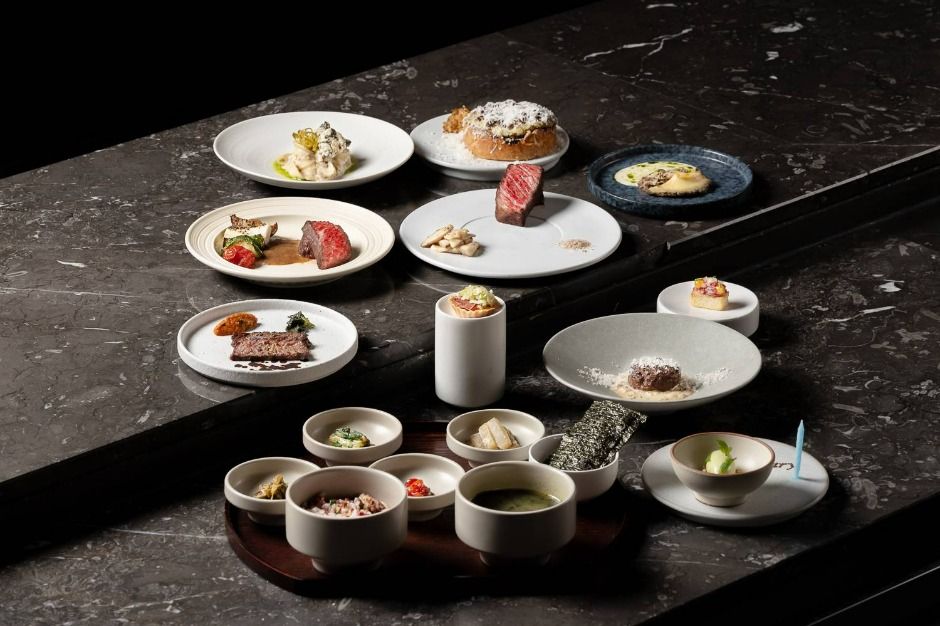
Wumok (우모크)
6.3Km 2025-10-27
22 Eonju-ro 170-gil, Gangnam-gu, Seoul
Wumok is a hanu (Korean beef) omakase restaurant that reinterprets Korean beef through fire and smoke, with its core philosophy centered on fire, wood, Korean beef, and smoke. The hanu used is a premium-grade hanu from Goryeong, Gyeongsangbuk-do. All dishes are prepared meticulously, balancing the texture and flavor. The interior is composed of dark wood and soft lighting, creating a quiet and focused dining environment.

Gyeongui Line Forest Park (Yeontral Park) (경의선숲길(연트럴파크))
6.3Km 2023-08-11
133, Donggyo-ro 51-gil, Mapo-gu, Seoul
Gyeongui Line Forest Park is a linear city park located in Mapo-gu and is also called Yeontral Park. It includes Daeheung-dong, Yeonnam-dong, Saechanggogae Pass, Changjeon-dong, Sinsu-dong, and Wonhyo-ro, which were opened in this order. Gyeongui Line Forest Park is established atop the Gyeongui railroad line and the Gyeongui Line and Airport Railroad Express are constructed as a double track underground. Gyeongui Line Forest Park was designed to be incomplete on purpose to invite the citizens in completing the park. The area which could have been left empty and neglected has turned into a meaningful green park for the citizens by the citizens.
Kleam Clinic (클림의원)
6.3Km 2025-10-23
3F, 141 Yanghwa-ro, Mapo-gu, Seoul
Kleam Clinic is a leader in K-beauty innovation, and they discover the unique, radiant beauty of customers from around the globe.
Kleam Clinic is sought after by many customers as it is known for its excellent procedural competence, honest pricing, and use of genuine products. Additionally, the clinic provides interpretation services in English, Chinese, Japanese, and Thai for international clients. Additionally, the clinic offers airport pick-up and drop-off services, hotel bookings, and tax-free services, allowing foreign visitors a hassle-free one-stop procedure.
The clinic is open from Monday through Sunday so patients can conveniently get consultations on holidays as well.

Spa Lei (스파레이)
6.3Km 2022-09-19
5, Gangnam-daero 107-gil, Seocho-gu, Seoul
+82-2-545-4002
Situated in Seocho-gu Jamwon-dong,
![Lize Company - Hongdae Branch [Tax Refund Shop] (라이즈컴퍼니 홍대점)](http://tong.visitkorea.or.kr/cms/resource/70/2887770_image2_1.jpg)
Lize Company - Hongdae Branch [Tax Refund Shop] (라이즈컴퍼니 홍대점)
6.3Km 2024-04-22
1F, 94-3, Eoulmadang-ro, Mapo-gu, Seoul
-
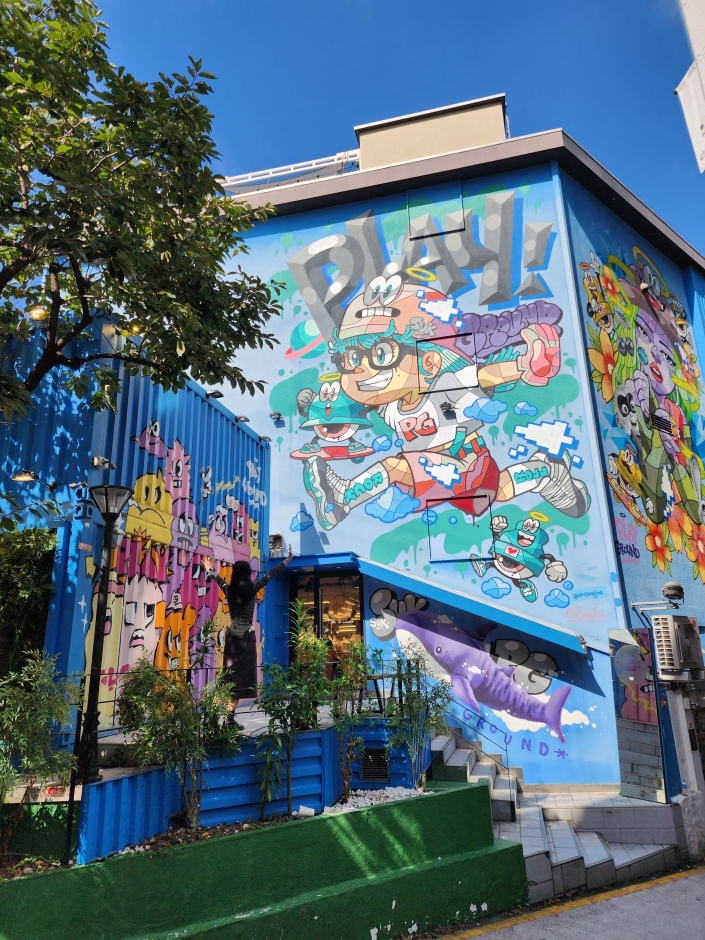
M Playground - Hongdae Branch (엠플레이그라운드 홍대본점)
6.3Km 2024-09-05
94 Eoulmadang-ro, Mapo-gu, Seoul
M Playground is a casual boutique brand known for its signature exterior design of blue shipping containers. The shop does its best to present the latest fashion trends and the hip, street vibe found exclusively in Hongdae. Most visitors range in age between teens and young adults in their 30s, looking for trending clothing, accessories, and other products.
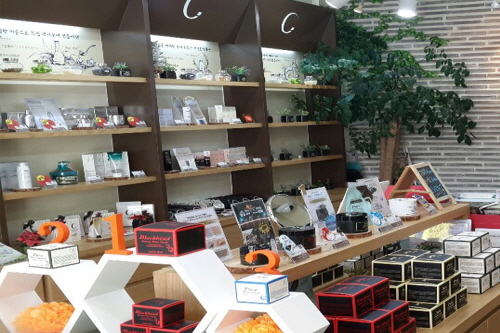
CAOLION Cosmetics (카오리온)
6.3Km 2025-01-06
8, Apgujeong-ro 50-gil, Gangnam-gu, Seoul
+82-70-4632-4420
Established in 1995, CAOLION Cosmetics has been making hypoallergenic cosmetics for sensitive skin for 18 years.
The company launched natural cosmetics for the first time with a 3-free principle: pigment-free, fragrance-free, and alcohol free. At the present, the company has developed products that are exclude up to 17 adverse ingredients such as preservatives and mineral fibers.
CAOLION was the first Korean brand to enter into LVMH (Louis Vuitton Monët Hennessy)
Group's global cosmetics retail chain SEPHORA after being recognized as a quality natural cosmetic product for senstive skin after over two years of quality control. It is loyal customers as well.
MODEUNMO Clinic (모든모의원)
6.3Km 2025-10-23
2nd–4th Floors, 57 Nonhyeon-ro 151-gil, Gangnam-gu, Seoul
Through many years of practice in non-incisional hair transplantation, we have devoted ourselves to creating a more systematic, customized surgery process and a more comfortable and satisfying treatment environment.
At MODEUNMO Clinic, which exclusively researches and performs non-incisional procedures, we strive to ensure your hair remains full and natural over time through truly proper hair transplantation.
![Stüssy Seoul - Apgujeong Branch [Tax Refund Shop] (스투시서울 압구정)](http://tong.visitkorea.or.kr/cms/resource/64/2879564_image2_1.jpg)
Stüssy Seoul - Apgujeong Branch [Tax Refund Shop] (스투시서울 압구정)
6.3Km 2024-04-23
B1F and 1F, 42, Apgujeong-ro 46-gil, Gangnam-gu, Seoul
-
Evita Clinic (에비타흉부외과의원)
6.3Km 2025-10-23
(5th Floor, Burda Moon Building), 815 Nonhyeon-ro, Gangnam-gu, Seoul
In 2009, Evita Clinic launched healthcare services combining cosmetic procedures and surgeries with traditional thoracic surgery.
With the number of English-speaking patients gradually increasing, all staff members have come to speak English as a common language. We are evolving into a multinational clinic committed to raising awareness of Korea's advanced medical technology across the world.
Our director is a board-certified cardiothoracic expert with extensive experience of treating heart, vascular, and pulmonary diseases, thoracic deformities, and other severe illnesses at a university hospital. Building on the experience, His private practice, established in 2008, combines more than a decade of experience in dexterously suturing micro vessels with cosmetic and reconstructive surgery, perfecting his skills even further.
 English
 한국어
한국어 日本語
日本語 中文(简体)
 Deutsch
 Français
 Español
 Русский


