![Semi Jewelry [Tax Refund Shop] (새미쥬얼리)](http://tong.visitkorea.or.kr/cms/resource/84/2887784_image2_1.jpg)
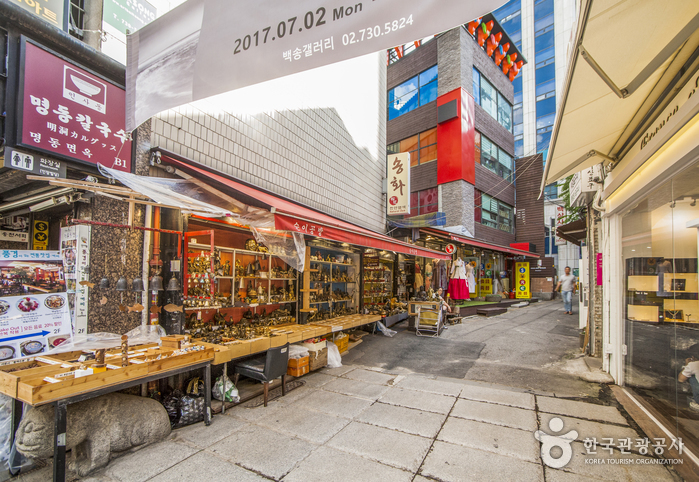
Insa-dong Antique Art Street (인사동 고미술거리)
468.7M 2025-03-16
29 Insadong-gil, Jongno-gu, Seoul
+82-2-732-2235
As of today, there are approximately 70 shops in the Insa-dong area that sell antique arts. Some of the products they sell include antique artworks, porcelains, woodcrafts, and metalwork. Visitors may even find rare and valuable products such as earthenware from the Silla period or white porcelain used in the Joseon dynasty. Each shop is a specialty store, authorized to sell product types that are of their expertise, ranging from antique furniture and traditional artworks to handcrafted items.
Tapgol Park (탑골공원)
472.4M 2024-03-04
99, Jong-ro, Jongno-gu, Seoul
+82-2-731-0534
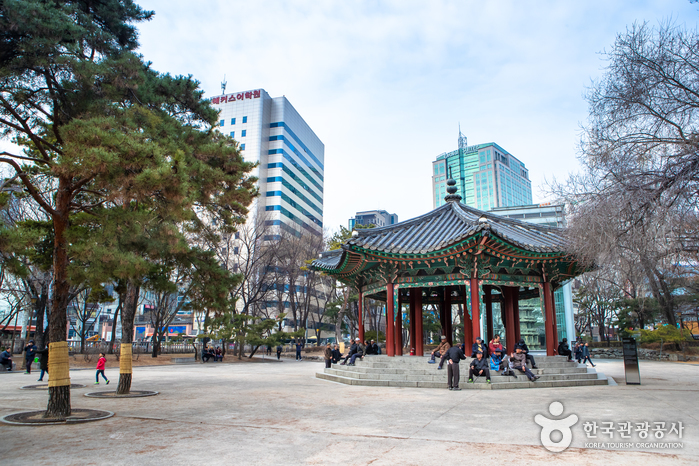
Tapgol Park is the first modern park in Seoul. Having been the site of the Buddhist temple of Wongaksa Temple since 1467, the land was turned into a park in 1897. The park has a significant presence in Korean history, being the place where the March 1 Independence Movement began in 1919. One can find historical sites that hearken back to the struggle, such as the Palgakjeong Pavilion, the center of the movement; cultural heritage sites such as the Ten-story Stone Pagoda of Wongaksa Temple Site and the Stele for the Construction of Daewongaksa Temple at Wongaksa Temple Site; and monuments such as the independence movement relief plate, murals, the statue of Son Byeong-hee, and the statue of Han Yong-un.

Vegetarian Restaurant Osegyehyang (채식요리전문점 오세계향)
475.7M 2024-03-18
14-5 Insadong 12-gil, Jongno-gu, Seoul
+82-2-735-7171
Osegyehyang is a vegetarian restaurant located in Insa-dong. It specializes in vegetarian cuisine, offering a variety of dishes including noodles, traditional Korean dishes, and specialty items. Some of its popular dishes include maesil tangsuchae (vegan deep-fried pork with sweet and sour sauce), pyogobeoseotmari (rolled shiitake mushrooms), vegan yangnyeom chicken (vegan seasoned fried chicken), tteokbokki, jjajangmyeon (black bean sauce noodles), jjamppong (spicy seafood noodle soup), vegan steak, and bulgui ttukbaegi (vegan bulgogi), all prepared without meat but still delicious.
Insadong Cultural Street (인사동 문화의 거리)
478.5M 2023-12-26
Insa-dong, Jongno-gu, Seoul Metropolitan City
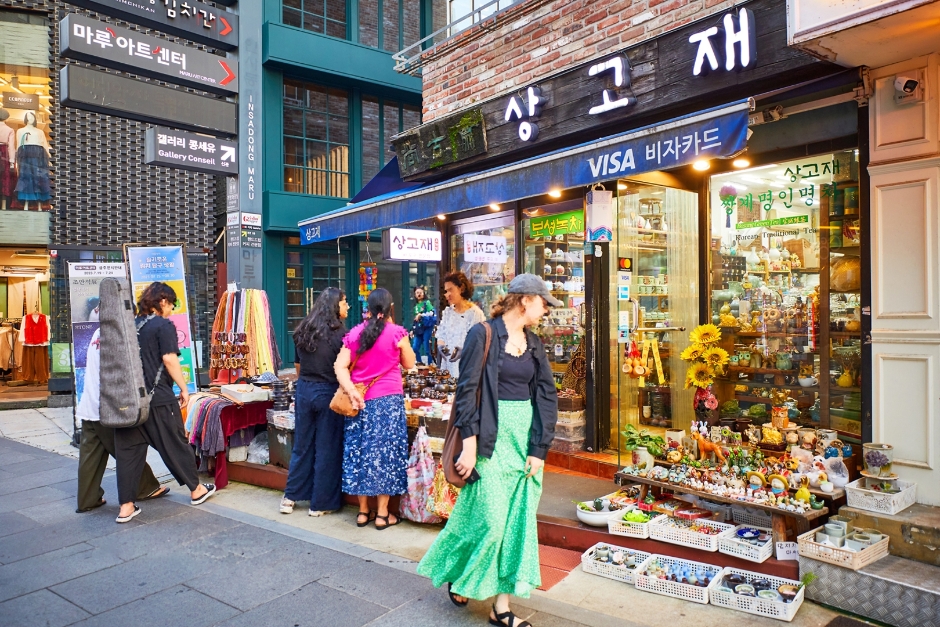
Insadong Cultural Street is a popular tourist destination for visitors from all around the world, thanks to its numerous art galleries, restaurants serving Korean table d’hote, traditional teahouses, and street vendors lining the streets. Its most recognizable feature is the use of Hangeul (Korean script) in storefronts, which allows the visitors to really see just what makes this place so special. Unlike the nearby Ikseon-dong Hanok Street, Insadong Cultural Street has larger streets with wider stores, so it is much easier to traverse. On evenings and weekends, one can find buskers performing on the side of the road.
Nwijo (뉘조)
482.4M 2024-03-06
27 Insadong 14-gil, Jongno-gu, Seoul
+82-2-730-9311
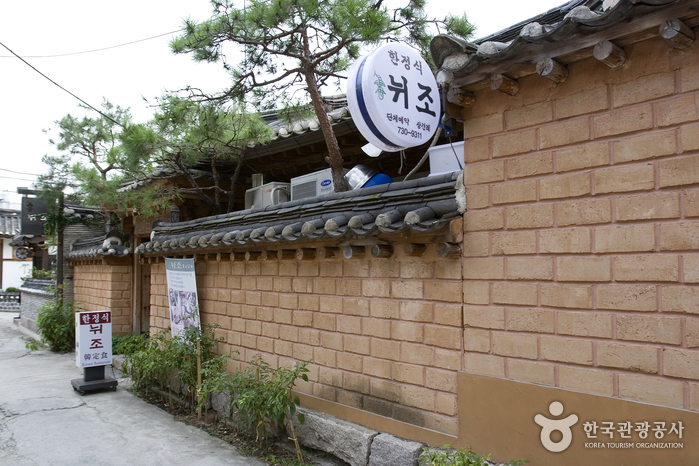
Nwijo is a Korean table d'hote restaurant located in Insa-dong where you can enjoy course meals made from hundreds of wild herbs. Starting with pumpkin porridge and water kimchi, basic dishes such as wild herb salads, pancakes, kimchi with boiled pork slices, and mixed roots are served along with set menu and wild herb enzymes as a standard part of the meal.
Yetchatjip (옛찻집)
484.7M 2024-03-18
33-1 Insadong-gil, Jongno-gu, Seoul
+82-2-722-5332
Yetchatjip in Insa-dong offers a variety of teas including ssanghwacha (medicinal herb tea), jujube tea, lotus leaf tea, ginger tea, and citrus tea. Their signature dish during the summer is the yennal patbingsu (old-fashioned shaved ice with red beans), topped with sweet red bean and sweet rice cakes, served on finely shaved ice. Additionally, they offer traditional Korean snacks such as grilled rice cake stick, yakgwa (honey cookie), and traditional Korean sweets to accompany the tea.
Insa-dong Chatjip (인사동찻집)
484.7M 2024-03-15
33-1 Insadong-gil, Jongno-gu, Seoul
+82-2-723-4909
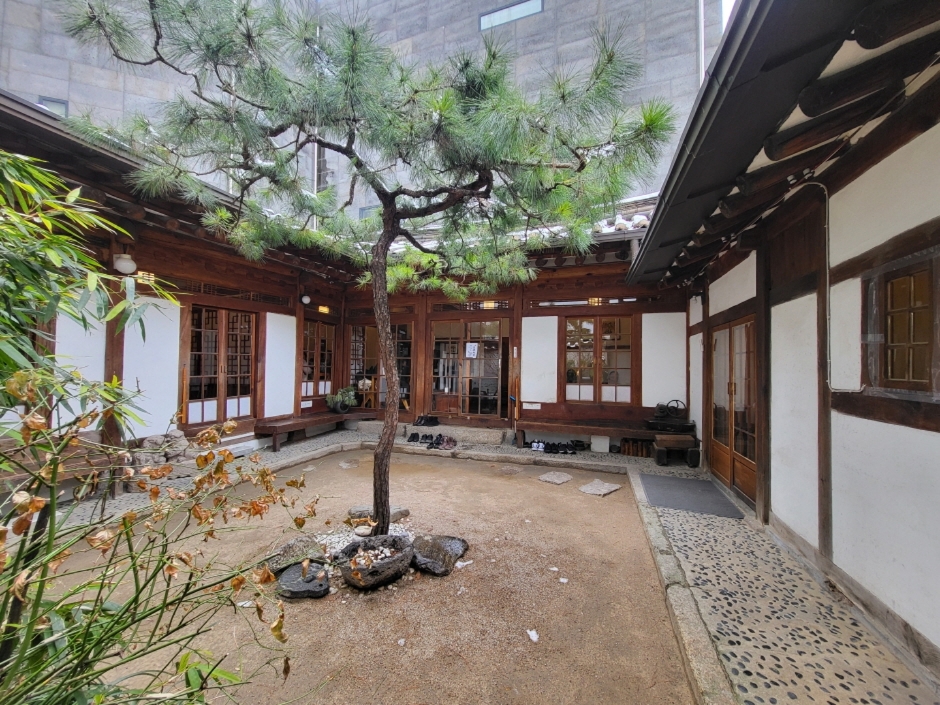
Insa-dong Chatjib is a traditional hanok tea house located in Insa-dong. Here, you can enjoy a variety of traditional teas brewed in-house. One of their signature menu items is the hobak sikhye (pumpkin sweet rice punch). They also offer other options such as jujube tea, ginger tea, and more. Many people visit to enjoy a leisurely time sipping tea in the serene atmosphere of the hanok. Nearby attractions include Ssamzigil and the Seoul Museum of Craft Art, making it a great place to explore together.
853 (팔오삼)
486.5M 2024-03-15
16 Insadong 12-gil, Jongno-gu, Seoul
+82-70-8832-0853
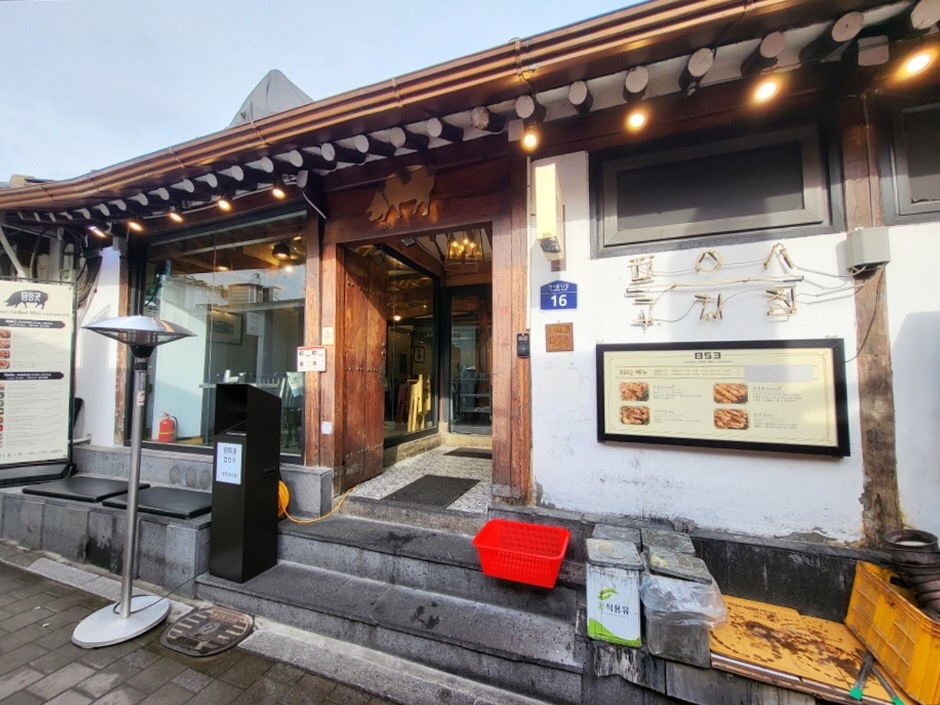
853 is a pork barbecue restaurant located in a renovated hanokin Insa-dong, offering various cuts of pork such as shoulder, belly, blade-end fatback, and pork neck. They use thick cuts of domestically sourced pork and grill them to perfection, ensuring they are juicy and flavorful. Customers can enjoy dipping their meat in one of four sauces: Himalayan rock salt, mustard seeds and wasabi, salted cutlassfish intestines, and barley mixed paste. Their flying fish roe riceball mixed with pickled radish salad, burdock root, flying fish roe, perilla leaves, and mayonnaise pairs perfectly with the meat.
Nakseonjae Hall (낙선재)
487.4M 2021-09-30
99, Yulgok-ro, Jongno-gu, Seoul
+82-2-2148-1822
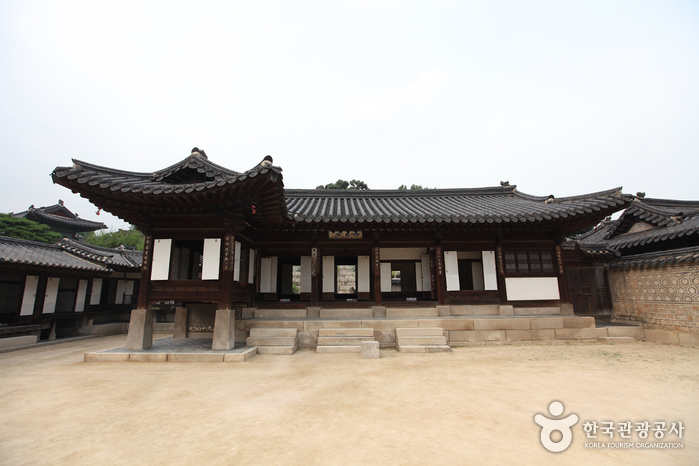
Located inside Changdeokgung Palace, Nakseonjae Hall is a one-story structure built in ikgong style (bird wing-shaped eaves placed on top of the pillars) with a hip tiled and gable roof. It has 6 kan in the front and 2 kan (traditional unit of measurement of the space between pillars) to the sides. It originally belonged to the nearby Changgyeonggung Palace, but came to be considered a part of Changdeokgung Palace in more recent years.
The hall was constructed in 1846 (12th year of King Heonjong’s reign) and it is collectively called Nakseonjae together with the adjacent Seokbokheon Hall and Sugangjae Hall.
Behind the building is a flower garden made of stacked large stones. The chimney, the flowers, and the oddly shaped stones harmoniously blend into one another to create an outstanding landscape gardening.
 English
 한국어
한국어 日本語
日本語 中文(简体)
 Deutsch
 Français
 Español
 Русский


