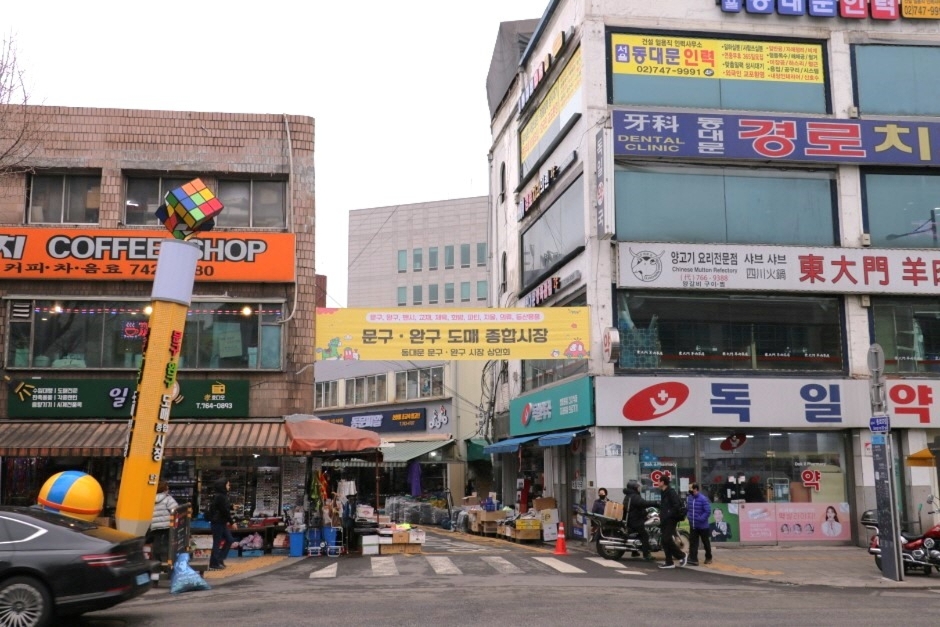
Dongdaemun Stationery Store Street (동대문 문구완구거리)
2.2Km 2024-03-15
21-1, Jong-ro 52-gil, Jongno-gu, Seoul
+82-2-1330
Dongdaemun Stationery Store Street houses nearly 120 stores selling stationery products like notebooks, crayons, pencils, backpacks, as well as other products like children’s gifts, decorations, and party products. Products can be found at prices nearly 30 to 40% lower than the consumer products, which can be lowered even further when buying in bulk. Products past the season may see the prices drop by more than half.
![Miduem Eyewear - Hoehyeon Branch [Tax Refund Shop] (믿음안경 회현)](http://tong.visitkorea.or.kr/cms/resource/82/2878582_image2_1.jpg)
Miduem Eyewear - Hoehyeon Branch [Tax Refund Shop] (믿음안경 회현)
2.2Km 2024-04-18
33-1, Namdaemunsijang 4-gil, Jung-gu, Seoul
-

Miduem Optics [Tax Refund Shop] (믿음안경)
2.2Km 2024-06-27
33-1, Namdaemunsijang 4-gil, Jung-gu, Seoul
-
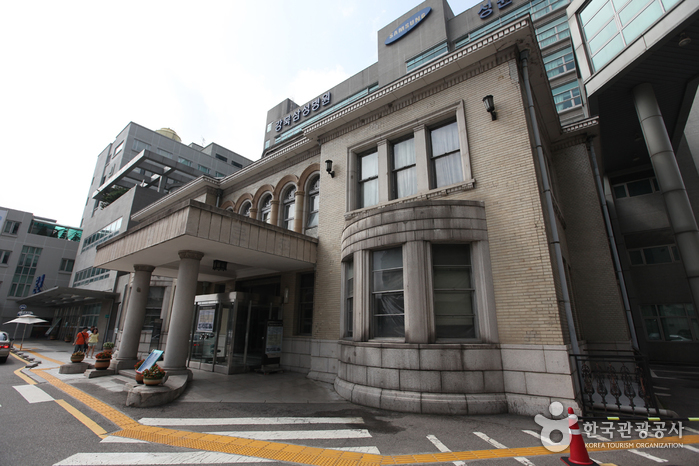
Seoul Gyeonggyojang House (서울 경교장)
2.2Km 2021-09-15
29, Saemunan-ro, Jongno-gu, Seoul
+82-2-735-2038
Gyeonggyojang House, a designated Historic Site, was the location of the provisional government and the place where Baekbeom Kim Koo passed away. Seoul reproduced the historical site, Gyeonggyojang House, to use the area as an educational site. Also, the house exhibits the history of the provisional government in order to see the history more clearly.
Restoration work included the demolition of the interior that was changed when the building was turned into a hospital facility and embassy after Kim Koo passed away in 1949. During the work, the remaining parts were maintained with the utmost care. Reconstructed parts were based on the building's floor plan written in Chosun and Architecture (8th edition in 1938). Visitors can see various contents related to the Korean Provisional Government history through relics, video, and information searching corners.
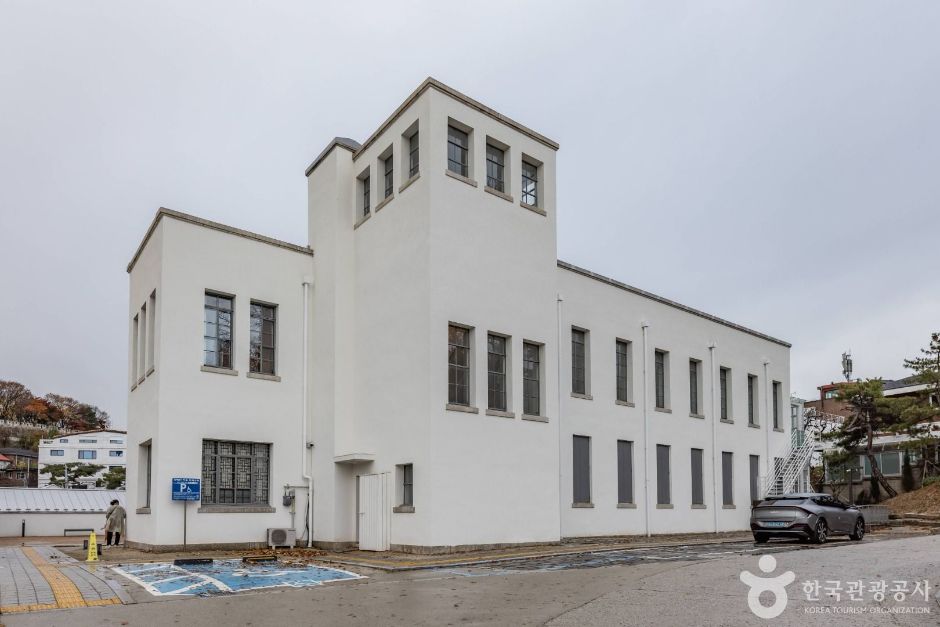
Kansong Art Museum (간송미술관(서울 보화각))
2.2Km 2025-06-30
102-11 Seongbuk-ro, Seongbuk-gu, Seoul
Kansong Art Museum was the first private art museum in Korea, opened as Bohwagak in 1938 by Kansong Jeon Hyeong-pil. The name was changed to the current Kansong Art Museum in 1966. Bohwagak was designated as National Registered Cultural Heritage No. 768 on December 30, 2019. Jeon Hyeong-pil dedicated his life to preserving and researching Korea’s representative relics that were devaluated and purposefully obliterated during the Japanese colonial era, as well as to acknowledging their cultural excellence and beauty. The museum houses 11 national treasures and 24 treasures.
Choeun Optical - Hoehyeon Branch [Tax Refund Shop] (조은안경 회현)
2.2Km 2024-04-22
Joeun Eyewear, 42, Namdaemunsijang 4-gil, Jung-gu, Seoul
-
Choeun Optical [Tax Refund Shop] (조은안경)
2.2Km 2024-06-27
42, Namdaemunsijang 4-gil, Jung-gu, Seoul
-
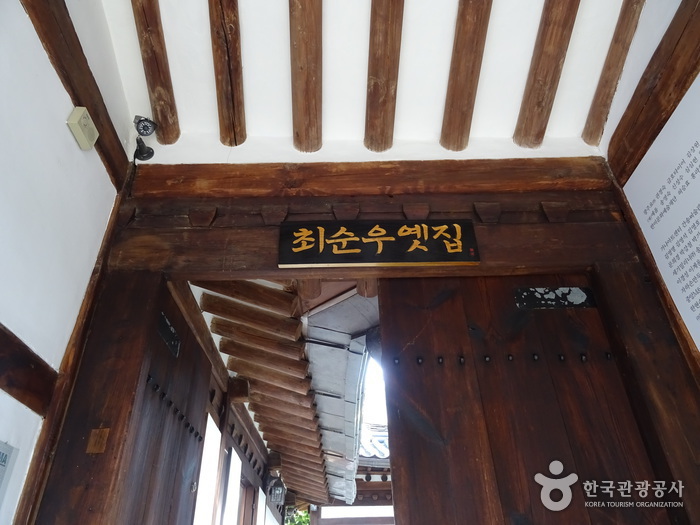
Choi Sunu House (최순우 옛집)
2.2Km 2021-12-21
9, Seongbuk-ro 15-gil, Seongbuk-gu, Seoul
+82-2-3675-3401
The Choi Sunu House is the old residence of Hyegok Choi Sunu (1916-1984), who lived in this house from 1976 until the day he passed away. The house is designated as Korea’s Registered Cultural Property. Choi Sunu was a leading art historian who served as the director of the National Museum of Korea. He devoted his life to rediscovering the beauty of Korean art and made many academic accomplishments in the areas of Korean ceramics, traditional woodcraft, and the history of painting.
The house has been open to the public as the Hyegok Choi Sunu Memorial Hall since 2004. The memorial hall displays Choi Sunu’s relics as a permanent exhibition and holds special exhibitions in the fall as well as cultural programs every spring and fall.
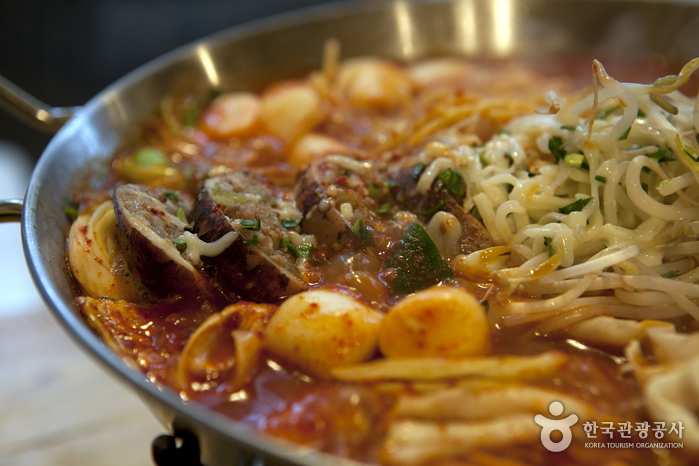
Namdo Bunsik Seochon Branch (남도분식 서촌점)
2.2Km 2024-02-20
1F, 2 Ogin 2-gil, Jongno-gu, Seoul
Namdo Bunsik is a snack restaurant that caters to the tastes of the younger generation by adapting regional traditional cuisine. The flagship menu features namdo tteokbokki, an jeukseok tteokbokki (instant tteokbokki) crafted with various ingredients such as pollack, scallions, and radish, with the broth prepared in-house. The spiciness of the tteokbokki can be adjusted from level 1 to level 3. Another popular item is sangchu twigim (deep-fried lettuce), where deep-fried dishes and pickled onions are wrapped in lettuce for consumption.
![Olive Young - Dongmyo Station Branch [Tax Refund Shop] (올리브영 동묘앞역)](http://tong.visitkorea.or.kr/cms/resource/87/2878187_image2_1.jpg)
Olive Young - Dongmyo Station Branch [Tax Refund Shop] (올리브영 동묘앞역)
2.2Km 2024-04-17
37-1, Jibong-ro, Jongno-gu, Seoul
-
 English
 한국어
한국어 日本語
日本語 中文(简体)
 Deutsch
 Français
 Español
 Русский


