
Olive Young - Hawangsimni Branch [Tax Refund Shop] (올리브영 하왕십리점)
3.8Km 2024-06-27
1F, 331, Wangsimni-ro, Seongdong-gu, Seoul
-
![Series; Corner [Tax Refund Shop] (시리즈코너)](http://tong.visitkorea.or.kr/cms/resource/09/2891109_image2_1.jpg)
![Kolon Series; - Itaewon Branch [Tax Refund Shop] (코오롱 시리즈 이태원)](http://tong.visitkorea.or.kr/cms/resource/73/2889073_image2_1.jpg)
Kolon Series; - Itaewon Branch [Tax Refund Shop] (코오롱 시리즈 이태원)
3.8Km 2024-04-18
244, Itaewon-ro, Yongsan-gu, Seoul
-
![Bonafide Jewelry [Tax Refund Shop] (보나파이드주얼리)](http://tong.visitkorea.or.kr/cms/resource/37/3314337_image2_1.jpg)
Bonafide Jewelry [Tax Refund Shop] (보나파이드주얼리)
3.8Km 2024-06-27
29, Itaewon-ro 54ga-gil, Yongsan-gu, Seoul
-
![On The Spot [Tax Refund Shop] (온더스팟)](http://tong.visitkorea.or.kr/cms/resource/13/2891113_image2_1.jpg)
![Eyedentity - Anam Branch [Tax Refund Shop] (아이덴티티 안암)](http://tong.visitkorea.or.kr/cms/resource/24/2889624_image2_1.jpg)
Eyedentity - Anam Branch [Tax Refund Shop] (아이덴티티 안암)
3.9Km 2024-04-18
1F, 92-1, Goryeodae-ro, Seongbuk-gu, Seoul
-
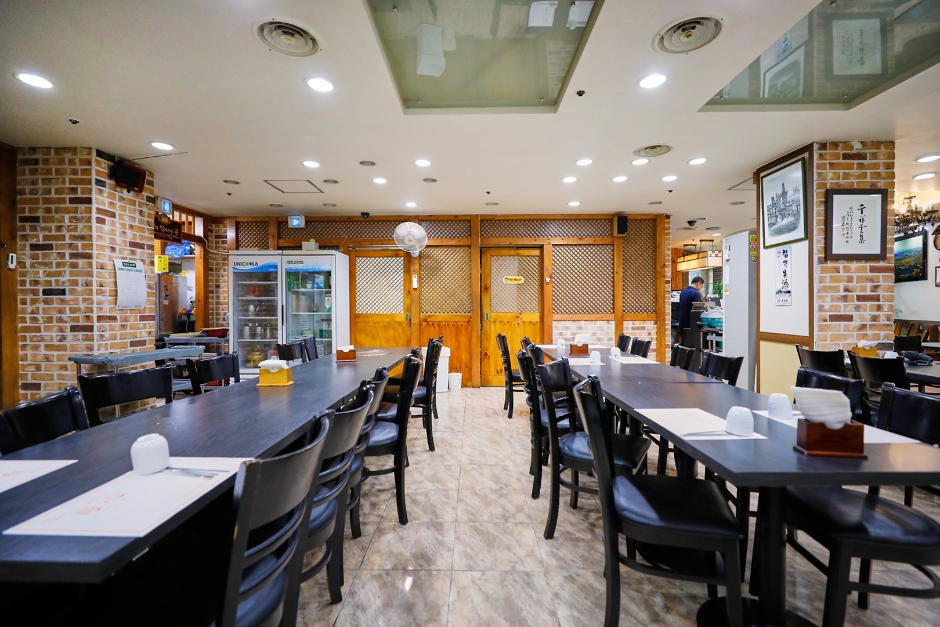
Mosim (모심)
3.9Km 2025-05-20
8 Gaeunsa-gil, Seongbuk-gu, Seoul
Mosim is a Korean table d’hote restaurant that offers a variety of menus to choose from depending on the kind of dishes and the number of side dishes. The set menu, which includes main dishes, such as hwangtae gui (grilled dried pollack) and galbitang (galbi soup), and side dishes, such as salad, japchae, and seasoned vegetables, is plentiful in amount and variety enough to fill the table. There are menu items that can be enjoyed individually, such as samgyetang, bibimbap, and yukgaejang (spicy beef soup). The restaurant’s menu comprises nutritious dishes that soothe one's tired mind and body. The restaurant has private rooms that can accommodate 4, 8, 12, 16, 20, 24, and 30 people, so it is a good option for guests seeking a quiet meal with the family or group gatherings.
![Monday Edition [Tax Refund Shop] (주식회사 먼데이에디션)](http://tong.visitkorea.or.kr/cms/resource/77/2887777_image2_1.jpg)
Monday Edition [Tax Refund Shop] (주식회사 먼데이에디션)
3.9Km 2024-04-23
1F, Store #1, Store#2 (Hannam-dong), 57, Daesagwan-ro 11-gil, Yongsan-gu, Seoul
-
![Paraboot - Hannam Branch [Tax Refund Shop] (파라부트 한남)](http://tong.visitkorea.or.kr/cms/resource/43/2889643_image2_1.jpg)
Paraboot - Hannam Branch [Tax Refund Shop] (파라부트 한남)
3.9Km 2024-04-23
228-1, Itaewon-ro, Yongsan-gu, Seoul
-
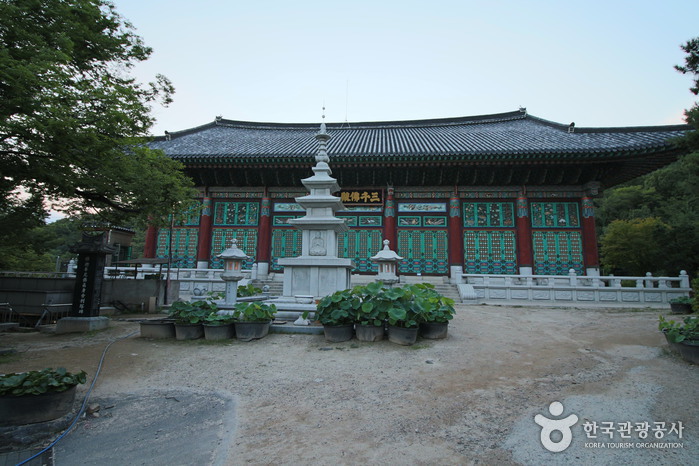
Bongwonsa Temple (봉원사)
3.9Km 2023-03-13
120, Bongwonsa-gil, Seodaemun-gu, Seoul
+82-2-392-3007
Located on the outskirts of Ansan Mountain in Bongwon-dong, Seodaemun-gu, Seoul, Bongwonsa Temple, as the center of Korean Buddhism Taego, is a thousand-year-old temple with a long history and tradition. In 889 (3rd year of Shilla Queen Jinseong’s reign), Monk Doseon founded it at the ground of Yeonhui Palace (now Yonsei Univ.) and named it Banyasa temple. It was destroyed during the Imjin War in 1592, and later in 1748 (the 24th year of Joseon King Yeongjo’s reign), it was rebuilt and renamed “Bongwonsa” by two Buddhist monks, Chanjeup and Jeungam.
“Yeongsanjae,” one of the Buddhist rituals and also a National Intangible Cultural Property, takes place at Bongwonsa on June 6 every year wishing for world peace and the reunification of North and South Korea. It was designated as one of the Intangible Cultural Heritage of Humanity by UNESCO in 2009. During Yeongsanjae, visitors can enjoy the Buddhist arts such as Beompae (Buddhist temple music for rituals) and dancing. Also, during summertime, Seoul Lotus Flower Culture Festival takes place, where visitors can enjoy the beautiful lotus flowers which are a symbol of Buddhism.
 English
 한국어
한국어 日本語
日本語 中文(简体)
 Deutsch
 Français
 Español
 Русский


