
Templestay Information Center (템플스테이 홍보관)
747.5M 2022-10-17
56, Ujeongguk-ro, Jongno-gu, Seoul
+82-2-2031-2000
Templestay Information Center offers various information and services regarding templestays and temple meals for domestic and international visitors. The center also operates traditional cultural experiences, such as tea time with a Buddhist monk, traditional culture activities and more.
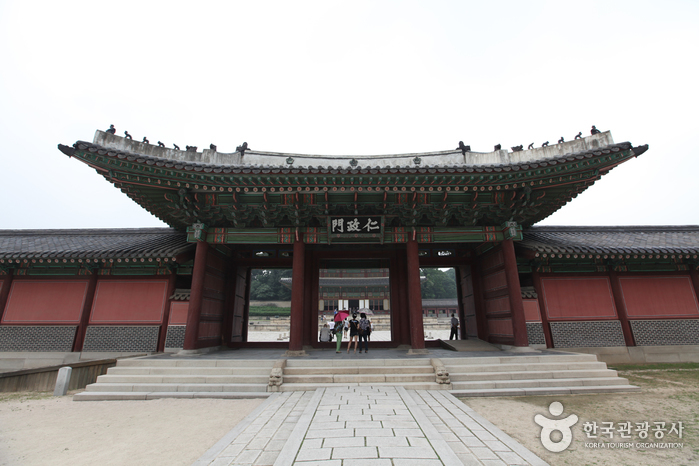
Changdeokgung Injeongmun Gate (창덕궁 인정문)
751.3M 2025-01-14
99, Yulgok-ro, Jongno-gu, Seoul
+82-2-3668-2300
Serving as the main gate of Injeongjeon Hall, Injeongmun Gate was established in 1405 (5th year of King Taejo’s reign during the Joseon dynasty). Later on, the gate was destroyed by multiple fires during the Imjin War (Japanese invasion of Korea in 1592), therefore current form of the establishment displays designs that are more often seen in the late 19th century's. In addition, a lot
of subsidary marks and buildings are removed from the original places and relocated passing the time, however, still remains to represent prestigious ambience.
Injeongmun Gate served as the place for several coronation ceremonies of kings, prince's succession of throne, and many other national affairs celebrated by the royal members who gathered and aligned around this gate.
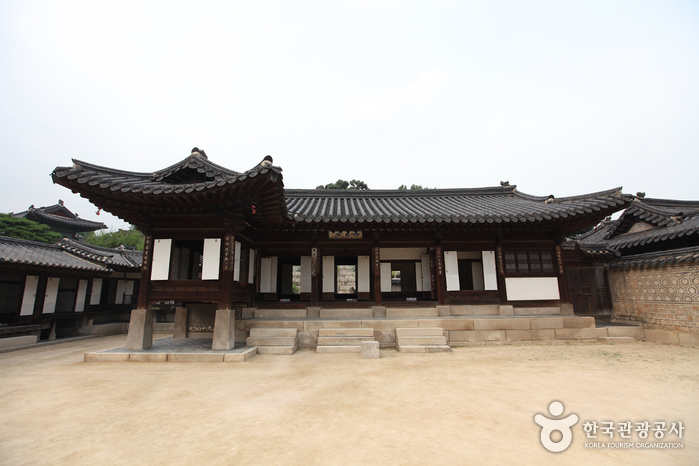
Nakseonjae Hall (낙선재)
757.5M 2021-09-30
99, Yulgok-ro, Jongno-gu, Seoul
+82-2-2148-1822
Located inside Changdeokgung Palace, Nakseonjae Hall is a one-story structure built in ikgong style (bird wing-shaped eaves placed on top of the pillars) with a hip tiled and gable roof. It has 6 kan in the front and 2 kan (traditional unit of measurement of the space between pillars) to the sides. It originally belonged to the nearby Changgyeonggung Palace, but came to be considered a part of Changdeokgung Palace in more recent years.
The hall was constructed in 1846 (12th year of King Heonjong’s reign) and it is collectively called Nakseonjae together with the adjacent Seokbokheon Hall and Sugangjae Hall.
Behind the building is a flower garden made of stacked large stones. The chimney, the flowers, and the oddly shaped stones harmoniously blend into one another to create an outstanding landscape gardening.
High - Anguk Branch [Tax Refund Shop] (하이엔드코리아 안국)
762.0M 2024-04-17
1F, 62-5, Insadong-gil, Jongno-gu, Seoul
-
![CheongKwanJang - Jonggak Station Branch [Tax Refund Shop] (정관장 종각역)](http://tong.visitkorea.or.kr/cms/resource/13/2878213_image2_1.jpg)
CheongKwanJang - Jonggak Station Branch [Tax Refund Shop] (정관장 종각역)
774.2M 2024-04-22
#102, 95, Sambong-ro, Jongno-gu, Seoul
-
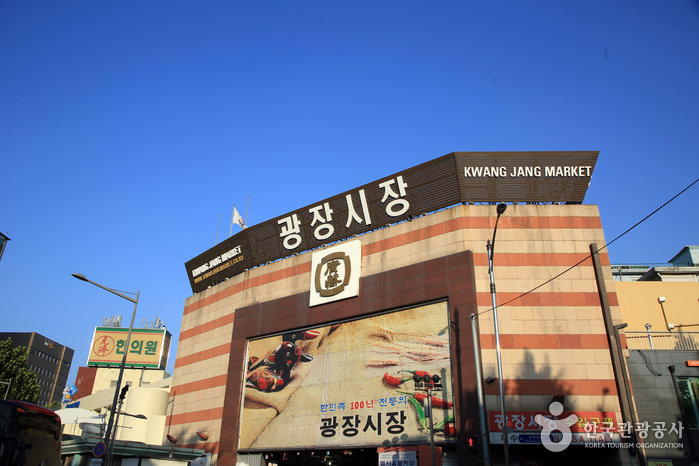
Gwangjang Market (광장시장)
781.2M 2024-07-08
88, Changgyeonggung-ro, Jongno-gu, Seoul
+82-2-2267-0291
Gwangjang Market was the first permanent market in Korea and continues to thrive as a popular tourist destination today. The name Gwangjang means "to gather from afar and keep altogether." The market began as a small trading center that brought in goods from nearby regions, but has now grown into a large wholesale market selling a variety of goods, including upholstery, imported goods, groceries, dried fish, traditional goods, and more. The most popular section of the market is the food street connected to the East Gate, North Gate 2, and South Gate 1. The food street caters to a wide range of patrons due to the plethora of menus available. It is also one of the most recommended tourist attraction for international travelers.
Woo Lae Oak (우래옥)
785.4M 2024-03-07
62-29 Changgyeonggung-ro, Jung-gu, Seoul
+82-2-2265-0151
Woo Lae Oak is a Pyeongyang naengmyeon (Pyeongyang cold buckwheat noodles) restaurant established in 1949. Its signature dish is the Pyeongyang naengmyeon, known for their clean and light broth. Alongside the onmyeon (warm noodles), they also serve bulgogi, which complements the warm broth perfectly. The restaurant is renowned to the extent that customers often line up to dine, and it was selected for the Michelin Guide 2023.
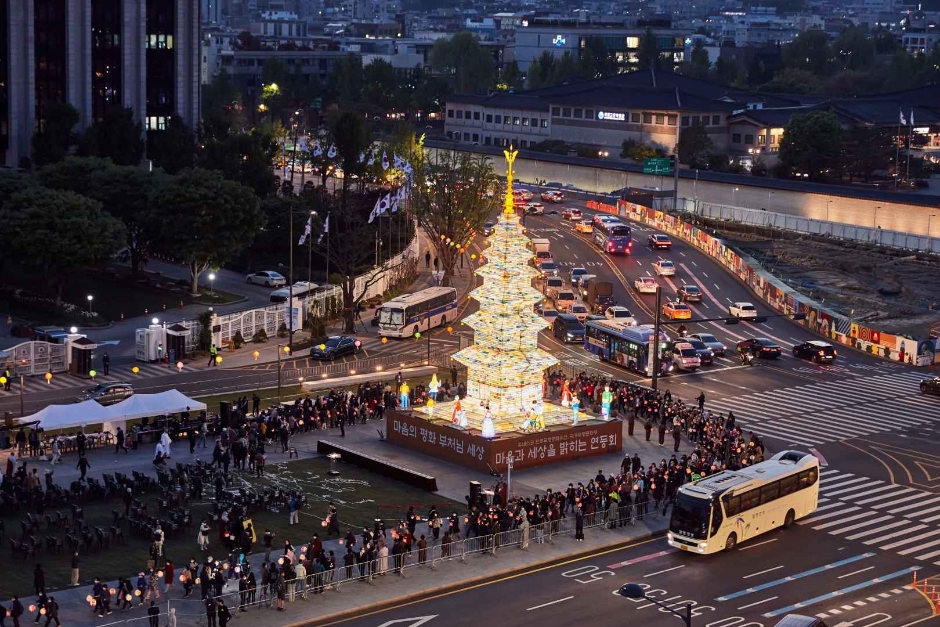
Yeon Deung Hoe (Lotus Lantern Festival) (연등회)
785.7M 2025-04-09
55 Ujeongguk-ro, Jongno-gu, Seoul
+82-2-2011-1744~7
Started approximately 1,200 years ago during the Silla dynasty and continued through the Goryeo Yeon Deung Hoe and Joseon lantern festival, the Yeon Deung Hoe Festival is a traditional festival registered as an Intangible Cultural Heritage and UNESCO Masterpiece of the Oral and Intangible Heritage of Humanity. The lanterns at Yeon Deung Hoe Festival brighten the heart and the world!
Buchon Yukhoe (부촌육회)
792.6M 2024-03-04
200-12 Jong-ro, Jongno-gu, Seoul
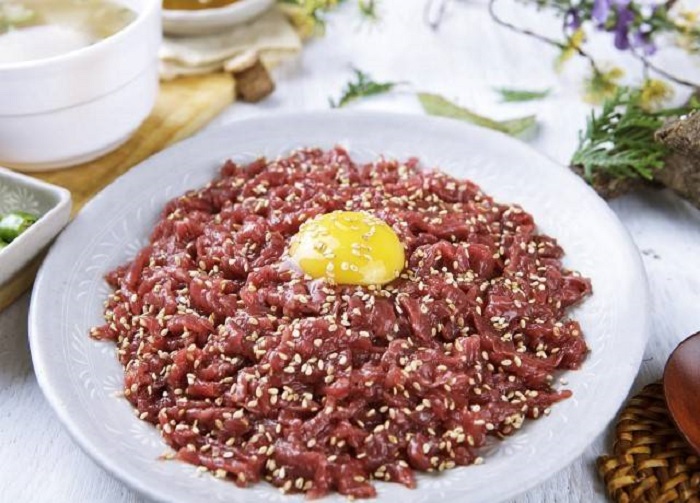
Buchon Yukhoe is a renowned restaurant located in Gwangjang Market's Beef Tartare Street, selected by the Michelin Guide in 2023. It specializes in yukhoe (beef tartare), a Korean-style raw beef dish marinated with sesame oil and pear. The restaurant uses fresh Korean beef supplied daily, ensuring a delightful and nutty flavor. The simple seasoning enhances the natural taste of the ingredients, and the yolk-topped yukhoe adds visual appeal to the dish.
Insa-dong (인사동)
795.2M 2024-05-17
62, Insadong-gil, Jongno-gu, Seoul
+82-2-734-0222
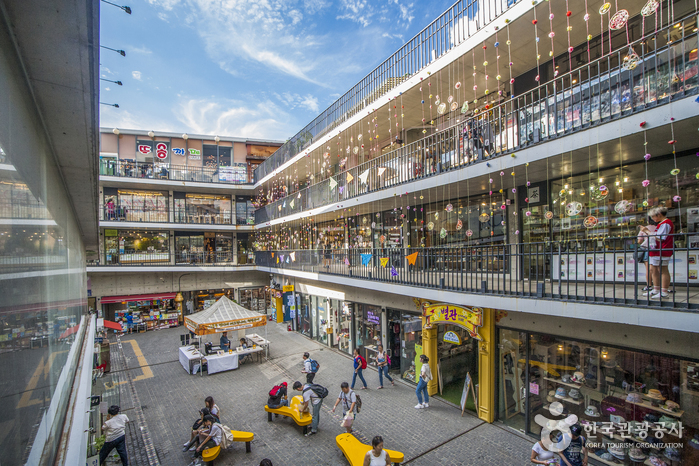
Insa-dong, located in the heart of the city, is an important place where old but precious traditional goods are on display. There is one main road in Insa-dong with alleys on each side. Within these alleys are galleries, traditional restaurants, teahouses, and cafes.
The galleries are the heartbeat of Insa-dong. There are about 100 galleries in the area offering every example of traditional Korean fine art from paintings to sculptures. The most famous galleries are Hakgojae Gallery, which functions as the center of folk art, Gana Art Gallery, which promotes many promising artists, and Gana Art Center.
The teahouses and restaurants are the perfect complement to the galleries. They are hidden deep within the twisting alleyways, making it feel like a treasure hunt. The shops in Insa-dong are very popular among all age groups, because each one is unique.
Every Saturday from 14:00 to 22:00 and Sunday from 10:00 to 22:00, the main street is blocked to vehicular traffic and it becomes a cultural space. Stores set up booths outside and Korean candy merchants and fortune teller stalls can easily be found; there are traditional performances and exhibits as well. Insa-dong is especially popular among international tourists. This is where they can experience and see traditional Korean culture first-hand, and also purchase pieces of fine art.
 English
 한국어
한국어 日本語
日本語 中文(简体)
 Deutsch
 Français
 Español
 Русский


