
Seoul Upcycling Plaza (서울새활용플라자)
7.4Km 2024-01-05
49 Jadongchasijang-gil, Seongdong-gu, Seoul
Saehwaryong is a Korean term for upcycling, a process of redesigning or recycling discarded resources or materials to give them a new value or purpose. Seoul Upcycling Plaza operates upcycling-related exhibitions, upcycling practice education and experience programs, design studios, upcycling stores, workshops, and more. It is a great place to look around for ideas and inspirations on how to use products for longer periods of time. The plaza demonstrates the first step to creating a resource-recycling society.
![CheongKwanJang - Hannam Branch [Tax Refund Shop] (정관장 한남)](http://tong.visitkorea.or.kr/cms/resource/34/2888134_image2_1.jpg)
CheongKwanJang - Hannam Branch [Tax Refund Shop] (정관장 한남)
7.4Km 2024-04-17
#118, 60, Hannam-daero, Yongsan-gu, Seoul
-
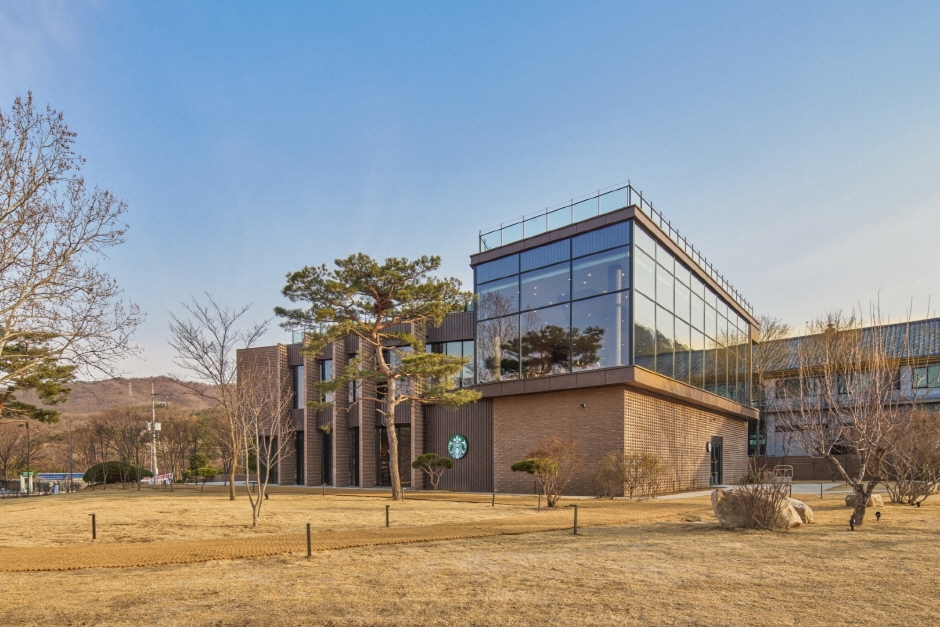
Starbucks Buckhansan (스타벅스 더북한산)
7.4Km 2024-12-27
24-11 Daeseomun-gil, Eunpyeong-gu, Seoul
'"The" store, panoramic view of Bukhansan Mountain and garden
Starbucks Bukhansan is the third Destination Store by Starbucks. It features a “Healing in Nature” concept that beautifully combines the natural beauty of Bukhansan Mountain with various landscape spaces and offers breathtaking views of Bukhansan Mountain.
Starbucks Bukhansan store is currently the most loved and trending place in Korea, and it ranked first in the “2023 Best Restaurants Voted by Locals VS Foreigners” list announced by the Korea Tourism Organization.
Starbucks Bukhansan proudly offers the store's exclusive Bukhansan Lemon Earl Grey Blended beverage, and Crafted Food available only at some Starbucks stores. There is a photo zone on the 3F rooftop to take memorable pictures. These are the reasons why many customers consider it one of the top locations to have a special Starbucks experience.

Ceramic Cafe JOOL(도자기카페 줄)
7.4Km 2025-11-05
11, Sinchon-ro 4-gil, Mapo-gu, Seoul
'24/365 with BLACKPINK' filming location
This is the studio where JISOO and ROSÉ visited and made pottery in BLACKPINK's exclusive reality content '24/365 with BLACKPINK'. Through the one-day class, you can draw a picture on a mug or make your own pottery by hand. If you follow the teacher's class and pay attention, you will feel great fun even if you are clumsy. Just touching the moist clay dough has the effect of relieving daily stress. Classes require reservations.
Soon Chun Hyang University Hospital Seoul (순천향대학교 부속 서울병원)
7.4Km 2025-10-23
59 Daesagwan-ro, Yongsan-gu, Seoul
Soonchunhyang University Hospital Seoul has established a systematic and dedicated system for international patients covering all stages from pre-entry processes to departure and aftercare. Based on the medical records provided by the patient, we consult with the medical staff of each specialty to come up with an estimated treatment plan and costs to help patients prepare for their treatment in Korea. Our dedicated outpatient and inpatient teams provide expert medical interpretation, guidance, and integrated appointment management to ensure prompt and organized medical care for international patients throughout their stay. Complete with spacious and comfortable rooms, the International Ward is staffed by coordinators and a nursing team reserved for international patients. Multidisciplinary care with organized systems, state-of-the-art medical equipment, and top-notch medical staff ensure accurate diagnosis and the best treatment outcomes possible.
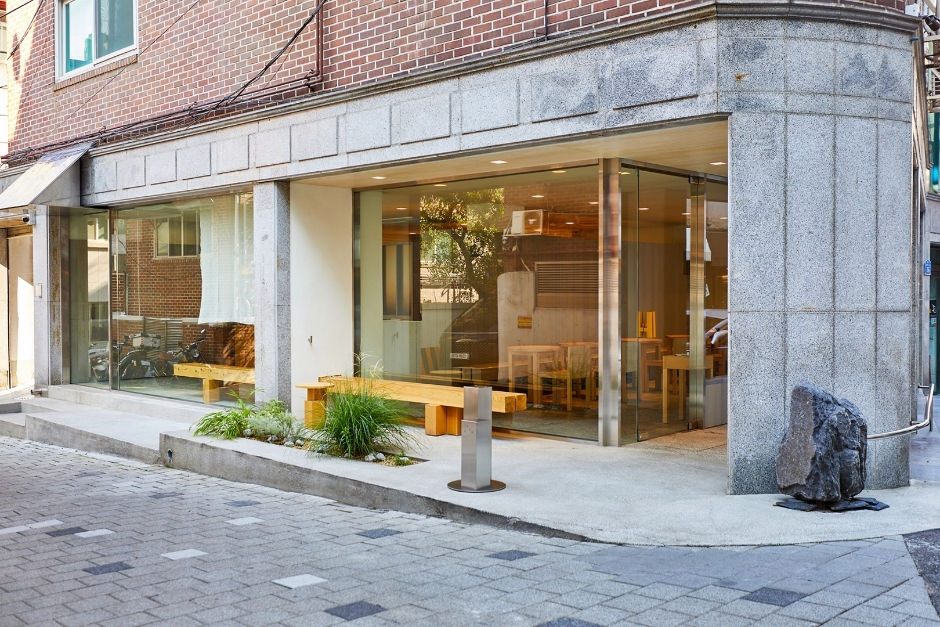
Aeum (에움)
7.4Km 2024-03-26
36 Seogang-ro 11-gil, Mapo-gu, Seoul
Aeum is a fusion and traditional dessert cafe in a quiet alley between Sogang University and Hongik University in Seoul. Wooden interiors with muted colors create a neat atmosphere, and there are no signboards or menus on the outside or inside, so visitors can enjoy drinks and desserts in a quiet and relaxing setting. Coffee drinks, including pour-over coffee, are available, and there are many desserts as it's a traditional dessert cafe. The cafe also created a new dessert menu to cater to today's tastes after launching a pop-up store.
Raised rice cake, a traditional Korean dessert, and shaved ice are especially famous. The raised rice cake comes in cherry pepper, sesame, matcha, and chestnut flavors. The shaved ice comes as sweet red bean, apple cinnamon, dried persimmon, and sorbet flavors. Recipes and plating are designed to make Korean desserts easy for modern people to enjoy.
Olive Young - Jungnang Branch [Tax Refund Shop] (올리브영 중랑점)
7.4Km 2024-06-28
6, Mangu-ro 32-gil, Jungnang-gu, Seoul
-
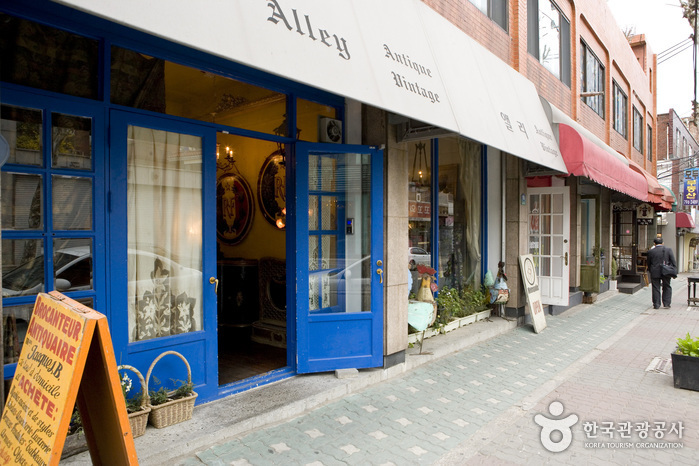
Itaewon Antiques Street (이태원 앤틱 가구 거리)
7.5Km 2025-04-11
109-1 Bogwang-ro, Yongsan-gu, Seoul
Itaewon Antiques Street was formed around the late 1960s, when a group of antique dealerships from Asia, Europe, and North America settled in the district. This 1km-long street is home to antique dealers offering antique sofa, chairs, and tables. Some shops also offer antique decorations, accessories, and clothing. It is a famous shopping district with its own unique ambience from that of Seoul. During spring and autumn, Itaewon Antique Festival takes place, allowing visitors to shop and enjoy cultural performances.

Waple Wood Artwork Place (와플목공방)
7.5Km 2025-10-30
5-6 Wangsimni-ro 10-gil, Seongdong-gu, Seoul
Interior items made from wood
This workshop is visited by celebrities such as Park Narae of the entertainment program 'I Live Alone' and KAI of EXO. It is also the place where the senior wooden box that appeared in the movie 'PARASITE' was made. You can make your own interior accessories such as chairs and tabletops using hardwood. One-day classes on making ballpoint pens and mechanical pencils are also popular.
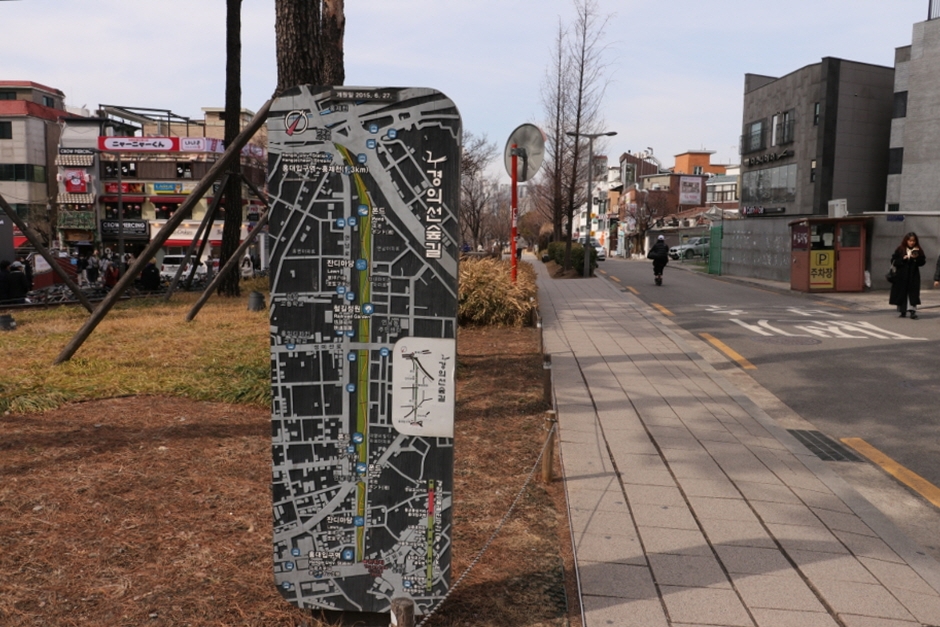
Yeonnam-dong (연남동)
7.5Km 2024-03-19
Yeonnam-dong, Mapo-gu, Seoul
Yeonnam-dong, located near Hongik University Station, has become a hot spot in Seoul as young artists and hipsters gather. It is densely packed with art spaces, and every alley is filled with unique concept cafés and many restaurants. There are also many guesthouses, editorial shops, and fashion stores, along with Yeontral Park, which was transformed from the old Gyeongui Line railroad into a park.
 English
 한국어
한국어 日本語
日本語 中文(简体)
 Deutsch
 Français
 Español
 Русский


