![E-Mart SSG - Dogok Branch [Tax Refund Shop] (이마트SSG 도곡)](http://tong.visitkorea.or.kr/cms/resource/24/2889724_image2_1.jpg)
E-Mart SSG - Dogok Branch [Tax Refund Shop] (이마트SSG 도곡)
10.3Km 2024-04-18
57, Eonju-ro 30-gil, Gangnam-gu, Seoul
-

![Beanpole - Tower Palace Branch [Tax Refund Shop] (빈폴 타워팰리스)](http://tong.visitkorea.or.kr/cms/resource/43/2890143_image2_1.jpg)
Beanpole - Tower Palace Branch [Tax Refund Shop] (빈폴 타워팰리스)
10.4Km 2024-04-18
26, Eonju-ro 30-gil, Gangnam-gu, Seoul
-
Himart - Singil Branch [Tax Refund Shop] (하이마트 신길점)
10.4Km 2024-04-22
141, Singil-ro, Yeongdeungpo-gu, Seoul
-
Lotte Mart - ToysRus Seoul Yangpyeong Branch [Tax Refund Shop] (롯데마트 토이저러스서울양평점)
10.4Km 2024-04-22
138, Seonyu-ro, Yeongdeungpo-gu, Seoul
-
Lotte Mart - Seoul Yangpyeong Branch [Tax Refund Shop] (롯데마트 서울양평점)
10.4Km 2024-04-22
138, Seonyu-ro, Yeongdeungpo-gu, Seoul
-
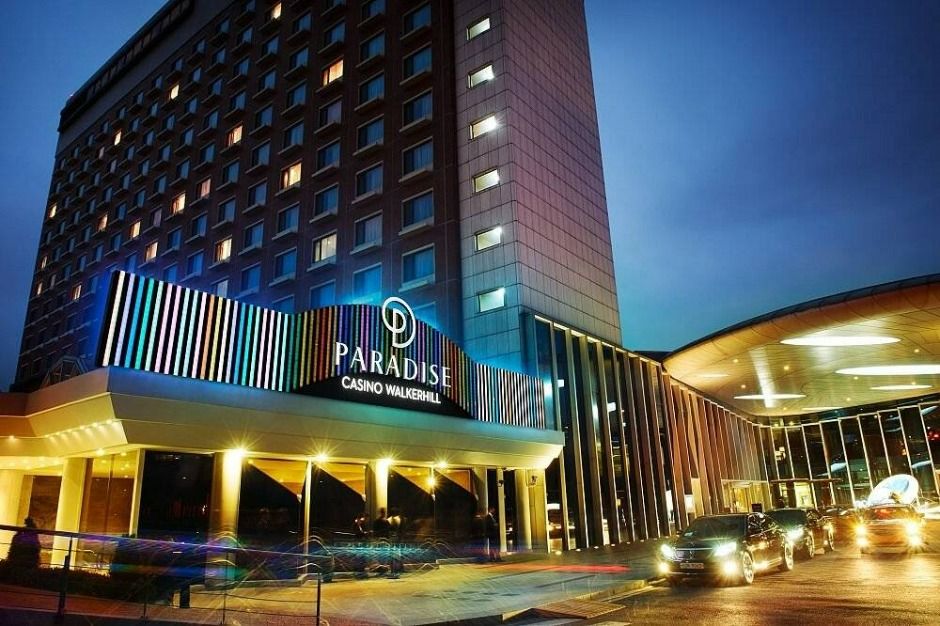
Paradise Casino Walker Hill (파라다이스 카지노 워커힐)
10.4Km 2025-05-16
177, Walkerhill-ro, Gwangjin-gu, Seoul
+82-1899-0700
Paradise Casino Walker Hill is a foreigner-exclusive casino operating inside Walker Hill Hotel, from where guests can enjoy a fine view of the Hangang River nearby. The casino is open 24 hours a day, all year round, and offers baccarat, blackjack, roulette, and tai-sai tables among others, and a variety of slot machines as well. The game tables are run by expert dealers, and staff members are fluent in many languages to serve the customers’ needs.
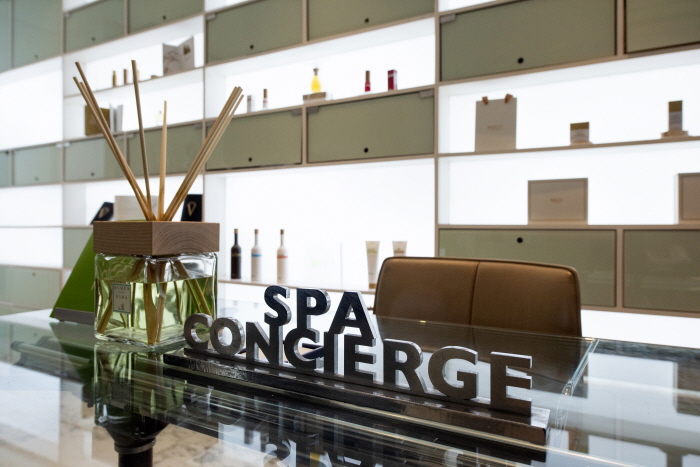
Vista Walkerhill Seoul, Wellness Club (비스타 워커힐 서울, 웰니스클럽)
10.4Km 2025-10-23
177, Walkerhill-ro, Gwangjin-gu, Seoul
+82-1670-0005
Vista Walkerhill Seoul is nestled in Achasan Mountain like a cloud overlooking the Hangang River. It offers beautiful natural sceneries that cannot be found in downtown. A combination of high technology and nature adds vitality while allowing guests to relax surrounded by nature. A new space where humans, nature, and the future coexist. Vista Walkerhill Seoul leads a sustainable and luxurious culture through differentiated and creative lifestyle experiences.
Grand Walkerhill Riverpark (Outdoor swimming pool) (그랜드 워커힐 리버파크 수영장(야외수영장))
10.4Km 2022-12-21
177, Walkerhill-ro, Gwangjin-gu, Seoul
+82-2-450-4630
Grand Walker Hill Riverpark is a swimming pool using water comprised of alkali ingredients such as sodium and potassium from underground granite. Since it opened in 1994, the Riverpark is one of Seoul's most popular summer getaways to enjoy swimming. Located by the Hangang River and Achasan Mountain, it provides fresh air as well as the beautiful nature scenery. People can use any of the various facilities, including the main pool, lazy river, swimming pool for children, pool-side restaurant offering special summer lunch, and sun tanning beds.
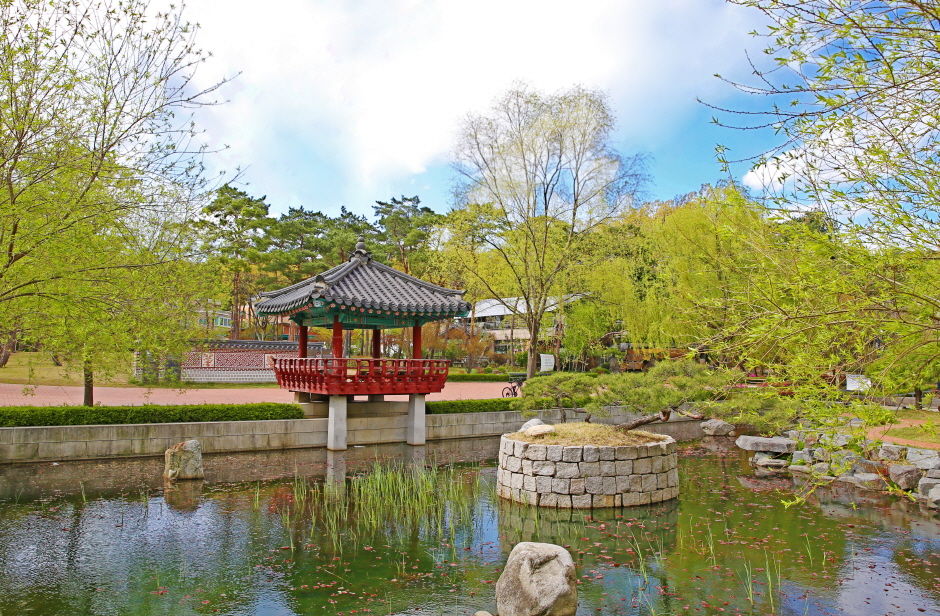
Wondangsaem Park (원당샘공원)
10.4Km 2024-02-15
16 Haedeung-ro 32ga-gil, Dobong-gu, Seoul
Wondangsaem Pond is named after the Wondang village, where the Yun family settled about 600 years ago. It is a park that harmoniously blends a traditional pond with a Hall of Rejoicing Pavilion called Samojeong, a wall fall, and a floral wall. During autumn, the golden foliage of an 800-year-old ginkgo tree enriches the surroundings, and a deck path around the tree offers a delightful stroll.
 English
 한국어
한국어 日本語
日本語 中文(简体)
 Deutsch
 Français
 Español
 Русский


