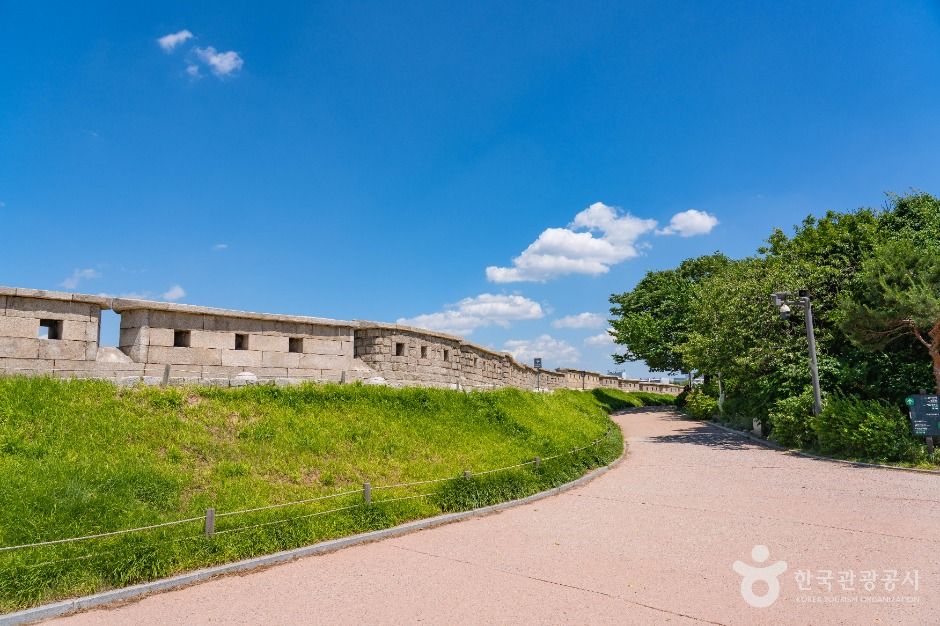
Naksan Park (낙산공원)
2.2Km 2025-12-16
41 Naksan-gil, Jongno-gu, Seoul
+82-2-743-7985
Naksan Mountain (alt. 125 meters) is one of the four inner mountains of Seoul, and can be accessed by following the road leading to the mountain entrance from Daehangno and Dongdaemun. It was also called Naktasan Mountain, which can be translated to Camel Mountain, because the terrain resembled a camel's back. It also had another name, Taraksan Mountain, “tarak” meaning fermented milk, because there was a royal ranch in the area that supplied milk to the palace. After the 1960s, the original appearance of Naksan Mountain disappeared due to apartments and dense housing, and the Seoul Metropolitan Government established a restoration plan. As part of this plan, a park project was carried out, and it opened Naksan Park in July 2002. Currently, Naksan Park has established itself as a resting place for citizens to feel the beautiful atmosphere of Hanyangdoseong, or the Seoul City Wall, and green forests. It has gained much popularity as a place for seeing the most beautiful night view in Seoul.
◎ Travel Information to Discover Hallyu’s Charm - Netflix Series "KPop Demon Hunters (2025)"
The fortress walls at Naksan Park served as the backdrop for Rumi and Jinu’s conversation in the Netflix series "KPop Demon Hunters." The view of the walls and the cityscape beyond adds to the unique atmosphere of the show, and visiting Naksan Park in person offers an expansive and memorable view of Seoul’s city center.

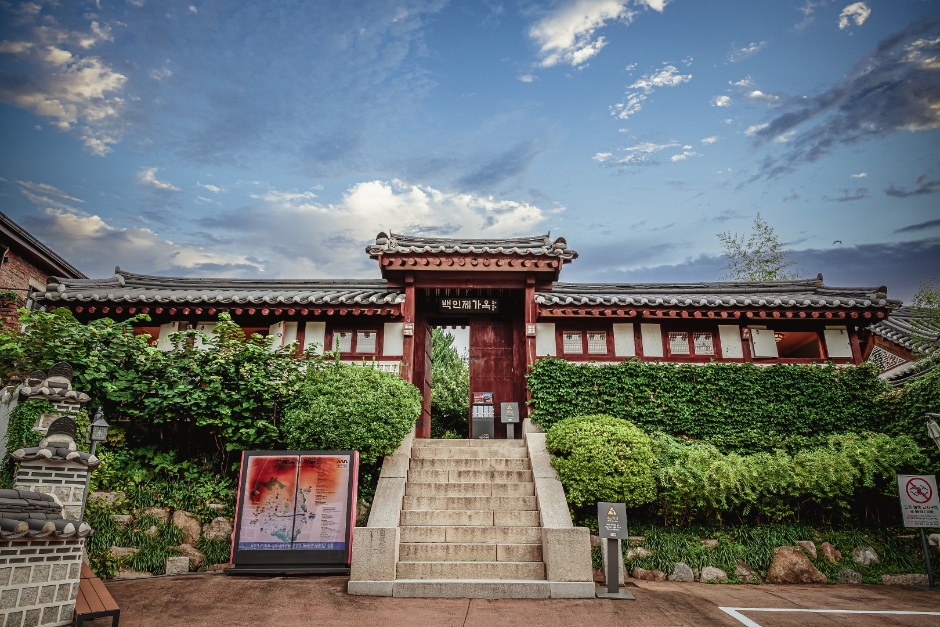
Baek In-je House (백인제가옥)
2.2Km 2025-10-24
16 Bukchon-ro 7-gil, Jongno-gu, Seoul
+82-2-724-0200
Baek In-je House, located in Bukchon Hanok Village, is a hanok built during the Japanese administration period that portrays modern hanok features. The structure consists of a main room offering a good view of the whole village, spacious bedrooms, a large garden, and annex buildings. As it maintains the beauty of a traditional hanok while incorporating the modern trend of its time, Baek In-je House is considered to be highly valuable in means of both architecture and history, representing the Bukchon Hanok Village together with Yun Bo-seon House.
Baek In-je House was built from black pine, which was first introduced in Seoul during the Gyeongseong Expo in 1907, distinguishing itself from other upper-class houses of its time. Unlike other traditional hanok designs that separate the main building from the other rooms, Baek In-je House connects the two with a hallway, allowing convenient access between the two structures. The house also consists of a Japanese-style hallway and floor mat rooms, reflecting the interior trends of that period. Baek In-je House is also unique in that the main room is partially built as a two-story structure, a style that was never seen in any traditional hanok built during the Joseon period.
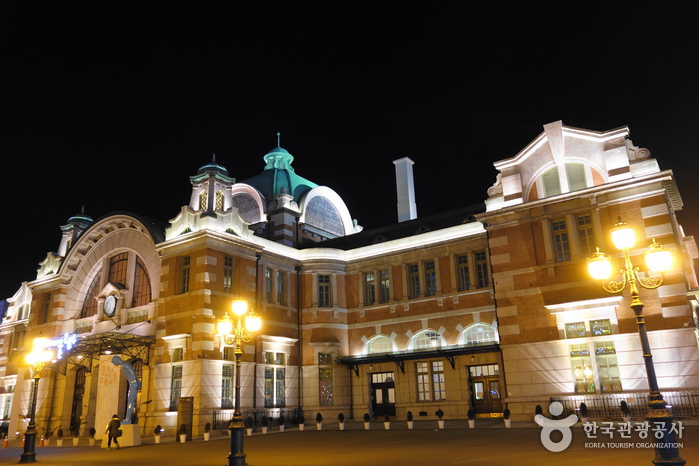
Culture Station Seoul 284 (문화역 서울 284)
2.2Km 2025-10-23
1 Tongil-ro, Jung-gu, Seoul
Culture Station Seoul 284 opened in 2011 by restoring the old Seoul Station. The complex holds various programs including exhibitions, performances, cultural events and workshops. It holds over 100 years of history with Namdaemun Station being the original name of the station in 1900 and changing to Gyeongseong Station, Seoul Station, and now Culture Station Seoul 284. The look of 1925 Gyeongseong Station offers visitors a flashback to the past, providing a fun and special experience.
◎ Travel information to meet Hallyu’s charm
This is where Mok-ha (played by Park Eun-bin) waited for Ki-ho (played by Chae Jong-hyeop) with flowers in the TV series "Castaway Diva." As the restored historic Seoul Station, it also appeared in "Reply 1994" as the location where Samcheonpo (played by Kim Sung Kyun) first arrived in Seoul.
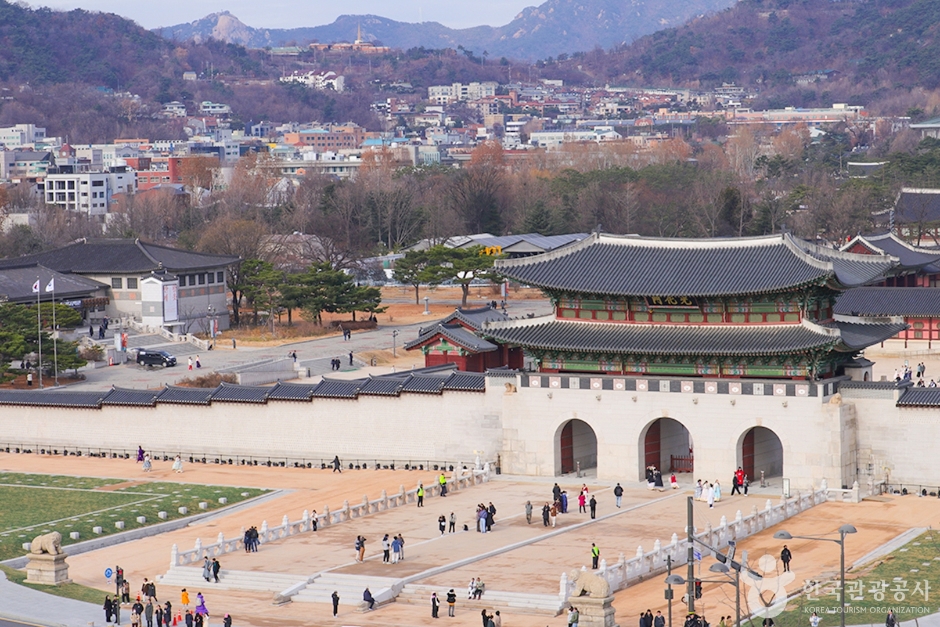
Gwanghwamun Gate (광화문)
2.2Km 2024-12-04
161 Sajik-ro, Jongno-gu, Seoul
+82-2-3700-3900
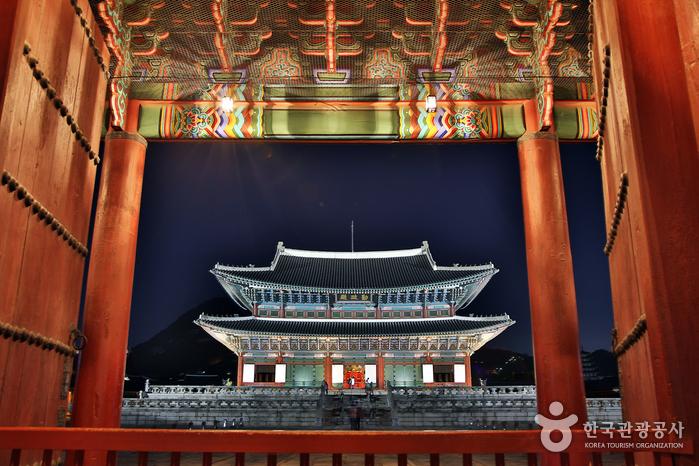
Built in 1395 under the reign of King Taejo, the first king of the Joseon dynasty, Gwanghwamun Gate is the southern gate of Gyeongbokgung Palace. It is also the main gate of the palace, therefore larger and fancier in comparison to the other gates. Gwanghwamun Gate consists of three arched gates; the center gate was used by the king, while the other two were used by the crown prince and royal officials. The tall granite walls of the gate serve as a platform for the wooden gate tower that watches over the city. The gate has a sign with its name written at the top center of the gate tower.
Gwanghwamun Gate went through several damages and restorations over the course of history. It was first severely damaged during the Imjin War (1592-1598) and was not restored until the reconstruction of Gyeongbokgung Palace in 1864. Under the Japanese administration, the gate was demolished and relocated to the north of the palace's eastern gate, followed by series of damages during the Korean War (1950-1953). In 1968, Gwanghwamun Gate was relocated back to the south of the palace and was rebuilt using concrete; however, the gate’s position was shifted a few meters away from its original location. In 2006, a major reconstruction project took place to restore Gwanghwamun Gate to its original state and location, disassembling the structure completely and replacing concrete with granite and wood. After three years and eight months of construction, Gwanghwamun Gate was fully restored to its original form and was open to the public on August 15, 2010.
YallaKOREA (얄라코리아)
2.3Km 2025-10-23
#700, The Salvation Army Building, 69 Saemunan-ro, Jongno-gu, Seoul
YallaKOREA is a medical tourism agency specialized in serving Arab patients, providing medical services since 2016 for those wishing to visit plastic surgery and dermatology clinics in Korea. For patients undergoing surgery, it offers customized services including medical interpretation, private transportation, hotel reservations, airport pick-up and drop-off services, and daily tours. With years of experience and a deep understanding of Arab culture, it ensures safe and convenient medical tourism.
Jongno Cheonggye Special Tourist Zone (종로 청계 관광특구)
2.3Km 2021-12-30
99, Yulgok-ro, Jongno-gu, Seoul
+82-2-2148-1861
Jongno Cheonggye Special Tourist Zone stretches from Seorin-dong to Changsin-dong between Cheonggyecheon Stream and Jong-ro. It includes Youth Street, Gwangjang Market, Sewoon Electronics Department Store, lighting stores, pharmacy & medical device stores, badge stores, Stamp Street, Stationery · Toy Market, Aquarium Street, Shoes Market, and other markets totalling to approximately 14,000 shops. Nearby attractions include modern high-story buildings as well as Gyeongbokgung, Changdeokgung, Changgyeonggung, Deoksugung, and Unhyeongung Palaces, Jongmyo Shrine, and Insa-dong, merging traditions, modernism, culture, and markets alike.
Thought to be at the heart of Seoul, Cheonggyecheon Stream is located in the dense cultural area of Seoul where various press networks, organizations, bookstores and other major corporations are situated. Walking along Cheonggyecheon Stream is a famous activity for tourists. Also, the area is the venue for the Seoul Lantern Festival every winter. Keeping its traditional scene including narrow alleys, old-fashioned hanok buildings and various stores still fully intact, the tourist zone has enough fun places for sightseeing as well as tasty restaurants in every corner for a more enjoyable visit.
 English
 한국어
한국어 日本語
日本語 中文(简体)
 Deutsch
 Français
 Español
 Русский


