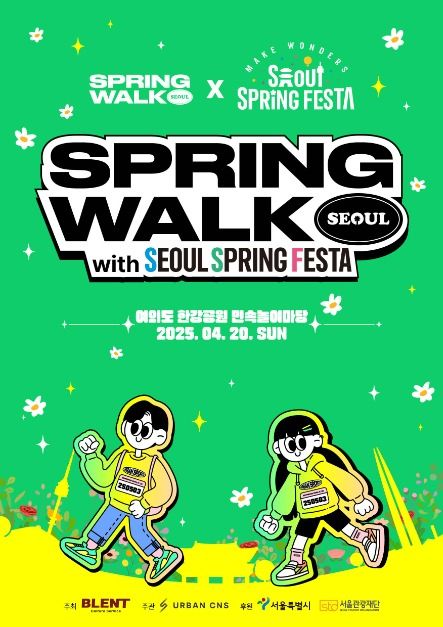
Spring Walk Seoul (스프링워크서울)
6.5Km 2025-03-18
330 Yeouidong-ro, Yeongdeungpo-gu, Seoul
+82-70-4705-2008
Spring Week Seoul is a simple and easy walking event open to anyone. Taking place at Yeouido Hangang Park, walkers can enjoy the spring flowers and breeze along the course.
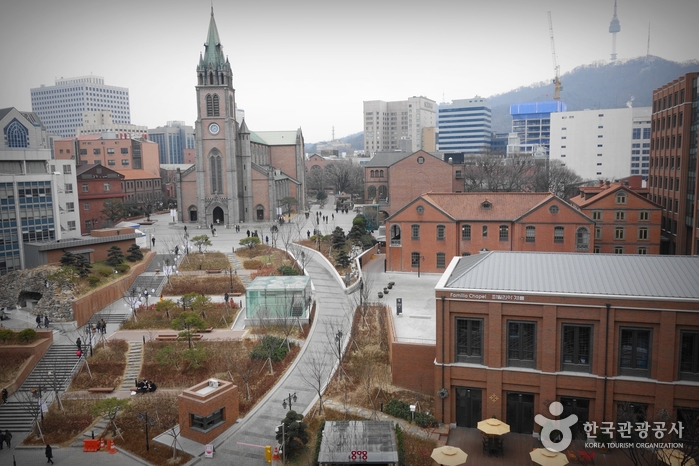
Myeongdong Cathedral (서울 명동성당)
6.5Km 2022-12-27
74, Myeongdong-gil, Jung-gu, Seoul
Myeongdong Cathedral is the Church for Archdiocese of Seoul and was also the birthplace for the Roman Catholic Church community in Korea. The church houses the remains of several individuals: Bishop Laurent Joseph Marie Imbert (1796-1839), and priests Peter Simon (1803-1839), James (Jacques Honor Chastan, 1803-1839) and Pourthie Jean Antoine Charles (1830-1866) and four martyrs.
Myeongdong Cathedral is located in downtown Seoul and tourists frequently come and visit the place. Near the cathedral are other tourism spots such as Namsangol Hanok Village preserving Korean traditional houses, N Seoul Tower overlooking Seoul and Namdaemun Market, a traditional market with a wide variety of food and goods.
![The Handsome Tommy Hilfiger - Myeong-dong Branch [Tax Refund Shop] (한섬 타미힐피거 명동)](http://tong.visitkorea.or.kr/cms/resource/47/2888847_image2_1.jpg)
The Handsome Tommy Hilfiger - Myeong-dong Branch [Tax Refund Shop] (한섬 타미힐피거 명동)
6.5Km 2024-04-18
11, Myeongdong 6-gil, Jung-gu, Seoul
-
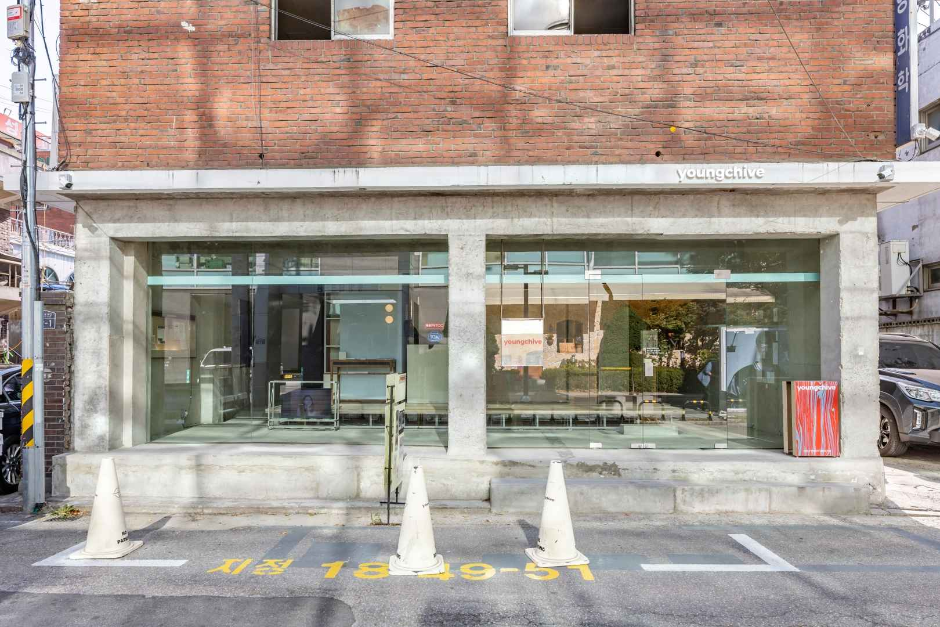
Youngchive Seongsu (영카이브 성수점)
6.5Km 2025-11-06
1F, 32 Seongsui-ro 18-gil, Seongdong-gu, Seoul
◎ Travel information to meet Hallyu’s charm
Youngchive Seongsu is the self-photo studio where Red Velvet’s Seulgi took photos with the staff while filming her vlog. It is known for its warm color tones, which set it apart from other self-photo studios. The Seongsu branch offers unique booths, such as the “still room” and “denim room,” which aren’t available at other locations, making it a must-visit spot.
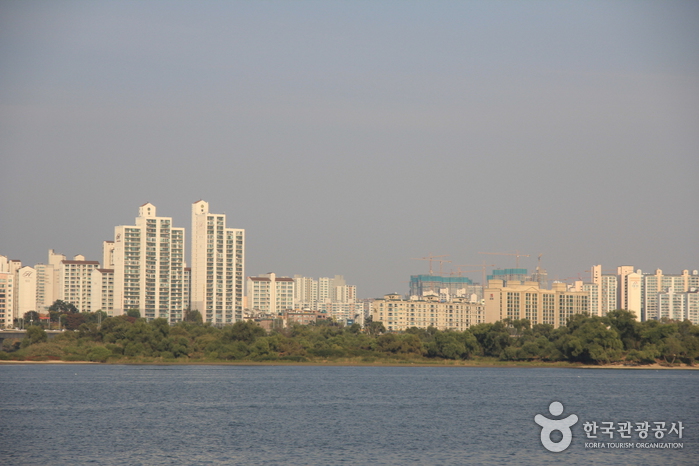
Bamseom Island (Ecosystem Conservation Area) (밤섬 생태경관 보전지역)
6.5Km 2025-04-29
Yeouido-dong, Yeongdeungpo-gu, Seoul
+82-2-3780-0793
Located at the Hangang River, Bamseom Island derives its name from its chestnut-like shape (bam in Korean). The island was designated as an Ecosystem Conservation Area by the Seoul Metropolitan Government in 1999 and was later recognized as Ramsar Wetland in 2012. Now an uninhabited island, Bamseom Island was once home to around 443 people, who were relocated after the island was exploded as part of the Yeouido Development Project. Today, it is known as a habitat for numerous migratory birds and plant species. People can enjoy views of the Island from Bamseom Park.
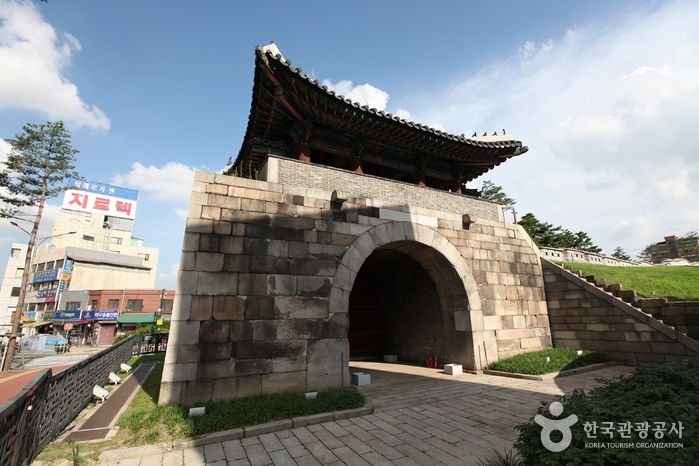
Gwanghuimun Gate (광희문)
6.5Km 2021-02-24
344, Toegye-ro, Jung-gu, Seoul
+82-2-3700-3900
Gwanghuimun Gate is said to have been originally constructed in 1396, the 5th year of King Taejo, at the southeast of the capital city. It was often referred to as Sugumun Gate (water channel gate) and was actually used as a Sigumun, literally meaning “corpse gate,” as funeral processions passed through this gate when exiting to the east.
During the Imjin War (1592-1598), the fortress gate was destroyed to such a degree that it made finding the original location close to impossible. Nevertheless, reconstruction efforts were started in 1711 (37th year of King Sukjong) and the gate was restored together with the gate's watchtower. Gwanghuimun Gate remained intact even when the fortress walls were demolished to build tram tracks during the Japanese occupation, but it was later damaged during the Korean War and left neglected. In 1975, restoration work was carried out to relocate Gwanghuimun Gate to a site 15 meters south of its original location since it stood in the middle of the road.
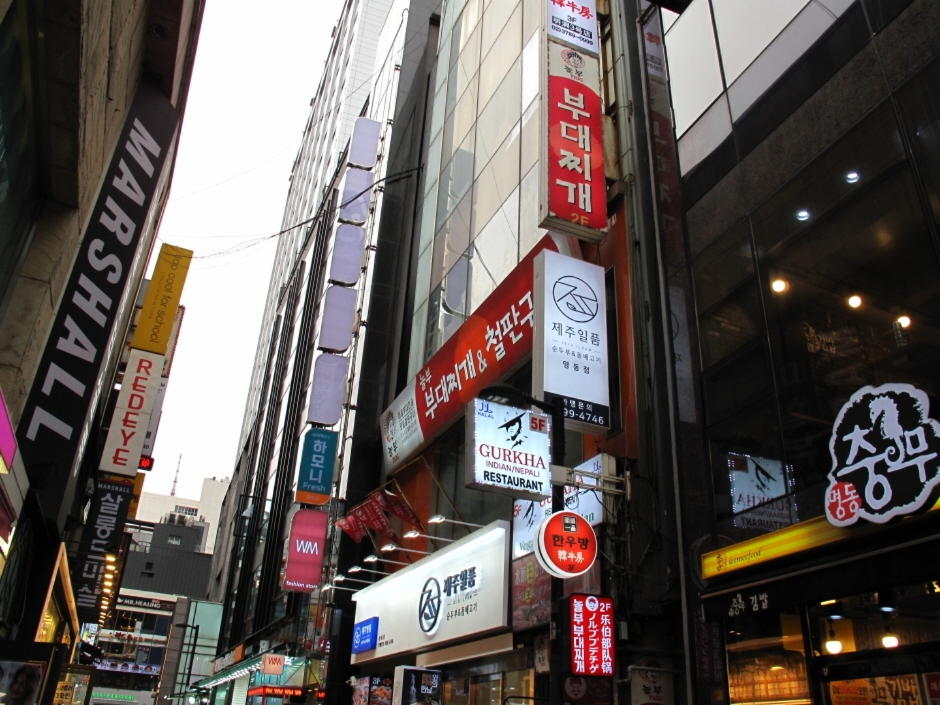
Nolbu Budaejjigae Myeongdong (놀부부대찌개 명동)
6.5Km 2024-03-11
16-1, Myeongdong, 10-gil, Jung-gu, Seoul
+82-2-3789-0110
Situated in Myeongdong, Nolbu Budaejjigae in Myeongdong is exclusively dedicated to budae jjigae (sausage jjigae). Budae jjigae is a typical Korean fusion food consisting of ham, sausage, kimchi, extra instant noodles, tiny rice cakes, glass noodles, and spicy seasonings. They use selected ham and sausage in a bone broth, and fresh noodles that are not fried, giving the dish a light and refreshing flavor. Patrons have the option to spicy stir-fried small intestine and shrimp hot pot. The seasoned spicy stir-fried webfoot octopus or spicy stir-fried chicken cooked on an iron plate is also a must-try.

Bank of Korea Money Museum (화폐박물관)
6.5Km 2024-03-18
39 Namdaemun-ro, Jung-gu, Seoul
This Renaissance-style three-story stone building is the museum of the Bank of Korea. The older Bank of Korea was established as the central bank of the Korean Empire in 1909 and has been designated as a National Historical Site. During the Japanese colonial period, the bank was renamed the Bank of Joseon, and the building was used as the main and head office of the Bank of Korea until 2001. The building has been used as the nation’s Money Museum since June 2001 in celebration of the 50th anniversary of the Bank of Korea. The museum has 13 exhibition rooms on two floors, with one basement floor and two above-ground floors. It holds special exhibitions of various currency and art collections to provide domestic and foreign visitors with the opportunity to enjoy the history and culture of currency. Visitors can learn about the Bank of Korea and the central banking system, as well as how to identify counterfeit notes and how money is produced and circulated. It is also a good place for children to learn about currencies from around the world. Advance reservations are required, and parking is not available. The museum can easily be reached via subway by getting off at Hoehyeon Station (Seoul Subway Line 4) and exiting through Exit 7.
![Converse - Myeong-dong Branch [Tax Refund Shop] (컨버스 명동점)](http://tong.visitkorea.or.kr/cms/resource/46/2878646_image2_1.jpg)
Converse - Myeong-dong Branch [Tax Refund Shop] (컨버스 명동점)
6.5Km 2024-06-27
16-1, Myeongdong 8-gil, Jung-gu, Seoul
-
![E-Mart 24 - The Bank Of Korea Branch [Tax Refund Shop] (이마트24 한국은행)](http://tong.visitkorea.or.kr/cms/resource/78/2878578_image2_1.jpg)
E-Mart 24 - The Bank Of Korea Branch [Tax Refund Shop] (이마트24 한국은행)
6.6Km 2024-04-18
9, Namdaemun-ro 5-gil, Jung-gu, Seoul
-
 English
 한국어
한국어 日本語
日本語 中文(简体)
 Deutsch
 Français
 Español
 Русский


