
MODEUNMO Clinic (모든모의원)
4.6Km 2025-10-23
2nd–4th Floors, 57 Nonhyeon-ro 151-gil, Gangnam-gu, Seoul
Through many years of practice in non-incisional hair transplantation, we have devoted ourselves to creating a more systematic, customized surgery process and a more comfortable and satisfying treatment environment.
At MODEUNMO Clinic, which exclusively researches and performs non-incisional procedures, we strive to ensure your hair remains full and natural over time through truly proper hair transplantation.
National Hangeul Museum (국립한글박물관)
4.6Km 2022-12-15
139, Seobinggo-ro, Yongsan-gu, Seoul
+82-2-2124-6200
The National Hangeul Museum was established to preserve, spread, and develop the Korean alphabet, Hangeul. The museum showcases the history and value of Korean orthography, Korean’s most-valued cultural asset, through exhibitions, activities, and education. Occupying over 11,322 ㎡, the museum has one basement level and three ground levels, along with an outdoor grass field and rest area perfect for cultural events, exhibits, and education.
The museum is comprised of the Hangeul library on the first floor, a permanent exhibition hall, ㅎ Café, and cultural product shop on the second floor, and a planned exhibition hall and Hangeul playground for children and foreigners on the third floor.

Spa Lei (스파레이)
4.6Km 2022-09-19
5, Gangnam-daero 107-gil, Seocho-gu, Seoul
+82-2-545-4002
Situated in Seocho-gu Jamwon-dong,
Anxin International Medical Co,.Ltd (안심국제 주식회사)
4.6Km 2025-10-23
(#3532), 41 Nonhyeon-ro 151-gil, Gangnam-gu, Seoul
Established in 2016, Anxin International Medical has been dedicated to attracting international patients since its inception. Over the past eight years, we have grown into a specialized medical tourism company with extensive experience. The company holds international travel agency permits, certified coordinators, and cosmetologist licenses, having served over 1,000 tourists during this time. Anxin International Medical offers a comprehensive range of services, including Korean medical consulting, interpretation, appointment scheduling, caregiving, airport pickups, and guided tours. The company has strong partnerships with numerous reputable Korean plastic surgery clinics, dermatology centers, health checkup clinics, dental clinics, hair transplant centers, obstetrics and gynecology clinics, and general hospitals. We remains committed to our founding principle: providing a "safe and reliable journey in Korea".
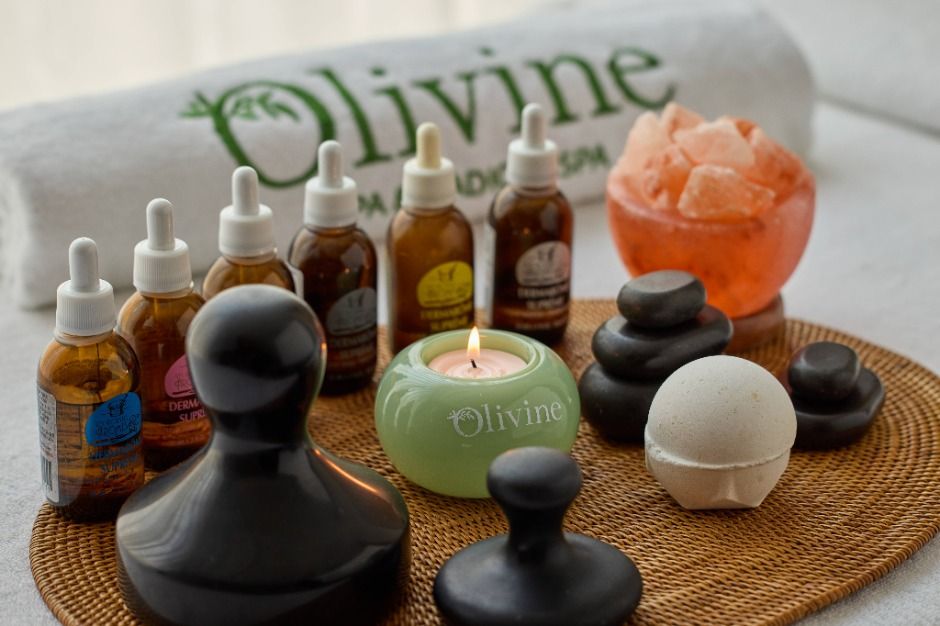
Olivine Spa (올리바인 스파)
4.6Km 2025-10-23
4-1 Tongil-ro 16-gil, Jongno-gu, Seoul
Chosen as one of the 25 recommended wellness tourist destinations by the Ministry of Culture, Sports and Tourism and the Korea Tourism Organization, Olivine Spa operates a luxury spa and a beauty & slimming center in downtown. The spa also provides professional pre-natal and post-natal massage, body shape care, and various beauty programs in partnership with Seran General Hospital and Olivium (a postpartum care center). Olivine Spa provides massages by top-tier therapists in the industry who will relieve fatigue and eliminate toxins accumulated through daily life. They will help your body become healthier and more balanced, ensuring customer satisfaction. Furthermore, Olivine Spa uses Swiss premium brands Les Nouvels Aroma and Darphin in their programs. Its beauty & slimming center provides customized consulting and various beauty-related medical programs in partnership with medical staff at Seran General Hospital.
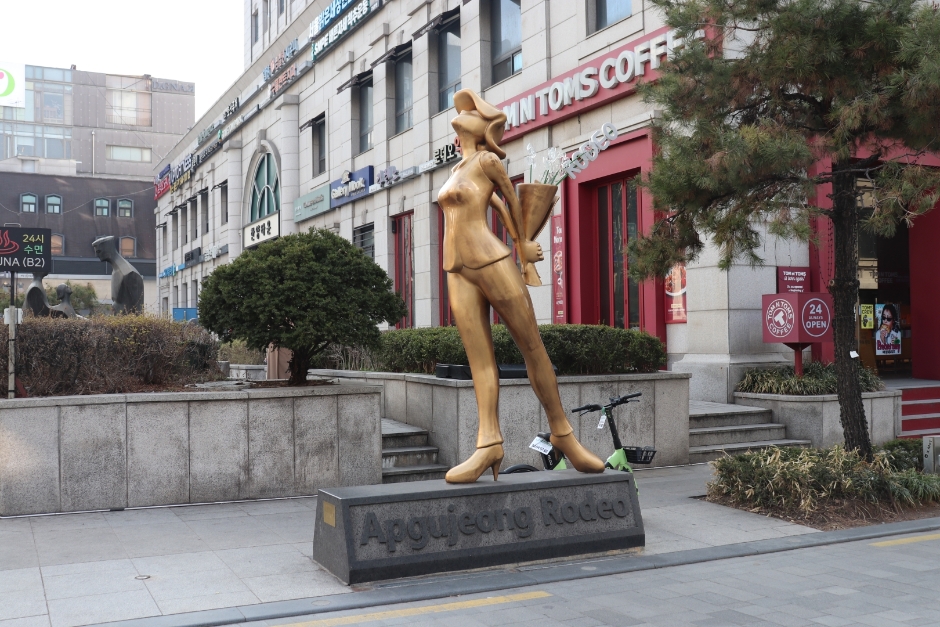
Apgujeong Rodeo Street (압구정 로데오거리)
4.6Km 2024-03-18
Sinsa-dong, Gangnam-gu, Seoul
+82-2-3445-0111
Apgujeong Rodeo Street is a cultural street in Apgujeong full of luxury brands and multi-shops. It is a popular destination with significant foot traffic thanks to its convenient shopping opportunities, famous cafés and restaurants, and shops with unique interior design. This street is the place to experience Korean fashion and cultural trends. Nearby tourist sites include Cheongdam Fashion Street and Garosu Street of Sinsa-dong.
![Meilijie - Garosu Branch (No. 2) [Tax Refund Shop] (메이리지에 가로수2호)](http://tong.visitkorea.or.kr/cms/resource/49/2879749_image2_1.jpg)
Meilijie - Garosu Branch (No. 2) [Tax Refund Shop] (메이리지에 가로수2호)
4.6Km 2024-04-22
1F, 16, Garosu-gil, Gangnam-gu, Seoul
-

Hyanggieok (향기억)
4.6Km 2025-10-30
23 Seolleung-ro 157-gil, Gangnam-gu, Seoul
Making the unique perfume in the world
It is a workshop where you can create your own personalized perfume. A number of famous celebrities such as MOMOLAND's JOOE and CHUNG HA have visited. In addition to perfume, diffuser and candle one-day classes are also available. You can also purchase a variety of scented products such as fabric perfume and pet deodorant products.
![PVH CK Underwear - Garosu Branch [Tax Refund Shop] (PVH CK언더웨어 가로수)](http://tong.visitkorea.or.kr/cms/resource/39/2879739_image2_1.jpg)
PVH CK Underwear - Garosu Branch [Tax Refund Shop] (PVH CK언더웨어 가로수)
4.6Km 2024-04-18
Store #516-11, 43, Gangnam-daero 154-gil, Gangnam-gu, Seoul
-
 English
 한국어
한국어 日本語
日本語 中文(简体)
 Deutsch
 Français
 Español
 Русский


