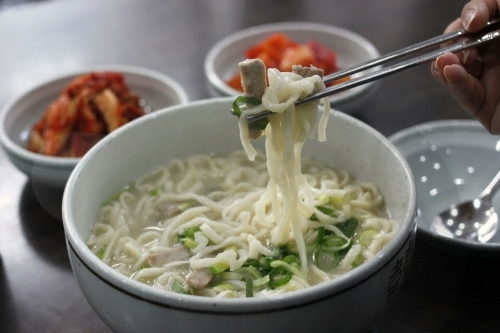
Jeongdong Guksi (정동국시)
7.5Km 2024-06-19
5 Jeongdong-gil, Jung-gu, Seoul
02-732-0114
Jeongdong Guksi features a rich soup with a clean taste, created by carefully removing the oil dozens of times while boiling Korean beef bones for 15 hours. The restaurant uses this same beef bone broth in their mandutguk (dumpling soup), something not many restaurants do. The rich flavor of the broth combined with the soft dumplings, made in-house daily, is a must-try. The restaurant is also surrounded by many cultural and artistic spaces, making it a great addition to tours in the area.

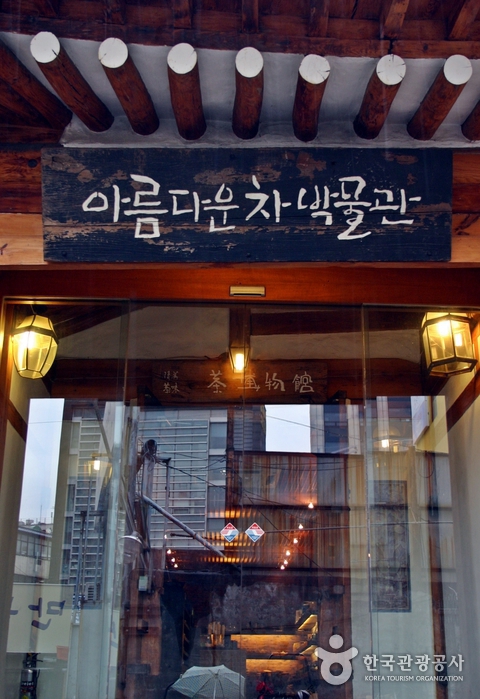
Beautiful Tea Museum (아름다운 차박물관)
7.6Km 2022-07-26
19-11, Insadong-gil, Jongno-gu, Seoul
+82-2-735-6678
Located in Insa-dong, The Beautiful Tea Museum aims to promote Korean tea culture. It preserves and exhibits tea related utensils and items, featuring those from the ancient Gaya and Joseon period as well as items from abroad such as China and Tibet. The museum also displays original tea pots and other ceramics made by young artists and ceramists. Inside the museum is a tea house named "Tea Story," serving a wide variety of teas. Visitors can also purchase tea leaves from all over the world at the Tea Shop.
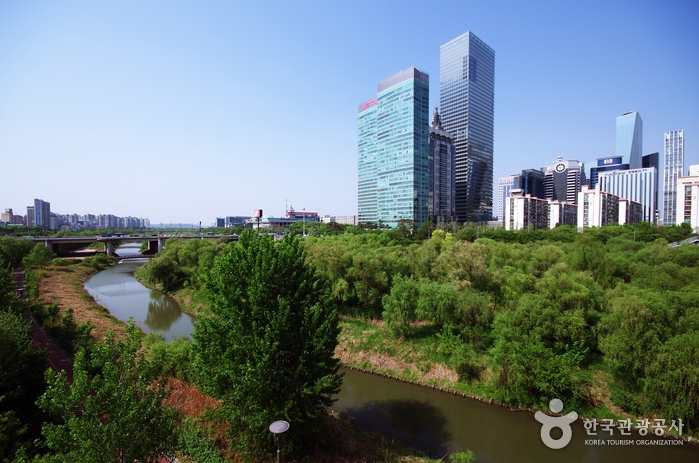
Yeouido Saetgang Ecological Park (여의도샛강생태공원)
7.6Km 2021-06-14
48, Yeouidong-ro, Yeongdeungpo-gu, Seoul
+82-2-3780-0570
Yeouido Saetgang Ecological Park in central Seoul was the first ecological park in Korea, opened on September 25, 1997. It houses a wide variety of flora and fauna, including kestrels (Natural Monument No. 323), herons, and minnows. There is a 6 kilometer-long promenade that crosses the park, and information signs explaining various flower and plant species throughout the park.
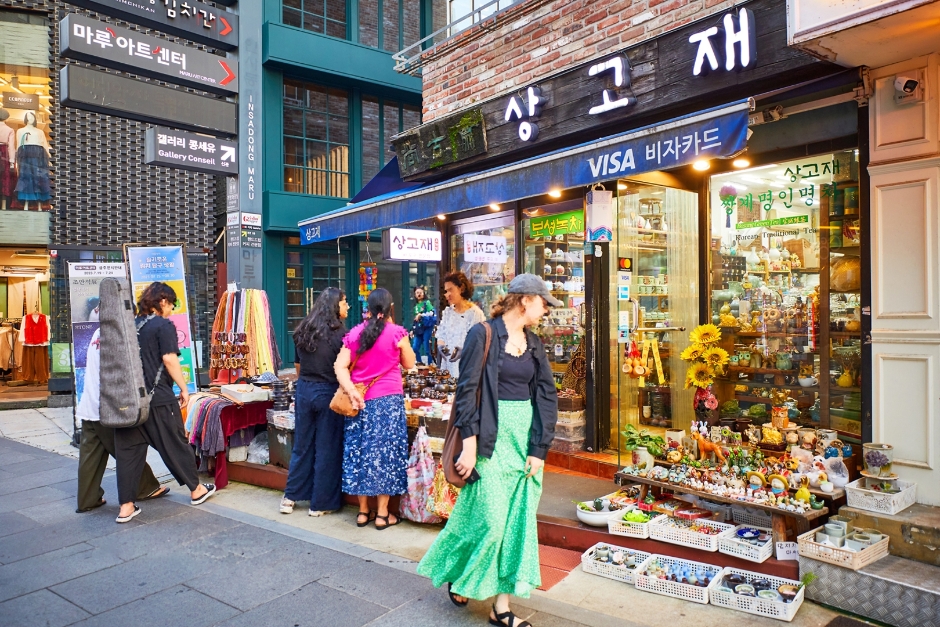
Insadong Cultural Street (인사동 문화의 거리)
7.6Km 2023-12-26
Insa-dong, Jongno-gu, Seoul Metropolitan City
Insadong Cultural Street is a popular tourist destination for visitors from all around the world, thanks to its numerous art galleries, restaurants serving Korean table d’hote, traditional teahouses, and street vendors lining the streets. Its most recognizable feature is the use of Hangeul (Korean script) in storefronts, which allows the visitors to really see just what makes this place so special. Unlike the nearby Ikseon-dong Hanok Street, Insadong Cultural Street has larger streets with wider stores, so it is much easier to traverse. On evenings and weekends, one can find buskers performing on the side of the road.
![Uniqlo - Gwanghwamun D Tower Branch [Tax Refund Shop] (유니클로 광화문D타워)](http://tong.visitkorea.or.kr/cms/resource/15/2878215_image2_1.jpg)
Uniqlo - Gwanghwamun D Tower Branch [Tax Refund Shop] (유니클로 광화문D타워)
7.6Km 2024-04-17
17, Jong-ro 3-gil, Jongno-gu, Seoul
-
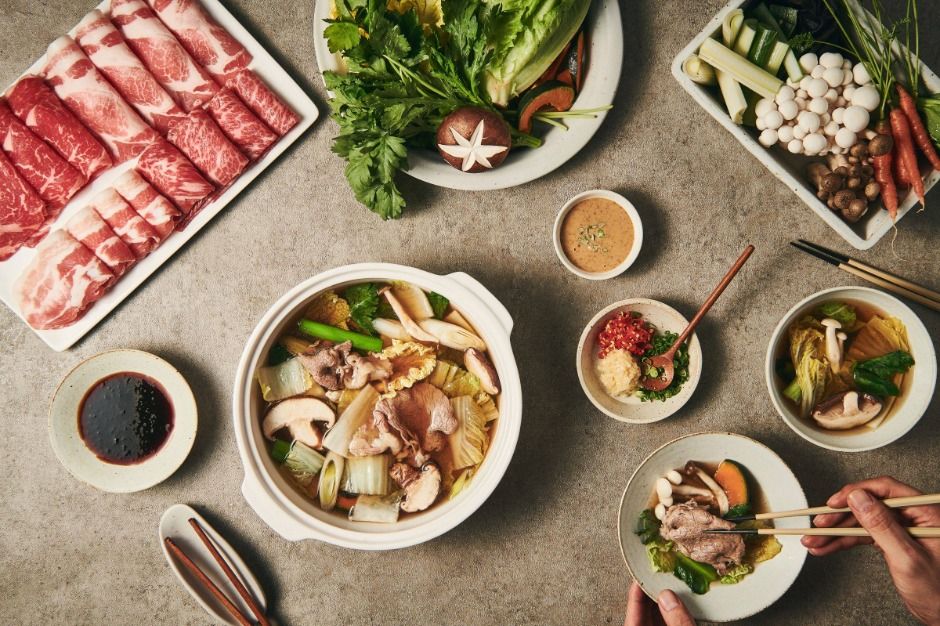
Modern Shabu House Gwanghwamun D Tower Branch (모던샤브하우스 광화문D타워점)
7.6Km 2025-12-02
17 Jong-ro 3-gil, Jongno-gu, Seoul
Located in Jongno-gu, Modern Shabu House Gwanghwamun D Tower Branch offers a selection of specialty broths to enjoy unlimited beef, pork, and vegetables. The restaurant serves four cuts of pork and beef in every course. The interior is designed with natural materials like earth, stone, and wood, inspired by the fluid process of cooking ingredients like meat and vegetables in a pot. The design reflects the natural movement and flow of ingredients as they cook together. The restaurant also has a range of private rooms, making it a popular choice for families with children and for gatherings, providing a comfortable dining experience.
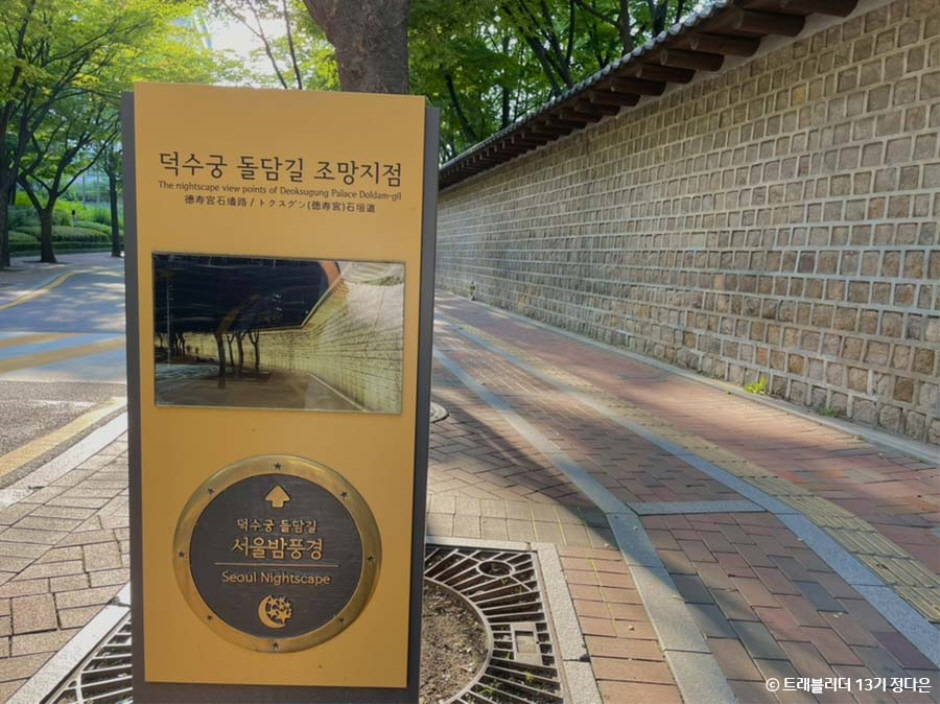
Jeongdong-gil Road (정동길)
7.6Km 2024-06-19
2-1 Jeongdong-gil, Jung-gu, Seoul
Jeongdong-gil Road is one of Seoul's most famous walking paths, stretching from the intersection in front of Jeongdong Church to Saemunan-gil Road. The street holds importance in Korea's modern history, with the surroundings serving as a living museum of this. During the Joseon dynasty, the area developed into a residental space for distant members of the royal family, with a palace and royal tombs in the area. In 1999, the pedestrian walking area was expanded by turning the two-way road into a one-way road. Since then, the road has earned many awards and honors.

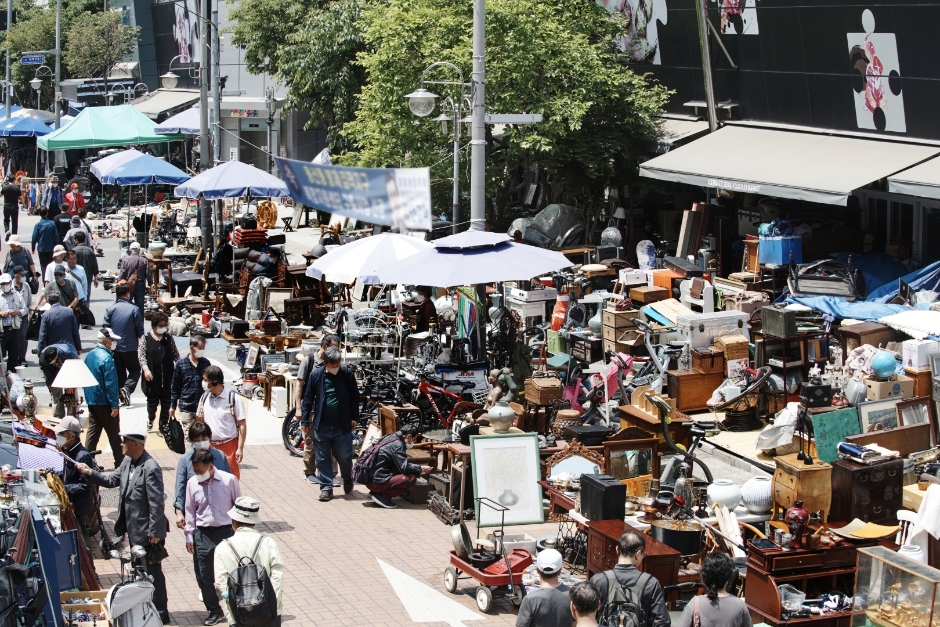
Seoul Folk Flea Market (서울 풍물시장)
7.6Km 2025-04-11
21 Cheonho-daero 4-gil, Dongdaemun-gu, Seoul
+82-2-2232-3367
The Seoul Folk Flea Market is located around Cheonggyecheon Stream's Hwanghakgyo Bridge and Sinseol-dong Station and is on its way to becoming a famous tourist attraction along with the already famous Cheonggyeocheon Stream. The Seoul Folk Flea Market is one of the major folk flea markets preserving the culture of the traditional Korean marketplace and drawing in visitors with a range of folk items that embody the unique charm of Korea. Folk items include everyday items, souvenirs, traditional goods and even traditional foods, allowing visitors to enjoy shopping and eating all under the same roof.
The Seoul Folk Flea Market originated from the flea market in Hwanghak-dong where many street shops and vendors gathered around Cheonggyecheon Stream before it was restored and modernized into its current state. The market was relocated to the Dongdaemun History & Culture Park (Formerly Dongdaemun Stadium) while the Cheonggyecheon Stream was undergoing restorations, and was moved back to Cheonggyecheon Stream sometime later. Seoul City aims to market Seoul Folk Flea Market as a new shopping spot at its current location, the former site of Sungin Girls' Middle School on Cheonggyeo 8-ga Street, near Cheonggyeocheon Stream to develop the Korean representative folk flea market-related tourism industry.
The main items of the Seoul Folk Flea Market include a diverse range of folk items, traditional crafts, local specialties and fashion items. You may also enjoy a range of foods and snacks including traditional Korean food and fusion cuisine from all over the world. What is special about the market is that you can find rare goods and authentic traditional items that cannot be found at other markets. The market atmosphere is a mix of old, revered traditions and modern aspects, providing visitors with a great shopping experience. The Seoul Folk Flea Market is truly a traditional flea market well worth visiting.
 English
 한국어
한국어 日本語
日本語 中文(简体)
 Deutsch
 Français
 Español
 Русский


