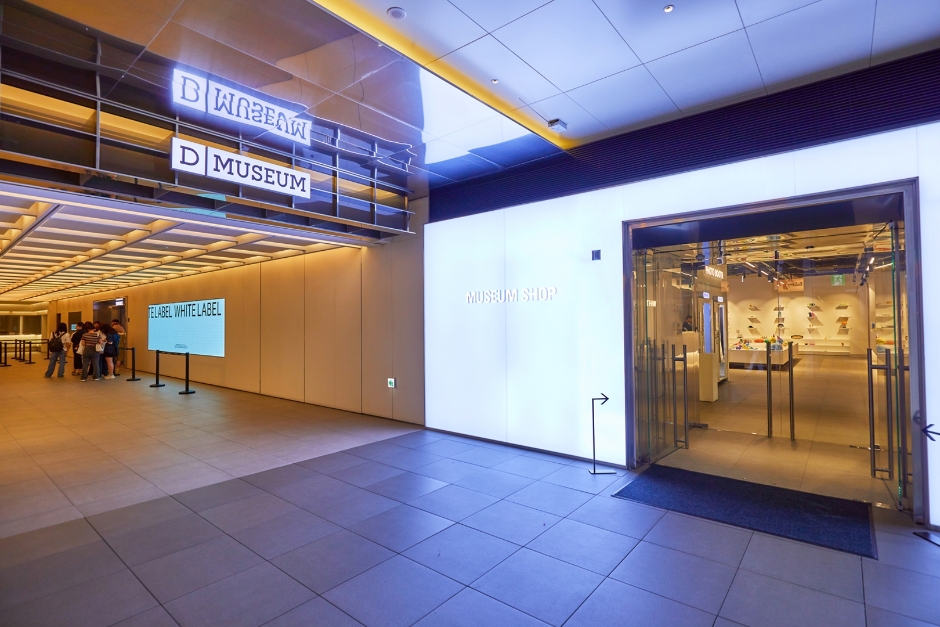
D MUSEUM Seongsu (디뮤지엄 성수)
5.4Km 2023-11-06
83-21, Wangsimni-ro, Seongdong-gu, Seoul
+82-2-6233-7200
D MUSEUM greets the general public with its catchphrase, “an art museum where daily life becomes art.” In 2021, the museum relocated to the area near Seoul Forest Park, so that it could accommodate more visitors in its space. The museum not only hosts exhibitions by prominent photographers like Nick Knight (NICK KNIGHT: IMAGE, 2016) and Linda McCartney (Linda McCartney Retrospective, 2014) but also leads the efforts to promote awareness among the general public through invitational exhibitions featuring up-and-coming artists. Its relocation to Seoul Forest Park was marked by the special exhibition “Romantic Days,” which garnered much interest among the visitors as a chance to meet the works of artists born in the ‘80s and the ‘90s.
![Olive Young - Yaksu Station Branch [Tax Refund Shop] (올리브영 약수역)](http://tong.visitkorea.or.kr/cms/resource/83/2889583_image2_1.jpg)
Olive Young - Yaksu Station Branch [Tax Refund Shop] (올리브영 약수역)
5.4Km 2024-04-22
189, Dongho-ro, Jung-gu, Seoul
-
![ABC-Mart - Seoul National University Station Branch [Tax Refund Shop] (ABC마트 서울대점)](http://tong.visitkorea.or.kr/cms/resource/82/3314782_image2_1.jpg)
ABC-Mart - Seoul National University Station Branch [Tax Refund Shop] (ABC마트 서울대점)
5.5Km 2024-06-27
172, Gwanak-ro, Gwanak-gu, Seoul
-
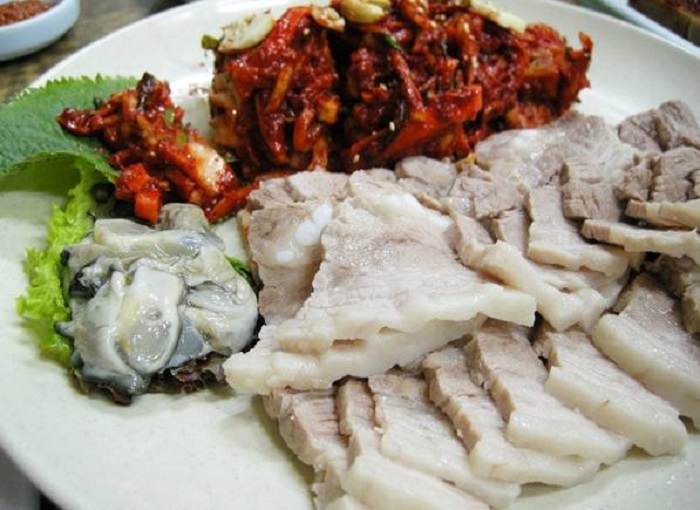
Jangchung Jokbal (장충족발)
5.5Km 2024-10-15
31, Noryangjin-ro 16-gil, Dongjak-gu, Seoul
+82-2-816-9824
Jokbal (pig’s feet) is a representative food loved by Koreans. The best menu at this restaurant is braised pigs' feet. This Korean dishes restaurant is located in Dongjak-gu, Seoul.
![E-Mart - Yangjae Branch [Tax Refund Shop] (이마트 양재)](http://tong.visitkorea.or.kr/cms/resource/89/2889589_image2_1.jpg)
E-Mart - Yangjae Branch [Tax Refund Shop] (이마트 양재)
5.5Km 2024-04-22
16, Maeheon-ro, Seocho-gu, Seoul
-

Olive Young - Gwanak Town [Tax Refund Shop] (올리브영 관악 타운)
5.5Km 2024-06-27
173, Gwanak-ro, Gwanak-gu, Seoul
-
![Innisfree - Noryangjin Branch [Tax Refund Shop] (이니스프리 노량진)](http://tong.visitkorea.or.kr/cms/resource/20/2880020_image2_1.jpg)
Innisfree - Noryangjin Branch [Tax Refund Shop] (이니스프리 노량진)
5.5Km 2024-04-22
162, Noryangjin-ro, Dongjak-gu, Seoul
-
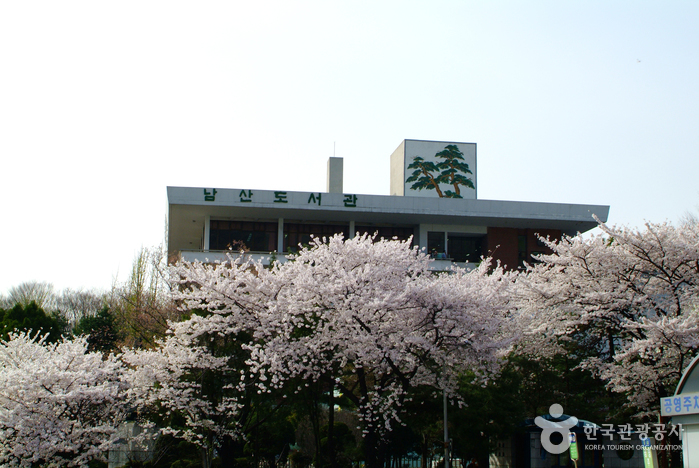
Namsan Library (서울특별시교육청 남산도서관)
5.5Km 2021-07-07
109, Sowol-ro, Yongsan-gu, Seoul
+82-2-754-7338
Namsan Library opened as Kyeongseong Prefectural Library in 1922 as a public library in Myeong-dong, Jung-gu, Seoul. The library was moved to the current site in 1964 with a newly built building and its name changed to Namsan Library in 1965. This concrete building was built in 1964 and was designed by architect Lee Haeseong. It was designated as Seoul Future Heritage in 2013, credited for its preservation value.
It is comprised of 19 rooms and educational areas including the Humanity and Social Science Hall, Nature Science Hall, Language and Literature Hall, Electronic Information Room and more. Since opening, the library has collected nearly 500,000 books, 16,000 non-book materials, 700 continuing resources, and other special materials like old books, oriental books (including Japanese books), and more. Namsan Library also operates a reading treatment program unique to this library that began in 2005. The program includes remodeling of reading consultation room, training for people in charge of reading treatment, workshops, programs for individuals and groups. Also, various exhibitions, lectures, shows, cultural classes and other events are available all year long to enhance lifelong education.
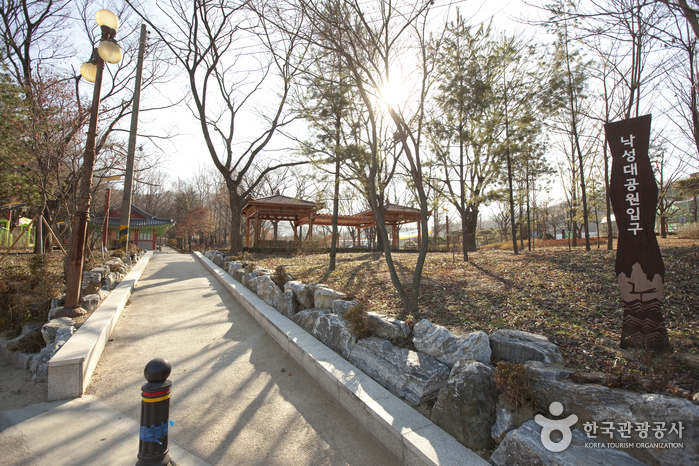
Gwanaksan Mountain Nakseongdae Park (관악산 낙성대공원)
5.6Km 2021-07-16
77, Nakseongdae-ro, Gwanak-gu, Seoul
+82-2-879-6525
Nakseongdae Park was built as a tribute to General Kang Gam-chan (948-1031) of the Goryeo dynasty. In 1973, the city of Seoul reorganized the birthplace of General Kang, resulting in changes to the park. Located inside the park are Anguksa Shrine, the general’s birthplace, and a three-story stone pagoda, which was made during the Goryeo dynasty. The 4.48-meter-high pagoda is made of granite, and is called “Kang Gam-chan Tap (pagoda)” or “Kang Gam-chan Nakseongdae Tap”.
*Anguksa Shrine
Anguksa is a shrine built in 1974 emulating the wooden architecture style of the Goryeo era. The shrine has high ceilings and houses the portrait of General Kang Gam-chan. The shrine is located on the road leading to the back gate of Seoul National University and has become a popular place in the area.
*Nakseongdae Yuji
Nakseongdae Yuji is the birthplace of General Kang Gam-chan and the original location of the three-story pagoda. During the maintenance of Nakseongdae area in 1973, the pagoda was moved into the vicinity of Anguksa Shrine, and a two-meter tall monument was erected in its original location to mark the historical significance of the site.
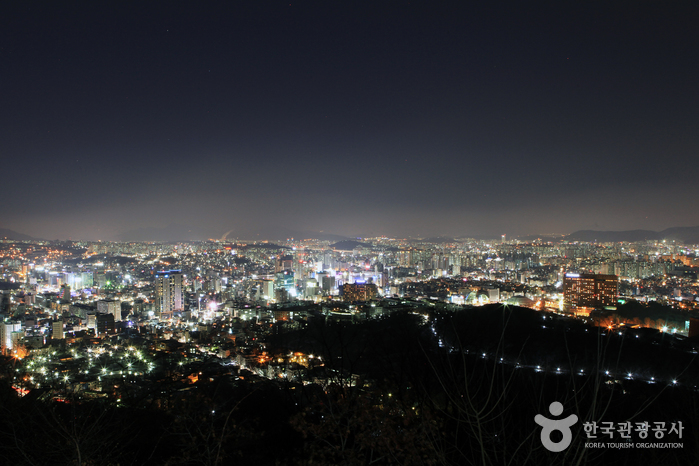
Seoul Namsan Park (남산공원(서울))
5.6Km 2024-03-18
231 Samil-daero, Jung-gu, Seoul
Namsan Mountain rises in the heart of Seoul at an altitude of 265 meters and has been a significant landmark since the Joseon dynasty (1392-1897), leaving behind several ruins. It was heavily damaged in the early 20th century, but was partially restored in 1968 with the creation of the park. Highlights include Namsan Tower and love locks left by numerous couples. Visitors can also easily reach the top by a cable car or bus.
 English
 한국어
한국어 日本語
日本語 中文(简体)
 Deutsch
 Français
 Español
 Русский


