![Dior - Shinsegae Main Branch (1F) [Tax Refund Shop] (디올 신세계 본점 1층)](http://tong.visitkorea.or.kr/cms/resource/69/2890569_image2_1.jpg)
Dior - Shinsegae Main Branch (1F) [Tax Refund Shop] (디올 신세계 본점 1층)
2.4Km 2024-04-23
1F, 63, Sogong-ro, Jung-gu, Seoul
-
![Fendi - Shinsegae Main Branch (2F) [Tax Refund Shop] (펜디 신세계 본점2층)](http://tong.visitkorea.or.kr/cms/resource/85/2890585_image2_1.jpg)
Fendi - Shinsegae Main Branch (2F) [Tax Refund Shop] (펜디 신세계 본점2층)
2.4Km 2024-04-19
63, Sogong-ro, Jung-gu, Seoul
-
![Duko S.T.Dupont - Shinsegae Main Branch [Tax Refund Shop] (듀코 신세게(백)본점 듀퐁)](http://tong.visitkorea.or.kr/cms/resource/10/2887810_image2_1.jpg)
Duko S.T.Dupont - Shinsegae Main Branch [Tax Refund Shop] (듀코 신세게(백)본점 듀퐁)
2.4Km 2024-04-16
6F Shinsegae Department Store Main Branch, 63, Sogong-ro, Jung-gu, Seoul
-
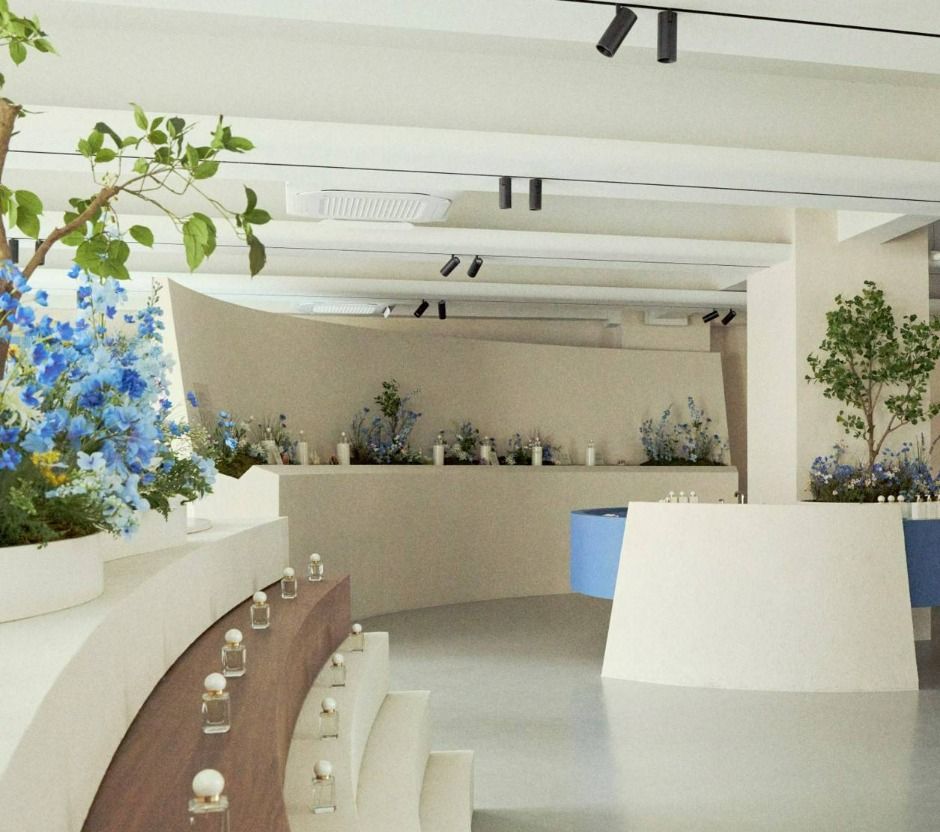
Matthew Chang Anguk (메튜장 안국)
2.4Km 2025-07-14
33 Yulgok-ro, Jongno-gu, Seoul
Matthew Chang Anguk flagship store uses the whole space to bring the brand's philosophy to life through fragrance. Located in Anguk, the heart of Korea's tradition and aesthetics, the store's tranquil atmosphere sets the mood for visitors to try on and experiment with the brand's carefully selected perfume collection. The staff provides assistance in recommending the perfect scent according to visitor's preference, mood, and nostalgia. The store also has a section dedicated to body care products, such as hand wash and body lotion.

Shinsegae Department Store - Main Store (신세계백화점 (본점))
2.4Km 2025-04-07
63 Sogong-ro, Jung-gu, Seoul
+82-1588-1234
Shinsegae Department Store opened its doors as the first modern department store in the country in 1960. It stands where Korea's first department store, the Japanese Misreukkosi Department Store, used to be in the 1930s. After undergoing remodeling in 2007, it reopened as a luxury hall, featuring diverse brands ranging from the top three international luxury brands to new designer brands. In addition, the Trinity Gardens and art halls in the department store serve as a cultural space for a shopping experience that combines art and shopping.
Bank of Korea Money Museum (화폐박물관)
2.4Km 2024-03-18
39 Namdaemun-ro, Jung-gu, Seoul
This Renaissance-style three-story stone building is the museum of the Bank of Korea. The older Bank of Korea was established as the central bank of the Korean Empire in 1909 and has been designated as a National Historical Site. During the Japanese colonial period, the bank was renamed the Bank of Joseon, and the building was used as the main and head office of the Bank of Korea until 2001. The building has been used as the nation’s Money Museum since June 2001 in celebration of the 50th anniversary of the Bank of Korea. The museum has 13 exhibition rooms on two floors, with one basement floor and two above-ground floors. It holds special exhibitions of various currency and art collections to provide domestic and foreign visitors with the opportunity to enjoy the history and culture of currency. Visitors can learn about the Bank of Korea and the central banking system, as well as how to identify counterfeit notes and how money is produced and circulated. It is also a good place for children to learn about currencies from around the world. Advance reservations are required, and parking is not available. The museum can easily be reached via subway by getting off at Hoehyeon Station (Seoul Subway Line 4) and exiting through Exit 7.
![Olive Young - Geumho Branch [Tax Refund Shop] (올리브영 금호)](http://tong.visitkorea.or.kr/cms/resource/65/2878765_image2_1.jpg)
Olive Young - Geumho Branch [Tax Refund Shop] (올리브영 금호)
2.4Km 2024-04-18
302, Dokseodang-ro, Seongdong-gu, Seoul
-
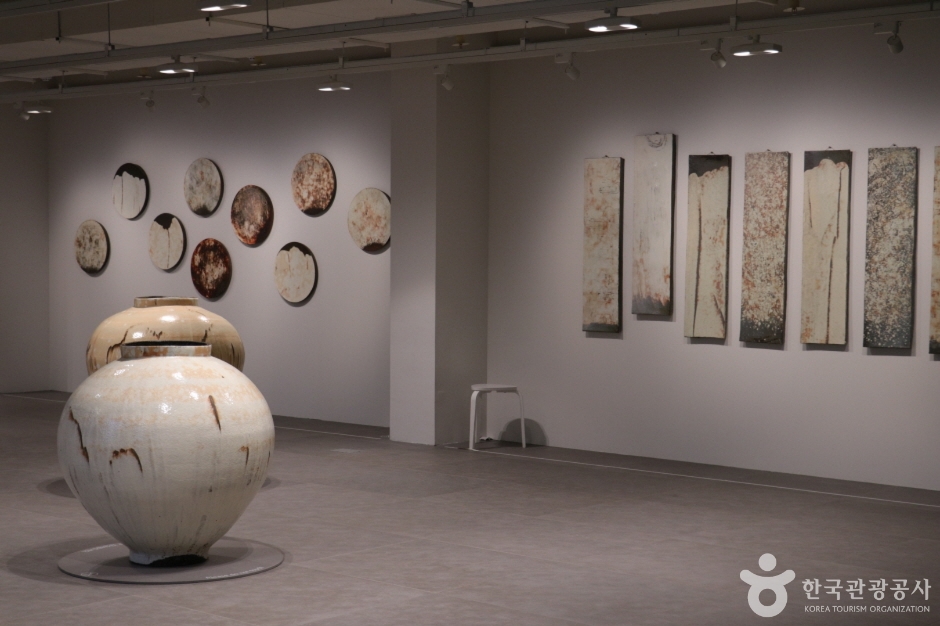
Seoul Museum of Craft Art (SeMoCA) (서울공예박물관)
2.4Km 2025-06-19
4 Yulgok-ro 3-gil, Jongno-gu, Seoul
The Seoul Museum of Craft Art (SeMoCA), the first public museum of craft art in Korea, opened its doors in Anguk-dong, Jongno-gu, in July 2021 after renovating five buildings of the former Pungmoon Girls’ High School. SeMoCA studies and shares not only works, but also information, records, people, and environment related to craft art with the goal of becoming a dynamic platform for experiencing the technical, practical, artistic, and cultural values of craft.
SeMoCA holds a collection that comprises various crafts and craft materials covering multiple fields and eras from the traditional to the present. SeMoCA also holds exhibitions that feature the history of craft from traditional to contemporary art as well as local and children’s crafts, along with programs that utilize the museum’s craft installations, craft archives, craft library, and craft resource management system.
The site of the museum has deep historical roots as it is also the Andong Secondary Palace Site, where a detached palace was constructed as a royal residence for King Sejong’s son Prince Yeongeung, and served as a venue for royal celebrations, such as the wedding of King Sunjong. The site is also at the center of Jongno-gu, where Joseon-era master artisans (“gyeonggongjang”) of the royal palace produced and delivered craft works.
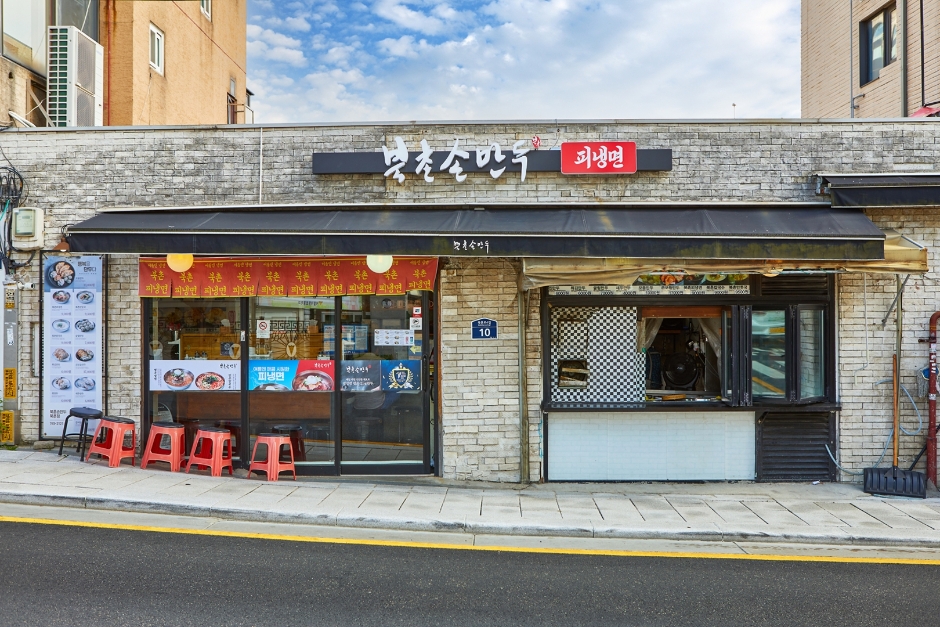
Bukchon Son Mandu Bukchon Branch (북촌손만두 북촌점)
2.4Km 2024-12-10
This third-generation family-owned handmade mandu restaurant has been in business since 1953. Its handmade mandu bears the tradition of nearly 70 years. This restaurant distinguishes itself above others with its unique expertise in the art of mandu-making and fresh ingredients, capturing deep flavors with care in each mandu. A full spread of mandu is available here, from steamed mandu to thin-skin mandu, deep-fried mandu, shrimp mandu, and galbi mandu, which can be ordered in individual pieces or as an assorted package. Mandu and noodles go perfectly together, and here, visitors can enjoy mandu with cold buckwheat noodles or noodle soup. The most recommended menu is the noodle soup, which serves thick, plump noodles in warm broth. But that does not mean that the cold buckwheat noodles are lacking: cold buckwheat noodles are served in a cool, red kimchi broth.
 English
 한국어
한국어 日本語
日本語 中文(简体)
 Deutsch
 Français
 Español
 Русский


