![Suitsupply - Gyeongnidangil Branch [Tax Refund Shop] (수트서플라이 경리단길점)](http://tong.visitkorea.or.kr/cms/resource/00/2890600_image2_1.jpg)
Suitsupply - Gyeongnidangil Branch [Tax Refund Shop] (수트서플라이 경리단길점)
2.9Km 2024-04-18
89, Hoenamu-ro, Yongsan-gu, Seoul
-

K-medi Spring (한강애봄)
2.9Km 2025-12-09
6th Floor, 63 Dongsomun-ro, Seongbuk-gu, Seoul
HanGang AeBom is a certified agency specializing in attracting international patients, offering customized programs that combine Korea’s advanced medical services with tourism. The agency collaborates with medical institutions to arrange consultations, interpretation, accommodation, and travel itineraries.
Jinju Hoegwan (진주회관)
2.9Km 2024-06-19
26 Sejong-daero 11-gil, Jung-gu, Seoul
+82-2-753-5388
Jinju Hoegwan is a renowned kongguksu (noodles in cold soybean soup) eatery near City Hall Station. Kongguksu is a traditional Korean summer dish made by boiling and grinding soybeans into a creamy broth, served with noodles, offering a refreshing and nutty flavor. Kongguksu is available from March to November. Their staff-recommended menu includes kimchi bokkeumbap (kimchi fried rice), freshly roasted by the staff, along with kimchi jjigae and samgyeopsal (pork belly).
Homeplus Express - Gwanghwamun Branch [Tax Refund Shop] (홈플러스익스프레스 광화문)
2.9Km 2024-04-18
91, Saemunan-ro, Jongno-gu, Seoul
-
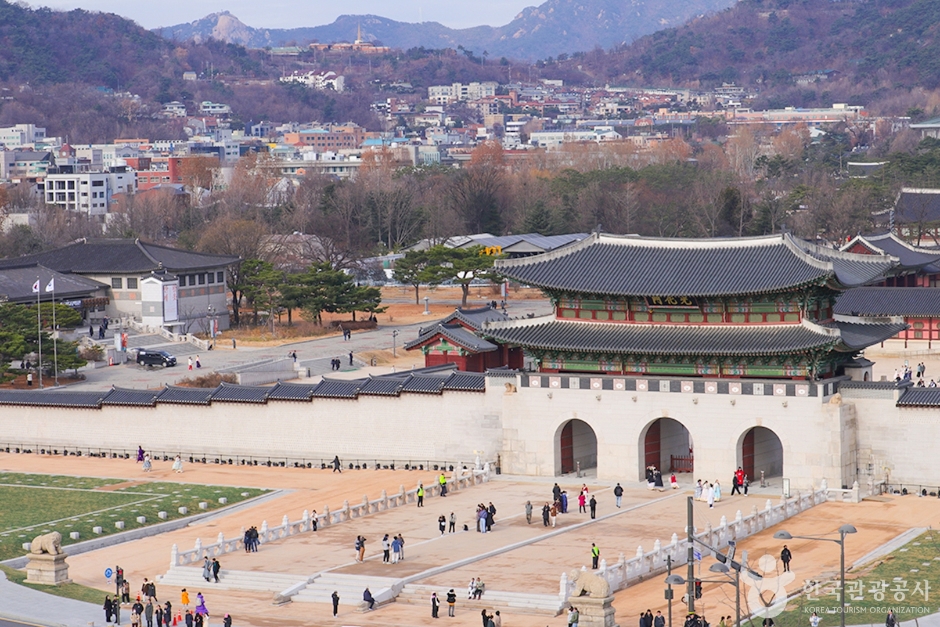
Gwanghwamun Gate (광화문)
2.9Km 2024-12-04
161 Sajik-ro, Jongno-gu, Seoul
+82-2-3700-3900
Built in 1395 under the reign of King Taejo, the first king of the Joseon dynasty, Gwanghwamun Gate is the southern gate of Gyeongbokgung Palace. It is also the main gate of the palace, therefore larger and fancier in comparison to the other gates. Gwanghwamun Gate consists of three arched gates; the center gate was used by the king, while the other two were used by the crown prince and royal officials. The tall granite walls of the gate serve as a platform for the wooden gate tower that watches over the city. The gate has a sign with its name written at the top center of the gate tower.
Gwanghwamun Gate went through several damages and restorations over the course of history. It was first severely damaged during the Imjin War (1592-1598) and was not restored until the reconstruction of Gyeongbokgung Palace in 1864. Under the Japanese administration, the gate was demolished and relocated to the north of the palace's eastern gate, followed by series of damages during the Korean War (1950-1953). In 1968, Gwanghwamun Gate was relocated back to the south of the palace and was rebuilt using concrete; however, the gate’s position was shifted a few meters away from its original location. In 2006, a major reconstruction project took place to restore Gwanghwamun Gate to its original state and location, disassembling the structure completely and replacing concrete with granite and wood. After three years and eight months of construction, Gwanghwamun Gate was fully restored to its original form and was open to the public on August 15, 2010.
Beodeul Maru - Korea Cultural Heritage Foundation Branch [Tax Refund Shop] (한국문화재재단 버들마루)
2.9Km 2024-10-15
37, Samcheong-ro, Jongno-gu, Seoul
-
La:ppland [Tax Refund Shop] (라플란드)
2.9Km 2024-04-16
Bldg. Ga. 1F, 83, Samcheong-ro, Jongno-gu, Seoul
-
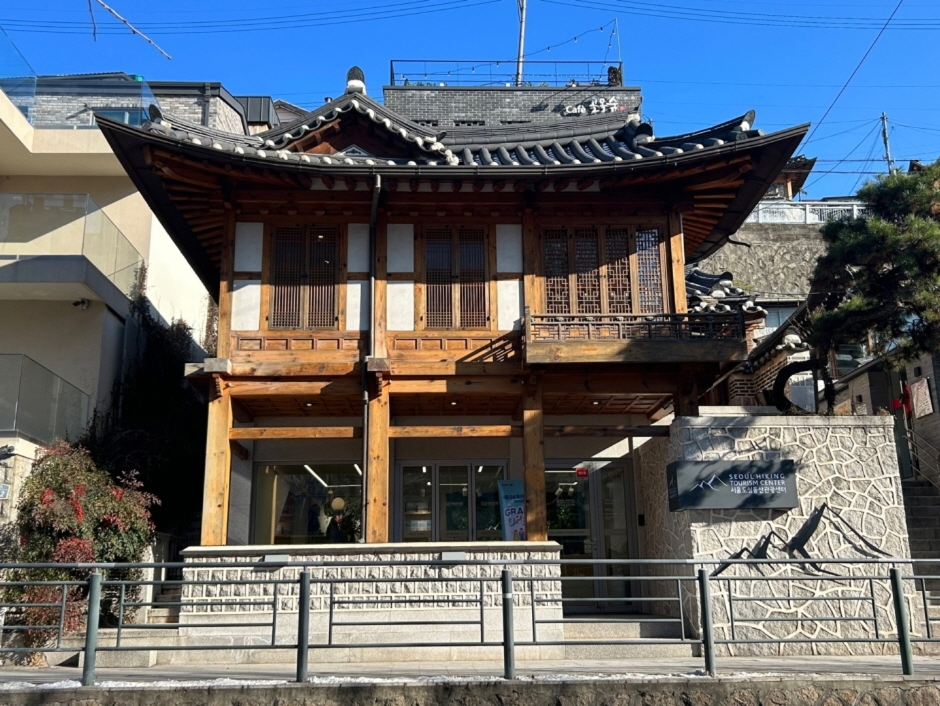
Seoul Hiking Tourism Center - Bugaksan Branch (서울도심등산관광센터(북악산))
3.0Km 2024-03-05
88 Samcheong-ro, Jongno-gu, Seoul
The Bugaksan branch of Seoul Hiking Tourism Center is located on Samcheong-dong Culture Street and provides various services to hikers. It provides hiking course guidance and information (available in Korean, English, Chinese, and Japanese) about the mountains of Seoul, including Bukhansan, Bugaksan, and Inwangsan Mountains, as well as promotional materials such as Seoul hiking tourism guidebooks and maps. Also, it operates hiking tour programs with various themes every week for foreigners and offers hiking gear rental services such as hiking boots, hiking attire, trekking poles, gloves, and crampons for foreigners. (Koreans accompanied by foreigners can also rent the gear.) In addition, there is a storage locker and lounge for visitors, so they can pack up and rest before hiking.
![Lush Korea - Gyeongnidangil Spa Branch [Tax Refund Shop] (㈜러쉬코리아 경리단길 스파)](http://tong.visitkorea.or.kr/cms/resource/49/2890649_image2_1.jpg)
Lush Korea - Gyeongnidangil Spa Branch [Tax Refund Shop] (㈜러쉬코리아 경리단길 스파)
3.0Km 2024-04-23
2F, 10, Hoenamu-ro 42-gil, Yongsan-gu, Seoul
-
![Lush Korea - Gyeongnidangil Branch [Tax Refund Shop] (㈜러쉬코리아 경리단길점)](http://tong.visitkorea.or.kr/cms/resource/01/2890701_image2_1.jpg)
Lush Korea - Gyeongnidangil Branch [Tax Refund Shop] (㈜러쉬코리아 경리단길점)
3.0Km 2024-04-19
1F, 10, Hoenamu-ro 42-gil, Yongsan-gu, Seoul
-
 English
 한국어
한국어 日本語
日本語 中文(简体)
 Deutsch
 Français
 Español
 Русский


