
![Bando Camera - Myeong-dong Chungmu [Tax Refund Shop] (반도카메라 명동충무)](http://tong.visitkorea.or.kr/cms/resource/63/2878663_image2_1.jpg)
Bando Camera - Myeong-dong Chungmu [Tax Refund Shop] (반도카메라 명동충무)
1.7Km 2024-04-17
16, Samil-daero 4-gil, Jung-gu, Seoul
-
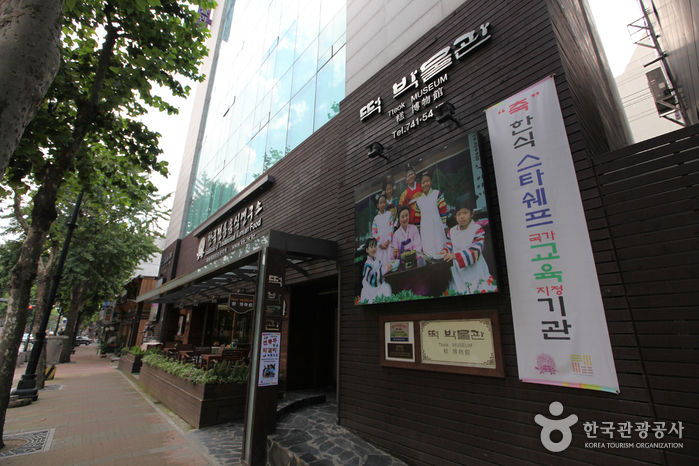
Tteok Museum (떡박물관)
1.7Km 2021-09-29
71, Donhwamun-ro, Jongno-gu, Seoul
+82-2-741-5447
The Tteok Museum displays over 2,000 Korean kitchen utensils and tteok (rice cake) related items, arranged by various themes. The displayed utensils are handmade household necessities that are ingenuous, yet reveal the lifestyle of the working class. The elderly may relive fond childhood memories and the younger generation can experience the wisdom of ancestors through the rare kitchen utensils.
Maria Fertility Hospital (마리아병원)
1.7Km 2025-10-23
20 Cheonho-daero, Dongdaemun-gu, Seoul
In 1967, Maria Obstetrics and Gynecology opened where the Maria Fertility Hospital (Sinseol-dong, Dongdaemun-gu, Seoul) sits today, leading to the creation of the Maria Medical Foundation. At the time, the doctor willingly visited patients' houses with an old house-call bag even in the early mornings, no matter where a patient lived. This founding spirit became the root of the hospital's principles and commitment to its services.
Maria Fertility Hospital ranks number one in in-vitro fertilization cases, accounting for approximately 30% of the total cases among fertility hospitals. The hospital opened branches so that patients can conveniently experience the medical know-how of Maria Fertility Hospital no matter where they live across the country. The branches provide optimum diagnosis of problems through close collaborations among the branches.
The hospital has become a globally renowned fertility center, going beyond its unrivaled number-one position in fertility medicine in Korea. The hospital is dedicated to finding the best solution through research, and helping infertile patients realize their dreams of having a baby to create a healthy and happy family.
Maria Fertility Hospital is moving forward with the philosophy and heritage it inherited from the Maria Medical Foundation.
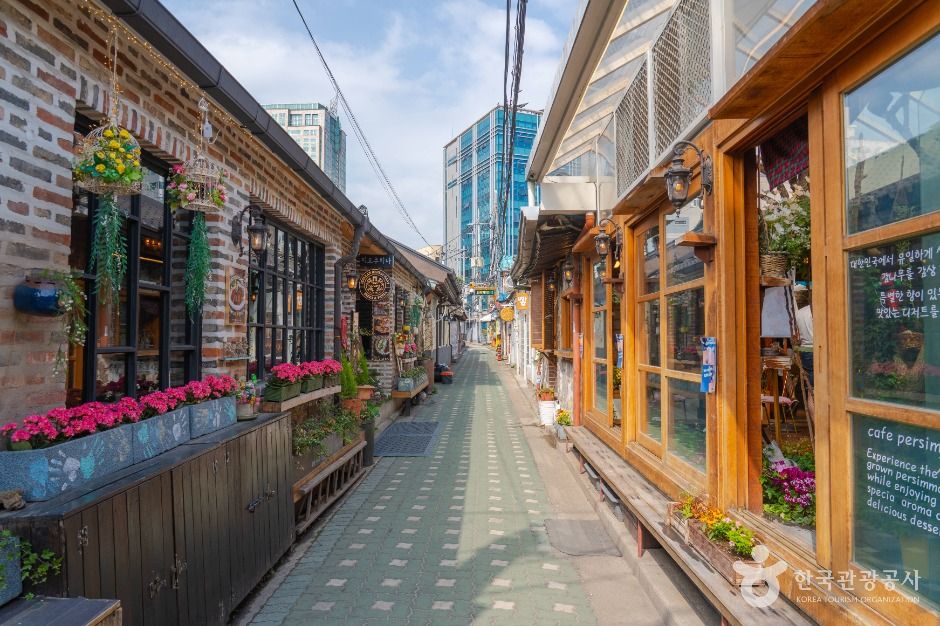
Ikseon-dong Hanok Street (익선동 한옥거리)
1.7Km 2025-10-27
Ikseon-dong, Jongno-gu, Seoul
Ikseon-dong is a place where the harmony of alleys and hanok houses exudes beautiful charm and is a must-visit spot for tourists of all ages and genders. It is also an area that connects the younger and older generations.
Redtable Inc (주식회사 레드테이블)
1.7Km 2025-10-23
10F, SIGNATURE TOWER(WEST),100,Cheonggyecheon-ro, Jung-gu, Seoul
We are a Google partner in Korea that provides services for searching, inquiries, consultations, bookings, and payments related to hospitals, wellness centers, and aesthetic services on Google.
We focus on attracting global tourists from English-speaking countries, Japan, and other Asian regions.
Additionally, Redtable Inc is an official agency of Meituan-Dianping (the largest integrated platform in China), specializing in marketing and promotions for the Chinese market.
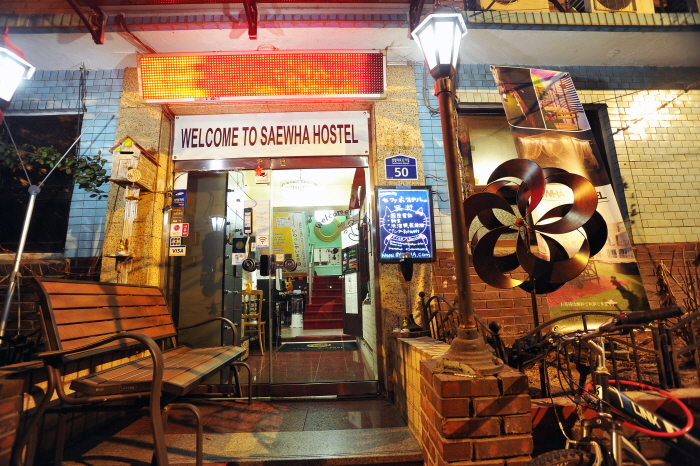
SAEWHA HOSTEL(세화호스텔)
1.7Km 2024-06-20
50 , Samil-daero 32ga-gil, Jongno-gu, Seoul
+82-10-3780-5988
Located in Jongno, in the heart of Seoul, Saehwa Hostel offers a variety of guest rooms, including ondol rooms and bedrooms, for up to 3 people. There’s a bathtub in each room. Shared PCs, massage chairs, microwave ovens, washing machines and dryers are all available free of charge. A simple free breakfast is provided, plus a free international phone service and a foreign language guidance service. Seoul Station is 15 minutes away by subway, and the airport limousine bus stops at Jongno 3-ga station. Changdeokgung Palace, Jongmyo Shrine, and downtown shopping streets are all reachable on foot.
CU - Dongsoong Art Center Branch [Tax Refund Shop] (cu동숭아트점)
1.7Km 2024-06-26
114, Dongsung-gil, Jongno-gu, Seoul
-
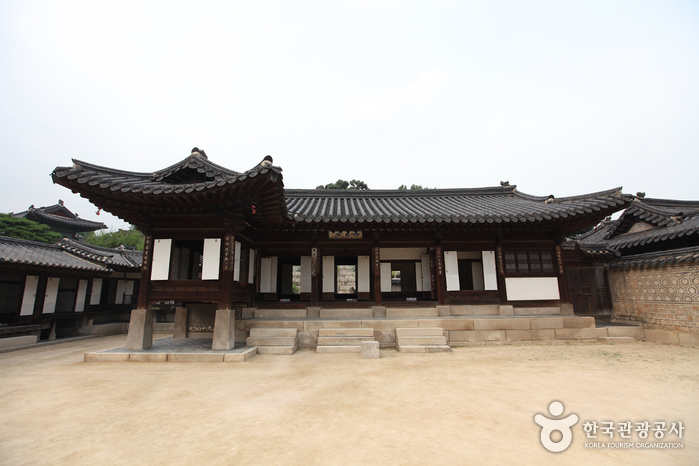
Nakseonjae Hall (낙선재)
1.7Km 2021-09-30
99, Yulgok-ro, Jongno-gu, Seoul
+82-2-2148-1822
Located inside Changdeokgung Palace, Nakseonjae Hall is a one-story structure built in ikgong style (bird wing-shaped eaves placed on top of the pillars) with a hip tiled and gable roof. It has 6 kan in the front and 2 kan (traditional unit of measurement of the space between pillars) to the sides. It originally belonged to the nearby Changgyeonggung Palace, but came to be considered a part of Changdeokgung Palace in more recent years.
The hall was constructed in 1846 (12th year of King Heonjong’s reign) and it is collectively called Nakseonjae together with the adjacent Seokbokheon Hall and Sugangjae Hall.
Behind the building is a flower garden made of stacked large stones. The chimney, the flowers, and the oddly shaped stones harmoniously blend into one another to create an outstanding landscape gardening.
 English
 한국어
한국어 日本語
日本語 中文(简体)
 Deutsch
 Français
 Español
 Русский


